Johnson & Johnson is intensifying its efforts to expand the market footprint of Spravato (esketamine) for treatment-resistant depression (TRD), leveraging new aggregate data on remission rates presented at the recent Psych Congress Elevate. This strategic move aims to underscore the efficacy of the nasal spray formulation, which has transitioned from an adjunctive therapy to the sole monotherapy option for TRD, in a bid to fuel continued sales growth for the blockbuster drug.
The Rise of Esketamine: A Ketamine Legacy in Psychiatry
The journey of esketamine into mainstream psychiatry is rooted in the long and complex history of its parent compound, ketamine. More than six decades ago, in 1962, chemist Calvin Stevens first synthesized ketamine at Parke-Davis, initially in pursuit of a safer anesthetic. Over time, ketamine found diverse applications, including its off-label use in psychiatry for its rapid antidepressant effects, leading to its eventual "migration" into the field.
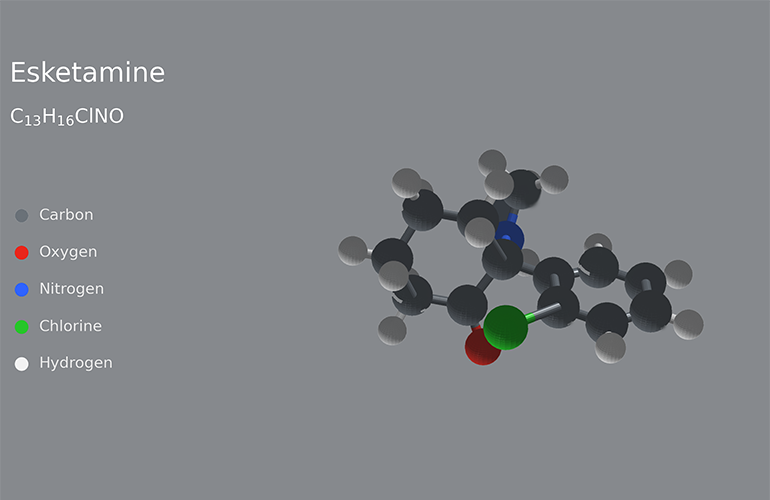
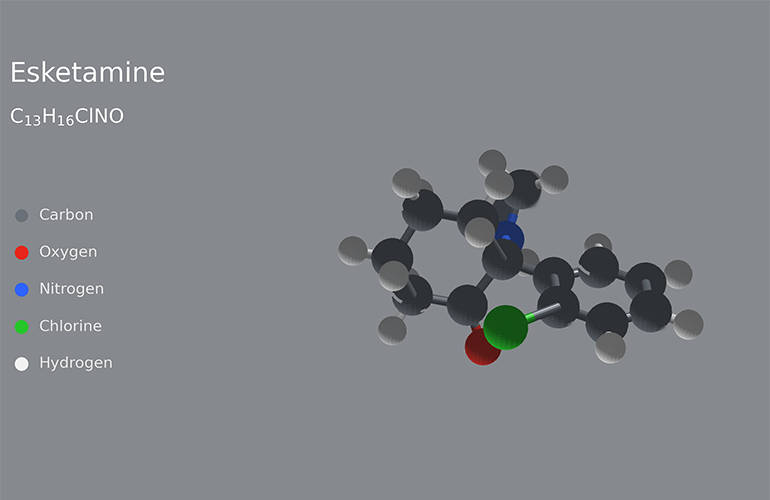
Esketamine, specifically the S-enantiomer of the original ketamine molecule, represents a refined and potent derivative. Its regulatory path began with its initial U.S. Food and Drug Administration (FDA) approval in March 2019. At that time, Spravato was cleared specifically as an add-on therapy, to be used in conjunction with a conventional oral antidepressant for adults suffering from treatment-resistant depression. This marked a significant advancement, offering a novel mechanism of action compared to existing treatments.
A pivotal moment occurred in January 2025, when regulators expanded Spravato’s label, granting it approval as the first and only monotherapy for adults with TRD. This broadened indication positioned esketamine as a standalone treatment option, simplifying its use in certain clinical scenarios and potentially increasing its accessibility for patients who have exhausted other options.
Following a relatively subdued launch, Spravato, marketed by Johnson & Johnson, has seen a remarkable acceleration in its commercial performance. The drug generated approximately $1.7 billion in worldwide sales last year, firmly establishing its blockbuster status. Industry analysts and Wall Street projections anticipate continued robust growth, with sales expected to climb closer to $2.3 billion in 2026, signaling strong confidence in its market potential and clinical uptake.
Addressing the Unmet Need: The Landscape of Treatment-Resistant Depression
The target demographic for Spravato, individuals with treatment-resistant depression, represents a substantial and underserved patient population. Mental health statistics highlight the immense scale of major depressive disorder (MDD) in the United States. According to the National Institute of Mental Health (NIMH), an estimated 21 million U.S. adults experienced at least one major depressive episode in 2021, accounting for 8.3% of the adult population.
While a significant portion of these individuals seek and receive treatment, a substantial subset continues to struggle. Of the approximately 8.9 million U.S. adults treated with medication for major depression, roughly one-third—a staggering 2.8 million people—do not respond adequately to standard oral antidepressants. This failure to achieve satisfactory improvement despite multiple treatment attempts is the clinical definition of treatment-resistant depression.
For these millions of individuals, TRD is not merely a clinical classification; it represents a profound personal burden, characterized by persistent symptoms, impaired functioning, and a diminished quality of life. Dr. Rakesh Jain, MD, MPH, a clinical professor of psychiatry at Texas Tech University School of Medicine, Permian Basin, and the lead author of the recent analysis, succinctly captures the gravity of the situation: "There are millions upon millions of patients, some of them your friends and mine, some of them your family members, who are being treated for depression and are simply not in remission." His statement underscores the urgent need for more effective therapies capable of bringing patients to a state of remission.
Unpacking the Remission Data: Psych Congress Elevate Presentation
The core of Johnson & Johnson’s latest growth strategy for Spravato lies in the data presented at Psych Congress Elevate, a prominent mental health conference. The poster presentation provided a comprehensive overview of remission rates associated with esketamine nasal spray, aggregating findings from six distinct clinical trials in TRD.
Central to this analysis, as framed by Dr. Jain, is the concept of remission. Remission in depression is defined not merely as a reduction in symptoms but as their near-complete absence, allowing an individual to return to a state of euthymia and normal functioning. The analysis reported remission against two conventional cutoffs on the Montgomery-Åsberg Depression Rating Scale (MADRS). The MADRS is a widely used clinician-rated instrument that assesses 10 core depression symptoms, each scored from 0 to 6, yielding a total score ranging from 0 to 60. Scores typically categorize depression severity: 7 to 19 for mild, 20 to 34 for moderate, and 35 or above for severe. Conventionally, remission is defined as a MADRS score of 10 or below. Patients entering the trials included in this analysis had baseline MADRS scores generally ranging from 29 to 38, placing them firmly in the moderate-to-severe depression categories. Dr. Jain noted, "We actually tightened the rules on SPRAVATO a little bit. We said, okay, 12 is fine, but can we go to 10? And it performed quite well, even at 10. That’s the key."
The emphasis on remission is particularly significant because, as Dr. Jain points out, remission rates are "so rarely reported" for many psychiatric interventions. He explained that for numerous atypical antipsychotic augmentation trials, remission numbers are often not publicly highlighted because "the numbers look abysmal, or they don’t separate from placebo." This lack of transparency or disappointing outcomes makes Spravato’s reported remission data a potentially differentiating factor.
To provide context, Dr. Jain frequently references the STAR*D (Sequenced Treatment Alternatives to Relieve Depression) study, the largest real-world depression treatment trial ever conducted. This landmark National Institute of Mental Health (NIMH) study enrolled over 4,000 outpatients with nonpsychotic major depression and evaluated up to four successive treatment steps. In the initial level-one analysis using citalopram, approximately 28% of 2,876 evaluable patients achieved remission, as measured by the Hamilton Depression Rating Scale (HAM-D). However, by the third step, after two prior treatments had failed—the very threshold defining treatment resistance—the remission rate sharply declined to just 13.7%. "The problem is that the moment you go to a second antidepressant, the remission rate drops sharply, to as little as 14 or 15%," Dr. Jain observed, highlighting the profound challenge in achieving remission for TRD patients.
A Closer Look at the Clinical Trials and Data Limitations
The J&J poster aggregated remission rates from six previously reported esketamine trials, encompassing a broad spectrum of study designs:
- Short-term, placebo-controlled studies: TRD4005 (monotherapy trial) and TRANSFORM-2 (esketamine with an oral antidepressant). These trials typically evaluate efficacy over 4 weeks.
- Active-controlled trial: ESCAPE-TRD, which compared esketamine against quetiapine extended-release, both used as augmentation to an SSRI/SNRI.
- Open-label extension studies: ESCAPE-LTE, SUSTAIN-2, and SUSTAIN-3. These studies followed patients for extended periods, as long as 5.5 years, assessing long-term durability.
The poster presented MADRS ≤10 remission rates at week 4 as follows:
- For Spravato monotherapy, remission rates were 13.9% and 21.5% in the respective trials, compared to 6.5% for placebo.
- In TRANSFORM-2, for Spravato plus an oral antidepressant, remission reached 42.6% versus 24.0% for placebo plus an oral antidepressant.
The long-term open-label extension studies, which tracked only patients who continued on the drug, reported impressive remission rates: 49.3% at approximately one year, a striking 78.2% at about two and a half years, and 43.2% at the longest follow-up of around 5.5 years. Dr. Jain emphasized the value of this broad data scope, stating, "It’s such wide-ranging data: different studies, short-term, long-term, a comparative study." He sees this comprehensive approach as a strength, asserting, "I think this data is not cherry-picking. We’re showing short-term, we’re showing long-term, we’re showing a head-to-head comparison, and we’re not taking the easy route."
However, it is crucial to note the poster’s own disclaimer: the analysis is explicitly labeled as "descriptive." This means there was no formal meta-analysis conducted, no pooled effect estimates were generated, and no statistical comparisons were made between the different trials. Furthermore, inherent differences in trial designs limit direct comparability across the studies. These limitations, while acknowledged, are important considerations when interpreting the aggregate data.
Esketamine’s Efficacy: The Debates and Nuances
Despite the positive portrayal in the J&J poster, professional opinion and regulatory assessments of esketamine’s efficacy and cost-effectiveness span a spectrum. Guideline bodies and expert critiques have raised important questions regarding its place in clinical practice.
The strongest controlled evidence presented in the analysis comes from the ESCAPE-TRD trial, the only one pitting esketamine against an active comparator. Published in the New England Journal of Medicine (NEJM), this head-to-head trial demonstrated that esketamine, when combined with an SSRI or SNRI, produced higher remission rates than quetiapine extended-release on the same antidepressant backbone. Specifically, remission rates at week 8 were 27.1% for esketamine versus 17.6% for quetiapine XR. Additionally, esketamine patients were less likely to discontinue treatment due to safety or tolerability issues.
Yet, even within this robust trial, the magnitude of the benefit has been a point of contention. The observed gap in depression scores, as measured by the MADRS, was relatively narrow: a 2.8-point advantage for esketamine at week 8 and 2.2 points at week 32. As acknowledged in subsequent NEJM correspondence, these differences fell below what is generally considered the smallest clinically meaningful difference for the MADRS scale, typically cited as 3-5 points.
Further critiques have emerged in prominent psychiatric journals. In a 2025 editorial in the American Journal of Psychiatry (AJP), Baylor psychiatrists Sanjay Mathew and Nicholas Murphy questioned the necessity of continuing esketamine treatment much beyond the first week, even as prescriptions for the drug nearly doubled after early 2023. Another AJP publication in 2025, a systematic review by Fountoulakis, Saitis, and Schatzberg, reported esketamine’s add-on effect sizes at weeks 2 to 4 to be between 0.15 and 0.23. These figures, they argued, are comparable to those observed with atypical antipsychotic augmentation—a class of treatments Dr. Jain dismisses as having "abysmal" remission numbers—and found no significant antisuicidal benefit directly attributable to esketamine.
Regulatory Landscape and Professional Guidelines
The varied perspectives on esketamine are also reflected in divergent guidelines from prominent health authorities:
- VA/DoD Depression Guideline (2022): The U.S. Department of Veterans Affairs and Department of Defense guideline on depression lists ketamine or esketamine as an augmentation option after several failed drug trials. However, it issues only a "weak for" recommendation, resting on "low-quality evidence," and explicitly articulates reservations about monitoring requirements and feasibility in clinical settings.
- NICE (UK, 2022): Britain’s National Institute for Health and Care Excellence (NICE) took a more conservative stance. It declined to recommend esketamine for routine use within the National Health Service (NHS), citing that the clinical and economic evidence presented at the time could not support a reliable cost-effectiveness estimate. This decision predated the monotherapy approval, but highlighted concerns about value for money.
- Scottish Medicines Consortium: In contrast to NICE, Scotland’s medicines regulator reached the opposite conclusion two years earlier, recommending esketamine for use in specific patient populations.
These differing conclusions from respected guideline bodies underscore the complexity of evaluating novel therapies like esketamine, where clinical efficacy must be weighed against cost-effectiveness, implementation challenges, and the perceived quality of evidence.
Suicidal Ideation Indication: A Crucial Distinction
Beyond TRD, Spravato also holds an FDA approval for major depressive disorder (MDD) with acute suicidal ideation or behavior. Dr. Jain highlighted this as evidence of the drug’s broad utility. However, the specifics of this indication are critically important and often require careful clarification.
As per the FDA prescribing information from 2025, esketamine, when used alongside an oral antidepressant, is approved for the "rapid reduction of depressive symptoms" in these acutely suicidal patients. Crucially, the label directly states that "its effectiveness in preventing suicide or reducing suicidal ideation has not been demonstrated," and that "its use does not remove the need for hospitalization when clinically warranted." This distinction is paramount: Spravato treats the underlying depression that contributes to suicidal thoughts, but it is not approved as a direct anti-suicidal agent. Its role is to rapidly alleviate the severe depressive symptoms in patients at acute risk, thereby potentially creating a window for further comprehensive psychiatric intervention, including safety planning and hospitalization. Dr. Jain confirmed, "That wasn’t a specific focus [on suicidality in] this particular poster. We were much more focused on the remission rates."
Navigating Implementation: Clinician Perspectives and Practical Challenges
Despite the promising data and the significant unmet need in TRD, the widespread adoption of Spravato faces several practical and psychological barriers. Dr. Jain candidly described the inherent conservatism within the psychiatric community: "Psychiatry is slow to change, it just is. So there are many clinicians who have heard of Spravato but are hesitant, not for any particular reason, that’s just the nature of psychiatry." He views this inertia and a lack of comprehensive information as primary obstacles that the Psych Congress Elevate poster was designed to address.
Beyond this "clinician psychology," more concrete frictions impede broader use. Spravato is subject to a strict Risk Evaluation and Mitigation Strategy (REMS) program. This FDA mandate is in place due to potential risks including sedation, dissociation, respiratory depression, and the potential for abuse. The REMS program dictates that Spravato can only be dispensed and administered in a certified healthcare setting. Patients must be monitored by a healthcare professional for at least two hours after every dose to observe for adverse effects. Furthermore, patients are advised against driving or operating machinery until the day after treatment, due to potential lingering effects.
These stringent requirements add layers of logistical complexity and cost for both patients and healthcare providers. Setting up a certified clinic, dedicating staff for the monitoring period, and managing patient transportation are significant considerations that can deter some practitioners from integrating Spravato into their practice.
Dr. Jain believes that addressing these informational and psychological gaps is key. "While there are multiple roadblocks, I think one of the bigger ones is clinician hesitation and lack of knowledge, which is why I put this poster out," he explained. He reported positive feedback from clinicians who viewed the poster, noting, "I didn’t get any pushback. On the contrary, the reaction was, ‘I really do need to start thinking about Spravato earlier and more often.’ And I told them, you’re right, that’s what the data compels us to do." This anecdotal feedback suggests that clear, comprehensive data presentations can indeed shift clinician perspectives.
Future Outlook and Market Impact
Johnson & Johnson’s aggressive promotion of Spravato’s remission data signals its strong ambition to solidify the drug’s position as a leading treatment for TRD. With billions in projected sales, Spravato represents a significant revenue stream and a key asset in J&J’s pharmaceutical portfolio. The ongoing need for effective therapies for TRD remains critical, and Spravato offers a novel mechanism and rapid onset of action that distinguishes it from traditional antidepressants.
The success of J&J’s push will hinge on several factors: the continued dissemination of positive clinical data, the ability to overcome the practical hurdles imposed by the REMS program, and a sustained effort to educate and reassure clinicians about the drug’s benefits and management. If these challenges can be effectively navigated, Spravato has the potential to capture an even larger share of the mental health market, offering hope to millions of patients who have found little relief from conventional treatments.
Ultimately, the narrative surrounding esketamine is a complex interplay of scientific innovation, clinical evidence, regulatory scrutiny, market dynamics, and the intricate psychology of healthcare adoption. As the pharmaceutical industry continues to invest in novel psychiatric drugs, the journey of Spravato provides a compelling case study in the challenges and opportunities inherent in bringing transformative treatments to patients in dire need.