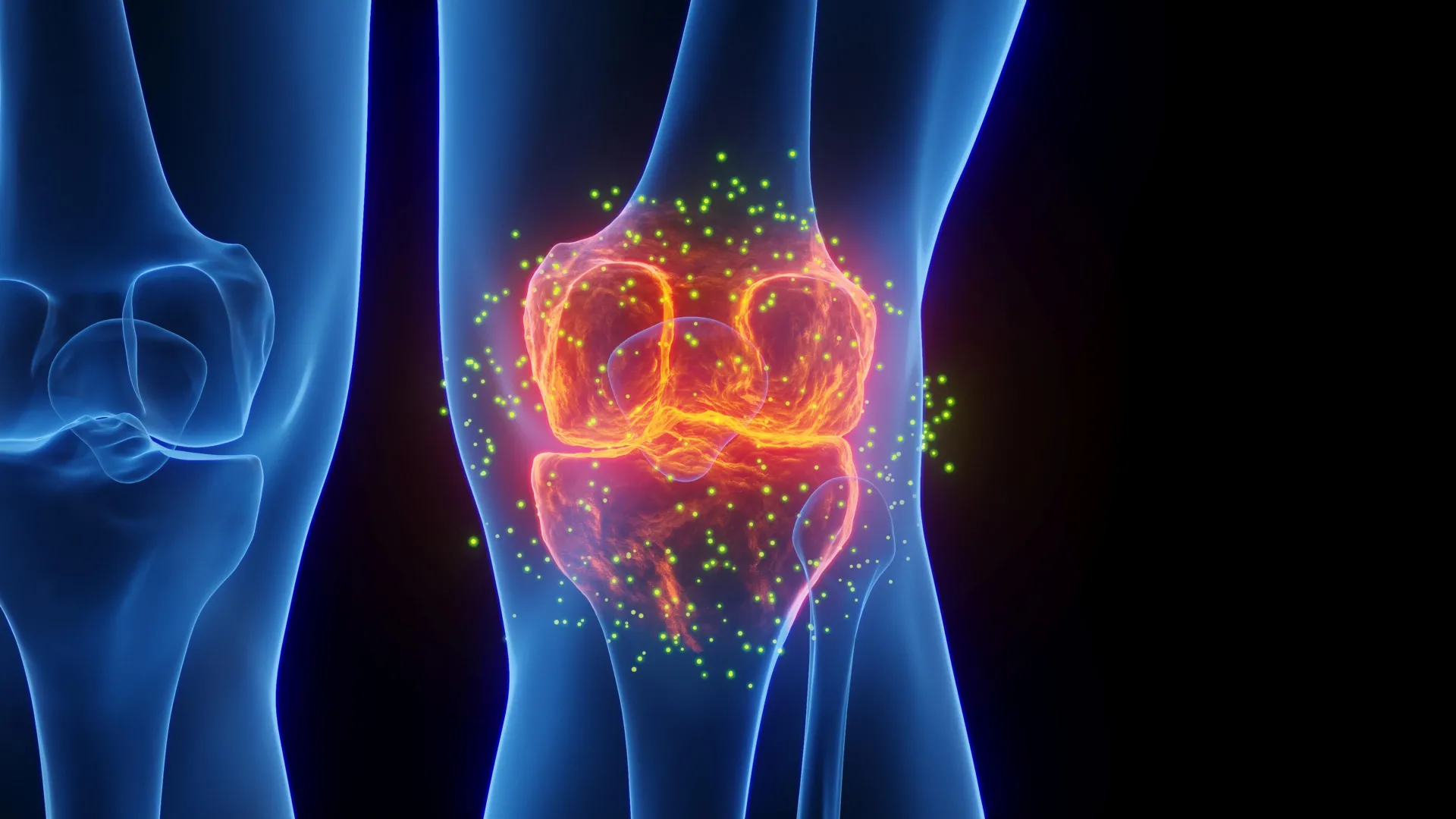
A groundbreaking study led by researchers at Stanford Medicine has identified a therapeutic pathway that restores lost knee cartilage in aging populations and prevents the onset of arthritis following traumatic joint injuries. The research, published in the journal Science, centers on a protein known as 15-PGDH, which scientists have categorized as a "gerozyme"—an enzyme that increases with age and drives the degradation of tissue function. By inhibiting this protein, the research team successfully induced cartilage regrowth in older mice and observed similar regenerative activity in human tissue samples, marking a significant departure from current treatments that merely manage symptoms rather than addressing the underlying biological decay.
The Growing Crisis of Osteoarthritis and Joint Degeneration
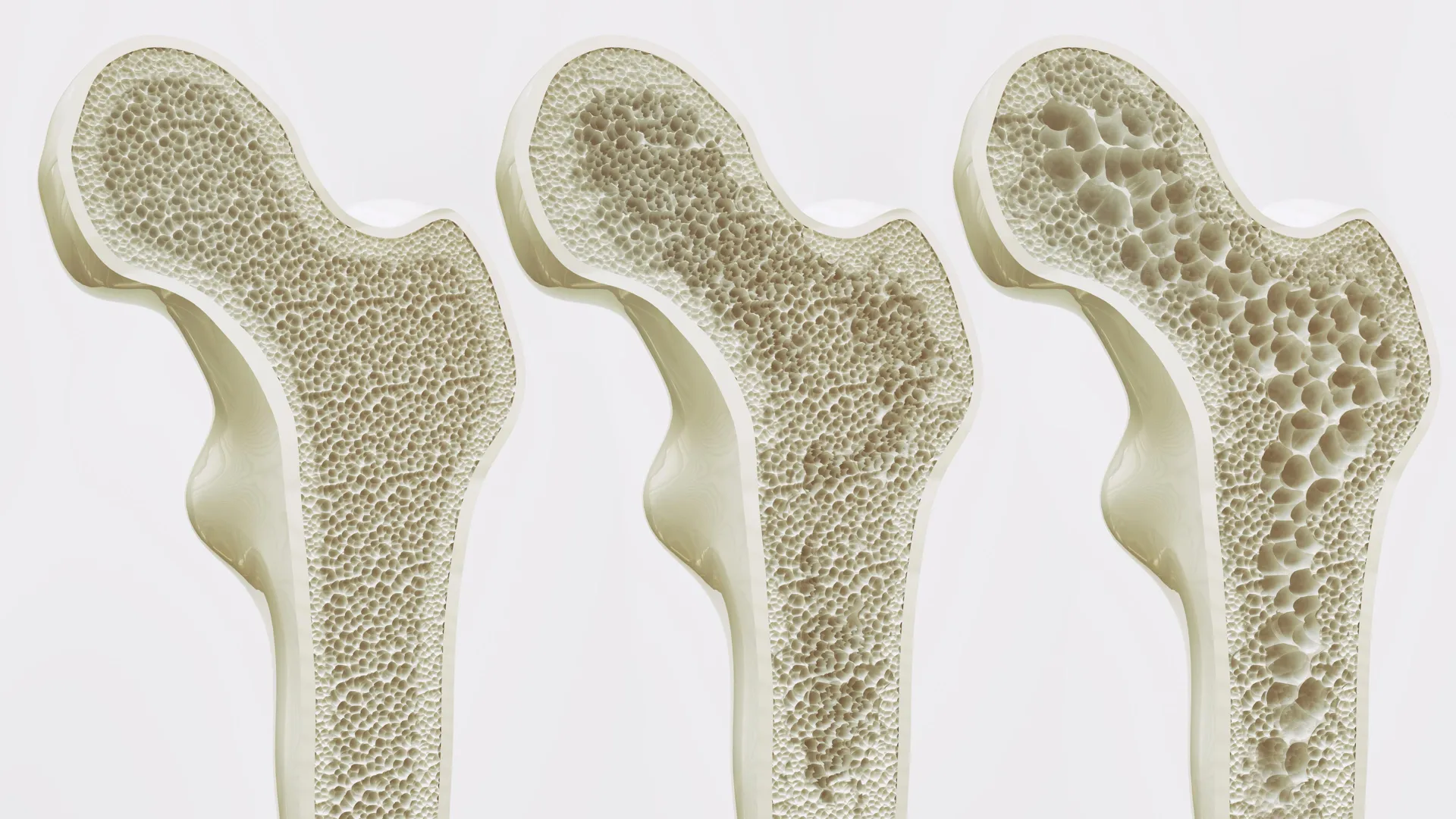
Osteoarthritis represents one of the most significant burdens on global healthcare systems, characterized by the progressive breakdown of articular cartilage. In the United States alone, the condition affects approximately 32.5 million adults, or one in five individuals over the age of 18. As the protective hyaline cartilage at the ends of bones wears thin, patients experience debilitating pain, stiffness, and a loss of mobility.
The economic implications are equally staggering. Recent data suggests that osteoarthritis generates roughly $65 billion in direct healthcare costs annually. Despite the prevalence of the disease, the medical community has long been frustrated by a lack of disease-modifying osteoarthritis drugs (DMOADs). Current standards of care are largely reactive, utilizing non-steroidal anti-inflammatory drugs (NSAIDs) for pain management or corticosteroid injections to reduce swelling. When these measures fail, the only remaining option for most patients is total joint replacement surgery—a major procedure involving the implantation of prosthetic components.
The Stanford study offers a potential paradigm shift. If the results seen in animal models and laboratory human tissues can be replicated in large-scale clinical trials, the need for hip and knee replacements could be drastically reduced, offering a non-surgical alternative to millions of aging individuals.
Identifying the Gerozyme: The Role of 15-PGDH
The catalyst for this discovery was the identification of 15-PGDH as a master regulator of aging in various tissues. The research team, led by Helen Blau, PhD, and Nidhi Bhutani, PhD, first gained international attention in 2023 when they identified this class of proteins. Their previous work demonstrated that 15-PGDH levels rise as organisms age, leading to the depletion of prostaglandin E2 (PGE2), a signaling molecule essential for tissue repair and stem cell function.
In earlier studies focusing on muscle tissue, the researchers found that blocking 15-PGDH allowed older mice to regain lost muscle mass and improve physical endurance to levels comparable to younger animals. Conversely, when the protein was overexpressed in young mice, their muscles prematurely withered. Extending this logic to orthopedic health, the team hypothesized that the same "gerozyme" might be responsible for the inability of cartilage to repair itself after decades of wear and tear.
"We were looking for a way to turn back the clock on the joint’s environment," explained Dr. Blau, the Donald E. and Delia B. Baxter Foundation Professor. "What we found was that by removing the brake—15-PGDH—we could restore the natural regenerative capacity of the tissue."
Experimental Breakthroughs in Murine Models
The study utilized two distinct mouse models to test the efficacy of a small-molecule inhibitor designed to block 15-PGDH. The first focused on natural age-related degeneration. Older mice, which had naturally developed thin and brittle cartilage, were given the inhibitor via two methods: systemic abdominal injections and localized injections directly into the knee joint.
The results were described by the researchers as "remarkable." In both delivery methods, the mice showed a significant increase in the thickness of the hyaline cartilage. Importantly, the new growth was not the less effective, scar-like "fibrocartilage" often seen in failed repair attempts, but true articular cartilage that restored smooth joint movement.
The second model addressed Post-Traumatic Osteoarthritis (PTOA). This is a common clinical scenario where a serious injury, such as an Anterior Cruciate Ligament (ACL) tear, leads to the rapid development of arthritis. In humans, approximately 50% of individuals who suffer an ACL tear will develop osteoarthritis within 15 years, regardless of whether they undergo surgical repair.
In the Stanford study, mice with simulated ACL injuries were treated with the gerozyme inhibitor twice weekly for one month. While the control group developed severe arthritis within four weeks, the treated mice were largely protected. These animals demonstrated a more natural gait and were able to bear weight on the injured limb, suggesting that the treatment not only preserved the structure of the joint but also significantly reduced the associated pain.
A New Mechanism: Reprogramming Without Stem Cells
One of the most scientifically significant findings of the study involves the specific biological mechanism at play. Traditionally, tissue regeneration is thought to be driven by stem cells that differentiate into new specialized cells. However, articular cartilage is notoriously "hypocellular," meaning it has very few cells and no direct blood supply, making it one of the most difficult tissues in the body to heal.
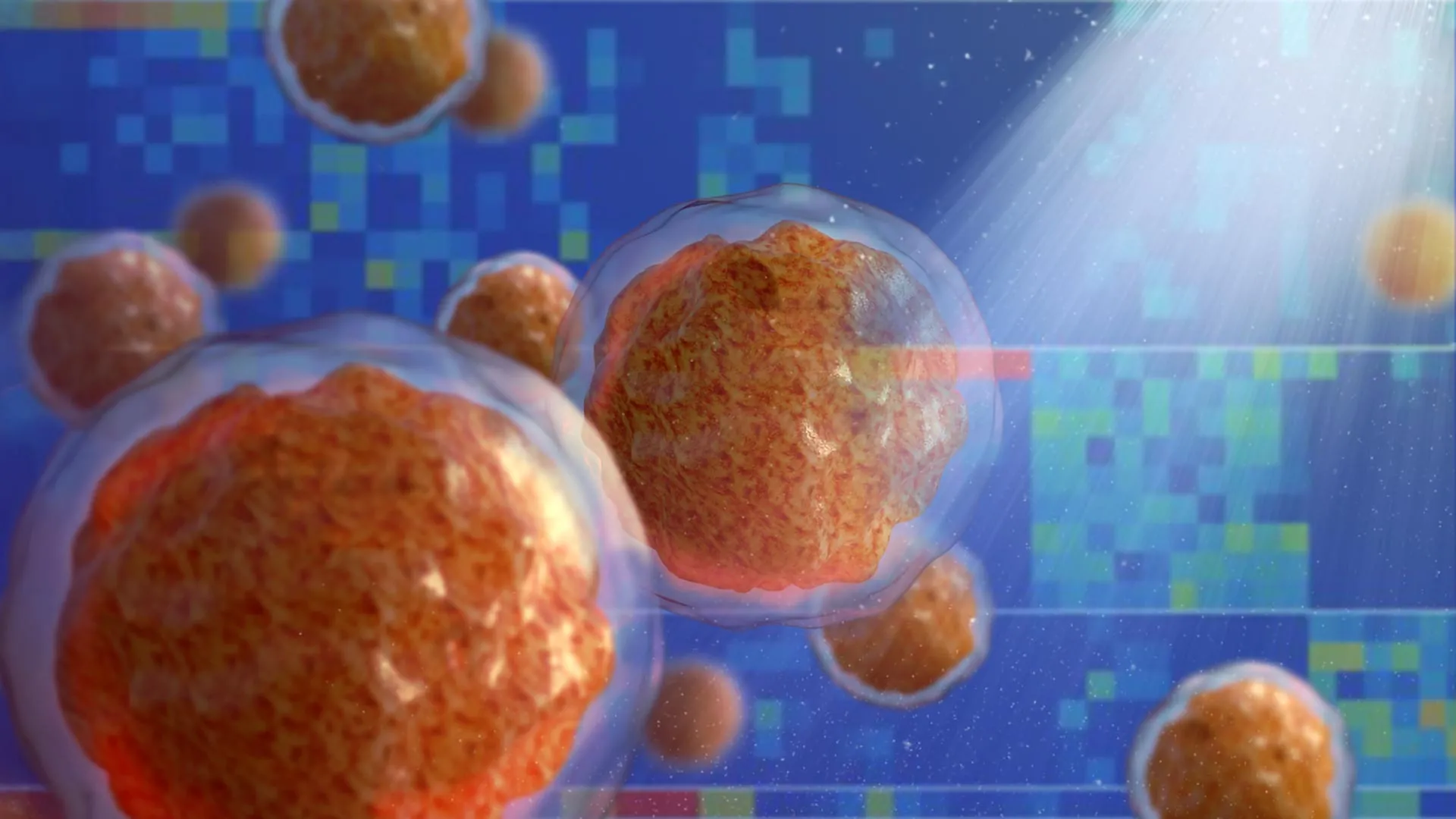
The Stanford team discovered that the regeneration was not being driven by stem cells. Instead, existing cartilage cells, called chondrocytes, were undergoing a form of "epigenetic reprogramming." Under the influence of the 15-PGDH inhibitor, these older, inflammatory chondrocytes shifted their gene activity.
Detailed analysis showed that before treatment, a large portion of the chondrocytes were expressing genes associated with inflammation and the "ossification" (turning to bone) of cartilage. After treatment, these cells reverted to a youthful state, expressing genes responsible for building the extracellular matrix and producing collagen. Specifically, the population of cells involved in building healthy hyaline cartilage nearly doubled, jumping from 22% to 42% of the total cell count.
"This is a new way of thinking about regeneration," said Dr. Bhutani. "We don’t necessarily need to transplant new cells if we can convince the cells already present to behave as they did when they were young."
Validating Results in Human Tissue
To ensure the findings were not limited to rodents, the researchers tested the inhibitor on human cartilage samples obtained from patients undergoing total knee replacements. These samples represented the "end-stage" of osteoarthritis, where the tissue is typically considered beyond repair.
Even in these severely degraded samples, the treatment showed promise. After just one week of exposure to the 15-PGDH inhibitor, the human tissue samples began to show signs of recovery. There was a marked decrease in the activity of genes linked to cartilage breakdown and a corresponding increase in the production of new, functional articular cartilage. This suggests that the biological pathway identified in mice is conserved in humans, providing a strong rationale for moving toward clinical trials.
Timeline and Future Clinical Implications
The path from laboratory discovery to bedside treatment is often long, but the 15-PGDH inhibitor may have a head start. An oral version of the drug is already being evaluated in Phase 1 clinical trials for the treatment of sarcopenia (age-related muscle wasting). These initial trials have already indicated that the inhibitor is safe for human consumption and biologically active.
The researchers are now looking to launch secondary trials specifically targeting orthopedic applications. The potential for a "local injection" therapy is particularly enticing for sports medicine. Athletes who suffer joint trauma could potentially receive a series of injections immediately following an injury to "lock in" the health of the cartilage and prevent the long-term slide into osteoarthritis.
For the elderly, the implications are even broader. An oral medication that maintains muscle mass while simultaneously regenerating joint cartilage would address the two primary drivers of physical disability in the aging population.
Analysis of Broader Impacts
The success of this research could have profound implications for the medical device industry and the broader healthcare economy. Currently, the "joint replacement industry" is a multi-billion-dollar sector. If a pharmacological intervention can delay the need for surgery by even a decade, the cost savings for insurance providers and national health services would be astronomical.
Furthermore, this study validates the emerging field of "Geroscience"—the study of the biological processes of aging as a way to treat multiple chronic diseases at once. By targeting a single gerozyme like 15-PGDH, researchers are finding they can impact muscle, bone, nerve, and now cartilage health simultaneously.
However, challenges remain. While the mouse data is compelling, human joints bear significantly more weight and undergo different mechanical stresses. Researchers will need to determine the optimal dosage and frequency of treatment to ensure that the "new" cartilage can withstand the rigors of daily human activity.
The study concludes with a sense of cautious optimism from the lead authors. "Imagine a world where you can regrow your own cartilage rather than replacing it with metal and plastic," said Dr. Blau. "We are not there yet, but for the first time, the biological roadmap to get there is clear."
Funding and Disclosures:
The research was supported by the National Institutes of Health, the Baxter Foundation, and several other philanthropic organizations. Dr. Helen Blau and Dr. Nidhi Bhutani are listed as inventors on patent applications related to 15-PGDH inhibition, which have been licensed to the biotechnology firm Epirium Bio.