In a significant advancement for aerospace engineering, researchers at the Massachusetts Institute of Technology (MIT) have developed a novel propulsion architecture that integrates the rapid-response capabilities of chemical rockets with the high-efficiency endurance of electric thrusters. This breakthrough, centered on the use of a singular "green" propellant, addresses one of the most persistent challenges in small satellite design: the trade-off between speed and fuel economy. By utilizing a specialized ionic liquid originally formulated for the United States Air Force, the MIT team has demonstrated that a single fuel source can power two distinct propulsion mechanisms, effectively streamlining spacecraft architecture and expanding the operational horizons of miniature satellites, known as CubeSats.
The research, recently published in the Journal of Propulsion and Power, details how this dual-mode system could allow a briefcase-sized satellite to perform complex maneuvers that were previously the sole domain of much larger, more expensive spacecraft. Historically, propulsion systems have been siloed; a satellite required one tank and plumbing system for high-thrust chemical maneuvers—such as orbit insertion or rapid collision avoidance—and an entirely separate system for high-efficiency electric cruising. This redundancy adds significant mass and volume, precious commodities in the "New Space" era where launch costs are calculated by the gram.
The Convergence of Chemical and Electric Propulsion
To understand the impact of the MIT research, it is necessary to examine the fundamental differences between the two primary modes of space propulsion. Chemical propulsion relies on the rapid release of energy through chemical reactions, producing a high volume of gas ejected at high speeds. This provides the "muscle" needed for quick acceleration or sudden changes in trajectory. Conversely, electric propulsion—specifically electrospray technology—uses electric fields to accelerate individual ions from a liquid propellant. While the resulting thrust is low, the efficiency (measured as specific impulse) is extraordinarily high, allowing a spacecraft to travel vast distances over months or years using a minimal amount of fuel.
The MIT team, led by Amelia Bruno, a former postdoctoral researcher in the Department of Aeronautics and Astronautics (AeroAstro), and Paulo Lozano, the Miguel Alemán Velasco Professor of Aeronautics and Astronautics, identified a way to bridge these two worlds. By proving that a specific "green monopropellant" could function as an ionic liquid for electrospray thrusters, they have eliminated the need for dual-tank systems.
"If you can have chemical and electrical propulsion in one small package, it’s the best of both worlds," Bruno stated. "This opens the door for small satellites to do even more science, more observations, and more interesting missions, all on a smaller and cheaper platform."
The Science of ASCENT: A Safer, More Efficient Propellant
The catalyst for this innovation is a propellant known as ASCENT (Advanced SpaceCraft Energetic Non-Toxic). Developed by the U.S. Air Force Research Laboratory (AFRL), ASCENT was designed as a "green" alternative to hydrazine. For decades, hydrazine has been the industry standard for satellite propulsion due to its high energy density and reliability. However, hydrazine is extremely toxic and carcinogenic, requiring ground crews to wear full-body "SCAPE" (Self-Contained Atmospheric Protective Ensemble) suits during fueling operations. This toxicity drives up the cost of ground operations and limits the flexibility of small satellite launches.
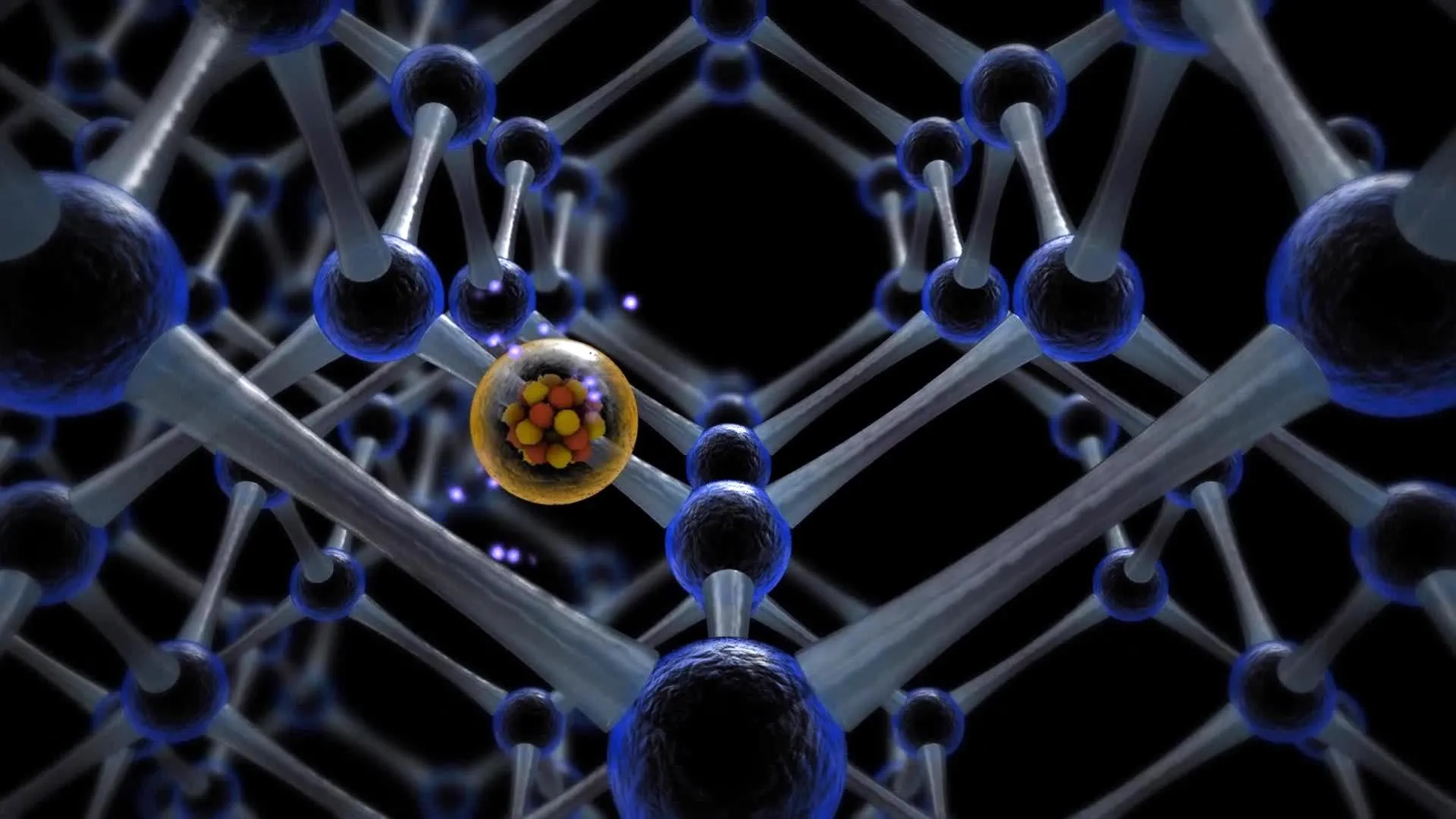
ASCENT, an ionic liquid mixture, offers a higher density-specific impulse than hydrazine while being significantly safer to handle. Until the MIT study, ASCENT was viewed primarily as a chemical monopropellant—fuel that decomposes over a catalyst to produce thrust. However, the MIT researchers recognized that because ASCENT is composed of ions, it theoretically possessed the electrical properties required for electrospray propulsion.
"ASCENT happens to be an ionic liquid mixture," Bruno explained. "And we said, hey, that’s the stuff we typically use [for electrospray]. Theoretically, this should work. Let’s go figure out how."
Experimental Validation and the MagLev Testing Environment
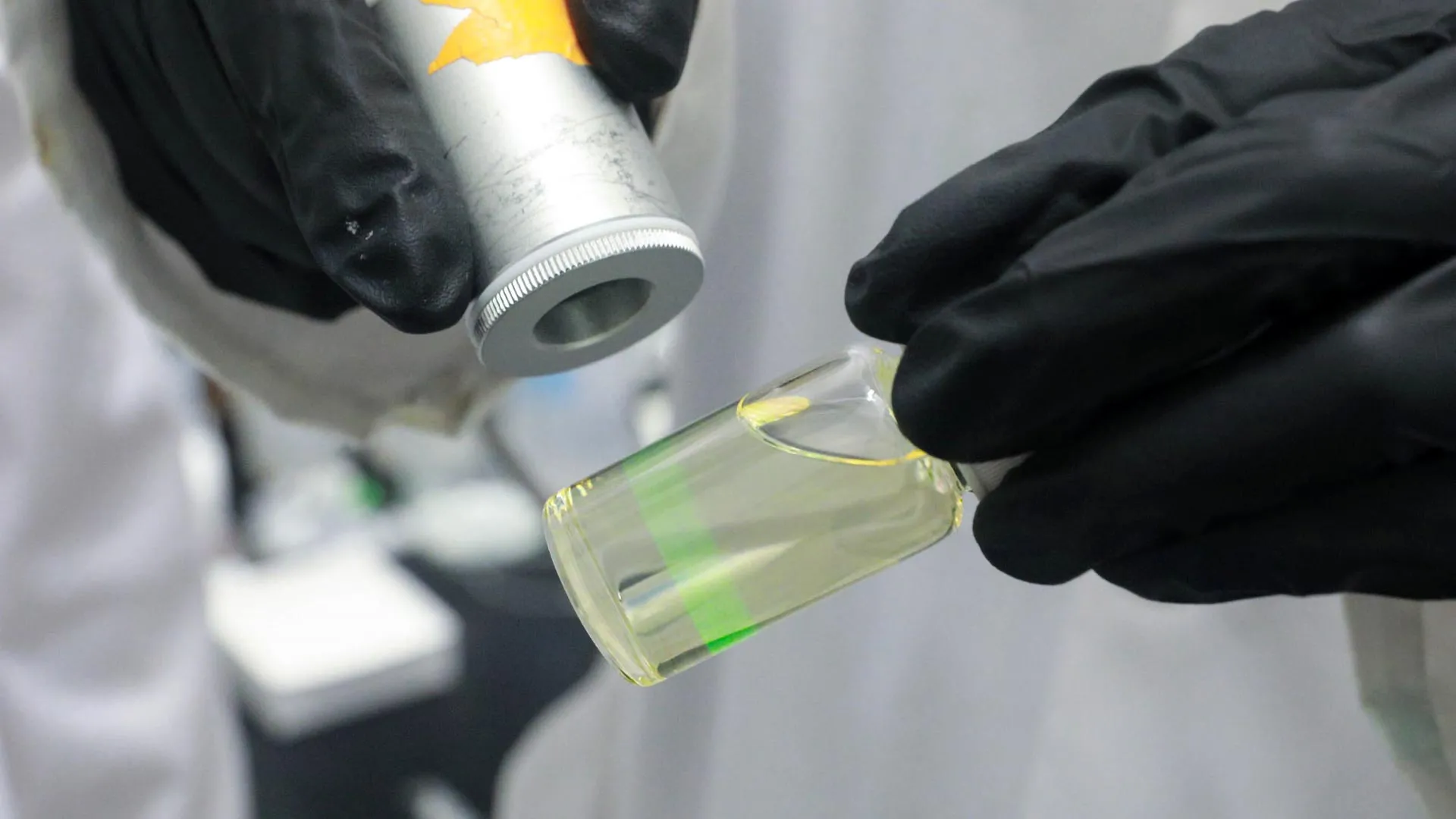
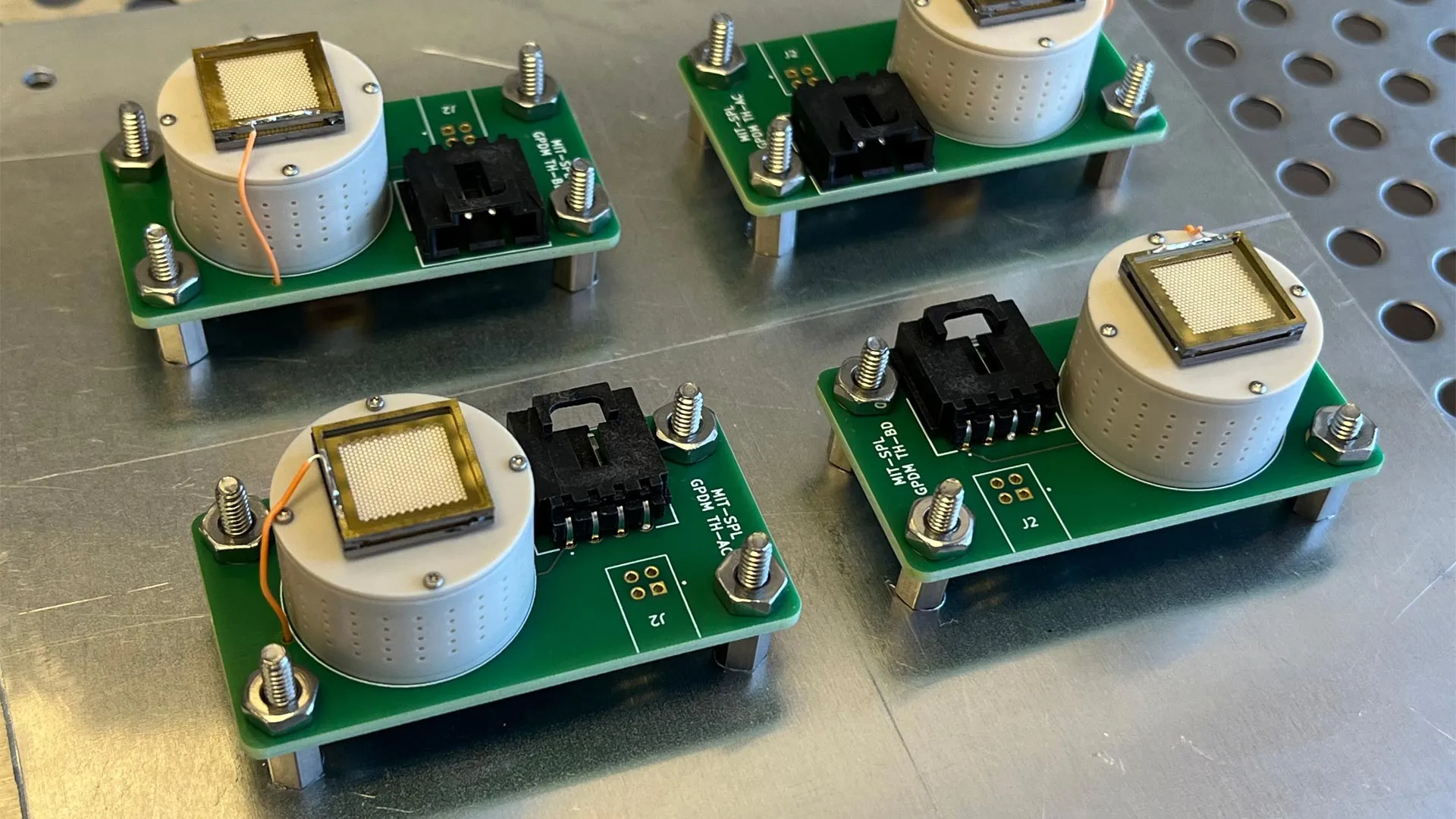
The verification process involved rigorous laboratory testing to ensure that ASCENT would not only provide thrust but also maintain stability under the intense electric fields of an electrospray system. The researchers utilized electrospray thrusters roughly the size of a thumbnail, each positioned above a reservoir containing approximately one gram of the propellant.
To simulate the frictionless environment of space, the team employed a specialized magnetic levitation platform known as the MagLev, housed within a large vacuum chamber at MIT. The test satellite—a CubeSat model—was levitated, and the thrusters were activated by varying the voltage supplied to the system. The electrospray process works by pulling ions from the liquid through microscopic emitters, creating a fine mist of charged particles that are accelerated away from the craft.
During these tests, the researchers operated the thrusters continuously for up to 100 hours. The results were definitive: ASCENT performed on par with traditional, dedicated electrospray propellants. This confirmed that the same liquid sitting in a satellite’s tank could be sent to a chemical thruster for a 10-second burst of high speed or to an electrospray array for a 100-day journey to a distant asteroid.
Chronology of Development and NASA Partnership
The journey toward dual-mode propulsion has been a multi-year effort involving collaboration between academia, the military, and civil space agencies.
- 2010s: The U.S. Air Force Research Laboratory develops and begins testing ASCENT (formerly AF-M315E) as a safer alternative to hydrazine.
- 2019: NASA’s Green Propellant Infusion Mission (GPIM) successfully demonstrates ASCENT’s capabilities as a chemical propellant in Earth orbit.
- 2021-2023: MIT’s AeroAstro department begins investigating the electrical properties of ASCENT, culminating in the recent study led by Amelia Bruno and Paulo Lozano.
- 2024 (November): NASA is scheduled to launch the Green Propulsion Dual Mode (GPDM) mission. This briefcase-sized CubeSat will be the first spacecraft in history to feature a shared propellant tank for both chemical and electric thrusters.
The GPDM mission represents the "flight validation" phase of the research. The satellite is equipped with one chemical thruster and four electrospray thrusters, all drawing from a single reservoir of ASCENT. If successful, it will prove that the complexity of satellite plumbing can be reduced by nearly 50%, allowing more room for scientific sensors, cameras, or communication arrays.
Implications for the Global Satellite Industry
The shift toward dual-mode propulsion comes at a pivotal time for the space industry. The "SmallSat" market is projected to grow exponentially over the next decade, driven by the deployment of massive constellations for global internet (such as SpaceX’s Starlink and Amazon’s Project Kuiper) and high-revisit Earth observation.
For operators of these constellations, the MIT breakthrough offers several strategic advantages:
1. Enhanced Orbital Maneuverability: Currently, many small satellites lack any propulsion or rely on simple cold-gas systems. Dual-mode propulsion allows these craft to actively avoid space debris (using chemical bursts) and maintain their precise orbital stations (using electric thrust) for years.
2. Deep-Space Exploration on a Budget: Large missions to Mars or the outer planets often cost billions of dollars. With dual-mode systems, CubeSats could "hitchhike" on larger launches, use electrospray to navigate to deep-space targets over several years, and then use chemical thrust to enter orbit around a moon or asteroid.
3. Environmental and Operational Safety: By replacing hydrazine with ASCENT, launch sites can reduce the specialized infrastructure needed for hazardous fueling, potentially lowering the barrier for commercial spaceports worldwide.
4. Responsiveness in Climate Monitoring: As Professor Lozano noted, the ability to rapidly redeploy a constellation of satellites to monitor a developing hurricane or wildfire requires the high thrust of a chemical engine. Once the event is over, the satellites can use their electric thrusters to slowly drift back to their original positions, preserving fuel for future emergencies.
Technical Analysis of Efficiency and Mass Savings
From an engineering perspective, the primary benefit of the MIT system is the "mass fraction" improvement. In traditional satellite design, the dry mass (the weight of the satellite without fuel) is inflated by the need for two separate sets of pipes, valves, and tanks if two propulsion types are used. By consolidating these into a single-tank architecture, the "propellant mass fraction"—the percentage of the launch weight dedicated to fuel—is optimized.
Furthermore, the electrospray thrusters developed in Lozano’s lab represent the pinnacle of miniaturization. Unlike larger Hall-effect thrusters or Ion thrusters used on massive communications satellites, electrospray systems require no bulky pressurized gas tanks or complex ionization chambers. They operate at the molecular level, making them the ideal partner for the chemical monopropellant system in the confined volume of a 6U or 12U CubeSat.
Looking Ahead: The Future of Autonomous Spaceflight
As the November launch of the Green Propulsion Dual Mode mission approaches, the aerospace community is watching closely. A success in orbit would validate MIT’s laboratory findings and likely lead to a rapid adoption of dual-mode systems by commercial satellite manufacturers.
"We could send CubeSats to Mars, or the asteroid belt, where they could make the journey slowly, using electrospray thrusters," says Lozano. "You could then use your chemical thrusters to quickly move to look at interesting features. You could have a lot more flexibility to do a lot more things."
The research, supported in part by NASA, signifies a shift toward more "intelligent" spacecraft design—where the focus is not just on the power of the engine, but on the versatility and integration of the entire system. By turning a chemical fuel into an electrical one, MIT has provided the "Swiss Army Knife" of propulsion, ensuring that the next generation of space explorers, however small they may be, are equipped for the complexities of the final frontier.