A significant stride in the realm of integrated medicine has been reported by Remepy, a pioneering startup, as its innovative "hybrid drug" for Parkinson’s disease, known as Hybridopa, successfully completed a Phase IIa clinical trial. This development marks a pivotal moment in the ongoing evolution of digital therapeutics and pharmaceutical interventions, showcasing a novel approach that seeks to harness the synergistic power of traditional medication and advanced artificial intelligence-driven digital protocols. The trial results, published in Brain Communications in May 2026, demonstrated a substantial improvement in motor symptoms for Parkinson’s patients, suggesting that combining established pharmacotherapy with personalized, app-delivered non-pharmaceutical interventions could significantly enhance treatment efficacy.
The Evolution of Digital Health: From Promise to Hybrid Solutions
The concept of integrating technology into healthcare is not new. The dawn of the smartphone era, ignited by Apple’s App Store in July 2008 and closely followed by Android Market, brought with it a fervent belief in the transformative potential of mobile applications. Visionary clinicians, including Scripps cardiologist Eric Topol and physician-innovator Daniel Kraft, enthusiastically predicted a future where smartphones, wearable sensors, and sophisticated apps would become indispensable tools for disease diagnosis, continuous monitoring, and effective management. They foresaw a time when digital tools would be prescribed with the same routine as conventional pills, ushering in an era of personalized, proactive healthcare.
However, this ambitious vision, while showing clear exceptions in the form of FDA-cleared digital therapeutics (DTx), has largely remained aspirational. The digital therapeutics landscape, despite its initial hype and promise, encountered formidable challenges, particularly concerning reimbursement models and sustainable commercialization. A stark illustration of these difficulties was the unfortunate bankruptcy of Pear Therapeutics in 2023. Pear, a trailblazer in prescription digital therapeutics, had successfully demonstrated that its software could be prescribed by doctors and effectively used by patients. Yet, it ultimately failed to secure the consistent and adequate reimbursement pathways necessary to sustain its business operations, highlighting a critical chasm between clinical efficacy and economic viability for standalone digital interventions.
It is against this backdrop that Remepy’s co-founder and co-CEO, Michal Tsur, Ph.D., envisions a new dynamic through "hybrid drugs." This innovative paradigm pairs conventional pharmaceutical medicines with sophisticated AI-driven, app-delivered treatment protocols, effectively merging the best of both worlds. Dr. Tsur posited that the delay in the emergence of such hybrid solutions stemmed from the nascent stage of the digital therapeutic ecosystem itself, which needed time to mature before such an integrated approach could become feasible.

Remepy’s Foundational Philosophy: Cohesion in Care
At its core, Remepy’s strategy is built upon a profound critique of the often-fragmented nature of conventional patient care. The company champions a push for greater cohesion, recognizing that most medical conditions respond optimally to a multidisciplinary, integrative approach. As Dr. Tsur articulated, this encompasses the strategic combination of pharmaceutical treatments with a diverse array of non-pharmaceutical interventions. These can range from physiotherapy and mental health support to cognitive neuromodulation and speech therapy. The rapid evolution of technology, she noted, has empowered mobile devices to deliver, measure, and personalize an increasingly wide spectrum of high-quality interventions directly to patients.
Remepy carefully selects disease areas where non-pharmaceutical interventions have already demonstrated a meaningful clinical effect and, crucially, where patients are likely to remain engaged with a structured, app-guided protocol. Dr. Tsur emphasized that for many conditions—including Parkinson’s, certain oncology indications, numerous neurological and immunological disorders, and various women’s health indications—integrating a drug with these non-pharmaceutical interventions can potentially double the clinical effect. This prioritization strategy underpins Remepy’s focus on therapeutic areas where the potential effect size for combined interventions is exceptionally large.
Learning from Past Commercial Hurdles: The Hybrid Drug Model
The commercial failures that plagued the first wave of prescription software, most notably Pear Therapeutics, served as a critical learning experience for Remepy. Recognizing the systemic challenges in securing reimbursement for software as a standalone prescription, Remepy strategically decided to invent the "hybrid drug" product. This model integrates a pharmaceutical drug with a digital protocol delivered via an app. Dr. Tsur stressed that every component of this hybrid approach is mechanistically and scientifically validated, undergoing rigorous clinical trials. The end product, she affirmed, is unequivocally "a drug and an app," designed to be recognized and reimbursed within existing pharmaceutical frameworks.
This drug-plus-app structure carries significant economic ramifications. Remepy aims to translate the value of digital health into established pharma economics by aligning its software-drug combinations with regulatory frameworks such as combination-product regulation and the FDA’s Prescription Drug Use-Related Software (PDURS) pathway. The PDURS pathway, in particular, offers a powerful "tailwind" for Remepy, as it could allow the digital software to support an expanded drug label based on its proven therapeutic effect. This innovative regulatory positioning is key to overcoming the reimbursement hurdles that proved insurmountable for earlier digital therapeutics.
Addressing the Ceiling Effect: Parkinson’s and Levodopa
Remepy’s initial focus on Parkinson’s disease is particularly insightful, as it targets a condition where the limitations of existing monotherapies are well-documented. Levodopa, while the most effective therapy for Parkinson’s motor symptoms, faces a significant "ceiling effect." Its benefits tend to narrow considerably as the disease progresses. Long-term studies, such as a 13-year cohort study, have shown that motor fluctuations affect over half of patients within five years of treatment initiation and nearly all within a decade. Dr. Tsur noted that many drugs exhibit such ceiling effects, which cannot be overcome without integrating additional interventions. In Parkinson’s, Remepy’s hypothesis is that levodopa’s efficacy can be substantially extended and enhanced when paired with a daily, personalized protocol that comprehensively addresses movement, speech, cognition, mood, and other critical functions through a single, integrated therapeutic package.
A key differentiator of the hybrid model lies in the multi-modal capacity of the app component. While a traditional drug typically operates via a single mechanism of action, an app can concurrently integrate multiple mechanisms. This is particularly advantageous in diseases like Parkinson’s, characterized by high individual variation in symptoms and progression. By offering a broad set of modalities—ranging from specific physical exercises to cognitive tasks and speech drills—the app can better overcome individual patient variability, providing a more personalized and holistic treatment experience. Many disease labels, after all, group together patients who, despite sharing a diagnosis, present with diverse symptoms, underlying mechanisms, and unique treatment needs.
Hybridopa for Parkinson’s: A New Standard of Care?
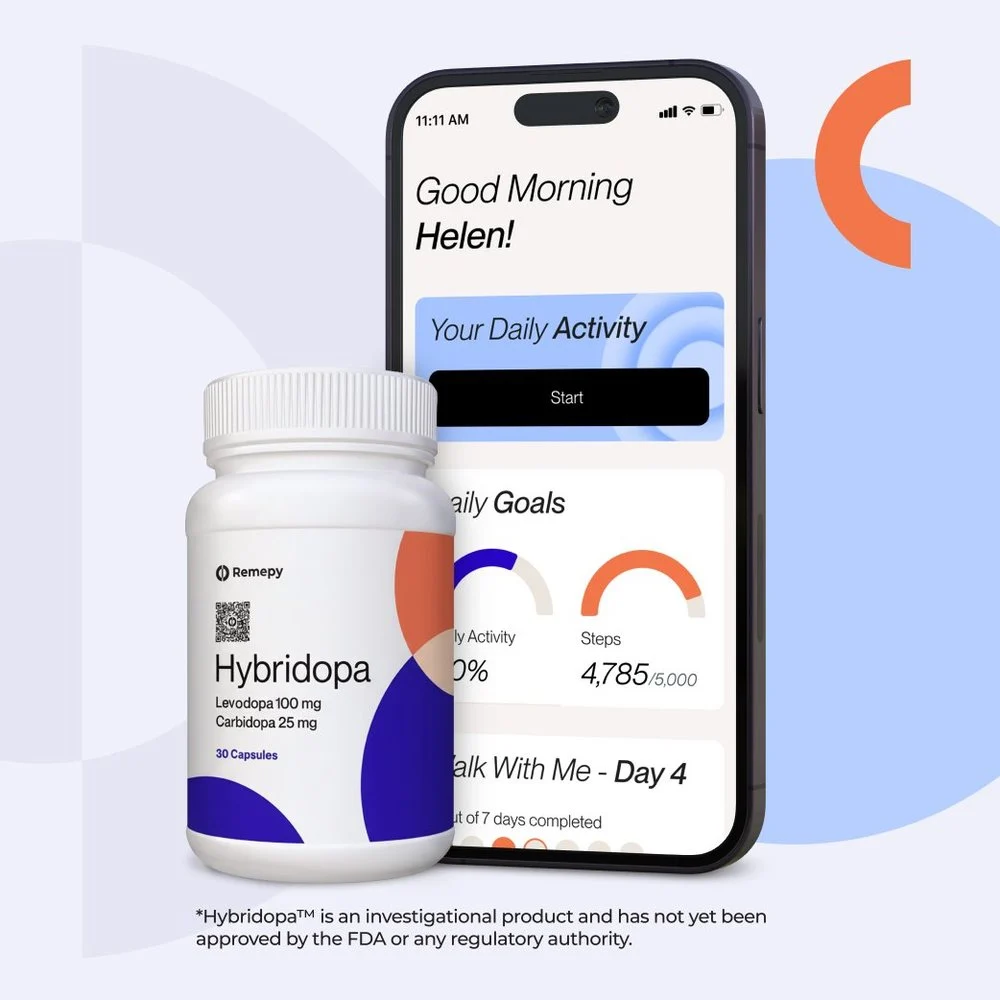
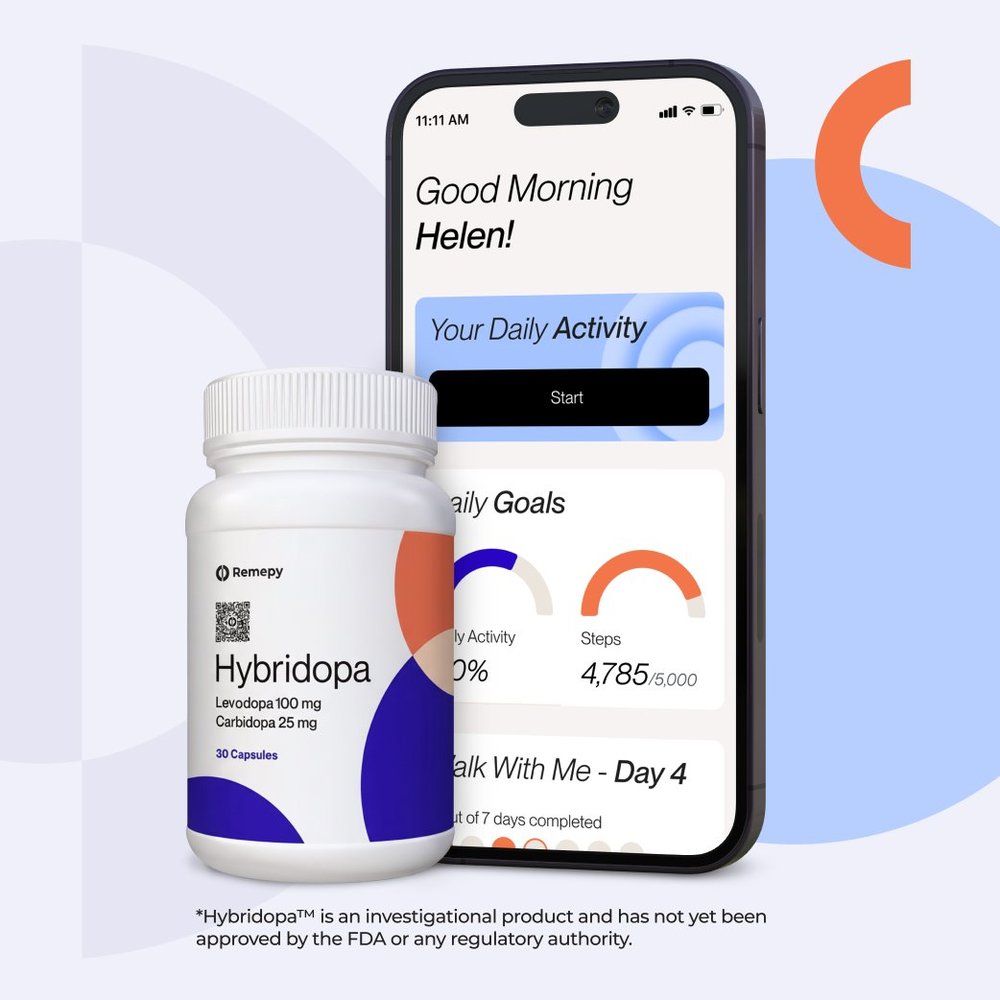
In Parkinson’s disease, Remepy’s investigational combination, dubbed Hybridopa, integrates the long-standing backbone of motor therapy, carbidopa-levodopa, with a dynamic, AI-powered digital protocol delivered through an app called DopApp. This protocol layers physiotherapy, speech therapy, and occupational exercises on top of the medication, continually adapting and re-tuning based on the patient’s evolving needs and responses.
The Phase IIa trial for Hybridopa, whose results were reported in May 2026 and published in Brain Communications, met its primary endpoint with compelling data. The three-week, double-blind study involved 41 patients who continued on their existing levodopa doses and were randomized to either the active DopApp or a placebo app. The group receiving the DopApp protocol demonstrated a mean improvement of 9.7 points on the Movement Disorder Society’s Unified Parkinson’s Disease Rating Scale (MDS-UPDRS), the globally recognized standard measure of Parkinson’s severity. This contrasted sharply with a mere 1.95-point improvement observed in the placebo group. Furthermore, an impressive 90% of treated patients achieved the clinically significant five-point response threshold.

Dr. Tsur contextualized these results by comparing them to the effect size of carbidopa-levodopa alone, which typically reduces the MDS-UPDRS by approximately eight to ten points. By adding an extra 9.7 points of improvement (compared to 1.95 for placebo), with a 90% response rate, the app component effectively "doubled the pill’s effect," according to her assessment. This suggests a profound synergistic benefit, indicating that the digital intervention is not merely supplementary but significantly potentiates the pharmaceutical agent.
Streamlining Fragmented Care and Empowering Physicians
Current Parkinson’s care guidelines already emphasize the crucial role of rehabilitative services, including physiotherapy, occupational therapy, and speech-language therapy. However, these vital disciplines are frequently organized as separate care pathways, leading to a fragmented patient experience and administrative burden for both patients and healthcare providers. Hybridopa represents a deliberate attempt to consolidate this multidisciplinary plan into a single, prescribable product.
In the conventional model, a neurologist might prescribe levodopa and then separately recommend various therapies that operate outside the drug workflow. Remepy’s vision is to collapse this often-disjointed care plan into one cohesive product. As Dr. Tsur explained, this approach simplifies physicians’ lives, allowing them to prescribe a single "hybrid drug" instead of managing multiple referrals and hoping for patient adherence to separate therapeutic recommendations. This streamlined approach promises not only enhanced patient outcomes but also improved clinical workflow efficiency.
Broader Implications and Future Outlook
The success of Remepy’s Phase IIa trial for Hybridopa carries profound implications for the future of medicine, extending far beyond Parkinson’s disease.

For Patients: The hybrid drug model promises a more holistic, personalized, and potentially more effective treatment experience. By integrating non-pharmacological interventions directly into the treatment protocol, patients could experience better symptom management, improved quality of life, and potentially a delay in disease progression. The app’s ability to track daily activity and symptoms also empowers patients with greater insight into their condition and encourages adherence to therapeutic routines.
For the Pharmaceutical Industry: Remepy’s approach could redefine drug development. It presents a new paradigm where the "drug" is no longer just a chemical compound but a comprehensive therapeutic system. This might encourage pharmaceutical companies to explore partnerships with digital health innovators or invest in developing their own integrated solutions. The economic model, leveraging existing pharma reimbursement pathways, could unlock significant market potential that standalone DTx struggled to access. It suggests a future where the "ceiling effect" of many drugs could be raised by intelligently pairing them with digital protocols.
For Digital Health: This development offers a crucial pathway for digital therapeutics to achieve commercial viability and widespread adoption. By being bundled with a pharmaceutical product, the digital component gains access to established reimbursement mechanisms and regulatory clarity that have historically eluded it. It validates the clinical utility of digital interventions when applied strategically and rigorously.
For Regulatory Bodies: The successful navigation of regulatory pathways like PDURS will set precedents for future combination products. It underscores the FDA’s adaptability in accommodating novel therapeutic designs that blend traditional and digital elements. This iterative process will likely refine guidelines for clinical trials and market authorization for such integrated solutions.
For Healthcare Systems: The consolidation of multidisciplinary care into a single prescribable unit could lead to greater efficiency, better resource allocation, and improved patient adherence. It moves towards a more integrated and patient-centric healthcare delivery model, potentially reducing the burden on fragmented specialty services.
Looking ahead, Remepy’s next steps will involve larger, pivotal Phase III trials to confirm the efficacy and safety of Hybridopa across a broader patient population and over a longer duration. The successful navigation of these trials and the eventual market approval could establish Hybridopa as a new standard of care for Parkinson’s disease, paving the way for similar hybrid drug innovations across a spectrum of chronic conditions. The "there’s an app for that" mantra, once a simple observation of technological convenience, is now poised to become a sophisticated reality in the complex world of medical treatment, driven by the synergistic power of AI and pharmacology.