

The Unapproved QUAD Cocktail: A Closer Look at its Composition
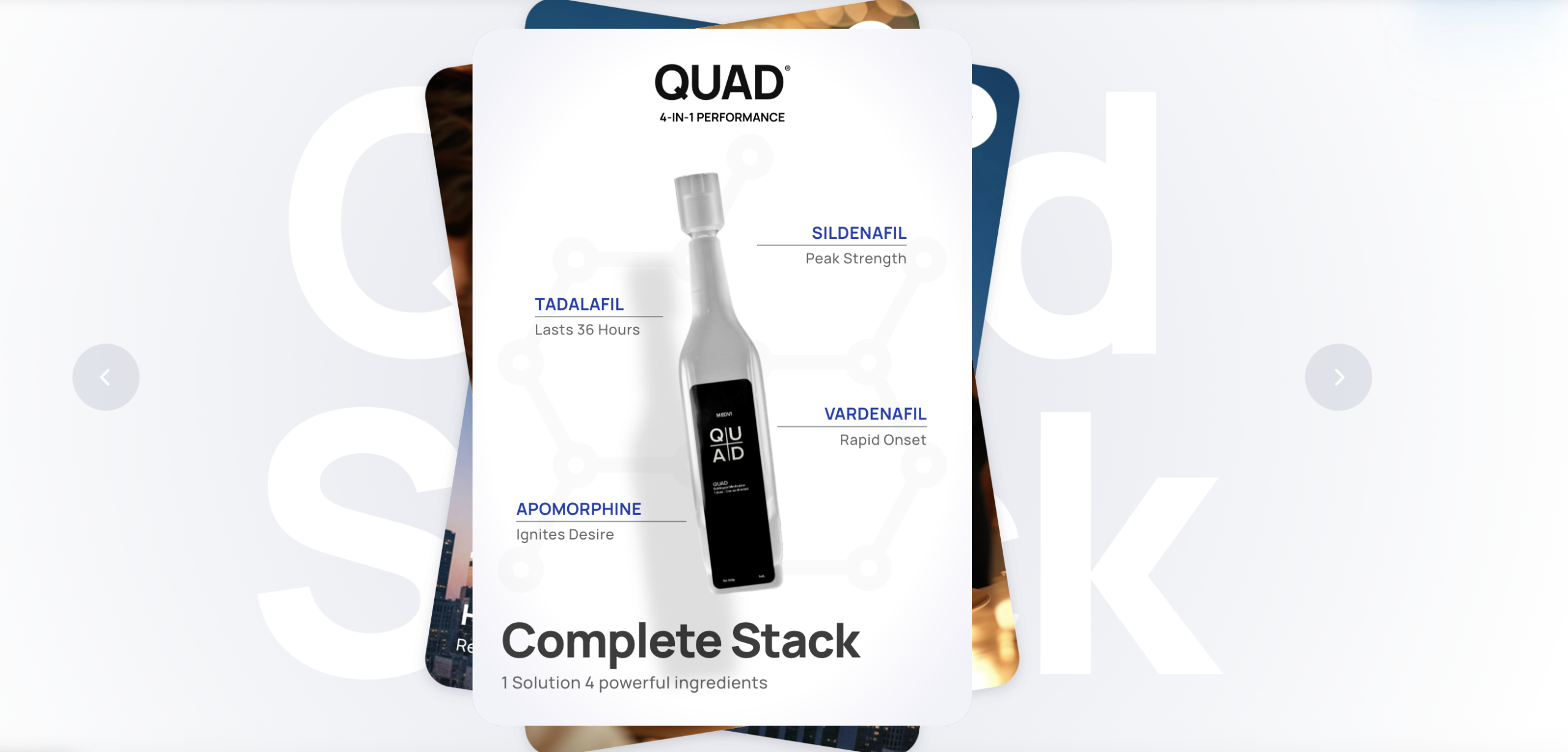
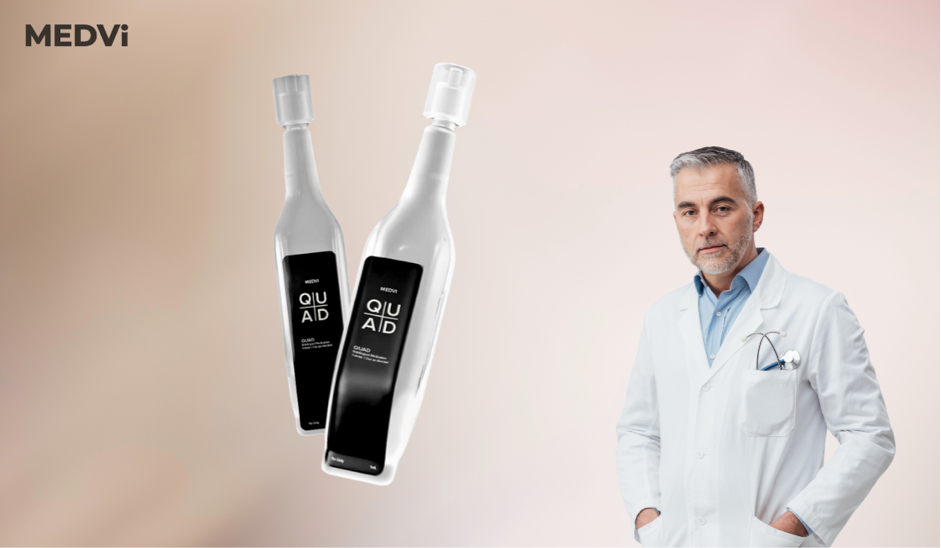
QUAD is a compounded sublingual dose product marketed by MEDVi for erectile dysfunction, uniquely combining three established PDE5 inhibitors—sildenafil, tadalafil, and vardenafil—with apomorphine. The very nature of compounded drugs means they bypass the rigorous premarket review process mandated by the U.S. Food and Drug Administration (FDA) for safety, effectiveness, and quality. This fundamental distinction is critical, as it means QUAD, as a combined formulation, has not undergone the comprehensive clinical trials typically required to demonstrate its safety and efficacy as a single product.
The inclusion of apomorphine is particularly contentious. While sildenafil (Viagra), tadalafil (Cialis), and vardenafil (Levitra) are all FDA-approved for erectile dysfunction, either as brand-name drugs or generics, apomorphine is not. In the United States, apomorphine’s only FDA-approved indication is for the treatment of "OFF episodes" or motor fluctuations in adults with advanced Parkinson’s disease. In veterinary medicine, it has a starkly different use: to induce vomiting in dogs. Its history as an ED treatment is equally fraught with regulatory challenges and efficacy concerns.
Apomorphine’s Checkered Past in Erectile Dysfunction
Apomorphine’s journey as a potential erectile dysfunction therapy has been marked by significant hurdles. In Europe, the drug was marketed for ED under the brand name Uprima, starting in May 2001. However, this authorization proved short-lived, expiring in May 2006 after its then-developer, Abbott Laboratories, opted not to renew it, citing commercial reasons. Clinical experience in Europe reflected these commercial decisions; a substantial UK study involving 11,185 patients revealed that a striking two-thirds of men discontinued its use because they perceived it to be ineffective. Nausea was also identified as a fairly common side effect, further contributing to patient dissatisfaction and discontinuation.
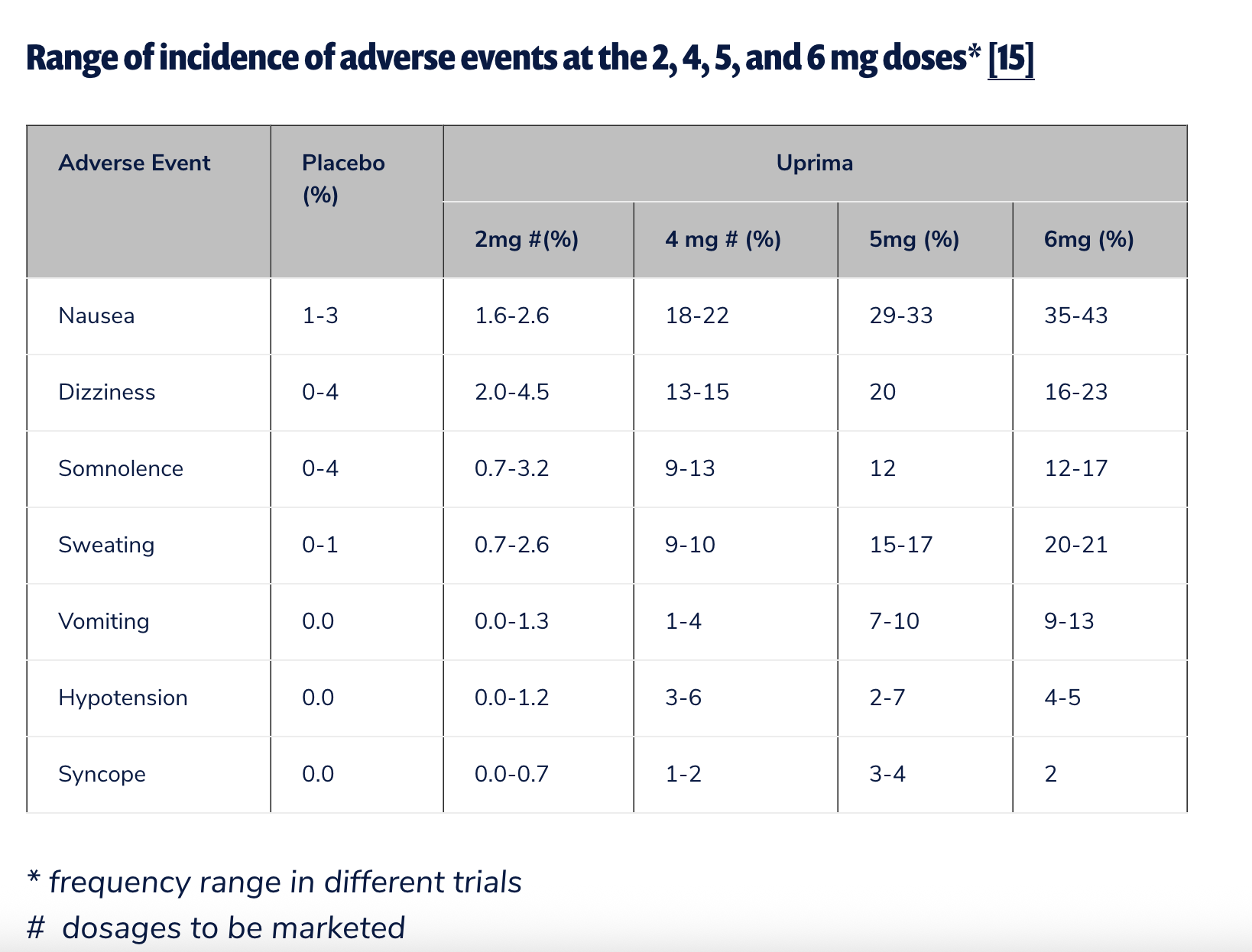
Across the Atlantic, apomorphine’s prospects for ED approval in the U.S. fared no better. In June 2000, a joint venture between Abbott and Takeda, TAP Pharmaceuticals, withdrew its application for FDA approval of sublingual apomorphine (Uprima) for ED. This withdrawal followed a critical advisory committee meeting where concerns were raised about significant risks, specifically hypotension (dangerously low blood pressure) and syncope (fainting). Adding to the regulatory pressure, Public Citizen’s Sidney Wolfe, M.D., penned a scathing letter to then-CDER director Janet Woodcock, M.D., vehemently urging the FDA to reject the drug outright. Dr. Wolfe issued a stark warning: "If the FDA approves this drug, it is certain that it will have to be banned within a short time after marketing begins because of the high probability of further occurrence of the serious injuries it has already been found to cause." This forceful intervention, backed by clinical trial data highlighting adverse event rates—where 4% to 5% of patients in the highest dose group experienced hypotension and 35% to 43% reported nausea—ultimately prevented FDA approval for apomorphine as an ED treatment in the U.S.
Despite this history, a 2020 systematic review and meta-analysis published in Archives of Sexual Behavior offered a somewhat more positive, albeit cautious, assessment. It concluded that sublingual apomorphine was "generally well tolerated" only at the lower 2 mg and 3 mg doses. The review acknowledged that discontinuation rates due to adverse events significantly increased at higher doses, reinforcing the drug’s narrow therapeutic window and dose-dependent side effect profile.
The Perils of Polydrug Combinations: Stacking PDE5 Inhibitors with Apomorphine
What further distinguishes MEDVi’s QUAD is not just the inclusion of apomorphine for an unapproved indication, but its combination with three potent PDE5 inhibitors in a single sublingual dose. The FDA has explicitly cautioned against combining PDE5 inhibitors. Labeling for sildenafil, for instance, clearly states that combinations of PDE5 inhibitors "have not been studied" and "may further lower blood pressure," concluding unequivocally that "the use of such combinations is not recommended."
PDE5 inhibitors, widely recognized by their brand names Viagra, Cialis, and Levitra, are known to carry risks, including the potential for dangerous hypotension in some patients, though rarely. They are strictly contraindicated with nitrates and necessitate warnings and interaction cautions with alpha-blockers and certain blood pressure medications due to their vasodilatory effects. Introducing apomorphine, a drug previously flagged for hypotension risks, into this cocktail amplifies these concerns significantly.
Professional drug-interaction databases, routinely used by U.S. pharmacies and electronic health records, underscore the severity of these risks. Drugs.com, for example, classifies the combination of tadalafil and apomorphine as a "Major" interaction—its highest tier of warning. This classification signals additive blood-pressure lowering effects, with a heightened risk of dizziness, fainting, and changes in heart rate. The same databases flag hypotension (resting blood pressure below 90/50) as a "Major" disease contraindication for tadalafil. Furthermore, these systems trigger therapeutic-duplication warnings when more than one erectile-dysfunction agent is prescribed concurrently, typically recommending a maximum of one such agent. QUAD, as its name suggests, bundles four active ingredients, directly contradicting established safety guidelines and pharmaceutical best practices.
MEDVi’s Marketing and Onboarding: Red Flags and Questionable Claims
MEDVi’s marketing strategy for QUAD is characterized by bold claims and potentially misleading information. Its website for QUAD promises to "[hit] your system in 10 minutes" and offers a "36-hour response window," while directly comparing QUAD by name to Viagra, Cialis, and Levitra in head-to-head bar charts. An affiliate marketing page describes QUAD as a "Complete Stack" designed for men who have already tried traditional ED therapies individually and "want something different." Crucially, this same page admits that "the combined formulation is not evaluated as a single product and is not FDA-approved as a single product"—a critical disclosure often buried amidst marketing hype.
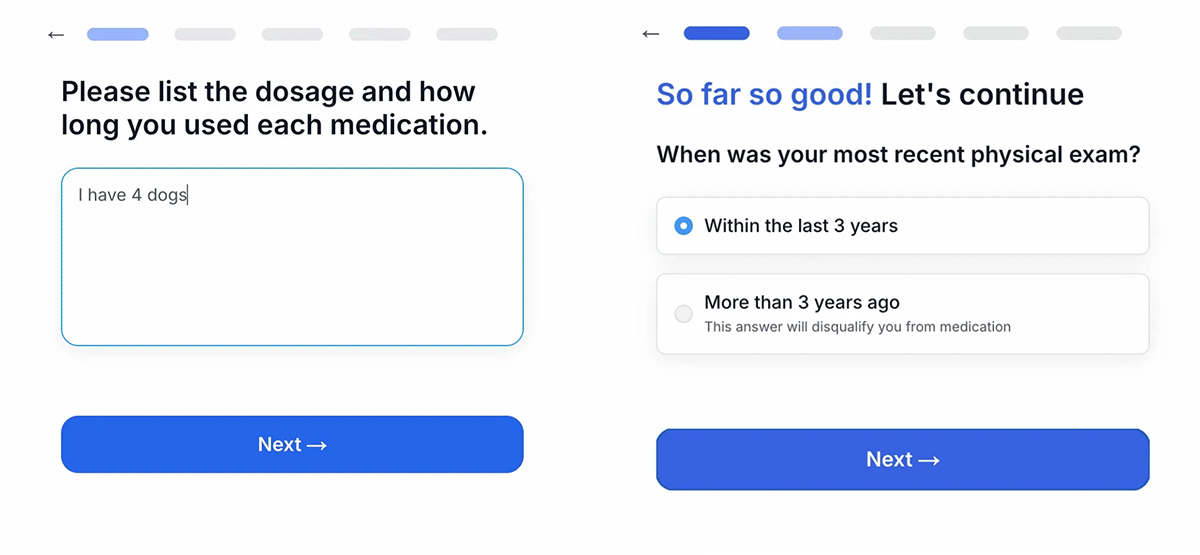
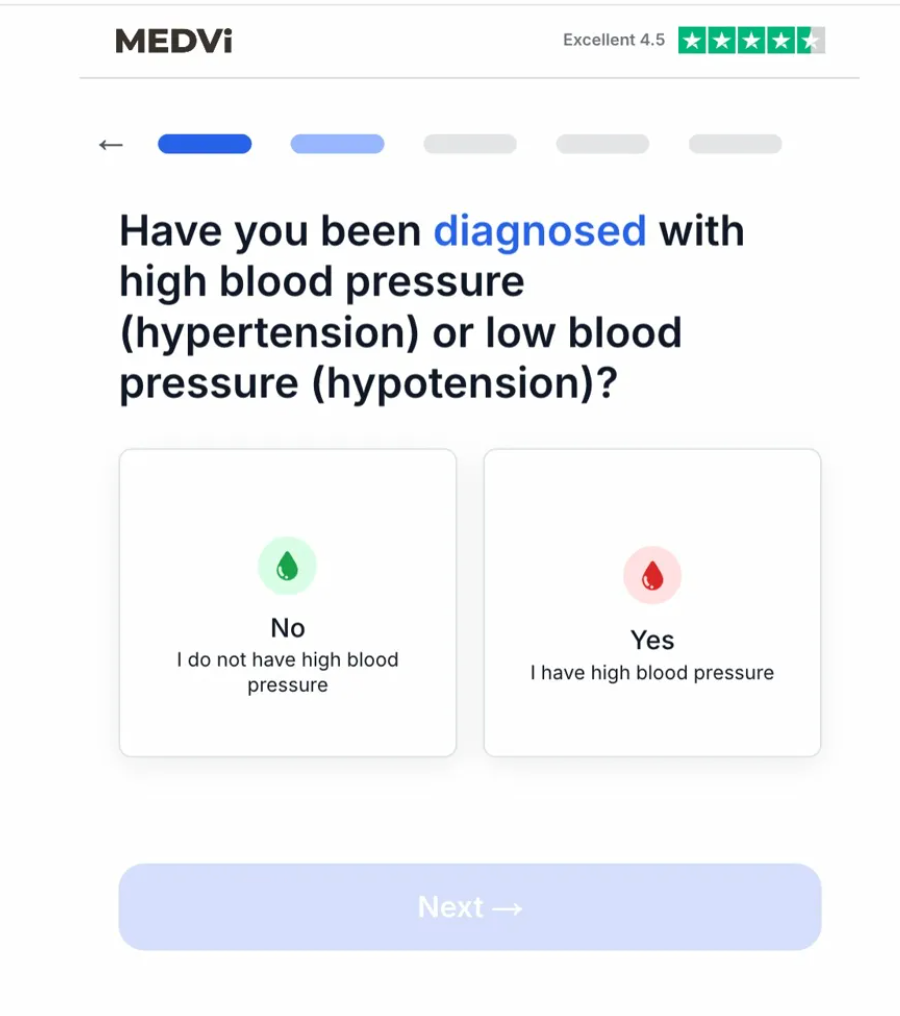
Concerns about MEDVi’s operational integrity extend to its patient onboarding process. Test runs conducted on April 7, 2026, by Drug Discovery & Development revealed significant flaws in the eligibility screening for QUAD. For instance, the intake questionnaire asked users if they had been "diagnosed with high blood pressure (hypertension) or low blood pressure (hypotension)," but then offered only two answer cards, both referring to high blood pressure. Hypotension, explicitly mentioned in the question and a critical contraindication for these drugs, had no corresponding answer option. In these tests, selecting "Yes, I have high blood pressure" correctly halted the intake process, stating "Based on your last answer, we cannot complete your assessment." However, the flawed design meant that the system’s gating logic could only fire on hypertension, completely failing to address the explicit risk of hypotension.
Another concerning element observed during these test runs was the "Your Medical Review" screen, which displayed a "Success Probability" of 94% for users not screened out from QUAD. This exact 94% figure has been frequently observed in MEDVi’s GLP-1 weight-loss intake process, as documented in a screen recording filed as an exhibit in Day v. OpenLoop Health, a federal class action lawsuit pending in Delaware (where MEDVi is mentioned but not a defendant). Across multiple QUAD intake test runs with varied answer combinations, the 94% figure remained constant, raising questions about its basis and whether it constitutes a genuine, individualized assessment or a generalized, potentially misleading statistic.
The Regulatory Landscape and Official Silence
The FDA’s regulatory stance on compounded drugs is complex and continually evolving. In response to inquiries about QUAD, an HHS public affairs spokesperson stated that "the FDA generally does not discuss compliance matters except with the company involved" and that "when violations occur, the agency takes action as appropriate." The spokesperson referred Drug Discovery & Development to an April 1, 2026 FDA statement titled "FDA clarifies policies for compounders as national GLP-1 supply begins to stabilize."
This guidance document, published just a week prior to the Drug Discovery & Development article’s testing, outlines the FDA’s intent to consider a compounded drug product "essentially a copy of a commercially available drug product" when it "contains the same APIs as two or more commercially available drug products in the same, similar or easily substitutable strength." An exception is made for cases where a prescriber documents a "significant clinical difference" for an identified individual patient. Given that sildenafil, tadalafil, and vardenafil—three of QUAD’s four active ingredients—are all commercially available in the U.S. as FDA-approved brand names and generics, QUAD likely falls under the "essentially a copy" definition.
The guidance further specifies that the FDA generally does not intend to take action against compounders making "essentially-a-copy" products if they fill "four or fewer prescriptions of that compounded drug product during a calendar month." This threshold is designed to accommodate individualized compounding by local pharmacies for specific patient needs, such as an allergy to a commercial product’s dye or the need for a liquid formulation. MEDVi, operating on a large scale, appears to far exceed this modest threshold, potentially placing its QUAD product in a precarious regulatory position, even if the April 1 FDA document does not explicitly address the compounding of drugs for off-label uses.
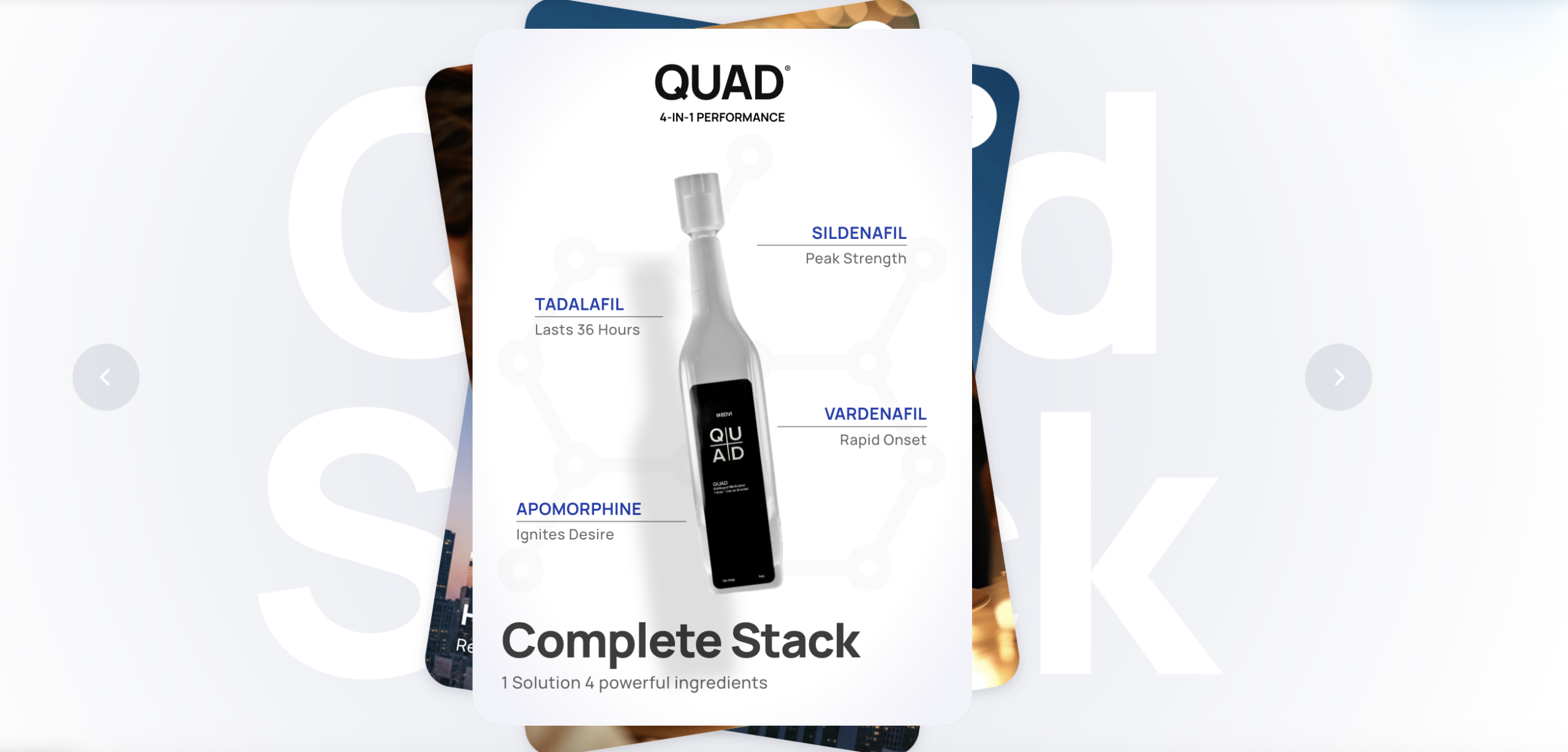
An affiliate marketing page, posted April 4, 2026, and updated April 6, 2026, on MedicalFoundationofNC.org, attempts to navigate this regulatory quagmire. It asserts that "the FDA warning letter and the GLP-1 regulatory crackdown are about a different product line" and that the February 2026 warning letter "did not reference MEDVi’s QUAD ED product line." While technically true that the specific warning letter did not name QUAD, this attempt to compartmentalize regulatory scrutiny overlooks the broader pattern of non-compliance and raises questions about the affiliate’s efforts to mitigate negative perceptions. The page, however, does advise readers to "ask hard questions before enrolling," discloses that it may earn affiliate commissions, clarifies it is "not medical advice," and explicitly states that MedicalFoundationofNC.org is "not a medical practice, pharmacy, or licensed healthcare provider" and is "not affiliated with The Medical Foundation of North Carolina, Inc., UNC Health Foundation, UNC Health Care, the UNC School of Medicine, or the University of North Carolina at Chapel Hill." This string of disclaimers highlights the complex and often opaque nature of online health product marketing.
As of the time of this report, MEDVi and OpenLoop Health had not immediately responded to requests for comment from Drug Discovery & Development. Nicholas Chimicles, lead counsel for the plaintiffs in Day v. OpenLoop Health, declined to comment further on the ongoing litigation but acknowledged awareness of the recent New York Times profile of MEDVi.
Broader Implications: Patient Safety and the Future of Telehealth Compounding
The controversies surrounding MEDVi’s QUAD product underscore critical challenges in the rapidly expanding landscape of telehealth and compounding pharmacies. The aggregation of three PDE5 inhibitors with apomorphine, a drug with a history of safety concerns and non-approval for ED, into a single compounded formulation, presents a significant and unquantified risk to patient health. The lack of FDA premarket review for such combinations means that the synergistic effects, potential drug-drug interactions, and overall safety profile of QUAD remain largely unknown and unvalidated by rigorous scientific inquiry.
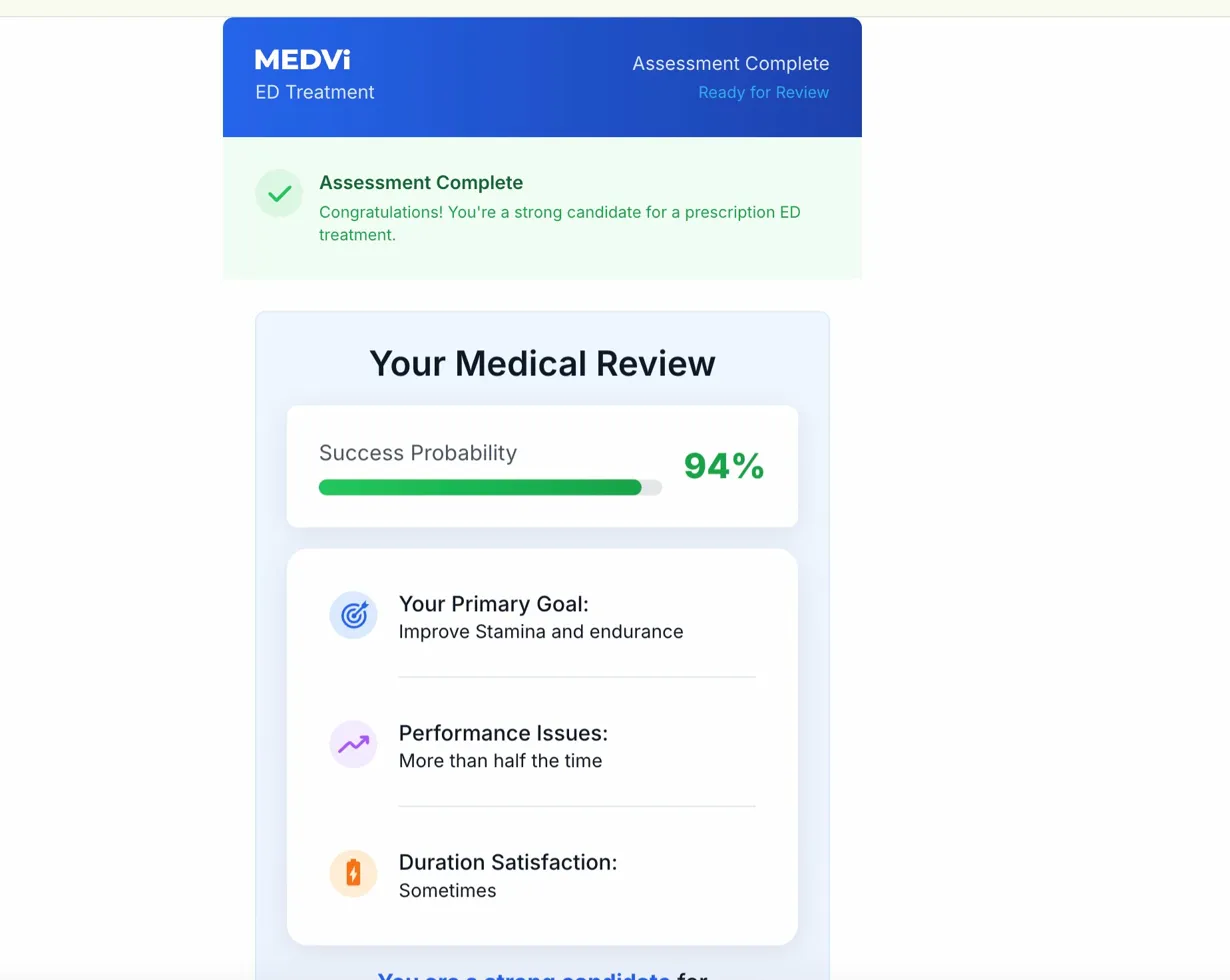
The observed flaws in MEDVi’s patient onboarding process, particularly the failure to adequately screen for a critical contraindication like hypotension, coupled with the standardized and potentially misleading "94% success probability" claim, raise serious ethical concerns about informed consent and patient suitability for treatment. For individuals with underlying cardiovascular conditions, the combined hypotensive effects of QUAD could lead to severe adverse events, including cardiac incidents, syncope, and dangerous drops in blood pressure.
This situation also highlights the ongoing tension between personalized medicine via compounding and the large-scale commercialization of compounded products through telehealth platforms. While compounding serves a vital role for individual patient needs, companies that operate at a national scale, effectively mass-producing "essentially-a-copy" drugs or formulations with unapproved ingredients, challenge the spirit and letter of existing pharmaceutical regulations. The MEDVi case, encompassing its GLP-1 controversies, legal battles, marketing tactics, and now the QUAD product, serves as a stark reminder of the urgent need for enhanced regulatory oversight, greater transparency from health tech companies, and a renewed focus on patient safety in the digital health era. As the line between innovation and exploitation blurs, the implications for public health and the credibility of the healthcare system become increasingly profound.















Leave a Reply