


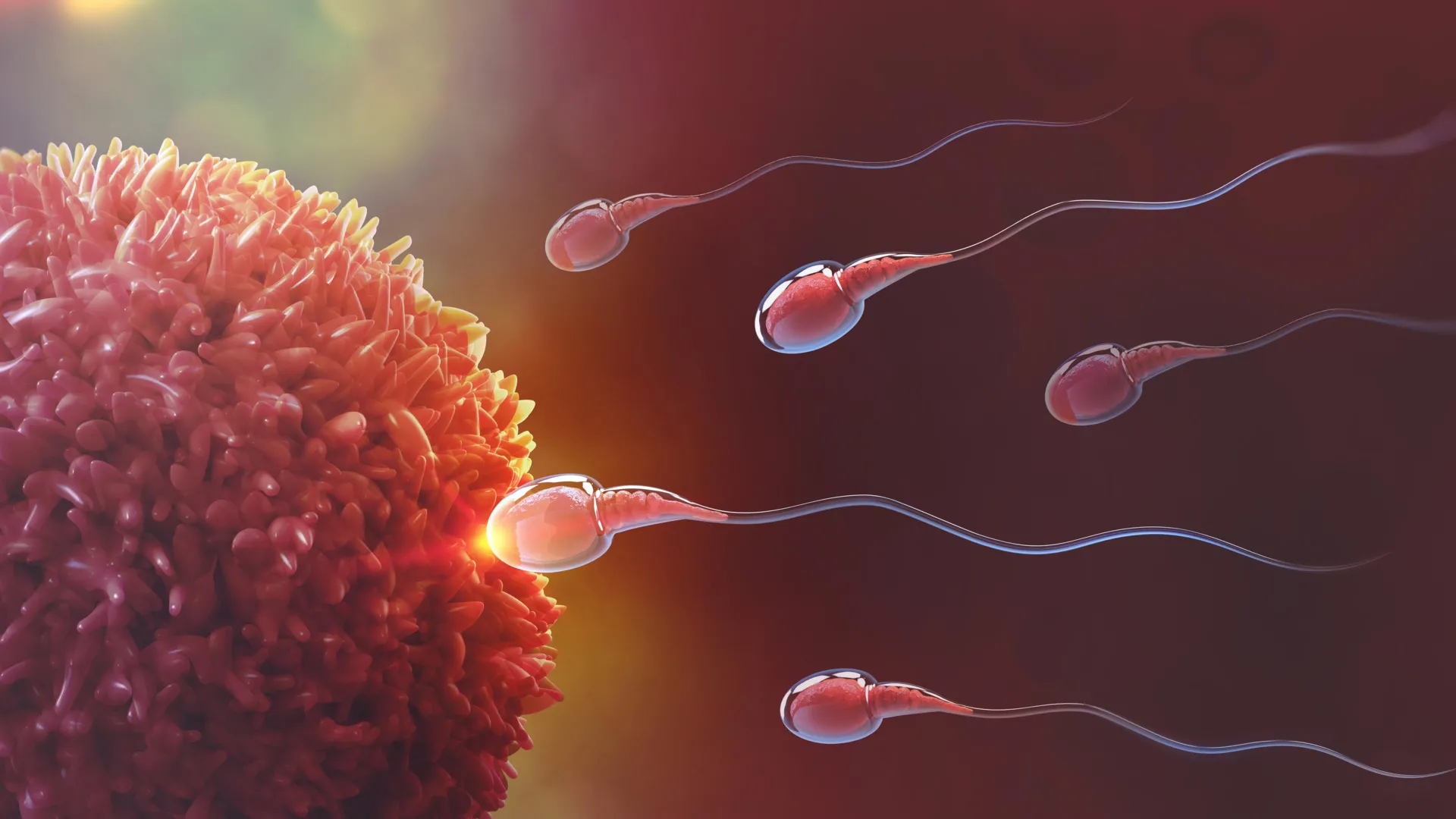
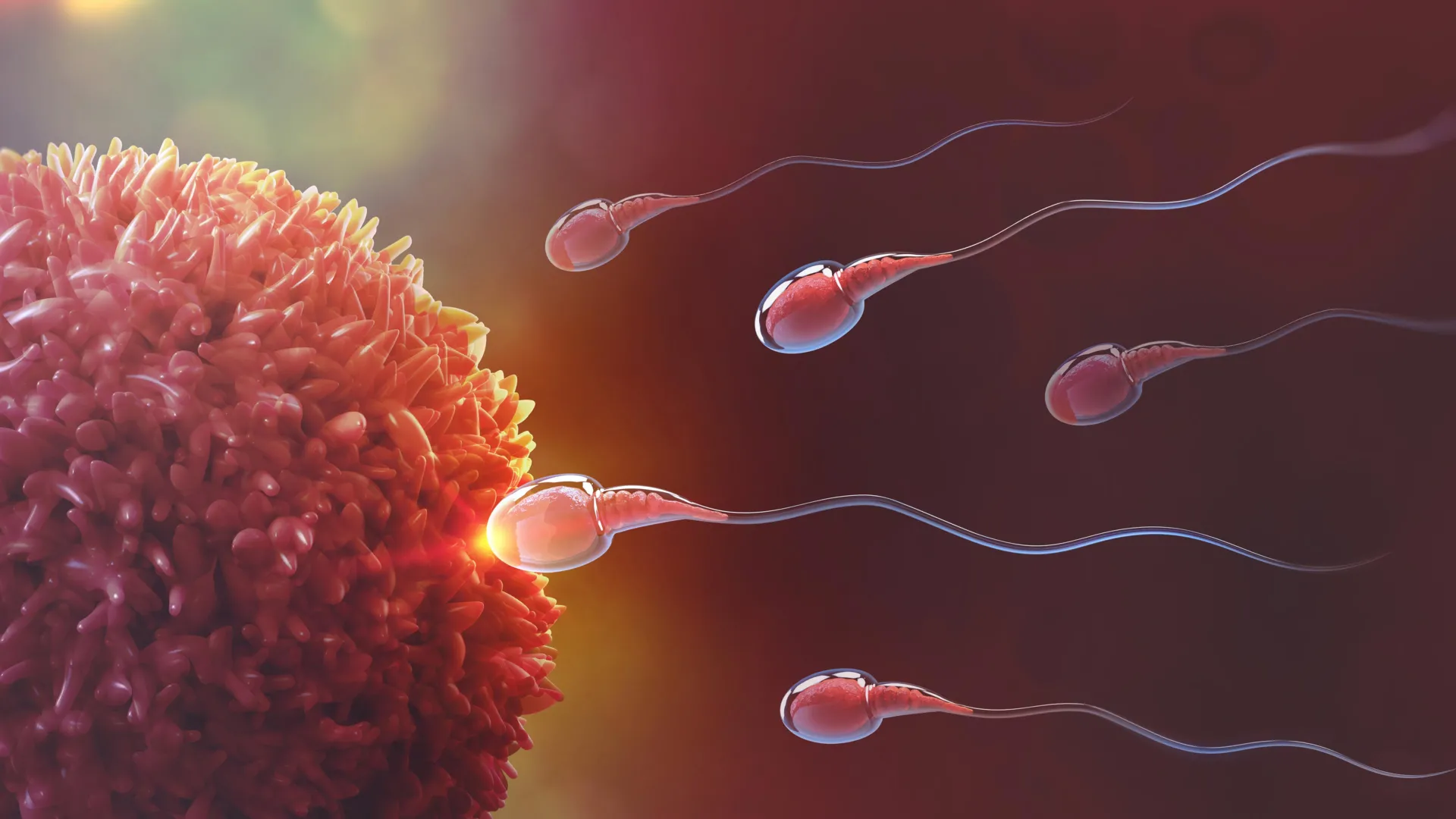
The field of reproductive medicine has reached a significant milestone as researchers at the University of Illinois Urbana-Champaign have documented a transformative approach to in vitro fertilization (IVF). By utilizing specific complex sugars known as glycans, the research team has successfully mimicked the protective environment of the female reproductive tract, effectively extending the lifespan of sperm cells and stabilizing the fertilization process. This discovery addresses one of the most persistent challenges in assisted reproductive technology: the rapid degradation of sperm viability once removed from the natural biological environment. The study, published in the journal Scientific Reports, offers a promising path toward increasing the efficiency of IVF in both human medicine and global animal agriculture.
In vitro fertilization has long been a cornerstone of modern reproductive science, yet it remains a process fraught with variables that can lead to failure. Since the birth of the first "test-tube baby" in 1978, clinicians have sought ways to better replicate the conditions of the human body within a laboratory setting. While much focus has historically been placed on egg quality and uterine receptivity, the role of the fallopian tube—or the oviduct in non-human mammals—as a reservoir for sperm has been difficult to replicate. The University of Illinois study suggests that the key to bridging this gap lies in the molecular interaction between sperm and the glycans that line the oviduct.
The Biological Inspiration: The Oviduct as a Natural Reservoir
In natural conception, the fallopian tube serves as much more than a simple conduit for gametes. It is a highly specialized environment designed to maintain sperm in a fertile state for several days. This allows for a "fertile window" that ensures sperm are present and active when ovulation occurs. David Miller, a professor in the Department of Animal Sciences and the senior author of the study, noted that the oviduct’s ability to lengthen sperm lifespan has been a missing component in traditional IVF protocols.
In 2020, Miller’s research team made a foundational discovery: complex sugars called glycans are the primary components of the oviduct responsible for binding and storing sperm. These glycans essentially "tether" the sperm to the oviductal wall, keeping them alive and preventing them from undergoing premature capacitation—the final maturation step required for fertilization. Without this binding, sperm in a laboratory setting often exhaust their energy reserves or lose viability before they can successfully penetrate an egg.
The Selection of suLeX and Experimental Methodology
Building upon the 2020 discovery, Miller’s group collaborated with chemists to screen hundreds of different oviduct glycans. The goal was to identify a specific compound that demonstrated the highest affinity for binding sperm. Through rigorous testing, the researchers settled on a trisaccharide known as sulfated Lewis X, or suLeX.
The experimental phase utilized pig sperm as the primary model. Pigs were chosen for several strategic reasons. First, the porcine reproductive system shares significant similarities with the human system, making it an excellent proof of concept for future human clinical trials. Second, the agricultural industry is heavily reliant on IVF and artificial insemination, and improvements in these areas have direct implications for global food security and economic efficiency.
The methodology involved attaching suLeX to the bottom of glass culture dishes, creating a "bio-mimetic" surface. Sperm were then introduced to these dishes and given 30 minutes to adhere to the glycan compounds. To test the longevity and effectiveness of this system, the researchers introduced eggs at four different intervals: 0, 6, 12, and 24 hours after the sperm had been bound. This chronological approach allowed the team to measure how well the suLeX-bound sperm maintained their fertilization potential over time compared to standard laboratory methods.
Statistical Breakdown and Comparative Success Rates
The data harvested from the study revealed a clear and statistically significant advantage for the suLeX-treated groups. At the initial 0-hour mark, the IVF efficiency—defined as the ratio of successfully fertilized zygotes to the total number of eggs—was 53% for the sperm attached to suLeX. In contrast, the control group, which utilized standard culture dishes without oviduct compounds, showed an efficiency rate of only 36%. Two other alternative "control" compounds were also tested, both yielding success rates of approximately 40%.
The most striking results appeared as the time delays increased. In any IVF environment, fertilization rates naturally decline as gametes age. However, the suLeX group showed remarkable resilience. In the control group with no glycans, the fertilization rate plummeted to a mere 1% at the 24-hour mark, indicating that nearly all sperm had lost their viability or functional capacity. Conversely, the suLeX-bound sperm maintained a 12% fertilization rate after 24 hours. While a 12% rate may seem modest in isolation, it represents a twelve-fold increase in success over the control group, demonstrating a significant extension of the fertile window.
Addressing the Challenge of Polyspermy
Beyond simply extending the life of the sperm, the suLeX-based system addressed a critical technical hurdle in animal IVF: polyspermy. Polyspermy occurs when multiple sperm fertilize a single egg, a condition that leads to inviable embryos and is a major cause of failure in porcine IVF.
In standard IVF, eggs are often inundated with a high concentration of free-swimming sperm to ensure that at least one makes contact. Because the Illinois team’s setup allowed sperm to bind securely to the suLeX droplets on the dish, the researchers were able to wash away the excess, free-swimming sperm before introducing the eggs.
"Because the sperm were bound securely to the glycan compound, we could reduce the overall number of sperm, which meant fewer cases where more than one sperm fertilized the eggs," Professor Miller explained. This refinement not only increases the number of viable embryos produced but also optimizes the use of high-value sperm samples, which is a significant factor in both human fertility treatments and livestock breeding.
Implications for Global Agriculture and Food Production
The economic implications of this research are particularly profound for the dairy and meat industries. Animal agriculture increasingly relies on IVF to propagate high-genetic-merit livestock. For example, dairy cattle that are genetically predisposed to produce milk more efficiently or meat-producing animals with better growth rates are often the result of carefully managed IVF programs.
"There are companies, especially related to dairy cattle, that use IVF to produce and sell high-genetic-merit embryos that, after they are delivered, will produce milk more efficiently," Miller stated. By improving the success rate of these IVF cycles and reducing the waste associated with inviable embryos, this technology could lower the cost of production and contribute to more sustainable farming practices. As the global population continues to grow, the ability to produce protein more efficiently is a critical component of international food security.
Human Fertility and the "Timing Mismatch"
While the current study focused on porcine models, the ultimate goal is the translation of these findings to human medicine. One of the most stressful aspects of human IVF is the precise timing required for egg harvesting and fertilization. Both eggs and sperm must undergo specific maturation phases to be ready for fertilization.
In humans, there is significant variability in the time it takes for sperm to complete "capacitation." If the eggs are harvested but the sperm are not yet ready—or if the sperm lose viability before the eggs reach the ideal maturation stage—the IVF cycle may fail. This "timing mismatch" often requires patients to undergo multiple expensive and emotionally taxing cycles.
Miller noted that while the specific glycans that bind human sperm have not yet been fully identified, the suLeX study provides the roadmap for finding them. Once identified, glycan-augmented IVF could provide a "buffer" for clinicians, allowing sperm to remain viable and "on standby" within the culture dish until the eggs are at their peak readiness. This would effectively widen the fertile window and potentially increase the overall success rates of human IVF treatments, which currently average between 20% and 35% per cycle depending on age and other factors.
Chronology of the Research and Future Directions
The journey toward this breakthrough has been a multi-year endeavor.
- 2020: The Illinois team identifies glycans as the key binding agents in the oviduct.
- 2021-2023: Collaborative efforts between animal scientists and chemists lead to the screening of hundreds of glycan variants and the selection of suLeX.
- 2024: Experimental trials demonstrate the efficacy of suLeX in extending pig sperm viability and reducing polyspermy.
- 2025: Publication of the findings in Scientific Reports, marking the transition from experimental concept to a validated model for reproductive science.
The research was supported by the Eunice Kennedy Shriver National Institute of Child Health and Human Development, a testament to the study’s relevance to human health. Moving forward, the team intends to conduct further testing to verify if these results can be replicated with human gametes and to identify the specific human-equivalent glycans.
Professor Miller, who is also affiliated with the Carl R. Woese Institute for Genomic Biology, emphasizes that while there is more work to be done, the foundational science is now in place. The ability to recreate the protective "reservoir" of the fallopian tube in a laboratory setting represents a paradigm shift in how scientists approach the "in vitro" part of fertilization. By looking to the natural wisdom of the body’s own chemistry, researchers are finally solving the problems of timing and viability that have challenged the field for decades.












Leave a Reply