The success of in vitro fertilization (IVF) has long been a delicate balance of timing, environmental control, and biological viability. While the technology has advanced significantly since the birth of the first "test-tube baby" in 1978, one of the most persistent hurdles remains the fragility of sperm once removed from the natural reproductive tract. A groundbreaking study from the University of Illinois Urbana-Champaign has introduced a novel method to address this variability by mimicking the protective environment of the female reproductive system. By utilizing specific complex sugars known as glycans, researchers have documented a way to select viable sperm and significantly prolong their lifespan in a laboratory setting, potentially revolutionizing reproductive medicine for both livestock and humans.
The research, led by David Miller, a professor in the Department of Animal Sciences at the University of Illinois, focuses on the unique properties of the fallopian tube, or oviduct. In nature, the oviduct acts as a reservoir, capable of binding and storing sperm for several days, maintaining their health until an egg is ready for fertilization. This natural "holding pattern" is a biological feat that traditional IVF protocols have historically failed to replicate. The new study, published in the journal Scientific Reports, demonstrates that by coating laboratory surfaces with specific glycans, scientists can recreate this storage mechanism, providing a more stable and efficient window for fertilization.
The Biological Blueprint: Decoding the Oviduct’s Secret
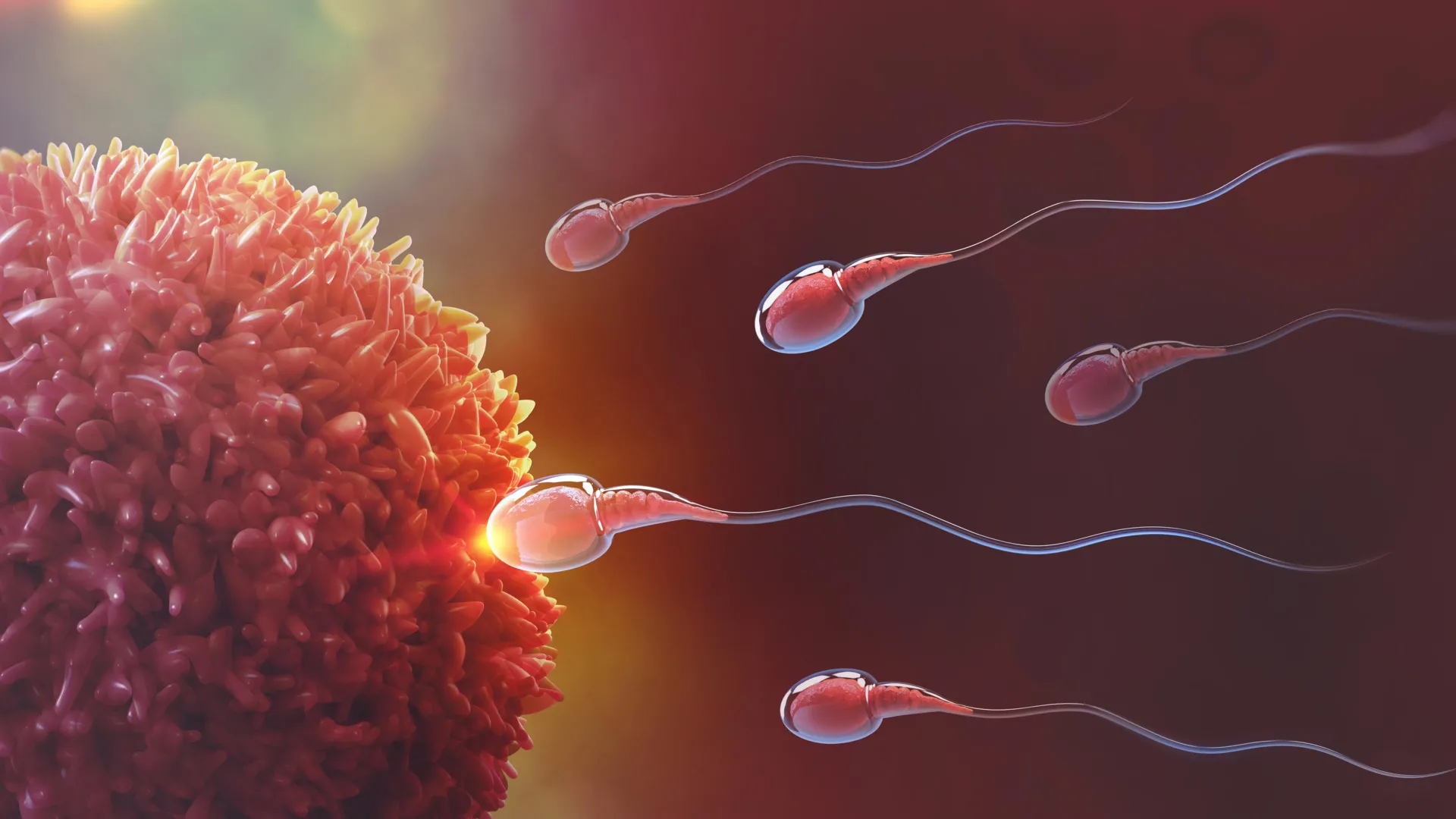
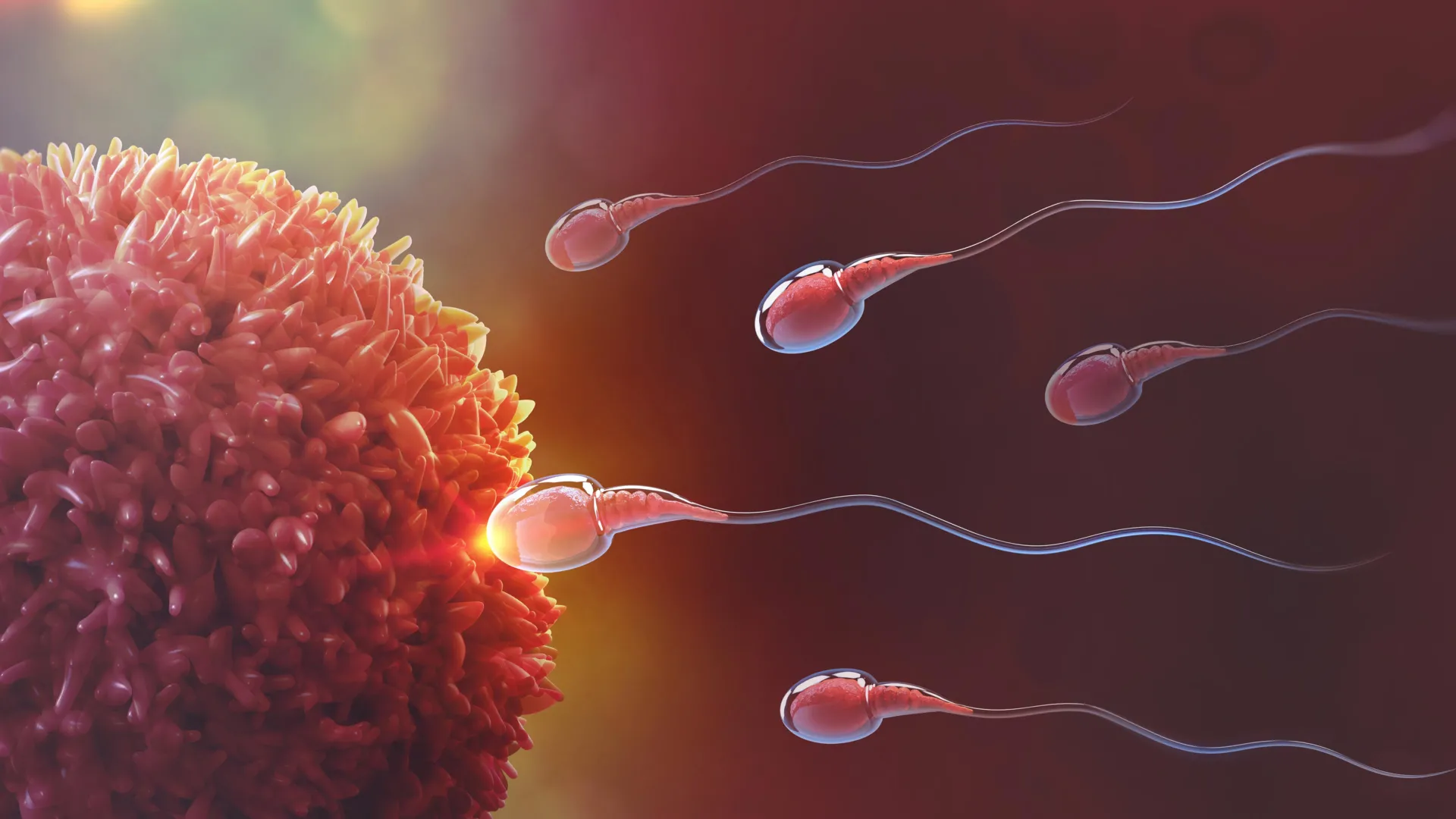
The foundation of this discovery lies in a 2020 breakthrough by Miller’s team, which identified that the oviduct’s ability to sustain sperm is tied to glycans. These complex carbohydrates are present on the surface of the oviduct’s epithelial cells. When sperm enter the fallopian tube, they bind to these glycans, which effectively "pauses" their progression and protects them from degradation. This interaction ensures that a population of healthy sperm is available exactly when ovulation occurs.
To translate this natural phenomenon into a clinical application, Miller’s group collaborated with specialized chemists to screen hundreds of different oviduct glycans. The goal was to identify a specific compound that exhibited the strongest binding affinity for sperm. After extensive testing, the team settled on a trisaccharide known as sulfated Lewis X, or suLeX. This molecule proved to be the most effective at anchoring sperm to a surface without compromising their integrity or their ability to eventually fertilize an egg.
The choice of pig sperm for the primary phase of this study was strategic. While the ultimate goal includes human application, the porcine model serves as a rigorous proof of concept. In the agricultural sector, particularly in pig farming, IVF is a critical tool for genetic improvement. However, pig IVF is plagued by a condition known as polyspermy—where multiple sperm penetrate a single egg. This leads to chromosomal abnormalities and inviable embryos. The researchers hypothesized that by using suLeX to bind sperm, they could control the release of sperm and reduce the concentration of free-swimming cells, thereby mitigating the risk of polyspermy.
Experimental Chronology and Methodology
The study was designed to measure how suLeX influenced sperm performance over time, comparing it against several control groups. The researchers utilized culture dishes where the bottom surfaces were treated with suLeX droplets. The experimental process followed a precise timeline:
- Adhesion Phase: Sperm were introduced to the glycan-treated dishes and given exactly 30 minutes to adhere to the suLeX compounds.
- Selection Phase: After the 30-minute window, the dishes were washed to remove any free-swimming sperm that had not bound to the glycans. This ensured that only the sperm with the specific affinity for the oviduct-mimicking sugar remained in the system.
- Introduction of Eggs: To test the longevity of the bound sperm, researchers introduced eggs at four distinct intervals: 0 hours, 6 hours, 12 hours, and 24 hours after the initial sperm binding.
- Observation: The researchers then monitored the fertilization rates, looking for the formation of zygotes as the primary indicator of success.
By staggering the introduction of eggs, the team could simulate the "timing mismatch" that often occurs in IVF, where sperm may lose viability before the harvested eggs have reached the optimal stage of maturation.
Quantitative Performance and Data Analysis
The results of the study provided clear evidence that the glycan-based system outperformed traditional methods. At the 0-hour mark—representing immediate fertilization—the IVF efficiency (the ratio of fertilized zygotes to the total number of eggs) was significantly higher in the suLeX group. Specifically, the suLeX-treated dishes achieved a 53% fertilization rate. In contrast, the control group, which used standard culture dishes without any oviduct compounds, achieved only 36%. Two other "control" compounds tested by the team yielded rates of approximately 40% each.
The most striking data emerged from the delayed time points. In traditional IVF setups, sperm viability drops precipitously over time. In the control group with no glycans, the fertilization rate plummeted to a mere 1% after 24 hours. However, the sperm bound to suLeX maintained a much higher level of functionality. After 24 hours, 12% of the eggs in the suLeX group were successfully fertilized. While 12% may seem modest, it represents a twelvefold increase in success over the control group at the 24-hour mark, demonstrating a substantial extension of the fertile window.
Furthermore, the suLeX system addressed the issue of polyspermy. Because the researchers could wash away the excess, unbound sperm, the eggs were exposed to a more controlled and stable population of sperm cells. This resulted in fewer instances of multiple sperm entering a single egg, which is a major breakthrough for the efficiency of porcine embryo production.
Agricultural Implications and Economic Impact
The immediate beneficiaries of this technology are likely to be found in the livestock industry. Animal agriculture, particularly dairy and swine production, relies heavily on advanced reproductive technologies to improve herd genetics and food production efficiency.
"There are companies, especially related to dairy cattle, that use IVF to produce and sell high-genetic-merit embryos," David Miller noted. These embryos are selected for traits such as higher milk yield, better disease resistance, or improved feed efficiency. By increasing the success rate of IVF and reducing the number of wasted embryos due to polyspermy or poor sperm viability, this glycan-based technology could lower the costs of high-quality livestock production.
In the context of global food security, the ability to produce meat and milk more efficiently is a critical objective. As the global population grows, the demand for animal protein increases, placing pressure on resources. Enhancing the "yield" of the IVF process in agriculture ensures that the best genetic traits are propagated more reliably, leading to more sustainable farming practices.
The Future of Human IVF: Bridging the Gap
While the current study utilized a porcine model, the implications for human reproductive medicine are profound. Human IVF is a high-stakes, emotionally charged, and expensive process. One of the primary causes of IVF failure in humans is the "timing mismatch" between the male and female gametes.
In a clinical setting, eggs are harvested from the ovaries after a course of hormonal stimulation. However, not all eggs reach the same stage of maturation at the same time. Similarly, sperm must undergo a process called "capacitation"—a final maturation step that allows them to penetrate the egg. The timing of these two events is often out of sync. If sperm lose their viability before the eggs are ready, the cycle may fail.
The use of glycans in human IVF could provide a "buffer zone." By binding human sperm to glycans that mimic the human fallopian tube, clinicians could potentially keep the sperm in a healthy, viable state for a longer period within the lab. This would broaden the window for successful fertilization and allow for more flexibility in the timing of egg maturation and fertilization.
However, a significant hurdle remains: the specific glycans that bind human sperm have not yet been definitively identified. Human reproductive biology is distinct from that of pigs, and while suLeX was effective for boar sperm, the human equivalent may be a different carbohydrate structure. Miller’s team is now focused on identifying these human-specific glycans to transition this technology into the realm of human fertility clinics.
Professional Perspectives and Collaborative Efforts
The success of this research is attributed to its multidisciplinary approach. The study involved a collaboration between animal scientists at the University of Illinois and chemists specialized in glycan synthesis, including Nicolai Bovin and other experts. This synergy allowed the team to move from basic biological observations of the oviduct to the practical engineering of a laboratory tool.
Funding for the study was provided by the Eunice Kennedy Shriver National Institute of Child Health and Human Development, a branch of the National Institutes of Health (NIH). This federal support underscores the perceived importance of the research in addressing broader issues of reproductive health and developmental biology.
Dr. Miller, who is also affiliated with the Carl R. Woese Institute for Genomic Biology at the University of Illinois, emphasized that while the results are promising, further testing is required. The transition from a laboratory dish to a clinical environment involves rigorous validation to ensure that the use of glycans does not have any long-term effects on embryo development or offspring health.
Conclusion: A New Standard for Reproductive Technology
The study titled "Porcine sperm bind to an oviduct glycan coupled to glass surfaces as a model of sperm interaction with the oviduct" marks a significant shift in how scientists approach the "in vitro" environment. By acknowledging that the laboratory dish is a poor substitute for the complex biochemistry of the female body, researchers are now looking to nature to improve medical outcomes.
The introduction of suLeX and other glycans into IVF protocols offers a three-fold advantage: increased fertilization efficiency, extended sperm longevity, and better control over the fertilization process to prevent inviable embryos. As the agricultural industry begins to look at the potential for more efficient meat and milk production through this technology, the medical community waits for the identification of human glycans that could offer the same hope to millions of people struggling with infertility.
The research at the University of Illinois Urbana-Champaign suggests that the secret to better IVF success may not lie in more complex machinery, but in the subtle, sweet language of sugars that have governed mammalian reproduction for millennia. By decoding this language, science is one step closer to making the process of creating life more reliable, efficient, and accessible.