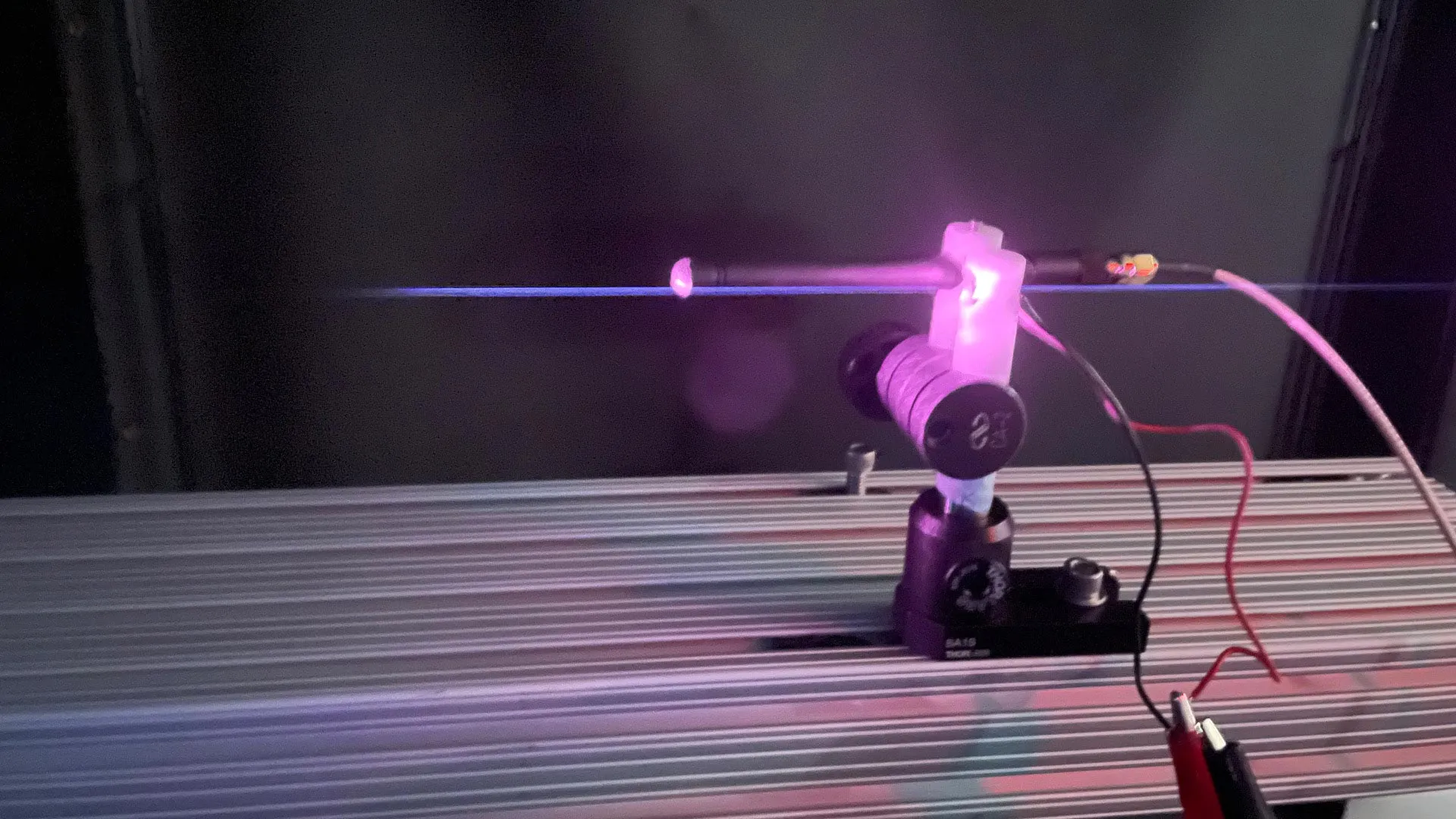
In a significant stride toward a sustainable hydrogen economy, a research team led by the Center for Advanced Systems Understanding (CASUS) at the Helmholtz-Zentrum Dresden-Rossendorf (HZDR) has unveiled a sophisticated theoretical framework designed to accelerate the development of high-efficiency photocatalysts. The study, published recently, addresses a long-standing challenge in material science: accurately predicting how the atomic structure of polyheptazine imides (PHIs) dictates their ability to convert sunlight into chemical energy. By bridging the gap between complex quantum mechanical simulations and laboratory synthesis, the researchers have provided a roadmap for the targeted design of materials that could redefine the production of green hydrogen and other essential industrial chemicals.
The Genesis of Photocatalytic Innovation
Photocatalysis represents one of the most promising frontiers in the global transition away from fossil fuels. At its core, the process mimics photosynthesis, using light to trigger chemical reactions that store energy in molecular bonds. While traditional semiconductors like titanium dioxide have been studied for decades, their efficiency is often hampered by their inability to absorb a broad spectrum of visible light. This limitation has led researchers to explore carbon nitrides, a family of polymer-based materials that are not only abundant and non-toxic but also possess electronic properties inherently suited for solar energy harvesting.
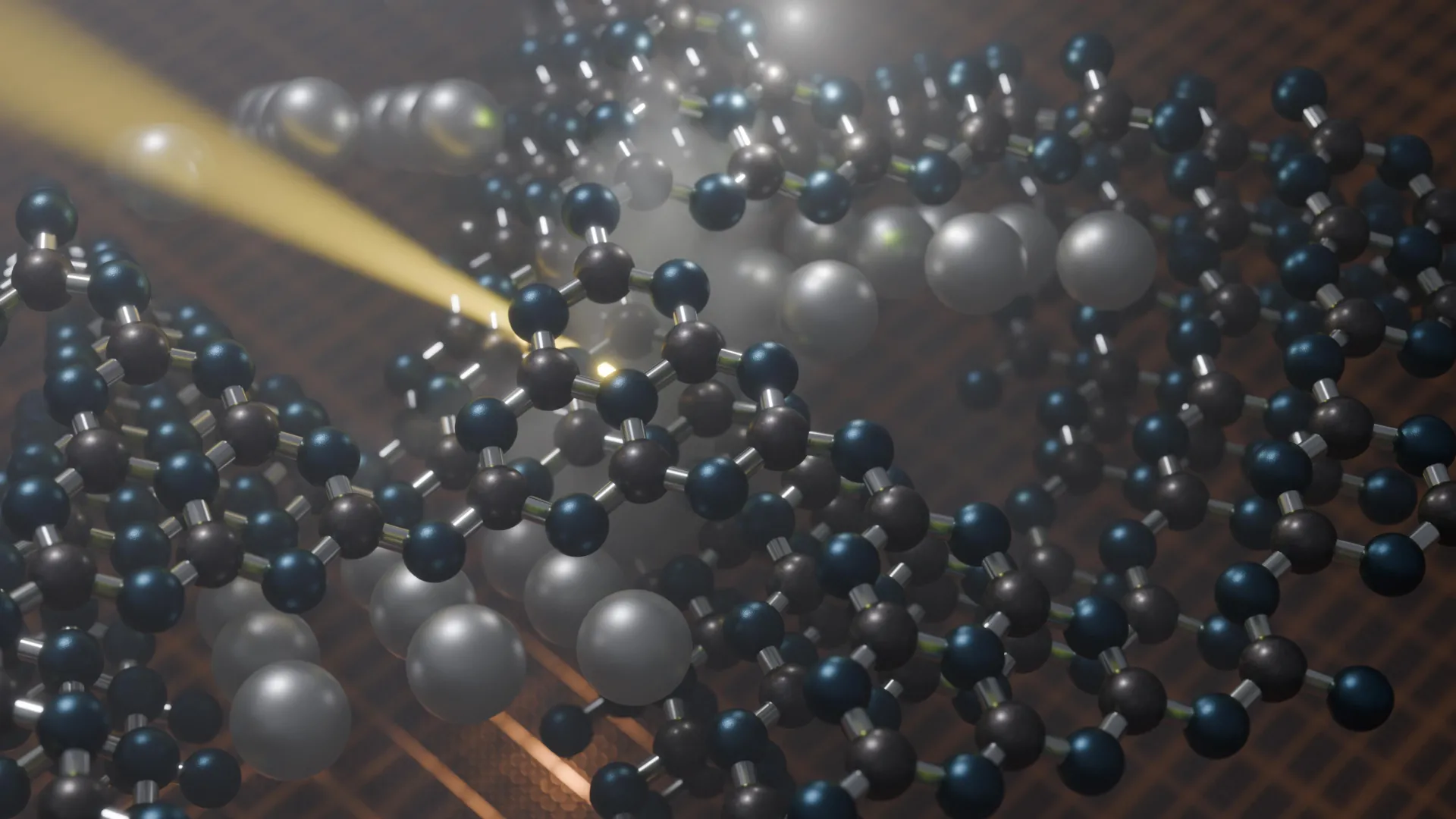
Among these, polyheptazine imides have emerged as a frontrunner. Unlike graphene, which is a zero-bandgap semimetal and thus unsuitable for photocatalysis, PHIs possess a distinct electronic bandgap. This gap allows them to absorb visible light, creating the necessary energy to drive redox reactions. However, the performance of pure carbon nitrides has historically been lackluster due to rapid charge recombination—a process where photo-excited electrons quickly return to their ground state before they can participate in a chemical reaction.
The CASUS team, led by Dr. Zahra Hajiahmadi and Prof. Thomas D. Kühne, focused on a specific structural modification: the integration of metal ions into the negatively charged pores of the PHI framework. These ions act as modifiers that enhance charge separation, effectively "trapping" electrons and holes long enough to facilitate the splitting of water or the reduction of carbon dioxide.
A Chronology of Progress in Carbon Nitride Research
To understand the magnitude of this breakthrough, it is essential to view it within the timeline of material science development:
- 1972: The Honda-Fujishima effect is discovered, demonstrating the possibility of solar water splitting using titanium dioxide.
- 2009: A landmark study introduces graphitic carbon nitride (g-C3N4) as a metal-free photocatalyst, sparking global interest in polymer-based energy materials.
- 2014–2018: Researchers identify polyheptazine imides as a more crystalline and versatile subclass of carbon nitrides, capable of hosting various "guest" ions.
- 2020–2023: Trial-and-error experimentation dominates the field, with scientists testing different metal dopants with varying degrees of success, but lacking a unifying theory to explain the results.
- 2024: The CASUS/HZDR team introduces a comprehensive computational framework using many-body perturbation theory, systematically evaluating 53 different metal ions and validating the results through targeted synthesis.
Decoding the Complexity: Many-Body Perturbation Theory
The primary obstacle in designing better PHI catalysts has been the sheer size of the "design space." With dozens of potential metal ions and countless ways to modify the carbon-nitrogen backbone, laboratory testing of every iteration is physically and financially impossible. Conventional computational methods, such as Density Functional Theory (DFT), often fall short because they primarily describe "ground-state" properties. Photocatalysis, however, is a phenomenon of the "excited state."
"Standard computational studies typically neglect excited-state effects, despite the fact that photocatalysis is inherently driven by photoexcited charge carriers," explains Dr. Zahra Hajiahmadi, the study’s first author. To overcome this, the team employed many-body perturbation theory. This advanced numerical technique accounts for the complex interactions between multiple particles within the material. By treating these interactions as corrections to a simplified model, the researchers achieved a level of accuracy that matches experimental observations far more closely than previous models.
The study systematically categorized 53 metal ions based on their position within the PHI structure—whether they resided within the molecular plane or between the layered sheets—and how they distorted the surrounding lattice. This categorization allowed the team to predict which ions would most effectively narrow the bandgap and improve light absorption.
Supporting Data and Experimental Validation
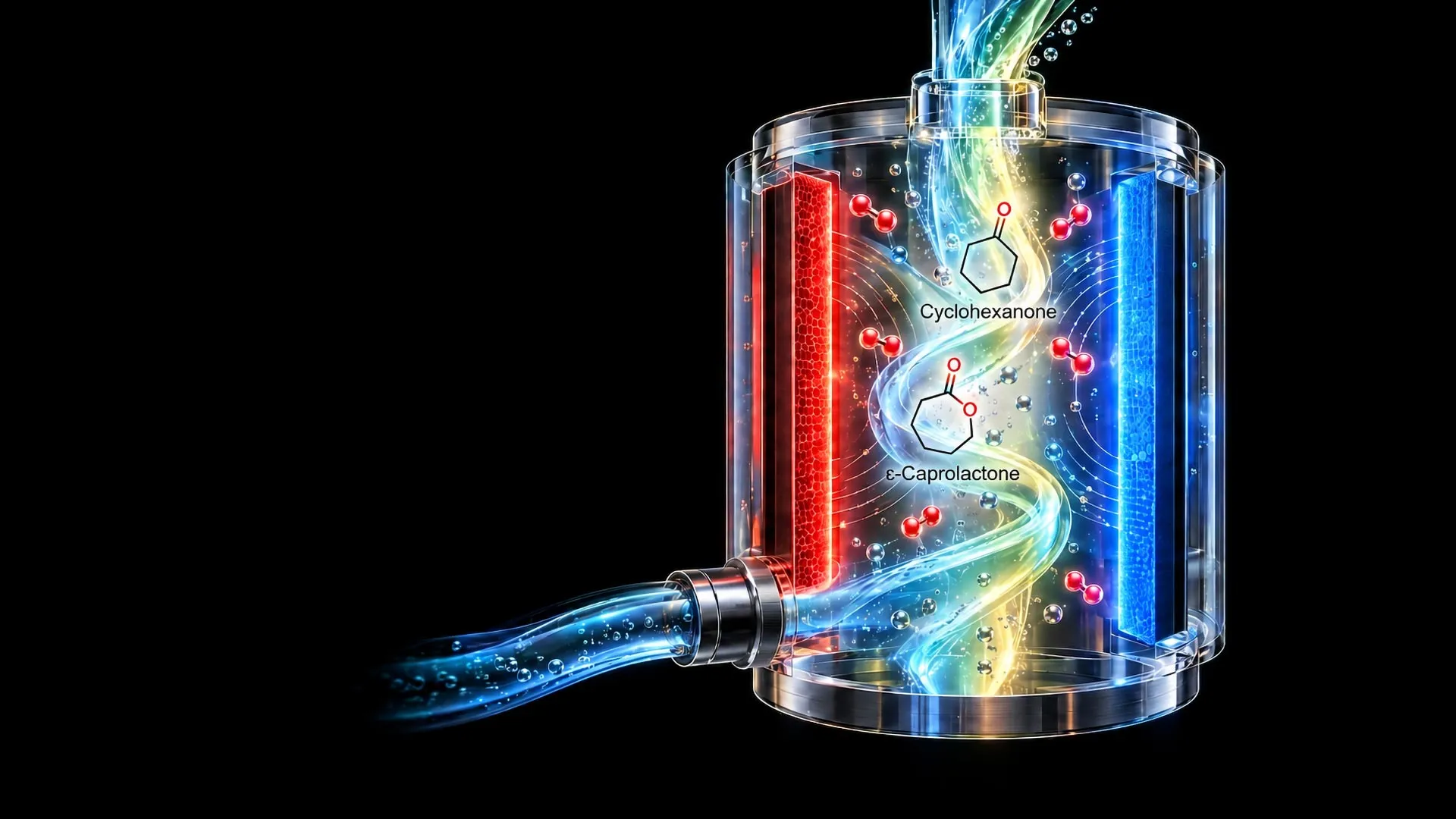
The theoretical predictions were not left in the realm of digital simulation. To prove the efficacy of their model, the CASUS team synthesized eight distinct PHI materials, each embedded with a different metal ion. These materials were then put to the test in a reaction to produce hydrogen peroxide (H2O2), a vital industrial chemical used in everything from water treatment to rocket fuel.
The experimental data revealed a striking correlation with the theoretical models:
- Structural Shifts: The inclusion of specific ions caused measurable changes in the inter-layer spacing of the PHI sheets, ranging from 0.1 to 0.5 angstroms, which directly correlated with improved charge mobility.
- Absorption Peaks: Materials predicted to have high visible-light absorption showed a 20-30% increase in quantum yield compared to standard g-C3N4.
- Catalytic Yield: The top-performing ion-embedded PHIs showed a multi-fold increase in H2O2 production rates, validating the team’s ranking of the 53 metal candidates.
Official Responses and Academic Impact
The implications of this work have resonated throughout the scientific community. Prof. Thomas D. Kühne, Director of CASUS and senior author of the study, emphasized the shift from serendipity to intentional design.
"The design space for these materials is enormous," Prof. Kühne stated. "One can add functional groups or substitute specific nitrogen or carbon atoms. Until now, we were essentially searching for a needle in a haystack. This framework provides us with a magnet. I believe this work puts to rest any doubt that polyheptazine imides are among the most promising platforms for next-generation photocatalytic technologies."
Industry analysts suggest that such predictive modeling could reduce the "lab-to-market" timeline for new catalysts by several years. By identifying the most promising material candidates in silico, research institutions and private companies can focus their resources on the most viable technologies, significantly lowering the R&D costs associated with green energy transitions.
Broader Implications for Global Decarbonization
The success of the CASUS framework has far-reaching consequences for several key industrial sectors:
- Green Hydrogen Production: By improving the efficiency of solar water splitting, PHI catalysts could make green hydrogen competitive with hydrogen produced from natural gas. Current estimates suggest that for green hydrogen to be viable, photocatalytic efficiency must reach a solar-to-hydrogen (STH) threshold of 10%. The targeted design enabled by this study moves the field closer to that goal.
- Carbon Capture and Utilization (CCU): Efficient PHI catalysts can facilitate the reduction of CO2 into methanol or syngas, effectively turning a greenhouse gas into a feedstock for the chemical industry.
- Distributed Chemical Manufacturing: The ability to produce hydrogen peroxide on-site using only sunlight, water, and air could revolutionize sanitation in developing regions, removing the need for complex supply chains and energy-intensive industrial plants.
- Environmental Safety: Unlike many high-performance catalysts that rely on rare or toxic heavy metals like iridium or ruthenium, PHIs are based on earth-abundant carbon and nitrogen. This ensures that the scaling of this technology will not create new environmental or geopolitical bottlenecks.
Analysis of Future Directions
While the CASUS study marks a milestone, the transition to industrial-scale photocatalysis still faces challenges. The stability of these materials over thousands of hours of continuous operation in outdoor environments remains a subject of ongoing research. Furthermore, the integration of these catalysts into large-scale "artificial leaf" devices requires innovations in engineering and fluid dynamics.
However, the methodology introduced by Dr. Hajiahmadi and Prof. Kühne provides the foundational tools needed to solve these problems. By refining the "Theory of Complex Systems," the HZDR team has not just found a better catalyst; they have built a engine for discovery.
As the global community strives to meet the targets of the Paris Agreement, the shift toward predictive, AI-enhanced material science will be a critical driver of progress. The work at CASUS demonstrates that the marriage of high-performance computing and experimental chemistry is no longer just a luxury—it is a necessity for the sustainable future of energy. The path toward efficient, sunlight-driven chemical synthesis is now clearer, and as Prof. Kühne noted, it is a path that will likely be taken "often and successfully" in the years to come.