In a groundbreaking study recently published in the Proceedings of the National Academy of Sciences (PNAS), a multi-institutional research team led by scientists at Osaka University has identified a critical protein-to-protein interaction that serves as a cornerstone for healthy sperm development. The research provides a granular look at the biological "checks and balances" required for male fertility, specifically focusing on how the interaction between two proteins, TEX38 and ZDHHC19, facilitates the structural transformation of germ cells into functional sperm. By disrupting these proteins in animal models, the researchers were able to pinpoint the exact stage at which sperm formation fails, leading to a condition characterized by severe morphological deformities and subsequent infertility.
The Intricate Journey of Spermiogenesis
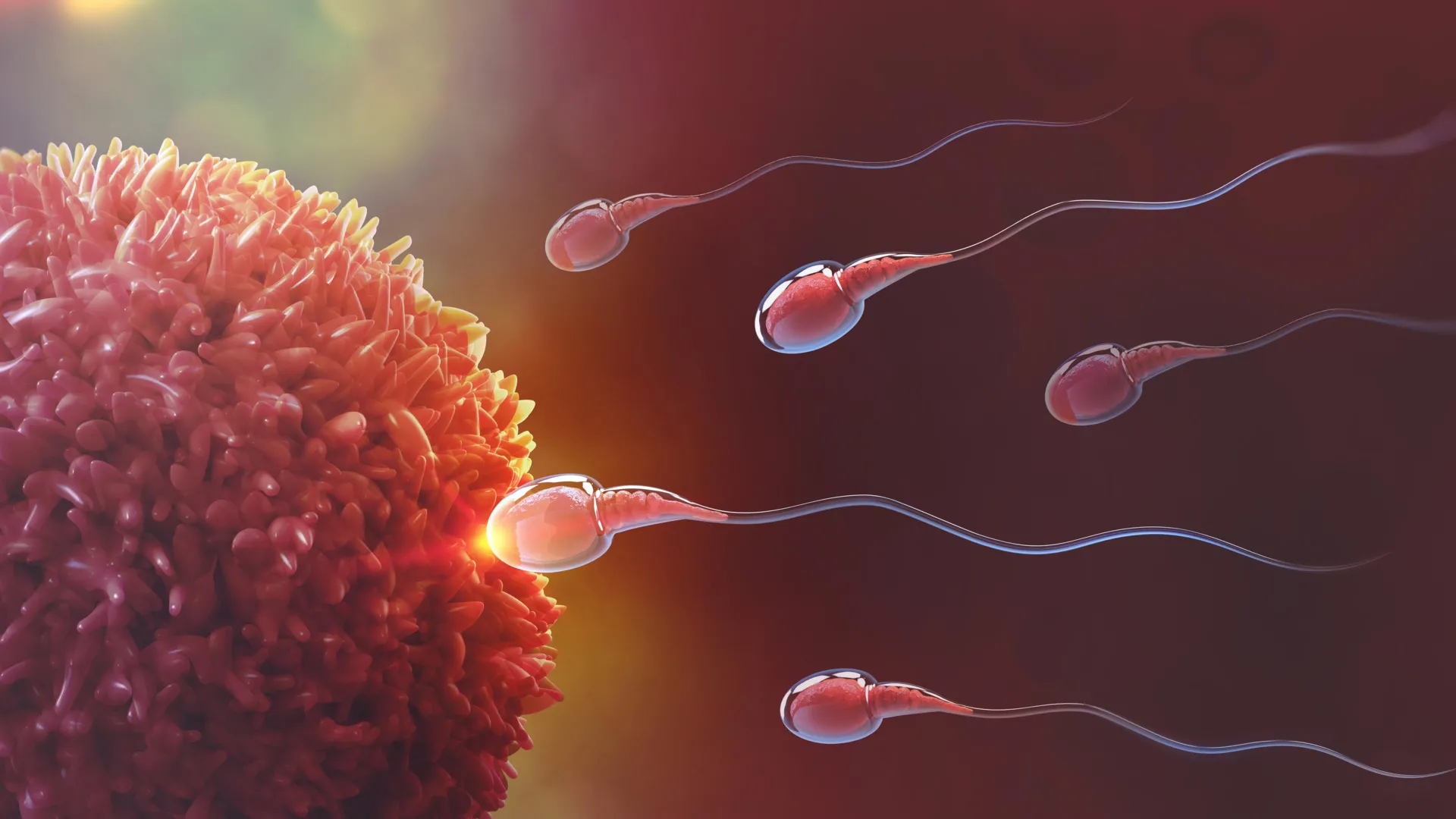
Sperm formation, or spermiogenesis, is one of the most complex cellular transformations in the human body. It represents the final stage of spermatogenesis, where round spermatids undergo a dramatic remodeling process to become elongated, motile spermatozoa. This metamorphosis involves several synchronized events: the condensation and shrinking of the nucleus to package DNA tightly, the development of a flagellum (sperm tail) for motility, the formation of the acrosome (a cap-like structure containing enzymes to penetrate an egg), and the shedding of excess cytoplasm.
The precision required for these changes is absolute. If any part of this molecular choreography is misaligned, the resulting sperm may be "nonfunctional"—unable to swim, unable to survive the female reproductive tract, or unable to fuse with an oocyte. Despite the clinical importance of this process, the specific genetic and molecular triggers that manage these structural shifts have long remained elusive. Yuki Kaneda, the study’s lead author, noted that while the scientific community has identified several genes essential for spermiogenesis, the underlying molecular pathways—the "how" and "why" of these genetic instructions—have largely been a "black box" in reproductive biology.
Experimental Chronology: From Gene Disruption to Discovery
The research team began their investigation by focusing on TEX38, a protein known to be expressed almost exclusively within the testes. Using CRISPR/Cas9 gene-editing technology, the researchers created a lineage of mice in which the expression of TEX38 was "knocked out" or disrupted. This allowed the team to observe the physiological consequences of the protein’s absence in a living system.
The results of the initial phase were immediate and conclusive. The male mice lacking TEX38 were entirely infertile. Upon microscopic examination of their semen, the researchers observed a consistent and striking deformity: the heads of the sperm were bent backward, and the cells retained an excessive amount of cytoplasm that should have been discarded during the final stages of maturation. This morphological failure rendered the sperm incapable of progressive motility and fertilization.
To understand why the absence of TEX38 caused such a catastrophic failure, the team moved into the second phase of their study: identifying the molecular partners of TEX38. Using biochemical assays and mass spectrometry, they discovered that TEX38 does not act in isolation. Instead, it forms a stable complex with another protein, ZDHHC19.
The Role of S-palmitoylation in Reproductive Health
The identification of ZDHHC19 was a pivotal moment in the study. ZDHHC19 belongs to a family of enzymes known as palmitoyltransferases, which facilitate a biochemical process called S-palmitoylation. In this process, a lipid (typically a 16-carbon fatty acid called palmitate) is chemically attached to specific cysteine residues on a target protein. This modification is crucial because it alters the protein’s hydrophobicity, often dictating where the protein is located within a cell—such as anchoring it to a cell membrane—and how it interacts with other molecules.
The Osaka University team found that when TEX38 was absent, the levels of ZDHHC19 also plummeted, and vice versa. This suggested a symbiotic relationship where the two proteins stabilize one another. Without this stable complex, the S-palmitoylation process was interrupted.
The researchers then identified the primary target of this enzymatic activity: a protein called ARRDC5. Previous studies had already established ARRDC5 as a vital component of sperm development, but the mechanism of its regulation was unknown. The current study revealed that ZDHHC19 is responsible for the S-palmitoylation of ARRDC5. When the TEX38-ZDHHC19 complex is broken, ARRDC5 does not receive its lipid modification, leading to the same "bent-head" deformity observed in the TEX38-knockout mice.
Supporting Data and Morphological Observations
The data gathered during the study highlighted a specific failure in cytoplasmic remodeling. During the final stage of sperm maturation, a structure called the "residual body" is formed, which contains the excess cytoplasm and organelles that the sperm no longer needs. This material is typically phagocytosed by Sertoli cells (nurse cells in the testes).
In the mice lacking the TEX38-ZDHHC19-ARRDC5 pathway, the removal of this cytoplasm failed. The "excess baggage" of the cytoplasm created physical tension and structural imbalances, causing the sperm head to fold back against the tail. Quantitative analysis showed that:
- 100% of TEX38-deficient mice were infertile despite having normal mating behaviors.
- Sperm counts remained relatively normal, but motility was nearly zero.
- Morphological assessment showed that over 90% of the sperm exhibited the "bent-back" phenotype.
- Protein expression levels of ARRDC5 were significantly altered in the absence of the TEX38-ZDHHC19 complex, confirming the regulatory hierarchy.
Broader Context: The Global Challenge of Male Infertility
The findings from Osaka University arrive at a time when male reproductive health is under increasing scrutiny worldwide. According to data from the World Health Organization (WHO), infertility affects approximately 1 in 6 people globally. While historically infertility was often framed as a female-centric issue, modern medical consensus acknowledges that male factors contribute to approximately 50% of all infertility cases.
Many cases of male infertility are classified as "idiopathic," meaning the underlying cause remains unknown despite clinical testing. Teratozoospermia—a condition characterized by abnormal sperm morphology—is a leading cause of such issues. By identifying the TEX38-ZDHHC19-ARRDC5 axis, the researchers have provided a new genetic and biochemical template for diagnosing cases of male infertility that were previously unexplained.
Expert Analysis and Potential for Male Contraception
The implications of this discovery extend beyond the diagnosis and treatment of infertility; they also open a new frontier in the development of male contraceptives. Currently, male contraceptive options are largely limited to barrier methods (condoms) or permanent surgical procedures (vasectomy). Hormonal approaches for men have faced significant hurdles due to side effects and inconsistent efficacy.
The TEX38-ZDHHC19 interaction presents a highly specific, non-hormonal target. Because these proteins are primarily active in the testes and are essential for the final structural shaping of sperm, a drug designed to temporarily inhibit the S-palmitoylation activity of ZDHHC19 could, in theory, render sperm nonfunctional without affecting the rest of the body’s endocrine system.
"Our findings show that the complex regulates the morphology required for function," stated Masahito Ikawa, the study’s senior author. "By understanding these molecular switches, we can think about how to turn them off intentionally."
Conclusion and Future Directions
The study by Osaka University marks a significant advancement in the field of reproductive proteomics. By moving beyond mere gene identification and into the realm of protein-protein interactions and post-translational modifications, the research team has mapped a vital pathway in the creation of human life.
The next steps for the research community will involve investigating whether mutations in the human versions of TEX38 and ZDHHC19 correlate with clinical cases of male infertility. Furthermore, the discovery of the S-palmitoylation of ARRDC5 as a key regulatory step suggests that other lipid-modification processes may play unrecognised roles in other stages of development.
As the scientific community continues to unravel the "checks and balances" of the human body, the work of Kaneda, Ikawa, and their colleagues serves as a reminder of the staggering complexity of life at the molecular level. For the millions of couples struggling with conception, and for the field of reproductive medicine at large, this newly discovered protein interaction provides not just answers, but a clear path forward for future innovation in both fertility treatment and family planning.