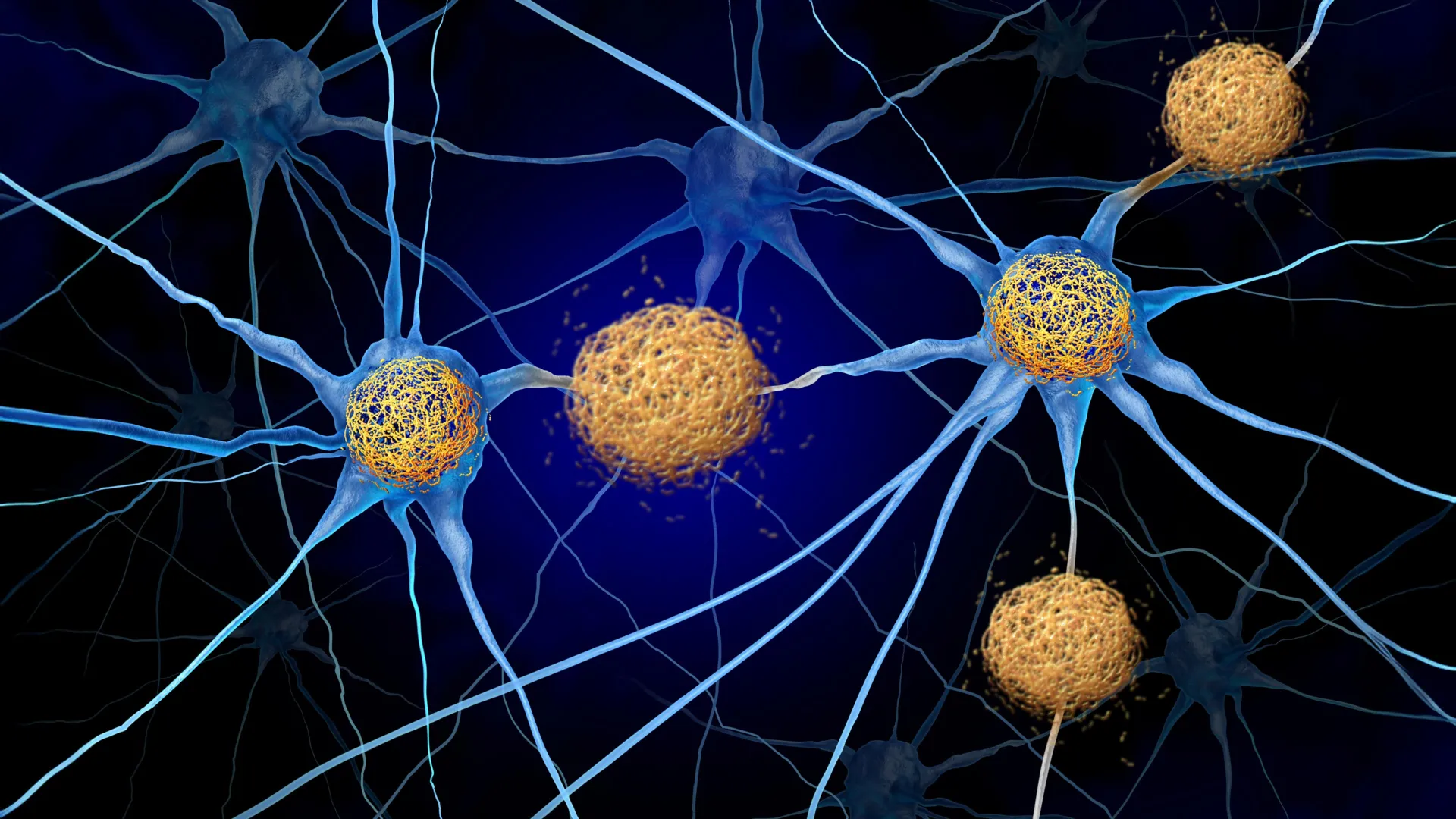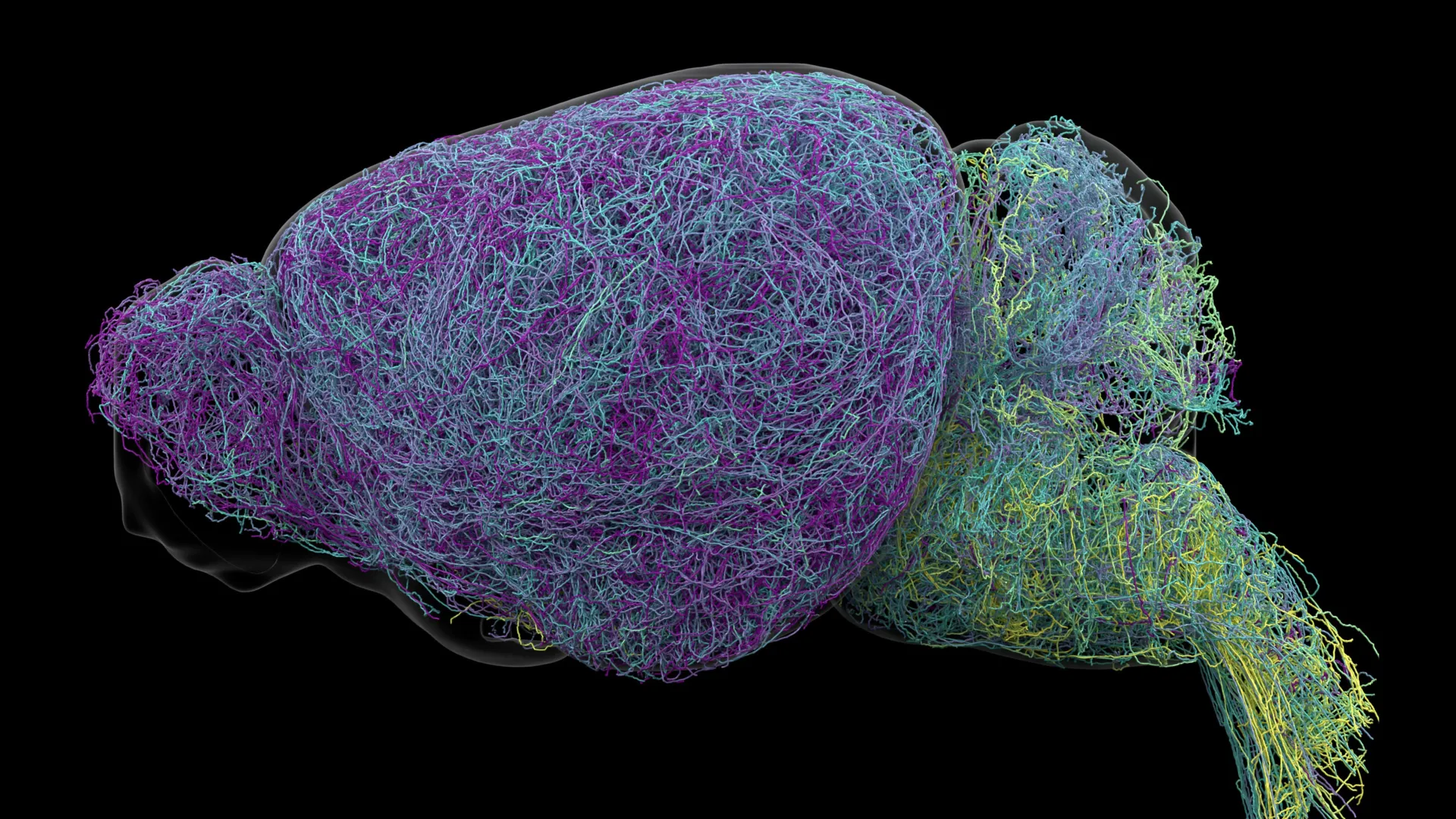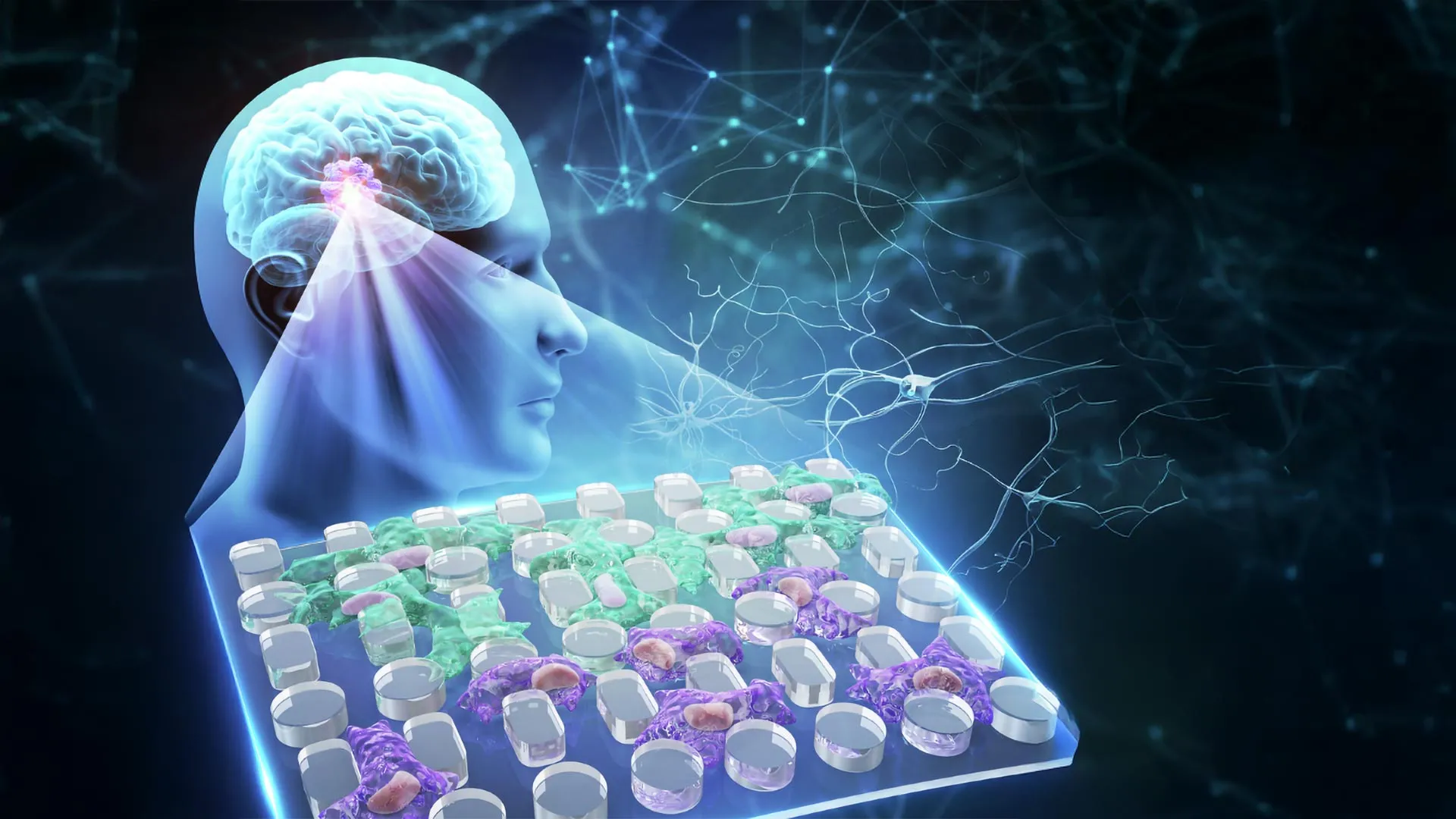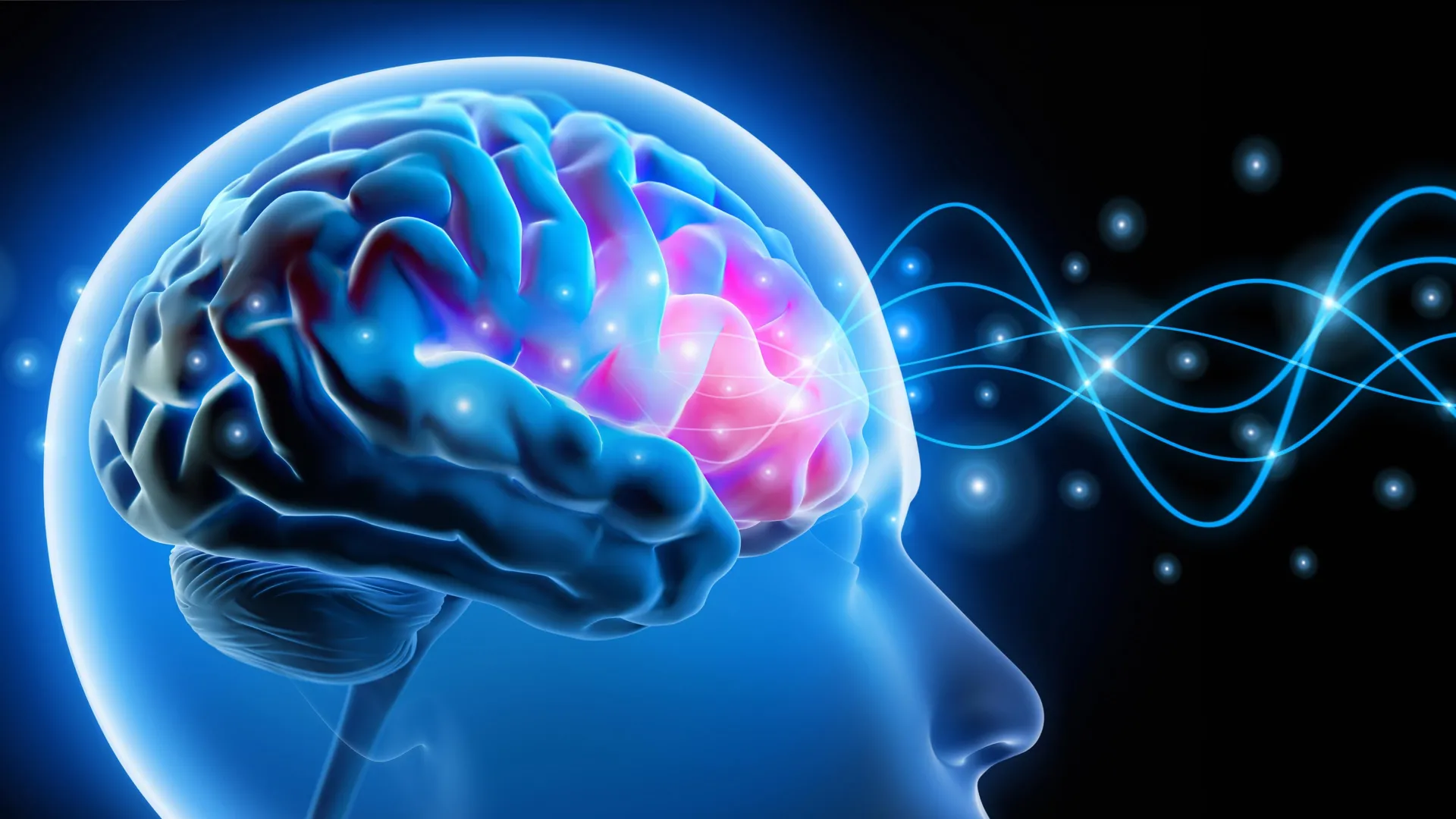
The intricate relationship between nutritional intake and neurological preservation has taken a significant step forward with the release of a comprehensive study involving more than 2,000 older Japanese adults. Researchers have identified a compelling correlation between high concentrations of vitamin C in the blood and the maintenance of gray matter volume, as well as the functional integrity of the brain’s default mode network. These findings, published on June 10, 2026, in the peer-reviewed open-access journal PLOS One, suggest that dietary factors may be far more influential in the structural aging of the brain than previously understood.
The study, spearheaded by Haruka Nagaya and a team of investigators at Hirosaki University in Japan, utilizes one of the largest community-based cohorts to date to explore the intersection of nutritional epidemiology and neuroimaging. By combining objective blood plasma analysis with high-resolution magnetic resonance imaging (MRI), the research provides a physical blueprint of how a single micronutrient might help shield the aging brain from the atrophy typically associated with cognitive decline and dementia.
The Scientific Framework: Beyond Dietary Surveys
For decades, the link between vitamin C—also known as ascorbic acid—and cognitive health has been a subject of intense scientific scrutiny. Previous research has largely relied on self-reported dietary surveys, which are often prone to recall bias and inaccuracies regarding portion sizes. The Hirosaki University study departs from this methodology by measuring plasma vitamin C levels directly. This approach provides a precise biological marker of an individual’s actual nutritional status, accounting for differences in absorption and metabolism that dietary logs cannot capture.
Vitamin C is a potent antioxidant that plays a crucial role in the central nervous system. It is found in high concentrations in the brain, where it helps neutralize reactive oxygen species—harmful molecules that cause oxidative stress and damage cellular structures. Furthermore, vitamin C is a necessary cofactor for the synthesis of collagen and several key neurotransmitters, including dopamine and norepinephrine. Despite its importance, the human body cannot synthesize vitamin C endogenously, making consistent dietary intake or supplementation essential for maintaining physiological levels.
Methodology and Participant Demographics
The researchers analyzed data from 2,044 Japanese adults, all of whom were over the age of 64. This demographic is of particular interest to the global medical community because Japan possesses one of the world’s fastest-aging populations, providing a "looking glass" into the future public health challenges of other developed nations.
The participants underwent comprehensive health screenings that included blood draws to determine plasma vitamin C concentrations and MRI scans to assess brain morphology. To ensure the accuracy of the findings, the research team utilized advanced neuroimaging techniques to measure the volume of gray matter—the regions of the brain containing neuronal cell bodies—and white matter, which consists of the myelinated axons that facilitate communication between different brain regions.
A primary focus of the analysis was the default mode network (DMN). The DMN is a complex web of interconnected brain regions, including the medial prefrontal cortex and the posterior cingulate cortex. This network is most active when an individual is not focused on the outside world, playing a vital role in internal thought processes such as self-reflection, autobiographical memory, and "mind-wandering." Degradation of the DMN is often considered an early biomarker for neurodegenerative conditions, including Alzheimer’s disease.
Key Findings: Gray Matter and Neural Connectivity
After adjusting for a wide array of confounding variables—including age, sex, education level, smoking status, alcohol consumption, and physical activity—the results revealed a clear and consistent statistical association. Participants with higher levels of vitamin C in their blood exhibited significantly greater gray matter volume relative to their total brain size.
Perhaps even more striking was the impact on the brain’s "wiring." The study found that individuals with robust vitamin C levels maintained stronger functional connectivity within the default mode network. In simpler terms, the different parts of the brain responsible for memory and internal thought were better at communicating with one another in individuals with high vitamin C levels. Conversely, those in the lower quartiles of vitamin C concentration showed signs of reduced connectivity, which could potentially serve as a precursor to cognitive impairment.
"Our study demonstrates that higher plasma vitamin C levels are associated with better preserved structural connectivity of the default mode network," stated Tomohiro Shintaku, a co-author of the study. "This finding generates the exciting hypothesis that a diet rich in vitamin C might play a supportive role in maintaining brain health and mitigating age-related cognitive decline in older adults."
Chronology of the Research and Institutional Support
The study represents the culmination of years of data collection within the Hirosaki University Graduate School of Medicine. The research was supported by the Japan Agency for Medical Research and Development (AMED), under grant numbers JP16dk0207025 and JP21dk0207053. This institutional backing underscores the Japanese government’s commitment to finding non-pharmacological interventions to manage its aging population’s health.
The project also involved a unique collaboration with the private sector. Kagome Co., Ltd., a major Japanese manufacturer of tomato-based products and fruit juices, provided salary support for two of the study’s authors, D.K. and Y.U. However, the researchers emphasized that the company had no role in the study design, data analysis, or the decision to publish, ensuring the scientific integrity of the results. This model of public-private partnership is becoming increasingly common in nutritional science, where industry expertise in food chemistry meets academic rigor in clinical observation.
Contextualizing the Findings: The Global "Silver Tsunami"
The implications of this research extend far beyond the borders of Japan. As the global population of people over age 65 is projected to double by 2050, the medical community is racing to identify lifestyle interventions that can preserve "brain span" alongside lifespan. Dementia and related cognitive disorders currently affect more than 55 million people worldwide, a number expected to rise to 139 million by 2050 if no significant preventative measures are found.
While pharmaceutical companies have spent billions of dollars attempting to develop drugs that clear amyloid plaques from the brain, results have been mixed. This has led many researchers to pivot toward "nutritional psychiatry" and preventative neurology. The Hirosaki University study adds a significant piece to this puzzle, suggesting that something as simple as maintaining a diet rich in citrus fruits, bell peppers, broccoli, and strawberries could have long-term structural benefits for the brain.
Expert Analysis and Potential Mechanisms
While the study was observational and cannot definitively prove that vitamin C causes a healthier brain, neurologists not involved in the study have weighed in on the potential biological mechanisms at play. One prevailing theory is that vitamin C prevents the "rusting" of the brain. The brain consumes a disproportionate amount of the body’s oxygen, making it highly susceptible to oxidative damage. By maintaining high levels of ascorbic acid, individuals may be providing their neurons with a continuous "antioxidant bath" that slows down the natural degradation of gray matter.
Another possibility involves the vascular system. Vitamin C is known to improve endothelial function—the health of the lining of blood vessels. Since the brain is highly vascularized, better blood vessel health leads to better oxygen and nutrient delivery to the neurons, which in turn supports the structural integrity of networks like the DMN.
Tomohiro Shintaku noted the significance of the scale of the study: "What I found most fascinating about this research is that we were able to detect these subtle but significant associations between a single nutritional factor and large-scale brain networks by utilizing a robust, community-based cohort of over 2,000 older adults. It truly highlights the potential impact of our everyday dietary habits on our brain structures."
Limitations and the Road Ahead
Despite the promising results, the researchers have urged caution. Because the study was cross-sectional—meaning it looked at a snapshot in time—it is impossible to rule out "reverse causation." It is theoretically possible that individuals with healthier brains are more likely to make better dietary choices, leading to higher vitamin C levels, rather than the vitamin C causing the brain health.
Furthermore, the study focused on a Japanese population, which typically has different dietary patterns and genetic backgrounds than Western populations. Future research will need to replicate these findings in more diverse ethnic and socioeconomic groups to determine if the benefits of vitamin C are universal.
The team at Hirosaki University has recommended that future studies adopt a longitudinal approach, measuring vitamin C levels and brain structure repeatedly over several decades. Such a "follow-up" format would allow researchers to see if a decline in vitamin C levels precedes the shrinking of gray matter, which would provide much stronger evidence of a causal link.
Conclusion and Public Health Recommendations
The findings of Nagaya and her colleagues serve as a powerful reminder of the adage "you are what you eat." In an era of high-tech medical interventions, the possibility that a common vitamin could be a key to neurological longevity is both profound and practical.
For the general public, the message is clear: maintaining a diet high in vitamin C-rich foods is a low-risk, high-reward strategy for healthy aging. While the medical community awaits further clinical trials to confirm these findings, the current evidence suggests that for the aging brain, the protective power of nutrition is a factor that can no longer be ignored. As the "silver tsunami" approaches, the integration of nutritional health into standard geriatric care may become one of the most effective tools in the fight against cognitive decline.