In a landmark study that may redefine the therapeutic landscape for neurodegenerative disorders, scientists at Baylor College of Medicine have uncovered a biological mechanism that prevents the formation of toxic protein aggregates associated with Alzheimer’s and Parkinson’s diseases. The research, published in the peer-reviewed journal Nature Communications, highlights the pivotal role of tubulin—a structural protein traditionally viewed as a passive building block of the cell—as an active chaperone that redirects harmful proteins toward healthy cellular functions. By understanding how tubulin interacts with Tau and alpha-synuclein, researchers believe they have found a "molecular switch" that could be manipulated to preserve cognitive and motor functions in aging populations.
The Molecular Drivers of Neurodegeneration
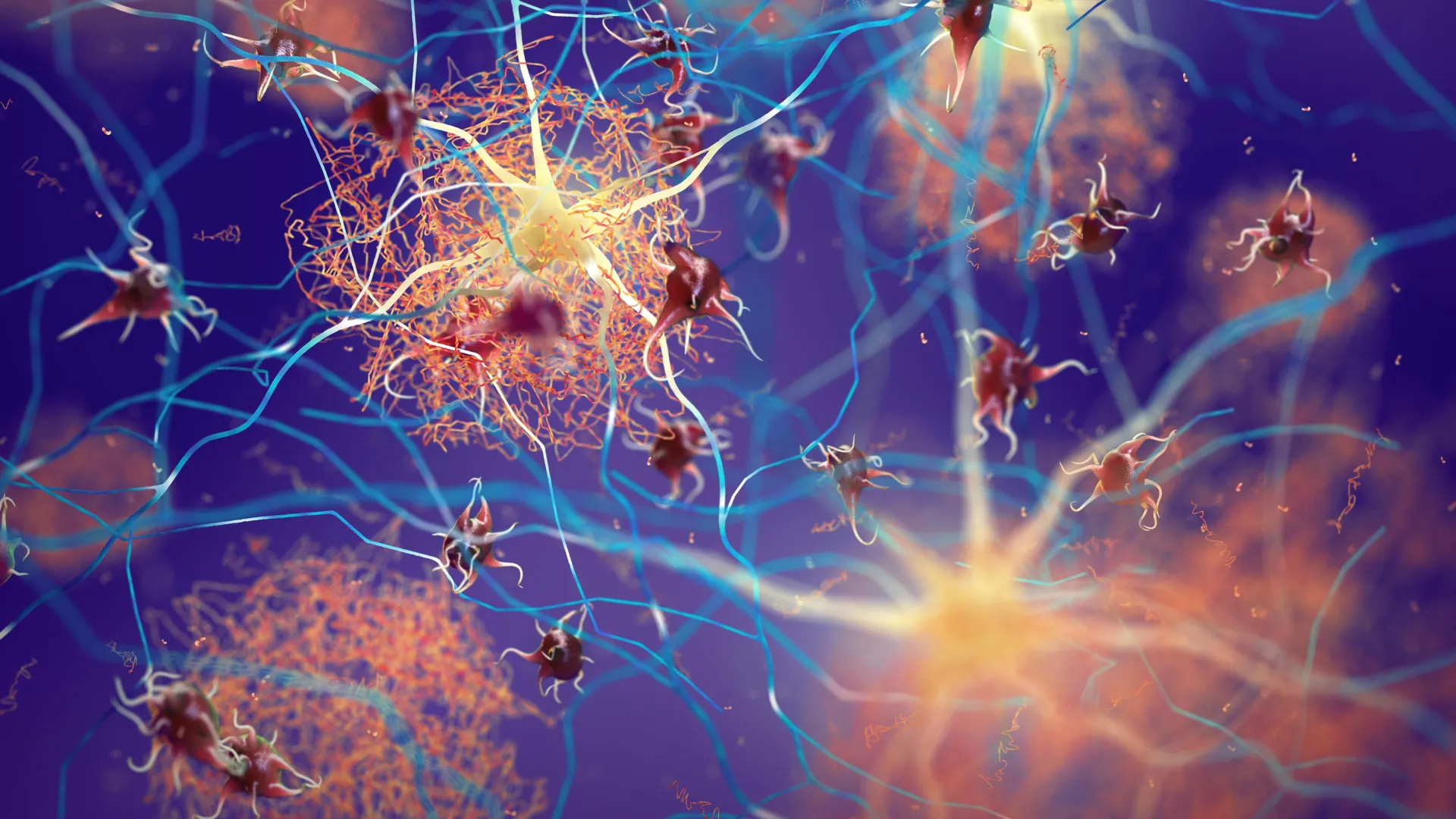
Alzheimer’s disease and Parkinson’s disease, while clinically distinct, share a common pathological hallmark: the misfolding and aggregation of specific proteins. In Alzheimer’s, the protein Tau forms neurofibrillary tangles that disrupt internal cell communication. In Parkinson’s, the protein alpha-synuclein clumps into Lewy bodies, which are toxic to the dopamine-producing neurons responsible for movement control.
Under normal physiological conditions, Tau and alpha-synuclein are not inherently harmful. On the contrary, they are essential for the survival of neurons. They interact with tubulin to facilitate the assembly of microtubules, which serve as the "railway tracks" of the cell. These tracks are vital for transporting nutrients, neurotransmitters, and waste products across the long, spindly axons of neurons. However, when these proteins lose their structural integrity, they detach from the microtubules and begin to stick together, forming insoluble fibrils that eventually lead to cell death.
The Baylor study posits that the balance between healthy function and disease-state aggregation is governed by the availability of tubulin. When tubulin is abundant, it acts as a stabilizing force, keeping Tau and alpha-synuclein "occupied" and productive. When tubulin levels drop—a phenomenon frequently observed in the brains of patients with advanced neurodegeneration—these proteins are left without a partner, leading to the catastrophic clumping that characterizes the disease.
Liquid-Liquid Phase Separation: The Cellular Classroom
To understand this discovery, one must look at the environment where these interactions occur. Scientists have recently focused on "condensates," which are tiny, membrane-less droplets within the cell formed through a process called liquid-liquid phase separation. These droplets act like specialized compartments where proteins and RNA concentrate to perform specific tasks.
For years, the scientific community viewed these condensates with suspicion. Because Tau and alpha-synuclein concentrate within these droplets before they begin to aggregate into solid clumps, many researchers hypothesized that the best way to treat Alzheimer’s or Parkinson’s was to prevent the droplets from forming entirely.
However, the Baylor team, led by Dr. Allan Ferreon, an associate professor of biochemistry and molecular pharmacology, challenged this "scorched earth" approach. "Condensates also play important roles in normal brain function," Dr. Ferreon explained. Eliminating them could inadvertently disrupt the very neuronal activities medicine seeks to protect. Instead, the team investigated whether the environment inside the droplets could be "curated" to favor health over disease.
Dr. Lathan Lucas, the study’s first author and a postdoctoral associate in the Ferreon lab, utilized a vivid analogy to describe the situation. "I think of Tau and alpha-synuclein as troublemaker kids in school," Lucas said. "You can keep them in the classroom with little to do but to act out, or keep them engaged with schoolwork, sports, or theater so they do not get in trouble. We found that tubulin can drive Tau and alpha-synuclein troublemakers down a healthy path."
Methodological Rigor and Supporting Data
The research team employed a multi-disciplinary approach to validate their hypothesis, combining high-resolution microscopy with biochemical and biophysical assays. By observing the behavior of proteins in real-time within neuron-based models, they were able to track the transition of Tau and alpha-synuclein from a soluble state to an aggregated state.
The data revealed a clear correlation between tubulin concentration and protein health. In environments where tubulin was introduced at physiological levels, the Tau and alpha-synuclein proteins within the condensates remained dynamic and functional, actively promoting the assembly of microtubules. Conversely, in "tubulin-poor" environments—mimicking the conditions of a diseased brain—the proteins rapidly transitioned into rigid, toxic aggregates.
Supporting data from independent clinical studies reinforces these findings. Longitudinal brain imaging and proteomic analysis of Alzheimer’s patients have long shown a significant decrease in microtubule density and tubulin expression as the disease progresses. The Baylor study provides the "why" behind this observation, suggesting that the loss of tubulin is not merely a byproduct of the disease, but a primary driver of protein aggregation.
A Chronology of Discovery: Shifting the Paradigm
The search for a cure for Alzheimer’s has historically been dominated by the "Amyloid Cascade Hypothesis," which suggested that amyloid-beta plaques outside the cells were the primary cause of the disease. However, after decades of clinical trials targeting amyloid-beta yielded modest or inconsistent results, the focus has shifted toward Tau and alpha-synuclein—proteins that act inside the neurons.
- 1980s-1990s: Identification of Tau and alpha-synuclein as the primary components of tangles and Lewy bodies.
- 2000s: Research focuses on preventing protein misfolding through small molecule inhibitors.
- 2010s: The discovery of liquid-liquid phase separation in cells opens new avenues for understanding protein dynamics.
- 2020-2023: Growing evidence suggests that microtubules are compromised early in neurodegenerative processes.
- Current Study (2024): Baylor researchers identify tubulin as the active chaperone within condensates, shifting the therapeutic focus from "blocking" to "redirecting."
This chronology illustrates a move toward more nuanced, "pro-health" strategies rather than simply trying to "anti-disease" the brain.
Implications for Future Therapeutics
The implications of this study for the pharmaceutical industry are significant. Current treatments for Alzheimer’s, such as recently FDA-approved monoclonal antibodies, focus on clearing existing plaques from the brain. While beneficial for some, these treatments are often "too little, too late" for patients with advanced neurodegeneration and do not address the underlying protein dynamics within the neurons themselves.
The Baylor findings suggest a "selective therapeutic strategy." Instead of developing drugs to destroy cellular condensates, future research could focus on:
- Tubulin Stabilizers: Developing compounds that maintain or boost the "tubulin pool" in aging neurons.
- Molecular Glues: Creating small molecules that strengthen the bond between tubulin and Tau/alpha-synuclein, ensuring the proteins stay "engaged" in their productive roles.
- Early Diagnostics: Using tubulin levels as a biomarker to identify individuals at high risk for aggregation before symptoms of memory loss or motor dysfunction appear.
"Boosting the tubulin pool, rather than blocking droplet formation, can curb toxic aggregation while preserving the healthy roles of Tau and alpha-synuclein," said Dr. Ferreon. This approach offers a more surgical precision, potentially reducing the side effects associated with broader cellular interventions.
Broader Impact on Public Health
As the global population ages, the prevalence of Alzheimer’s and Parkinson’s is expected to rise dramatically. According to the Alzheimer’s Association, more than 6 million Americans are currently living with the disease, a number projected to rise to nearly 13 million by 2050. Parkinson’s disease affects approximately 1 million Americans, with 90,000 new diagnoses every year.
The economic burden is equally staggering, with costs related to care and lost productivity reaching hundreds of billions of dollars annually. A breakthrough that targets the fundamental mechanism of protein aggregation could not only improve the quality of life for millions but also alleviate a mounting crisis for healthcare systems worldwide.
Collaborative Efforts and Acknowledgments
The study was a collaborative effort involving several key researchers at Baylor College of Medicine. Alongside Dr. Lathan Lucas and Dr. Allan Ferreon, the paper was co-authored by Phoebe S. Tsoi (co-first author), My Diem Quan, Kyoung-Jae Choi, and co-corresponding author Josephine C. Ferreon.
The research was made possible through significant federal and private funding, including grants from the National Institute of Neurological Disorders and Stroke (NINDS-NIH), the National Institute of General Medical Sciences (NIGMS-NIH), and the Welch Foundation. These investments reflect the scientific community’s recognition of the urgent need for innovative approaches to brain health.
By redefining tubulin as an "active protector" rather than a "passive casualty," the Baylor team has provided a new roadmap for drug discovery. As the research moves from the laboratory to potential clinical applications, the hope is that one day, the "troublemaker" proteins of the brain can be kept on a healthy path, preventing the devastating decline of neurodegenerative disease.