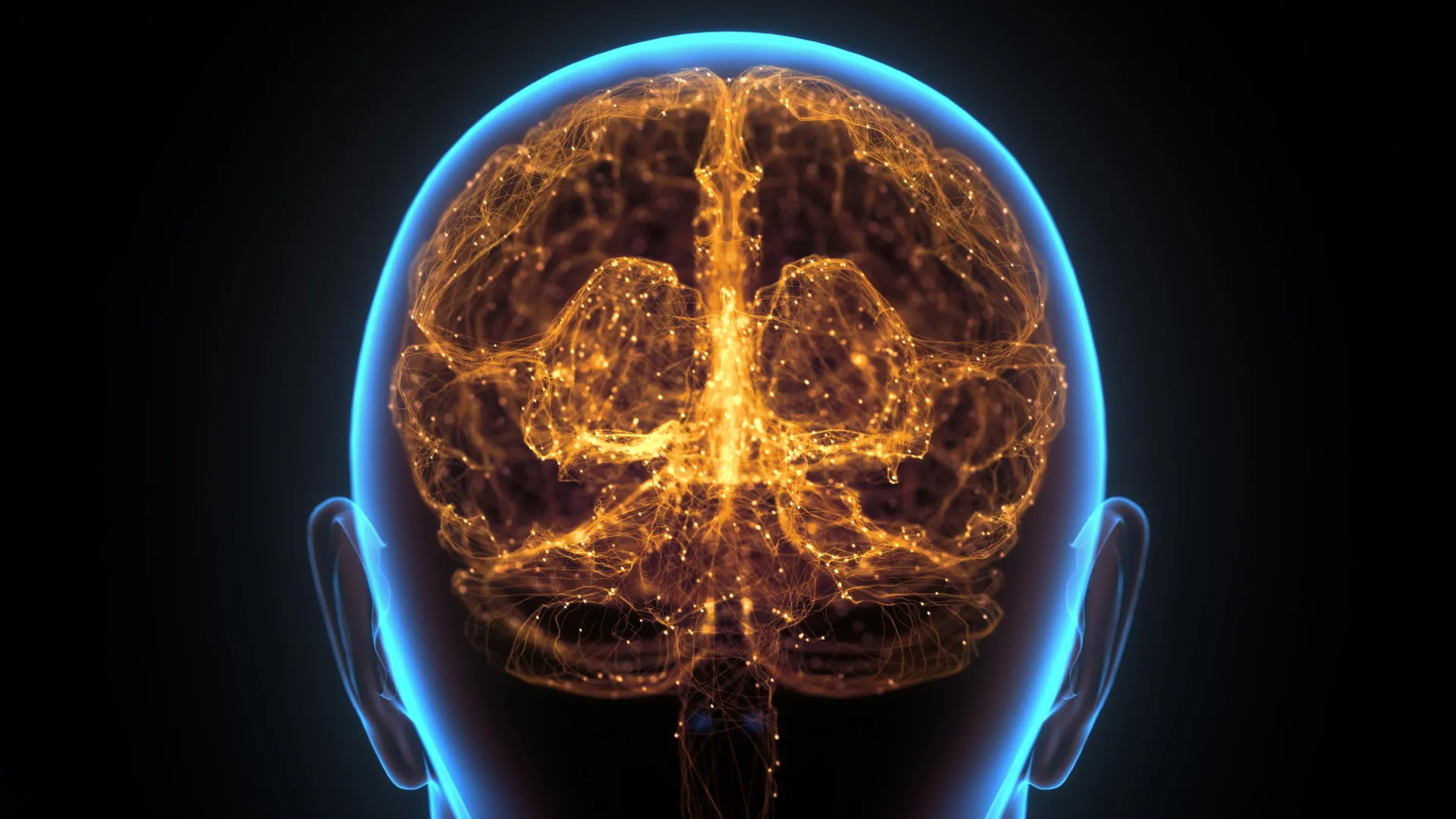
The biological understanding of human hematopoiesis—the process through which the body manufactures blood cells—has undergone a fundamental shift following a landmark study by researchers at the University of California, San Francisco (UCSF). For more than a century, the scientific consensus held that the bone marrow was the primary, if not exclusive, site of blood production in adult humans. However, new evidence published in the journal Blood reveals that the lungs play a far more sophisticated role in the circulatory system than previously realized. Researchers have identified a substantial population of hematopoietic stem cells (HSCs) residing within human lung tissue, capable of producing red blood cells, immune cells, and the platelets necessary for blood clotting.
The discovery, led by senior author Mark Looney, MD, a professor of medicine and laboratory medicine at UCSF, suggests that the lungs serve as a "second reservoir" for life-saving stem cells. This finding not only challenges foundational textbooks on human anatomy but also opens new avenues for treating blood-related cancers, such as leukemia, and managing chronic conditions that require frequent blood cell replenishment.
A Paradigm Shift in Hematology
To maintain physiological stability, the human body must produce approximately 200 billion new red blood cells every single day. This staggering rate of production is necessary to ensure that oxygen, captured in the lungs, is efficiently transported to every organ and tissue. Until now, the bone marrow was viewed as the sole "factory" capable of meeting this demand.
The UCSF study, supported by the National Heart, Lung, and Blood Institute (NHLBI) of the National Institutes of Health (NIH), provides a more complex picture of the body’s internal logistics. The research team found that the lungs do not merely facilitate the exchange of gases; they are active participants in the generation of the blood that carries those gases. Specifically, the lungs were found to contain hematopoietic stem cells and megakaryocytes—large bone-marrow cells responsible for the production of platelets.
"For decades, bone marrow transplants have been a lynchpin in the treatment of cancers like leukemia," Dr. Looney stated. "The lung HSCs could prove to be a second and significant reservoir of these precious stem cells, offering a potent source for future transplants and therapies."
Chronology of Discovery: From Mice to Humans
The journey toward this discovery began in 2017, when Dr. Looney’s team conducted a series of experiments using two-photon intravital imaging on mice. This advanced imaging technology allowed the scientists to observe individual cells within the microcirculation of a living lung. During those observations, they were surprised to find that the mouse lung was responsible for producing approximately 50% of the animal’s total platelet count.
Furthermore, the 2017 study identified a population of stem cells in the mouse lung that possessed the capacity to migrate to the bone marrow and restore blood production in mice that were stem-cell deficient. While the findings in mice were groundbreaking, the scientific community remained cautious about whether these results would translate to human biology.
To bridge this gap, the UCSF team spent years analyzing human tissue. They obtained donated samples of human lung, bone marrow, and peripheral blood to conduct a comparative analysis. By screening a volume of lung tissue roughly the size of a golf ball, the researchers identified HSCs that were phenotypically identical to those found in bone marrow.
Comparative Data: Lung vs. Bone Marrow Stem Cells
One of the most significant aspects of the study was the quantification and functional testing of these lung-resident stem cells. Catharina Conrad, MD, PhD, a postdoctoral scholar in Looney’s lab and the study’s first author, noted that these cells were not occasional outliers. "The lung HSCs weren’t one-offs—they were a reliable presence in the lungs," Conrad explained.
To determine if these cells were functional, the team placed lung-derived HSCs and bone-marrow-derived HSCs into "gold-standard" petri dish cultures designed to stimulate cell maturation. The results revealed distinct "specializations" between the two reservoirs:
- Production Focus: While both types of stem cells were highly productive, the lung-derived HSCs showed a higher propensity for creating red blood cells and megakaryocytes (platelets).
- Immune Output: Conversely, the bone marrow colonies were more prolific in producing various types of immune cells, such as leukocytes.
- Restorative Capability: In a critical validation step, the researchers transplanted human lung HSCs into mice with deficient bone marrow. The human lung cells successfully engrafted and began producing new blood, confirming their status as true hematopoietic stem cells.
This data suggests a complementary relationship between the two organs. The lungs may serve as a specialized site for oxygen-carrying and clotting components, while the bone marrow remains the primary hub for the body’s immune defense system.
Mapping the Lung’s Hematopoietic Niche
A vital question facing the researchers was whether these stem cells were truly residents of the lung or merely "in transit" through the pulmonary vasculature. To answer this, the team performed a detailed histological analysis of human lung tissue.
They discovered the HSCs located specifically in the perivascular space—the area surrounding the blood vessels. This arrangement mirrors the "niche" environment found in bone marrow, where specific structural configurations support the maintenance and activation of stem cells. "They really seem to live there and aren’t just passing through," Dr. Conrad noted, emphasizing that the lung provides a stable home for these cells.
The study further suggests that the lungs and bone marrow communicate through the circulatory system. In times of physiological stress—such as severe blood loss or bone marrow injury—the lung reservoir can be activated to supplement blood production. This "emergency reservoir" theory positions the lung as a critical backup system for human survival.
Redefining the "Bone Marrow" Transplant
The implications of this study extend directly into clinical practice, particularly regarding hematopoietic stem cell transplantation (HSCT), commonly referred to as bone marrow transplants. Currently, these transplants are used to treat a variety of conditions, including leukemia, lymphoma, and sickle cell anemia.
The UCSF team analyzed the output of routine modern transplants, which often involve drawing blood from a donor after administering medications that "mobilize" stem cells from the marrow into the bloodstream. Remarkably, the researchers found that nearly 20% of the stem cells currently used in these transplants carry the specific molecular signature of lung-resident HSCs.
This finding implies that what the medical community has traditionally called a "bone marrow transplant" has, in many cases, already been a "bone marrow and lung stem cell transplant." By identifying the unique characteristics of lung HSCs, doctors may be able to refine these procedures, perhaps selecting for lung-derived cells when a patient specifically needs increased red blood cell or platelet production.
Future Implications for Pulmonary and Hematologic Medicine
The discovery that the lungs are a blood-producing organ raises several new questions for the scientific community. Researchers are now looking to investigate how lung diseases, such as chronic obstructive pulmonary disease (COPD) or pulmonary fibrosis, might affect a patient’s ability to produce blood. If the lung’s hematopoietic niche is damaged by smoking or environmental toxins, it could lead to systemic issues beyond respiratory failure, such as anemia or clotting disorders.
Moreover, the discovery offers a potential explanation for why lung transplants are sometimes associated with unexpected hematologic changes in recipients. Understanding the interplay between the donor’s lung stem cells and the recipient’s bone marrow could lead to better outcomes in organ transplantation.
"The lungs are critical to blood circulation, so it’s tantalizing to see the lung HSCs as an emergency reservoir for red blood cell and platelet production," Dr. Looney concluded. "Now that we know they exist, it opens up a lot of new opportunities for a therapy that is very commonly used for patients in need."
As the medical community digests these findings, the focus will likely shift toward "organ-specific" hematology. If the lung is a reservoir, it is possible that other highly vascularized organs—such as the liver or spleen—may hold similar secrets. For now, the UCSF study stands as a definitive reminder that even the most well-mapped areas of human anatomy still hold the potential for profound discovery.
The research underscores the necessity of interdisciplinary study, merging the fields of pulmonology and hematology to better understand how the body maintains its most vital fluid. With the identification of the lung as a secondary site for blood production, the path is cleared for a new generation of stem cell therapies that are more targeted, more efficient, and potentially more successful in saving the lives of patients with blood and bone marrow disorders.