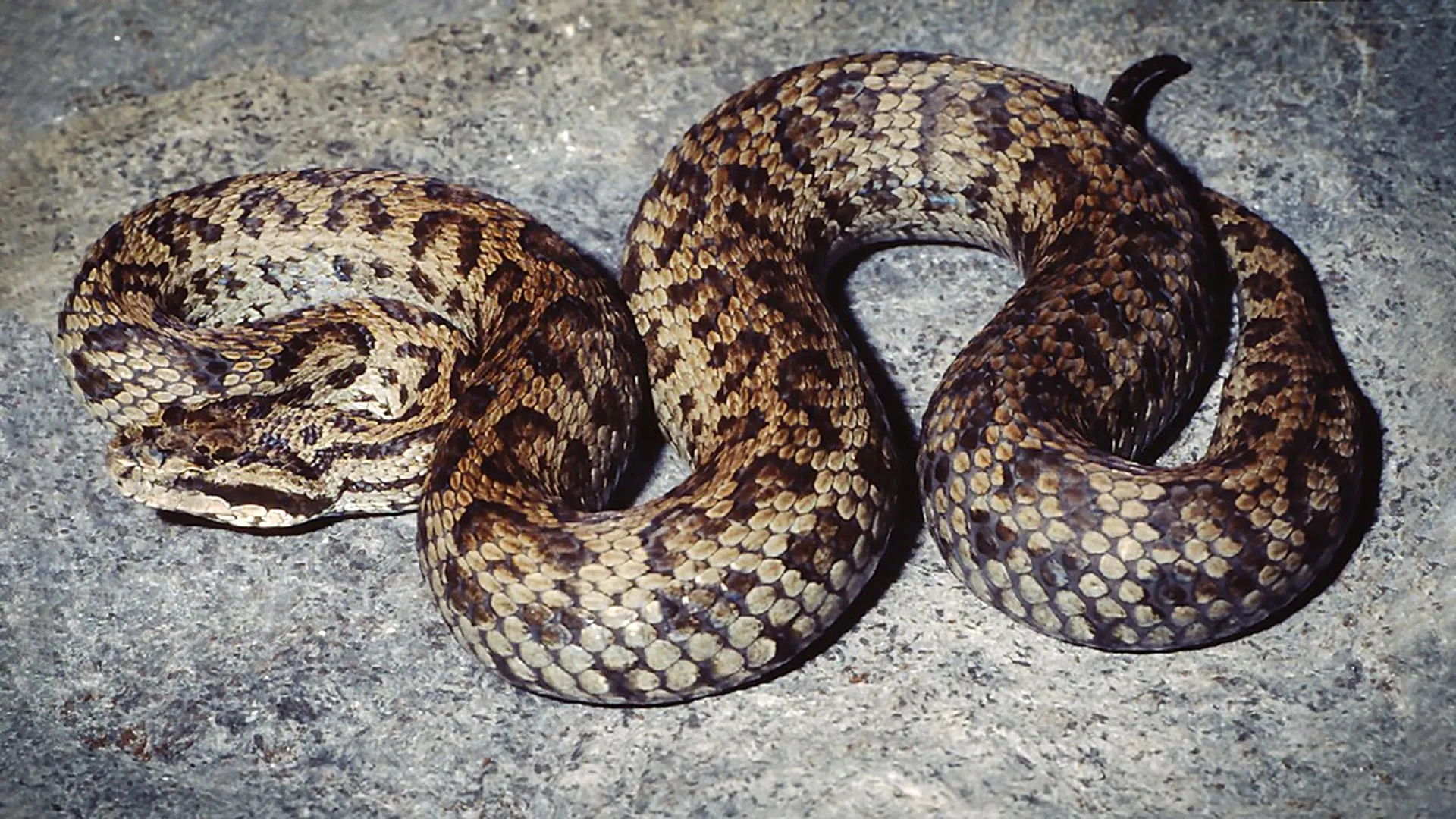
The remote and formidable mountain ranges of Asia, often described as the planet’s final frontiers for wildlife discovery, have yielded a significant revelation: what was long considered a single, widespread species of venomous snake, the Himalayan pit viper, has been scientifically demarcated into five distinct evolutionary lineages. This groundbreaking discovery, spearheaded by an international consortium of herpetologists, not only redefines our understanding of reptilian biodiversity in this ecologically rich region but also underscores the enduring importance of historical natural history collections. The findings, published in the esteemed open-access journal ZooKeys, paint a vivid picture of hidden evolutionary divergence within one of the world’s most challenging terrains.
The intricate research journey involved a multifaceted approach, blending cutting-edge genetic analysis with meticulous examination of skeletal morphology, observable physical characteristics, and detailed ecological data. For over a century, the Himalayan pit viper, first formally described in 1864, was broadly accepted as a single, ubiquitous species distributed across vast swathes of the Himalayan landscape. However, the modern scientific lens, equipped with advanced molecular tools and a re-evaluation of existing specimens, has unveiled a far more complex evolutionary narrative. This extensive re-examination has definitively shown that the ‘Himalayan pit viper’ is, in fact, an umbrella term encompassing several deeply divergent evolutionary lineages, each with its own unique genetic signature and distinct physical attributes.
A Legacy of Discovery: Unraveling Evolutionary Divergence
The comprehensive study identified five distinct species-level lineages within the group. These include the Himalayan pit viper in its most restricted scientific sense, a species already identified as Gloydius chambensis and formally described in 2022, and, most remarkably, three entirely new species that were previously unknown to the scientific community. These newly recognized species were discovered inhabiting different geographical pockets within Pakistan and Nepal, suggesting localized evolutionary pathways driven by the region’s dramatic topography and varied microclimates.
Dr. Daniel Jablonski, a lead researcher from Comenius University Bratislava, who has dedicated years to extensive fieldwork in Pakistan and Afghanistan, emphasized the profound significance of these findings. "These mountain systems still harbor overlooked vertebrate diversity and hold important clues to the biogeography of Asia," he stated. "By combining modern field sampling with data from historical museum specimens, we uncovered evolutionary lineages that had remained hidden for more than a century after the original description of the Himalayan pit viper." This sentiment highlights a recurring theme in biodiversity research: that the past, preserved in scientific archives, often holds the keys to future discoveries.
The Invaluable Archive: Ancient Museum Specimens Illuminate the Present
A pivotal element in the success of this research was the DNA extracted from specimens housed in natural history museums, some dating back to the 19th and early 20th centuries. These meticulously preserved biological archives, collected by intrepid explorers and naturalists of bygone eras, provided an indispensable link to the past. Among these historical treasures was the original "type specimen" of the Himalayan pit viper. This foundational specimen served as a critical reference point, allowing researchers to confirm the true scientific identity of the species and to accurately distinguish it from its newly identified relatives.
The study serves as a powerful testament to the enduring value of natural history collections. These institutions, often perceived as repositories of dusty relics, are in reality dynamic research hubs. For remote regions like the Himalayas, where ongoing fieldwork can be logistically challenging and inherently perilous, historical specimens offer an irreplaceable resource. They allow scientists to conduct analyses that were technologically impossible at the time of collection, effectively breathing new life into decades-old discoveries.
Sylvia Hofmann, affiliated with the Museum Koenig as part of the Leibniz Institute for the Analysis of Biodiversity Change, and a researcher with two decades of experience in the Himalayas and Tibetan Plateau, articulated the critical role of these collections. "Museum specimens are not just records of the past," she explained. "They are active research tools and essential infrastructure for future science. Some of the key evidence had been sitting in museum collections for more than a hundred years. We just didn’t have the tools to recognize it. As analytical methods continue to improve, the scientific value of these collections will only grow and revealing biodiversity we didn’t even know was there." This underscores a paradigm shift in how scientific heritage is viewed, transforming passive archives into active engines of discovery.
Ecological Significance: The Undersung Role of Pit Vipers
Herpetofauna, encompassing reptiles and amphibians, plays an often-underestimated yet crucial role in maintaining the health and balance of ecosystems. Snakes, including venomous pit vipers, serve as vital ecological indicators, providing insights into environmental health. As predators within complex food webs, they help regulate populations of prey species, and in many cases, contribute to the natural control of pest populations. The pit vipers of the Himalayan region, specifically adapted to the rugged and challenging mountain environments, represent some of the apex predators in their respective niches. Despite their ecological importance, their study has historically lagged behind that of other fauna in the Himalayas, a knowledge gap this research actively seeks to address.
Dr. Frank Tillack of the Museum für Naturkunde Berlin, Leibniz Institute for Evolution and Biodiversity Research, who has collaborated extensively with colleagues in Nepal for 35 years on reptile and amphibian biodiversity, stated, "Our work aims to close these gaps in knowledge and to lay the groundwork and provide inspiration for further, in-depth studies on this ecologically and medically relevant group." The medical relevance is also a significant consideration, as venomous snakes pose potential risks to human populations in affected areas, and understanding their venom composition and diversity is crucial for developing effective antivenoms.
Remote Regions, Enduring Mysteries: The Unfolding Biodiversity of Asia
The discovery of these new viper species serves as a compelling reminder of the vast tracts of Asia that remain biologically underexplored, particularly in regions that have been historically difficult for scientists to access. These challenges can stem from geographical remoteness, extreme environmental conditions, or socio-political instability.
Rafaqat Masroor, a leading herpetologist at the Pakistan Museum of Natural History, expressed his enthusiasm and surprise. "Pakistan’s high mountains are still full of biological surprises," he remarked. "This finding highlights how little we still know about a region long shaped by socio-political instability." The intricate interplay of geography, climate, and evolutionary history in these isolated mountain ranges has evidently fostered unique evolutionary trajectories, leading to the diversification of species in ways previously unimagined.
Conservation Imperatives: Protecting Newly Revealed Biodiversity
Beyond the thrill of scientific discovery, the identification of these new species carries significant implications for conservation efforts. The research suggests that each of the newly recognized Himalayan pit viper species appears to occupy a relatively restricted geographical range within fragile mountain ecosystems. This localization makes them particularly vulnerable to environmental changes, habitat degradation, and other anthropogenic pressures.
"Each of the newly recognized species seems to occupy a relatively restricted range in fragile mountain environments, highlighting new ecological and evolutionary questions," noted Dr. Jablonski. The ability to accurately identify and delineate species is a foundational requirement for effective conservation. Without a clear understanding of the number of species present, their distribution, and their ecological needs, conservationists cannot adequately assess threats, prioritize conservation actions, or develop robust plans to protect them from extinction. The ongoing impact of climate change on high-altitude ecosystems further amplifies the urgency of these conservation concerns, as these unique environments are particularly susceptible to shifts in temperature and precipitation patterns.
The study’s implications extend to a broader understanding of Asia’s biogeography. The distinct genetic lineages identified suggest ancient divergence events, possibly linked to geological shifts, climatic fluctuations, or the formation of the Himalayan mountain range itself. Future research will likely delve deeper into the evolutionary history of these vipers, potentially shedding light on the broader patterns of speciation and adaptation that have shaped the biodiversity of the entire region. The painstaking work of taxonomists, geneticists, and field biologists, combined with the foresight of earlier generations who preserved invaluable specimens, continues to unlock the secrets held within Earth’s most remote and spectacular landscapes. The Himalayan pit viper, once thought to be a singular entity, now stands as a symbol of the vast, uncharted biological treasures that still await discovery.