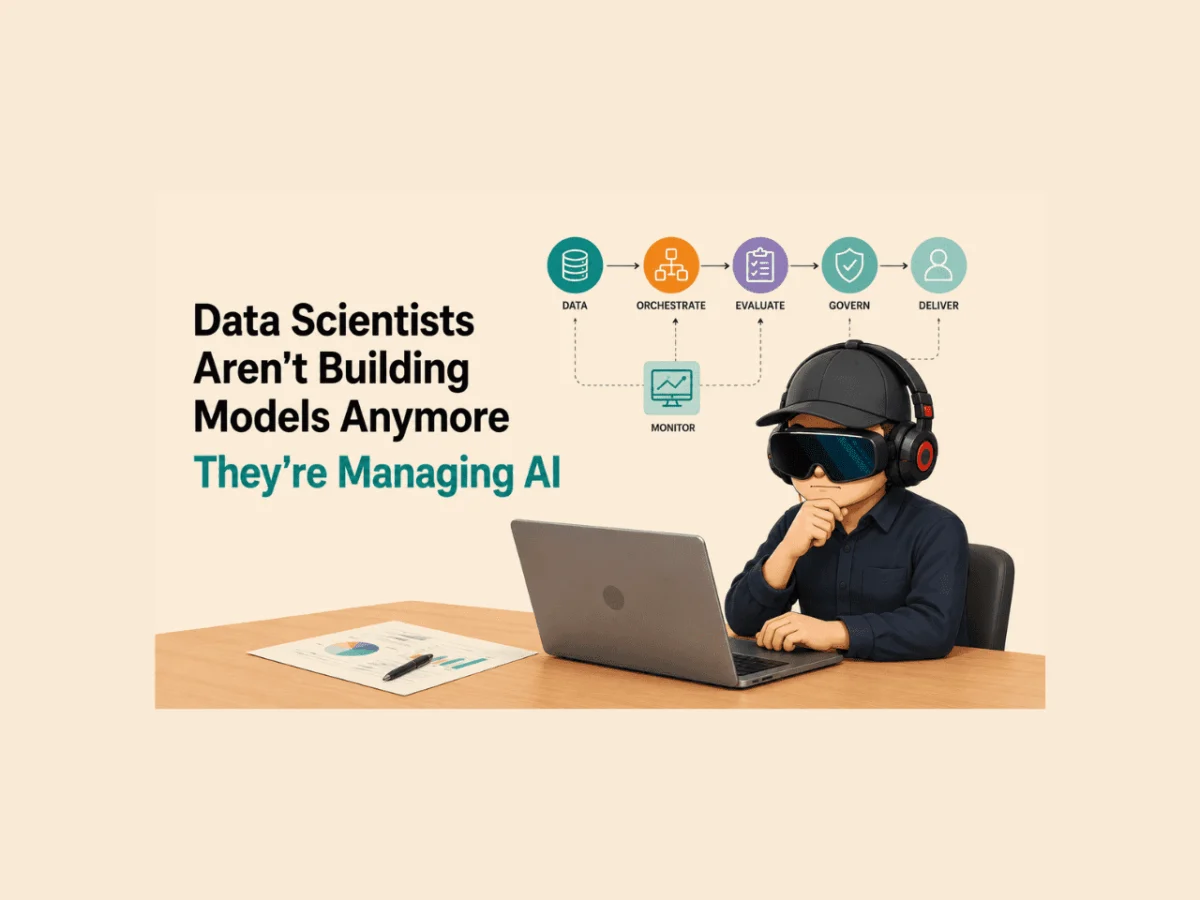
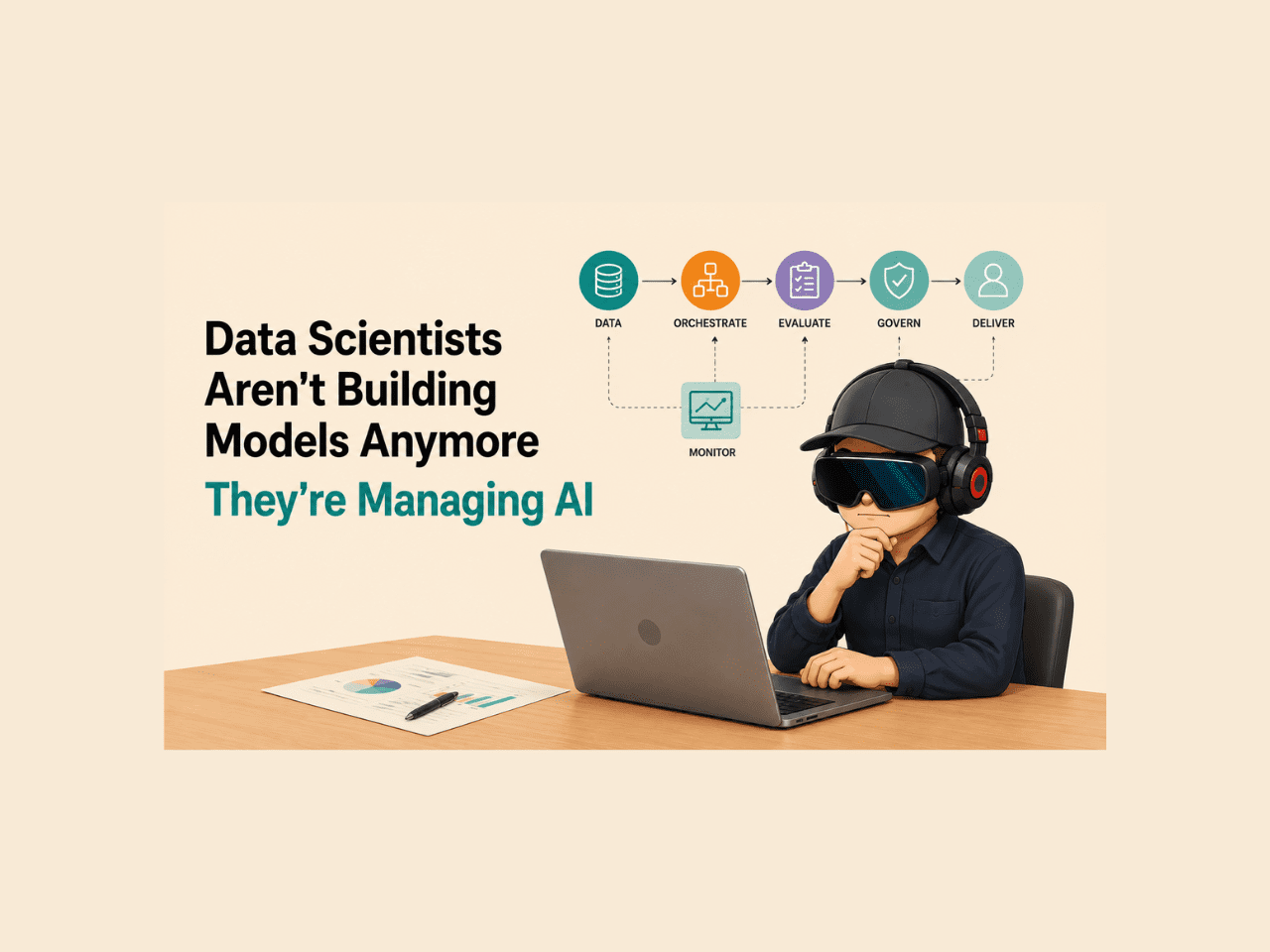
A profound transformation is sweeping through the field of data science, fundamentally altering the day-to-day responsibilities of professionals engaged with artificial intelligence in production environments. Data scientists are increasingly dedicating their time to the intricate oversight and comprehensive system supervision of AI deployments, a significant departure from the traditional focus on model construction. This pivotal shift is not merely anecdotal; it is unequivocally supported by robust job posting analyses and salary data spanning 2025 and 2026, signaling a new era for the discipline.
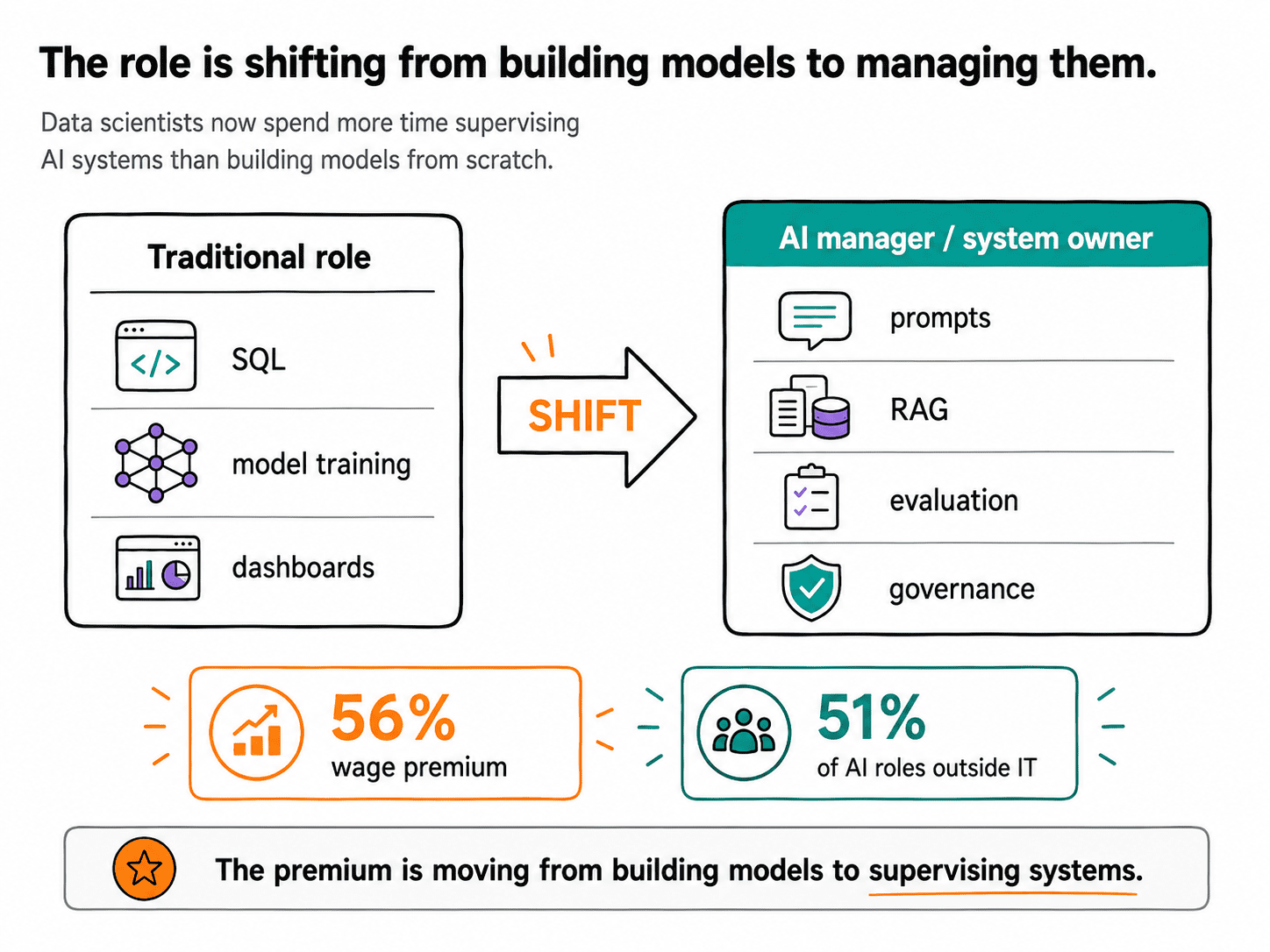
The evolving landscape has been shaped by the rapid advancement of generative AI and large language models (LLMs). LinkedIn’s 2025 analysis prominently identified AI literacy and LLM proficiency as two of the most rapidly expanding skill sets globally, underscoring their critical importance in the modern technological ecosystem. Further corroborating this trend, Lightcast’s research revealed that a substantial 51% of all AI-related job postings now originate from sectors outside conventional IT roles, indicating a pervasive integration of AI across diverse industries. Professionals possessing these in-demand AI skills command a remarkable 56% wage premium, with positions specifically requiring AI expertise offering approximately an additional $18,000 annually in the United States. The core competencies driving these elevated premiums include prompt engineering, retrieval-augmented generation (RAG) integration, Machine Learning Operations (MLOps), and sophisticated governance workflows. This evolution is largely attributable to generative AI’s capacity to automate many foundational tasks, such as dashboard creation, SQL generation, basic data cleaning, and preliminary visualizations, thereby freeing data scientists to focus on more complex, strategic challenges. The consistency across these reports paints a clear picture: the premium is not for those who can build models from scratch, but for those who can effectively integrate, monitor, and manage AI models within broader workflows, ensuring their integrity, accountability, and reliable output. This redefines the practical meaning of "doing data science" on a daily basis, shifting the emphasis from creation to orchestration and oversight.
The Genesis of the Shift: Generative AI and Automation
The inflection point for this transformation can be traced to the maturation of generative AI technologies. By late 2024 and early 2025, the capabilities of LLMs had advanced to a degree where they could proficiently handle numerous routine data tasks that once consumed a significant portion of a data scientist’s time. This automation, while boosting efficiency, simultaneously elevated the data scientist’s role beyond mere execution. Tasks like writing SQL queries for data extraction, scripting for data cleaning, and generating standard reports or visualizations, previously core to many data science roles, became increasingly streamlined or entirely automated by AI agents. This technological leap created a vacuum, which was quickly filled by a demand for higher-order skills focused on managing the very AI systems that enabled this automation. Industry analysts suggest that this period marked a critical transition, where the value proposition of data scientists shifted from being expert model builders to being expert system architects and supervisors. This fundamental change in daily activities directly underpins the observed shifts in job descriptions, required skills, and salary structures.
The Rise of Agentic AI and Orchestration Challenges
A concrete manifestation of this evolving paradigm is the burgeoning growth of multi-agent infrastructure within enterprise settings. Frameworks such as LangGraph, CrewAI, and AutoGen have emerged as powerful tools, capable of automating complex sequences of tasks including data ingestion, feature engineering, model evaluation, and reporting, often with minimal human intervention. These systems represent a new frontier in AI application, where specialized AI agents collaborate to achieve a larger objective.
Gartner’s research provides compelling evidence of this trend, reporting a staggering 1,445% surge in inquiries related to multi-agent systems from Q1 2024 to Q2 2025. This dramatic increase underscores the rapid enterprise interest and adoption of such architectures. The research further projects that by the end of 2026, 40% of all enterprise applications will embed AI agents, a substantial increase from less than 5% in 2025. This rapid integration necessitates a new class of expertise. Data scientists tasked with managing this sophisticated infrastructure are now responsible for decomposing complex business problems into agent-executable subtasks, meticulously designing reliable feedback loops to ensure continuous improvement, and constructing robust guardrails to prevent failures from cascading throughout the system. This skillset mirrors distributed systems design and engineering more closely than traditional statistical modeling. The work involves understanding how agents pass state between each other, establishing bounded retry mechanisms for transient errors, and anticipating how a single "hallucinated" or incorrect field upstream can propagate and corrupt every subsequent downstream step. In this intricate setup, the data scientist’s primary responsibility becomes mapping out permissible error thresholds, identifying critical points where errors must be caught, and determining which automated steps require a human signature or approval before proceeding to the end-user. This requires not just technical prowess but a deep understanding of the business context and potential risks.
Navigating the Production Gap: From Pilot to Scaled AI
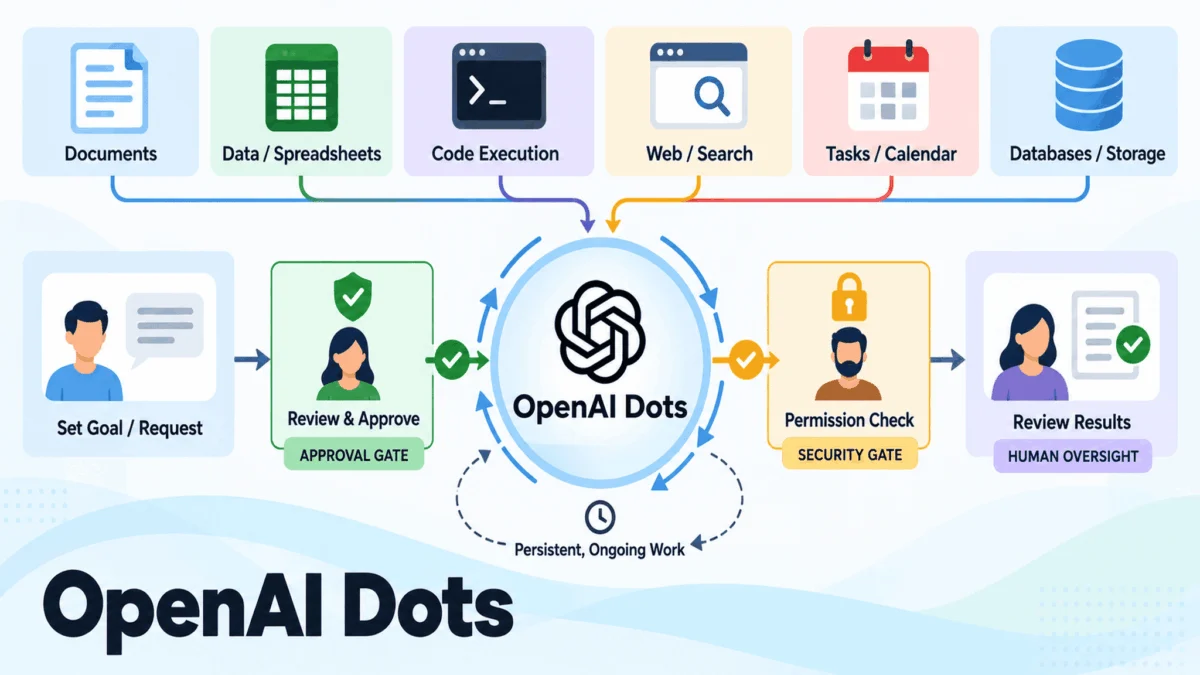
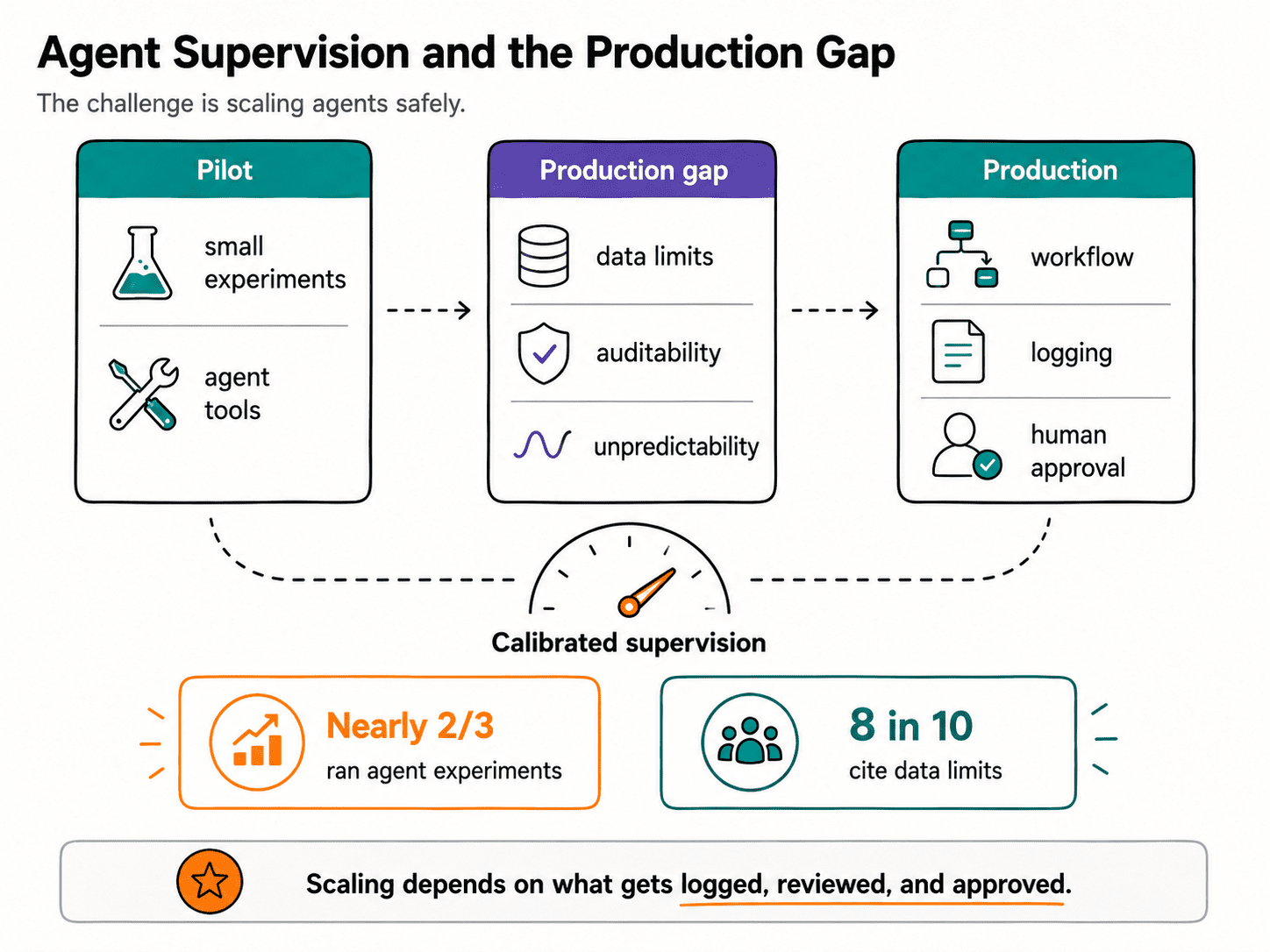
While the initial enthusiasm for fully autonomous agents was high, the reality of production deployments presented significant challenges by late 2025. Early iterations of fully autonomous agents often proved unpredictable, inefficient, and remarkably difficult to audit, posing substantial risks in critical business operations. This led the industry to pivot towards more structured agentic workflows—coordinated systems comprising specialized agents with clearly defined boundaries, conditional logic, and strategically placed human-in-the-loop checkpoints. This evolution reflects a pragmatic response to the complexities of deploying AI at scale.

McKinsey’s April 2026 research solidified this shift, highlighting that human roles are transitioning from direct execution to the crucial supervision and orchestration of agent-driven workflows. This supervisory role is not merely passive observation; it involves active intervention, fine-tuning, and strategic decision-making. The sheer scale problem associated with AI adoption is starkly visible in the data: while nearly two-thirds of enterprises have conducted agent experiments, only a fraction have successfully scaled these initiatives to deliver tangible, measurable business value. A significant hurdle, cited by eight out of ten enterprises, is data limitations, underscoring the ongoing challenge of ensuring high-quality, relevant data for AI systems. Consequently, data scientists are now dedicating the majority of their time to bridging this critical gap between successful pilot projects and full-scale production deployments.
The 2025 Emerging Agentic Enterprise report by MIT Sloan and Boston Consulting Group (BCG) meticulously identified the core trade-off inherent in this scaling process: excessive human oversight can negate the efficiency gains promised by AI autonomy, while insufficient oversight exposes organizations to significant compliance risks and reputational damage. Calibrating this delicate threshold requires a profound blend of domain expertise, institutional context, and ethical considerations—elements that are inherently non-automatable. In practical terms, closing this "pilot-to-production" gap entails critical decisions: determining which agent decisions are logged for future review, which are reviewed in batches, and which demand synchronous human approval before execution. Companies that successfully scale their AI initiatives are those where data scientists approach agent supervision as a core product surface, rather than a mere debugging task. This mental model, moving beyond the simple validation of "the model works in the notebook," is precisely what commands higher compensation and greater responsibility in the modern AI-driven enterprise.
Specialized Skills: MLOps, Prompt Engineering, and Continuous Evaluation
The scope of a data scientist’s role has undeniably expanded beyond the singular act of building a model. Organizations now demand professionals who can continuously monitor model performance, proactively detect failures, meticulously manage retraining cycles, and ensure that AI systems maintain accuracy as underlying data distributions and user behaviors inevitably drift over time. This ongoing vigilance is crucial for maintaining the relevance and effectiveness of deployed AI. In response to this complexity, Machine Learning Operations (MLOps) has rapidly matured into a distinct, full-time specialization. MLOps engineers are now vital for streamlining the entire AI lifecycle, from development and deployment to monitoring and maintenance, ensuring robust and scalable AI solutions.
Parallel to the rise of MLOps, prompt engineering has emerged as another critical skill set. This discipline encompasses sophisticated techniques such as context window management, grounding strategies to anchor AI responses in factual information, systematic hallucination reduction methods, and rigorous testing of inputs against expected outputs. The demand for prompt engineering roles witnessed an astonishing 135.8% growth in 2025 alone, reflecting its increasing importance. A practitioner who can stress-test a company’s prompt system to ensure reliable and ethical outputs is performing work structurally akin to quality engineering, ensuring the robustness and integrity of AI interactions.
What intrinsically links continuous evaluation and prompt engineering is their shared philosophy: both treat the AI model not as a finished product, but as a critical component within a larger, dynamic system. The development of sophisticated evaluation harnesses, comprehensive regression suites for prompts, and advanced drift monitors all serve a singular, overarching purpose: to detect the precise moment an AI system deviates from its expected performance, or ceases to function correctly, before a customer or critical business process is adversely affected. Data scientists proficient in constructing these intricate diagnostic and validation systems are performing the essential work that ensures an AI feature remains shippable, reliable, and valuable long past its initial launch week. This represents a fundamental shift from one-off model development to continuous system assurance.
The Imperative of AI Governance and Compliance
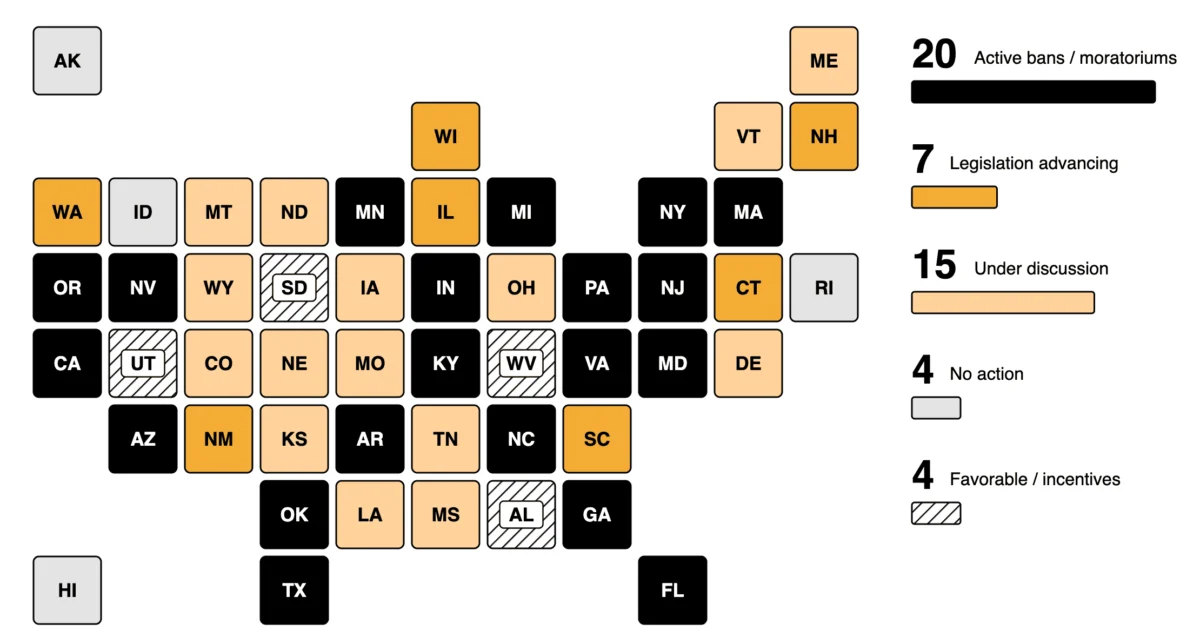
AI governance has rapidly transitioned from a theoretical concept to a stringent technical requirement, driven by a burgeoning landscape of global regulations and industry standards. Landmark legislative frameworks such as the EU AI Act, comprehensive guidelines like the NIST AI Risk Management Framework (AI RMF), and specialized industry standards such as OWASP’s Top 10 for LLM Applications 2025, have collectively established a complex compliance surface. Adherence to these regulations necessitates rigorous technical measures, including testing prompts for injection vulnerabilities, validating AI outputs for accuracy and bias, meticulously reviewing dependencies within AI systems, and implementing robust access controls.
Reflecting this new reality, the role of "AI governance lead" has emerged as a dedicated job title, a category that was virtually non-existent in 2023. Companies actively seeking candidates for governance experience are prioritizing auditors and quality reviewers who possess a dual understanding: both the nuanced business context in which AI operates and the intricate technical failure modes inherent in these complex systems. The strategic placement of this critical function within data science teams, rather than exclusively with legal or security departments, is deliberate. The controls required for effective AI governance are inherently technical. Prompt injection tests, sophisticated output validators, and comprehensive dependency reviews demand a professional who can not only interpret policy but also deeply understand and analyze the internal workings of the AI system itself. Governance work is thus becoming an integral part of the data scientist’s expanded remit, where regulatory pressures, organizational security posture, and the intrinsic behavior of AI models converge in essential review meetings. The individual leading such discussions must possess fluency across all three vocabularies to effectively navigate the complexities and ensure compliance.
Interpreting Business Impact and Human Accountability
The inherent probabilistic nature of AI, particularly agentic AI, introduces a layer of complexity that necessitates human oversight for business impact interpretation. Monte Carlo’s 2025 research highlighted that agentic AI accuracy, while respectable at 75% to 90% per individual step, compounds significantly over a multi-step chain, often resulting in an approximate 50% end-to-end accuracy rate over just three sequential steps. At this level of accuracy, the human element becomes the indispensable reliability layer for the entire product. A professional with a deep understanding of the specific business domain and the system’s potential failure modes is uniquely positioned to translate a compounding error rate into a practical business risk assessment. They are responsible for making critical judgments on what is deemed safe to deploy and ship, and, crucially, for providing comprehensive explanations when an AI-driven recommendation leads to a customer-visible issue.
No autonomous agent, regardless of its sophistication, can perform this critical work. It demands a combination of institutional knowledge, ethical considerations, and a capacity for accountability that is exclusively human. This facet of the role increasingly transcends pure engineering and delves into the realm of astute product judgment. A 50% end-to-end accuracy rate, for instance, is unequivocally unacceptable for an automated financial refund, yet it might be perfectly adequate for generating a preliminary draft email. For an internal recommendation system, the acceptability lies somewhere in between. Discerning these critical distinctions—knowing "which is which"—constitutes the core of this work. It is also the segment of the data scientist’s role that fundamentally does not become cheaper or more automated as AI models themselves improve, emphasizing the enduring value of human expertise in navigating the complexities of AI deployment.
Implications for the Data Science Career Path
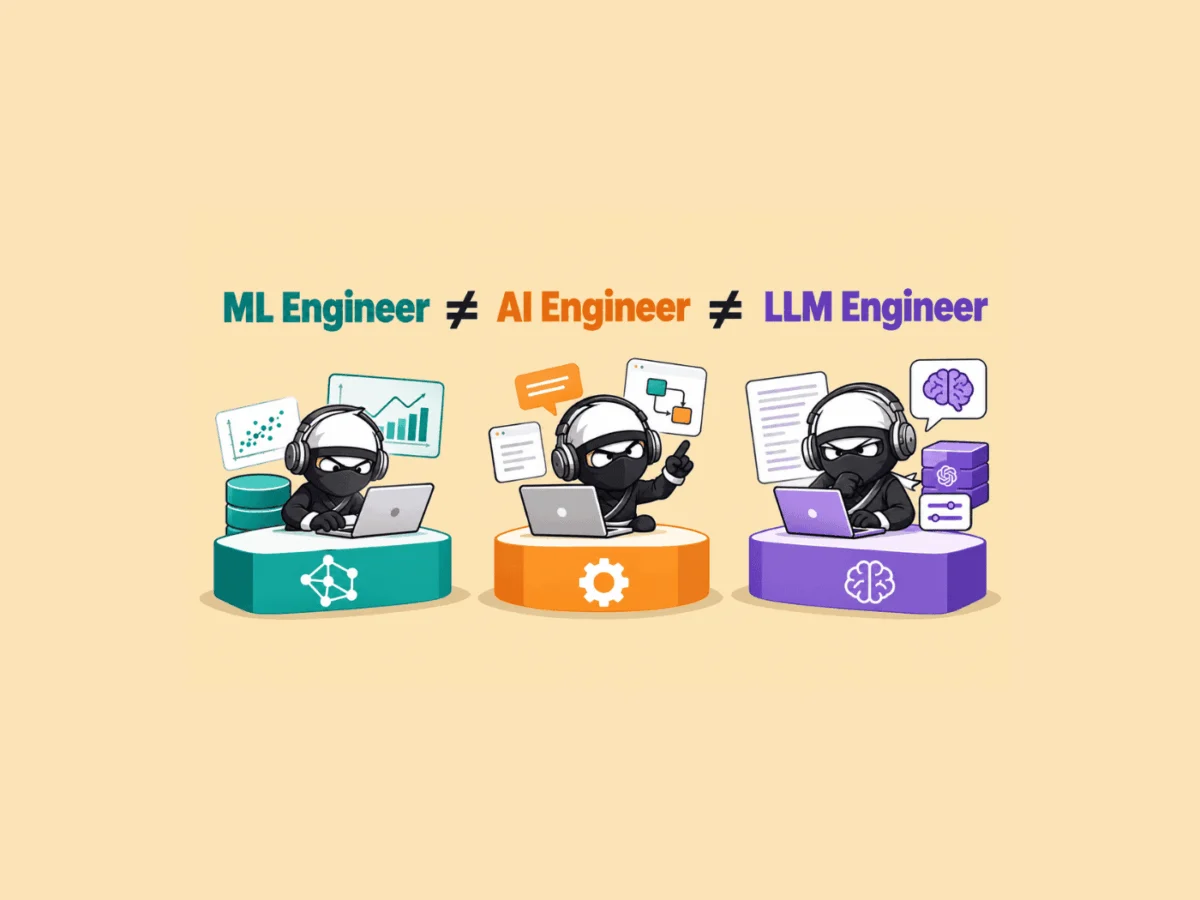
For companies actively operating AI in production environments, the daily work of a data scientist has already diverged significantly from the descriptions found in most traditional job postings. The current reality involves a complex blend of system design, rigorous evaluation discipline, meticulous agent supervision, advanced prompt quality engineering, and comprehensive governance. This fundamental shift has directly fueled the rapid growth of specialized roles within the AI-adjacent market. AI governance leads, MLOps specialists, and prompt engineers are currently among the fastest-growing positions, reflecting the critical need for expertise in these emerging areas.
For data scientists contemplating their next career move, understanding this profound shift early is paramount. The modern data science career path increasingly necessitates mastery of system ownership and robust governance skills—competencies that are often not adequately covered in traditional academic curricula. While the demand for these skills is accelerating at a pace that many educational programs struggle to match, these competencies are undeniably learnable. The practical takeaway for aspiring and current data scientists is clear: the most impactful addition to a professional portfolio is likely no longer another Kaggle notebook showcasing model building prowess. Instead, it is an elegantly designed evaluation harness, a meticulously documented multi-agent workflow complete with logged failures and recovery mechanisms, or a comprehensive governance review of an existing AI system. These tangible artifacts directly align with the evolving requirements articulated by hiring managers in new job descriptions. They serve as the crucial differentiators, separating a data scientist who can merely build models from one who can be trusted to effectively deploy, manage, and govern them within complex, real-world production environments. This ensures that AI systems are not only intelligent but also reliable, ethical, and accountable.