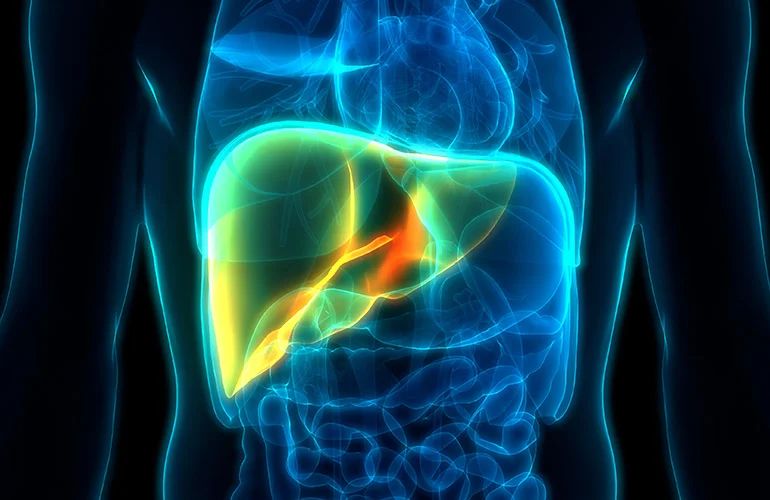
For decades, metabolic dysfunction-associated steatohepatitis (MASH), a more serious inflammatory form of fatty liver disease, remained a largely overlooked condition, characterized by a significant absence of approved therapeutic interventions. This landscape is now rapidly transforming, with pharmaceutical giants like Boehringer Ingelheim making a concerted and strategic push into this challenging therapeutic area. The company is leveraging its promising investigational compound, survodutide, a novel GLP-1/glucagon receptor dual agonist, not only for its established efficacy in obesity but also for its potential to address the complex pathology of MASH.
The Unmet Need in MASH: From Overlooked to Overwhelmed
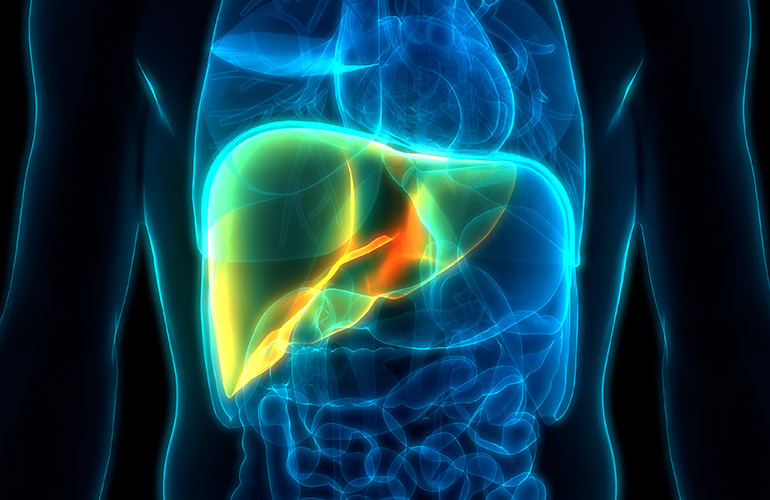
MASH, formerly known as nonalcoholic steatohepatitis (NASH), represents a severe progression of metabolic dysfunction-associated steatotic liver disease (MASLD, formerly NAFLD). It is characterized by excessive fat accumulation in the liver, accompanied by inflammation and hepatocyte injury, which can lead to progressive fibrosis, cirrhosis, liver failure, and hepatocellular carcinoma. The global prevalence of MASLD is estimated to be around 25%, with MASH affecting approximately 1.5% to 6.5% of the adult population worldwide. Given its strong association with obesity, type 2 diabetes, and metabolic syndrome, the rising global burden of these conditions underscores the urgent need for effective MASH treatments.
Historically, MASH drug development was fraught with failures, earning it the grim moniker of a "graveyard for drug discovery." Numerous late-stage clinical trials for promising compounds yielded disappointing results. For instance, Gilead’s selonsertib, an ASK1 inhibitor, failed to meet its primary endpoints in Phase 3 trials for advanced fibrosis and compensated cirrhosis. Similarly, Genfit’s elafibranor, a PPAR-alpha/delta agonist, did not achieve its interim analysis goals in the Phase 3 RESOLVE-IT trial. Intercept Pharmaceuticals’ obeticholic acid, a farnesoid X receptor (FXR) agonist, faced repeated rejections from the FDA, highlighting the immense scientific hurdles in targeting this multifactorial disease. These setbacks underscored the profound complexity of MASH pathophysiology and the difficulty in developing therapies that could effectively reverse liver damage, particularly fibrosis.
A New Dawn in MASH Therapy: Recent Breakthroughs Pave the Way
The tide, however, has begun to turn, marking a significant paradigm shift in MASH treatment. March 2024 saw a landmark approval with Madrigal Pharmaceuticals’ Rezdiffra (resmetirom), an oral thyroid hormone receptor-beta agonist, becoming the first FDA-approved treatment specifically for MASH/NASH with moderate-to-advanced fibrosis. This approval was a pivotal moment, validating the potential for targeted therapies in this space. Following this, in August 2025, the FDA granted accelerated approval to Novo Nordisk’s Wegovy (semaglutide) for adults with noncirrhotic MASH and moderate-to-advanced fibrosis. While contingent on confirmatory evidence, this marked the first GLP-1 therapy cleared for the condition, signaling the growing recognition of incretin-based drugs in metabolic liver disease. These recent successes have injected new optimism and intensified pharmaceutical industry interest in MASH.
Boehringer Ingelheim’s Strategic Offensive: The LIVERAGE Program
Boehringer Ingelheim is strategically positioning survodutide at the forefront of its efforts in MASH. Neeraja Balachander, who oversees the company’s cardio-renal-metabolic portfolio, articulated the comprehensive nature of this initiative, stating, "We have a program in MASH, in the liver, the LIVERAGE program, plus a robust data-generation program to come over the next couple of years, because we want to bring a comprehensive package for metabolic health." The LIVERAGE program itself is a Phase 3 clinical development initiative, specifically designed for adults diagnosed with MASH and hepatic fibrosis, signifying Boehringer Ingelheim’s deep commitment to addressing this critical unmet need. This program aims to generate definitive evidence of survodutide’s efficacy in improving liver histology and clinical outcomes for patients with MASH.
The company’s approach is not merely reactive but proactive, built upon a foundation of understanding the intricate links between metabolic dysfunction and liver health. Balachander emphasized that the scientific appeal of MASH harks back to "medicine 101." The liver, as the largest internal organ, possesses a remarkable capacity for regeneration, and crucially, liver fibrosis is, to some extent, reversible. This inherent plasticity of the liver offers a window of opportunity for therapeutic intervention, despite the historical challenges. Boehringer Ingelheim’s strategy is to harness this regenerative potential by targeting the underlying metabolic derangements that drive MASH progression.
Survodutide: A Dual Agonist with Broad Metabolic Impact
Survodutide distinguishes itself as a novel GLP-1/glucagon receptor dual agonist. While the GLP-1 component places it within the same therapeutic class as established obesity medications like semaglutide and tirzepatide, the addition of glucagon agonism provides a unique mechanistic advantage. Glucagon receptors are widely distributed throughout the body, predominantly found on the liver, pancreas, kidney, lungs, and heart. This broad distribution suggests a more systemic metabolic impact beyond what single GLP-1 agonists might offer.
The mechanistic rationale for survodutide in MASH begins with insulin resistance, a central metabolic dysfunction linking obesity, type 2 diabetes, and fatty liver disease. Balachander highlighted a fascinating aspect of MASH pathology: "In MASH, people have found glucagon resistance: the body produces glucagon but somehow it doesn’t act on the liver." This impaired glucagon signaling is believed to contribute significantly to the accumulation of fat within organs, particularly the liver, in patients with MASLD. By acting as a dual agonist, survodutide aims to restore or enhance both GLP-1 and glucagon signaling pathways, thereby addressing multiple facets of metabolic dysregulation.
The GLP-1 component is well-known for its effects on glucose homeostasis, appetite suppression, and weight loss. It promotes insulin secretion in a glucose-dependent manner, inhibits glucagon release, slows gastric emptying, and increases satiety. The glucagon component, in the context of a dual agonist, is hypothesized to offer additional benefits such as enhanced energy expenditure, direct reduction of hepatic fat, and potentially anti-inflammatory effects in the liver. This synergistic action could lead to more profound improvements in metabolic parameters relevant to MASH.
Compelling Clinical Data: Obesity and Liver Fat Reduction
Boehringer Ingelheim has already generated compelling clinical data for survodutide, particularly from its SYNCHRONIZE Phase 3 program. The headline readout for survodutide’s obesity indication came from the SYNCHRONIZE-1 trial, a 76-week Phase 3 study published on June 7, 2026, in The New England Journal of Medicine. This trial involved 725 adults with obesity but without diabetes and met both primary endpoints. Participants receiving the higher 6.0-mg dose of survodutide achieved an average body weight loss of 13.0%, significantly outperforming the 5.4% observed in the placebo group under the trial’s primary analysis. Furthermore, a substantial 71.9% of participants on survodutide lost at least 5% of their body weight, a clinically meaningful threshold for improving metabolic health.
Beyond systemic weight loss, the data presented at the 2026 American Diabetes Association (ADA) Scientific Sessions provided a crucial glimpse into survodutide’s direct impact on liver health. Balachander emphasized that these liver-fat results were "just our first tranche of [survodutide] data coming out at ADA," signaling more comprehensive data to follow. In the same SYNCHRONIZE-1 trial, survodutide demonstrated a remarkable reduction in liver fat, by up to 63.1%. This is a critical indicator, as excess liver fat is the precursor to inflammation and fibrosis in MASH.
Further reinforcing its potential in MASH, the separate SYNCHRONIZE-MASLD trial showed even more specific benefits. Approximately 6 out of 10 patients (around 60%) achieved liver fat normalization after 48 weeks of treatment with survodutide. Liver fat normalization is a highly desirable outcome in MASH, indicating a significant reversal of the disease’s foundational pathology. These results suggest that survodutide’s dual agonism may confer distinct advantages in directly addressing hepatic steatosis, laying the groundwork for potential improvements in inflammation and fibrosis.
A Shift Towards "Quality Weight Loss" and Upstream Intervention
The evolution of MASH research reflects a broader paradigm shift in drug development. Early efforts often targeted the downstream consequences of the disease, such as inflammation and fibrosis, often after significant damage had already occurred. Balachander acknowledged this historical approach, stating, "we almost came late to the game." However, the current strategy, exemplified by Boehringer Ingelheim, is to "go more upstream and ask why there’s inflammation." This focus on the upstream metabolic triggers, rather than just the resultant damage, is believed to be a key factor behind the recent successes in MASH drug discovery.
Scientific reviews of MASH consistently support this perspective, describing the condition as a metabolically driven process. Excess fatty acids and toxic lipid intermediates are known to induce hepatocyte stress, activate macrophages, and initiate fibrotic signaling pathways. By targeting these upstream metabolic derangements, drugs like survodutide aim to interrupt the cascade of events leading to severe liver disease.
This shift also has profound implications for the broader metabolic drug landscape. Since semaglutide’s approval for obesity in 2021, the space has become increasingly competitive, with multiple mechanisms vying for market share. Balachander predicted that this intensified competition would lead to a "big downstream effect on how we look at targeted mechanisms beyond just weight loss." The focus is moving beyond simply the number of pounds lost to what she termed "quality weight loss," implying a holistic improvement in metabolic health, including benefits to organ systems like the liver. This suggests a future where treatment success is measured not just by scale readings but by tangible improvements in disease markers and overall health outcomes.
Competitive Landscape and Future Outlook
The MASH market, once barren, is now rapidly becoming a competitive arena. With Rezdiffra and Wegovy already approved, and several other promising compounds in various stages of clinical development, survodutide will enter a dynamic environment. Its unique dual GLP-1/glucagon agonism positions it as a potentially differentiated therapy. While GLP-1s like semaglutide offer significant weight loss and some liver benefits, the added glucagon component of survodutide might provide a more direct and potent effect on hepatic fat reduction and metabolic improvements crucial for MASH.
The comprehensive nature of Boehringer Ingelheim’s "metabolic health" package, as articulated by Balachander, suggests a strategic vision that extends beyond MASH. Given the strong links between obesity, type 2 diabetes, cardiovascular disease, and MASH, a drug that can effectively address multiple facets of metabolic dysfunction holds immense market potential and could significantly impact public health. Survodutide’s strong performance in obesity, coupled with its encouraging liver fat reduction data, positions it as a leading contender in both the burgeoning obesity and MASH markets.
As the LIVERAGE program progresses through Phase 3, the scientific community and patients will eagerly await further data on survodutide’s ability to achieve histological improvement in MASH, including resolution of steatohepatitis and improvement in fibrosis. The success of this dual agonist could redefine treatment standards, offering a more comprehensive and upstream approach to managing a disease that has historically posed insurmountable challenges to drug developers. Boehringer Ingelheim’s strategic focus on MASH with survodutide represents not just a business opportunity, but a significant step forward in addressing a global health crisis that impacts millions.