In a landmark study published on July 17, 2026, in the journal Science Advances, researchers at Sanford Burnham Prebys have unveiled a significant breakthrough in the understanding of neurodegenerative diseases, identifying the protein SORLA as a potent biological shield against the accumulation of toxic tau tangles. This discovery marks a pivotal shift in Alzheimer’s research, as it suggests a unified defense mechanism that may address both of the primary hallmarks of the disease: amyloid-beta plaques and tau-related neurodegeneration. While SORLA’s role in regulating amyloid-beta has been documented for nearly two decades, its newly discovered ability to mitigate tau pathology offers a promising new avenue for therapeutic intervention in a field that has long struggled to find effective treatments.
The Biological Mechanics of Tau and Neurodegeneration
Alzheimer’s disease and other tauopathies—a category of neurodegenerative disorders that includes Pick’s disease and progressive supranuclear palsy—are characterized by the malfunction of the tau protein. Under normal physiological conditions, tau is an essential component of the central nervous system. It primarily resides within neurons, where it binds to and stabilizes microtubules. These microtubules act as internal tracks or skeletal structures for nerve cells, facilitating the transport of nutrients, organelles, and signaling molecules across the long axons that connect different parts of the brain.
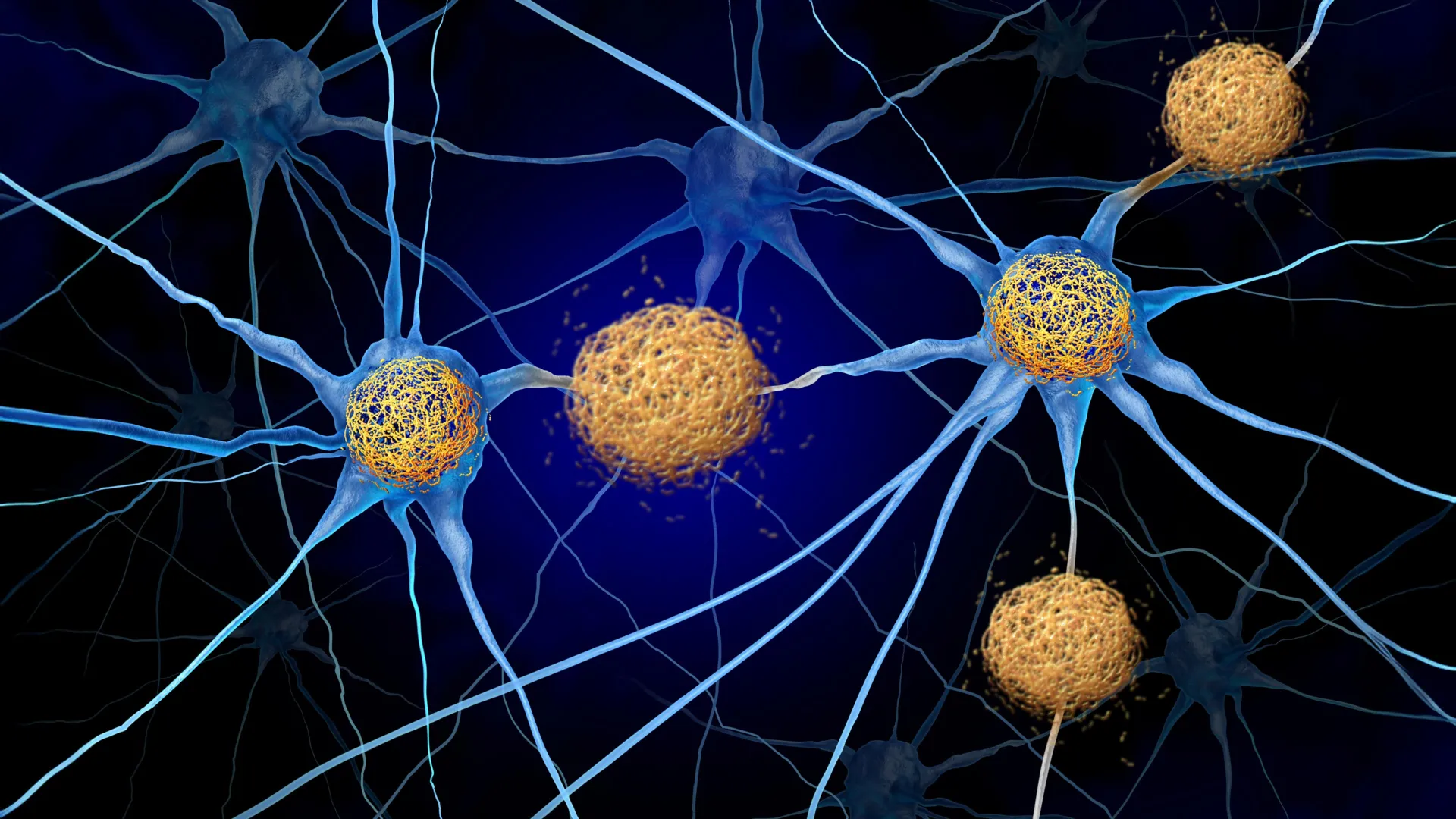
In a diseased state, however, tau undergoes a chemical transformation known as hyperphosphorylation. This process causes the protein to detach from the microtubules and begin clumping together inside the cell. These clumps, referred to as neurofibrillary tangles, are highly toxic. They disrupt the cell’s internal transport system and eventually lead to synaptic failure and neuronal death. As these tangles spread through brain circuits, they mirror the progression of cognitive decline, memory loss, and the erosion of executive function in patients.
A Dual-Action Defense: The Role of SORLA
The research team at Sanford Burnham Prebys, led by Timothy Huang, PhD, an assistant professor in the Center for Neurologic Diseases, focused their investigation on the sorting-related receptor with A-type repeats, or SORLA. For years, the scientific community has recognized SORLA as a key player in the "amyloid hypothesis" of Alzheimer’s. Previous studies from the Huang lab and others demonstrated that SORLA helps traffic amyloid precursor protein (APP) within cells, effectively reducing the production of amyloid-beta, the protein responsible for the plaques found in the brains of Alzheimer’s patients.
"Very little was known, however, about whether SORLA affected the tau tangles reflected on the other side of the coin in Alzheimer’s disease," Dr. Huang noted. The study’s objective was to determine if SORLA’s protective reach extended to the tau-driven side of neurodegeneration, which many researchers believe is more closely linked to the actual onset of clinical symptoms than amyloid plaques alone.
Experimental Design and Key Findings in Mouse Models
To test their hypothesis, the researchers utilized a sophisticated mouse model system. They engineered mice to produce high levels of human SORLA and crossbred them with a specific strain of mice known to develop aggressive tau tangles, significant brain atrophy, and measurable cognitive deficits. By observing these "over-expressor" mice, the team could isolate the impact of SORLA on the progression of tau-related damage.
The results were definitive. The mice with elevated SORLA levels exhibited a marked reduction in tau pathology. Specifically, the protein appeared to intervene at several critical stages of the disease process:
- Reduction in Hyperphosphorylation: SORLA interfered with the biochemical pathways that add excessive phosphate groups to tau, thereby preventing the protein from becoming "sticky" and prone to clumping.
- Inhibition of Seeding: One of the most destructive aspects of tauopathy is the "seeding" effect, where malformed tau proteins act as templates, recruiting healthy tau proteins to misfold and join the toxic aggregates. Higher levels of SORLA significantly limited this recruitment process.
- Synaptic Preservation: The researchers found that mice with more SORLA maintained healthier synapses—the junctions where neurons communicate. They also showed better preservation of synaptic plasticity, which is the brain’s fundamental mechanism for learning and forming new memories.
Huijie Huang, PhD, a staff scientist in the Huang lab and the study’s lead author, highlighted the visual evidence of the protein’s efficacy. "We found there was less brain atrophy and less tau accumulation, which was very exciting to see," she stated.
Investigating the Impact of SORLA Deficiency
To validate the necessity of the protein, the research team also examined the opposite end of the spectrum: a complete lack of SORLA. This is particularly relevant to human health, as certain genetic mutations in the Sorl1 gene (which encodes the SORLA protein) are known to be significant risk factors for late-onset Alzheimer’s disease.
In mice genetically modified to lack the Sorl1 gene, the researchers observed a dramatic exacerbation of tau-related symptoms. Without the "biological brakes" provided by SORLA, tau tangles formed more rapidly, synaptic loss was more pronounced, and brain tissue shrinkage occurred at an accelerated rate. This inverse relationship confirmed that SORLA is not just a secondary actor but a primary regulator of brain health in the face of tauopathy.
Advanced Mapping of Cellular Responses
The study went beyond mere observation of protein clumps, employing advanced single-cell sequencing and spatial mapping technologies to understand how SORLA influences the brain’s complex environment. These methods allowed the team to track gene activity and protein production in individual neurons and glial cells.
Glial cells, including microglia and astrocytes, are the brain’s resident immune and support cells. While they are intended to protect the brain, chronic neurodegeneration often causes them to become overactive and inflammatory, further damaging the neurons they are meant to support. The analysis revealed that SORLA helps maintain glial cells in a "homeostatic" or healthy state. In the absence of SORLA, the researchers identified a notable upregulation of plexin-B receptors, a family of proteins involved in cell signaling and inflammatory responses.
Implications for Drug Repurposing and Future Therapies
The discovery of the plexin-B receptor involvement offers an immediate and practical pathway for future medical treatments. "There are unique drugs that can target this class of receptors that we may be able to apply to tau-related dementia disorders," said Tim Huang.
The strategy of "drug repurposing"—taking medications already approved or in development for other conditions and testing them for Alzheimer’s—could significantly shorten the timeline for bringing new treatments to patients. By targeting the overactivation of glial cells via the plexin-B pathway, clinicians might be able to slow the neuroinflammatory cascade that drives tauopathy.
Towards a Human-Centric Research Model
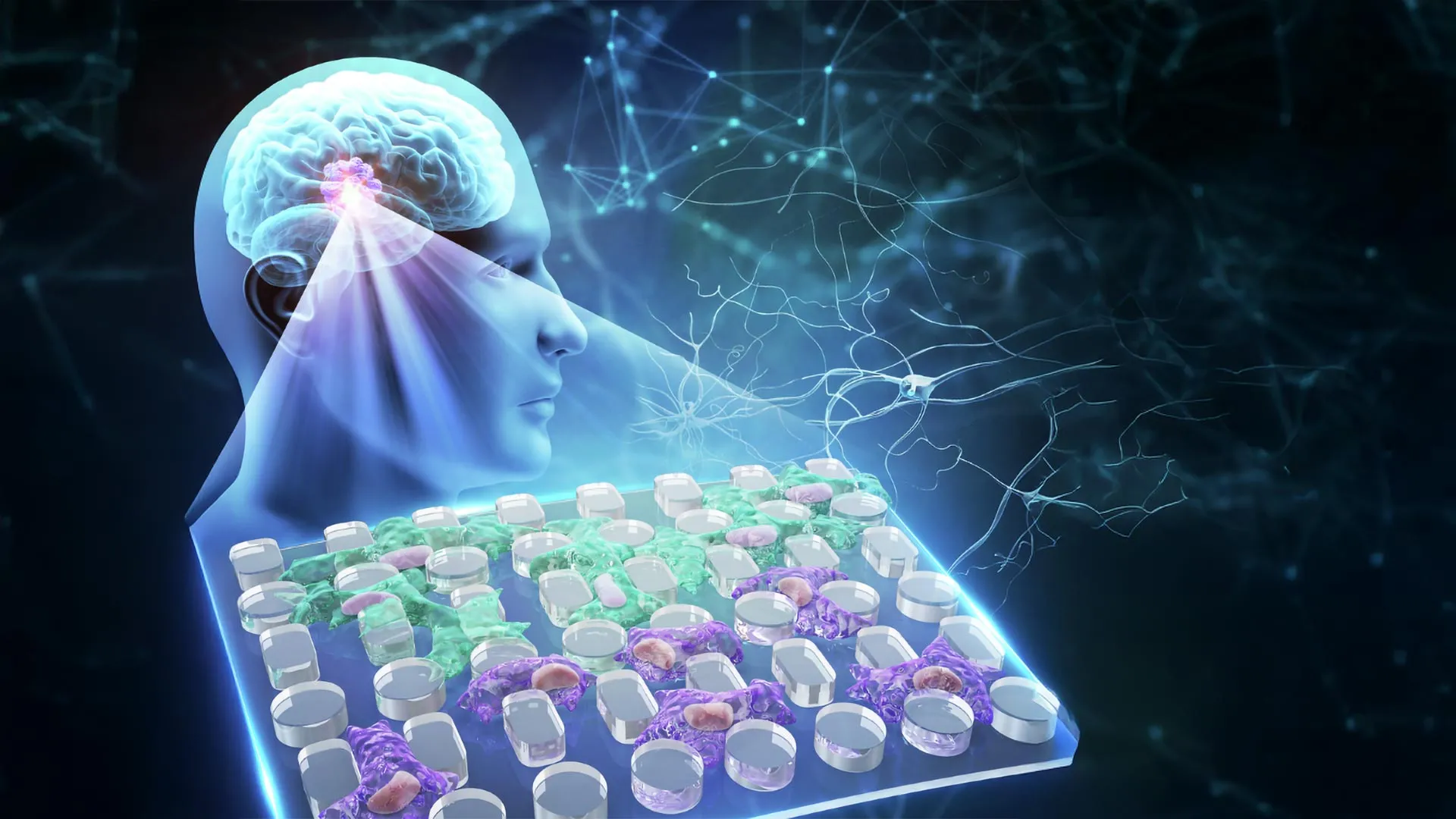
Looking ahead, the Sanford Burnham Prebys team is preparing to transition their findings into human-cell models. While mouse models are invaluable for initial discovery, the biological differences between species can often lead to failures in clinical trials. To bridge this gap, the researchers plan to use "chimeric" models, where human neurons or glial cells carrying specific SORLA mutations are grafted into mouse brains.
"Mouse cells and human cells are different," Dr. Huang explained. "Because we’re looking at human disease, it’s more informative if we can observe the modulation and dysfunction of SORLA in the context of a human cell inside of a diseased brain environment." This approach will allow the team to see how different genetic variations of the Sorl1 gene affect human brain cells in real-time.
Contextualizing the Study in Global Health
The significance of this research cannot be overstated given the global trajectory of neurodegenerative disease. As the global population ages, the prevalence of Alzheimer’s is expected to rise sharply. Current estimates suggest that over 55 million people worldwide are living with dementia, a figure projected to nearly triple by 2050.
For decades, the pharmaceutical industry focused almost exclusively on clearing amyloid-beta plaques, often with disappointing clinical results. The emergence of tau-focused research represents a "second wave" of Alzheimer’s science. By identifying SORLA as a protein that bridges both amyloid and tau pathologies, the Sanford Burnham Prebys study provides a theoretical framework for a "multi-target" therapeutic approach. This could eventually lead to precision medicine protocols where a patient’s genetic profile—specifically their Sorl1 status—dictates their treatment plan.
Conclusion and Collaborative Efforts
The study was a collaborative effort involving experts from various departments within Sanford Burnham Prebys and The Scripps Research Institute. Co-authors included Christina Huan Shi, Wenqi Yang, Juan C. Piña-Crespo, and several others who contributed expertise in proteomics, bioinformatics, and neurology. The research was funded by the National Institutes of Health (NIH), the National Cancer Institute (NCI), and the National Institute on Aging (NIA), reflecting the high level of institutional support for innovative Alzheimer’s research.
As the scientific community continues to digest these findings, the focus remains on how to safely and effectively "upregulate" SORLA or mimic its effects in the human brain. If successful, this line of inquiry could transform Alzheimer’s from a terminal diagnosis into a manageable chronic condition, preserving the cognitive integrity and quality of life for millions of people worldwide.