The genesis of most global pandemics, a grim recurring chapter in human history, is often traced back to the enigmatic spillover event: a virus or other pathogen making a perilous leap from its animal reservoir into the human population. This is the widely held scientific consensus regarding the emergence of COVID-19, a disease that has reshaped the 21st century. The culprit, SARS-CoV-2, shares a striking genetic kinship with coronaviruses endemic in bat populations, hinting at a natural evolutionary pathway from these nocturnal mammals to humanity. Now, groundbreaking research from a consortium of leading institutions is shedding light on the incredibly subtle molecular mechanisms that might facilitate such zoonotic transitions, potentially offering a vital early warning system for future public health crises.
Unraveling the Molecular Rosetta Stone of Spillover
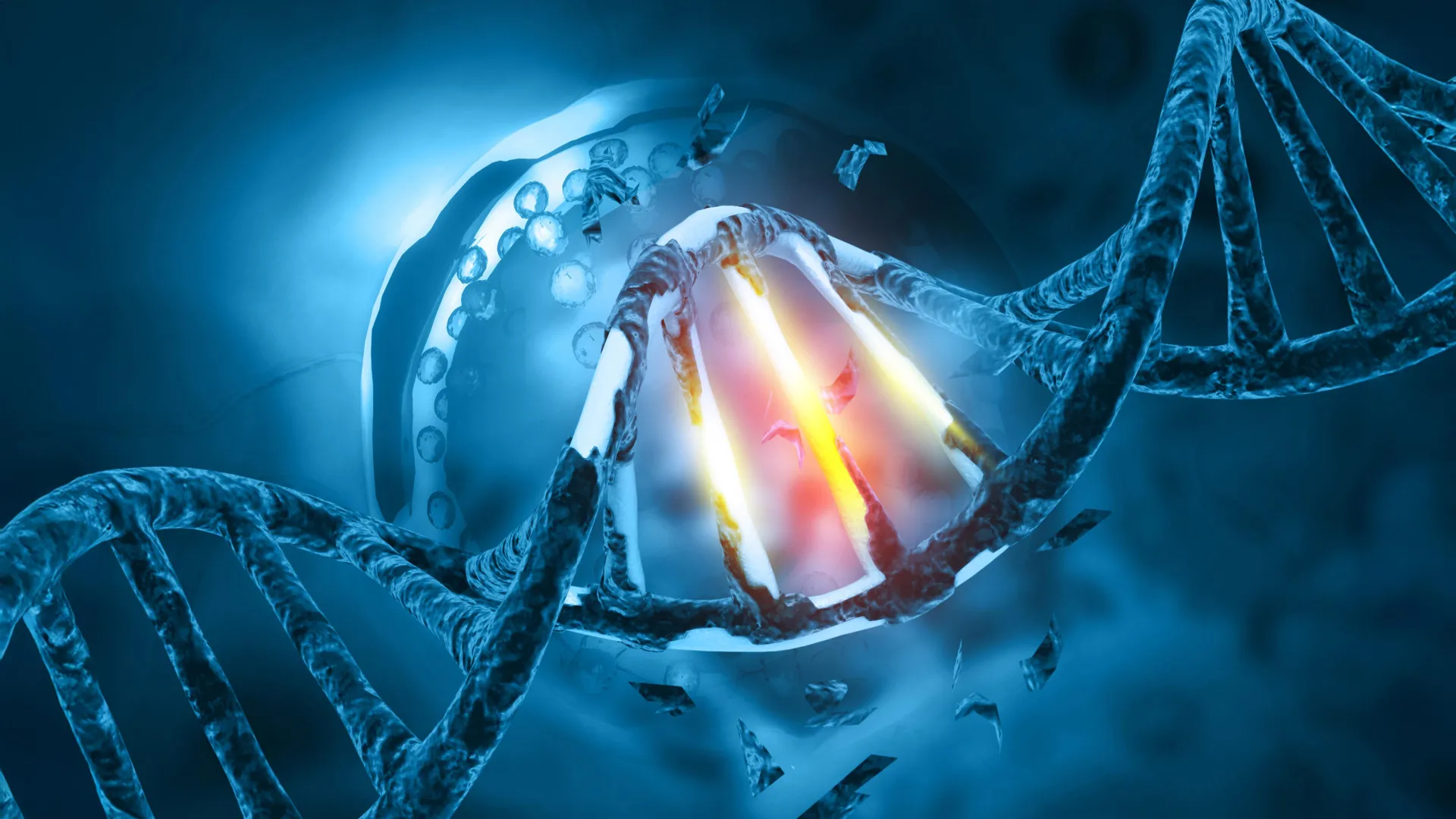
A collaborative effort involving researchers from the UCSF Quantitative Biosciences Institute (QBI), the Icahn School of Medicine at Mount Sinai, the Institut Pasteur, and the Fred Hutchinson Cancer Center has identified a remarkably minute genetic difference that could profoundly influence a virus’s ability to adapt to human hosts and incite severe illness. Their pivotal study, published in the esteemed journal Cell Host & Microbe, reveals that altering just a single amino acid within a specific coronavirus protein can dramatically shift how the virus interacts with the immune systems of both bats and humans, leading to vastly divergent outcomes of infection.
This discovery moves beyond broad genetic comparisons to pinpoint a critical vulnerability or advantage at the protein level, the functional workhorses of biological processes. By understanding these precise molecular interactions, scientists believe they can begin to read the "molecular signatures" that signal a heightened risk of spillover.
The Power of a Single Amino Acid
To dissect the intricate dance between viruses and their hosts, the research team embarked on a comparative analysis. They focused on SARS-CoV-2, the virus responsible for the COVID-19 pandemic, and RaTG13, a bat coronavirus that exhibits close genetic proximity to SARS-CoV-2. While RaTG13 is known to infect bats, it had not previously been documented to infect humans, making it an ideal comparative model for understanding the barriers to cross-species transmission.
The core of their investigation involved examining how each of these viral proteins interacted with crucial immune signaling molecules within both human and bat lung cells. This complex experimental setup was made possible by a significant scientific advancement: the development of the first laboratory-grown lung cell line derived from the greater horseshoe bat, a species known to harbor coronaviruses. This breakthrough allowed for direct, in-vitro testing of viral-host immune responses in a relevant animal model.
Among the numerous viral proteins analyzed, one designated as OrfB9 emerged as a focal point of their attention. Despite the near-identical nature of the SARS-CoV-2 and RaTG13 OrfB9 proteins – differing by a mere single amino acid out of approximately 100 total amino acids – this tiny variation exhibited disproportionately large biological consequences.
Divergent Immune Responses: A Tale of Two Cells
The implications of this single amino acid substitution were stark and illuminating. In human lung cells, the SARS-CoV-2 version of OrfB9 demonstrated a remarkable capacity to suppress a critical component of the innate immune system. By effectively shutting down an essential immune alarm system, the virus was able to replicate more freely and efficiently, evading early detection and neutralization by the human immune defenses. This unchecked replication is a hallmark of viral pathogenesis and can lead to more severe disease.
Conversely, when the RaTG13 version of OrfB9 was introduced into bat lung cells, the outcome was dramatically different. Instead of dampening the immune response, this slightly altered protein actually activated a key immune mediator. This activation helped to contain the virus, keeping its replication in check and preventing it from overwhelming the bat’s cellular defenses.
This stark contrast underscores a fundamental principle: even minute genetic alterations can dictate whether a virus remains an enzootic pathogen, largely confined to its natural animal host, or acquires the adaptive traits necessary to successfully infect and thrive in humans, potentially leading to widespread outbreaks and pandemics.
A Precedent for Zoonotic Spillover
The historical trajectory of infectious diseases is replete with examples of zoonotic spillover. Influenza viruses, which periodically cause seasonal epidemics and occasional devastating pandemics, regularly jump from avian and swine populations to humans. Ebola virus, known for its high fatality rates, originates in bats and spills over into primate populations before occasionally infecting humans. HIV, the virus responsible for AIDS, is believed to have originated from simian immunodeficiency viruses (SIVs) in non-human primates, likely through the consumption of infected bushmeat.
The COVID-19 pandemic, however, has brought the issue of zoonotic spillover into unprecedented global focus. The rapid spread of SARS-CoV-2 from its suspected bat origin, potentially through an intermediate host, to every corner of the globe highlighted humanity’s vulnerability to novel infectious agents. The initial emergence of SARS-CoV-2 was first reported in Wuhan, China, in December 2019, with evidence suggesting a link to the Huanan Seafood Wholesale Market, where live wild animals were sold. Initial investigations by the World Health Organization (WHO) and Chinese authorities pointed to a natural zoonotic origin, though speculation about laboratory leaks persisted. The scientific consensus, however, continues to favor a natural spillover event, with ongoing research seeking to definitively identify the intermediate host and precise transmission pathway.
The UCSF-led research offers a crucial piece of the puzzle in understanding the biological underpinnings of these spillover events. By identifying the specific molecular mechanisms that allow a virus to overcome host species barriers, scientists are moving closer to predicting and potentially preventing future outbreaks.
Expert Commentary: An Early Warning System for the World
Nevan J. Krogan, PhD, director of QBI and a senior author on the study, emphasized the profound implications of their findings. "The difference between a virus that stays in bats and one that spills over into humans and causes catastrophic disease can come down to remarkably small genetic changes," Dr. Krogan stated. He further elaborated on the potential of this research to serve as a vital public health tool: "By mapping these interactions at the protein level — across two viruses and two species — we can read the molecular signatures that predict spillover risk. It’s the kind of early warning system the world needs."
This sentiment is echoed by public health officials and infectious disease experts worldwide. Dr. Maria Van Kerkhove, COVID-19 Technical Lead at the World Health Organization, has consistently stressed the importance of understanding the animal origins of viruses. While specific reactions to this particular study were not immediately available, the WHO’s ongoing efforts to strengthen global surveillance for zoonotic diseases align directly with the goals of this research. The organization’s "One Health" approach, which recognizes the interconnectedness of human, animal, and environmental health, is designed to anticipate and respond to emerging threats, making this type of molecular insight invaluable.
Implications for Future Preparedness and Surveillance
The research provides a critical leap forward in understanding the molecular adaptations that enable animal viruses to gain a foothold in human populations. By pinpointing specific protein-level interactions that are strongly correlated with successful spillover events, scientists are now better equipped to identify viruses with pandemic potential before they emerge and spread widely.
This capability has far-reaching implications for global health security:
- Enhanced Surveillance: The ability to identify "molecular signatures" of spillover risk could revolutionize how we monitor wildlife populations and assess the threat posed by novel viruses. Instead of relying solely on broad genetic screening, researchers could focus on viruses exhibiting specific protein configurations known to confer adaptive advantages in human cells.
- Targeted Intervention Strategies: Understanding which viral proteins are critical for evading human immunity could pave the way for the development of highly targeted antiviral therapies and vaccines. If OrfB9, for instance, proves to be a common Achilles’ heel in zoonotic coronaviruses, developing drugs that inhibit its function could offer broad protection against a range of related viruses.
- Informed Conservation Efforts: Identifying animal species that harbor viruses with a high propensity for human spillover could inform conservation strategies and human-wildlife interface management. This might involve targeted monitoring in high-risk areas or public health advisories for communities with close contact with specific animal populations.
- Accelerated Pandemic Response: Should a new virus with pandemic potential emerge, having a framework for rapidly assessing its spillover risk and identifying key molecular targets would significantly accelerate the development of countermeasures and the implementation of effective public health interventions.
The research team’s dedication to unraveling these complex biological puzzles, spanning multiple institutions and disciplines, highlights the collaborative spirit required to tackle global health challenges. The identification of this single amino acid difference is not merely an academic curiosity; it represents a tangible step towards building a more resilient and prepared world against the ever-present threat of emerging infectious diseases. The journey from animal reservoir to human pandemic is a complex one, but with each scientific breakthrough, humanity gains a clearer understanding of the pathways and a stronger defense against the unknown.