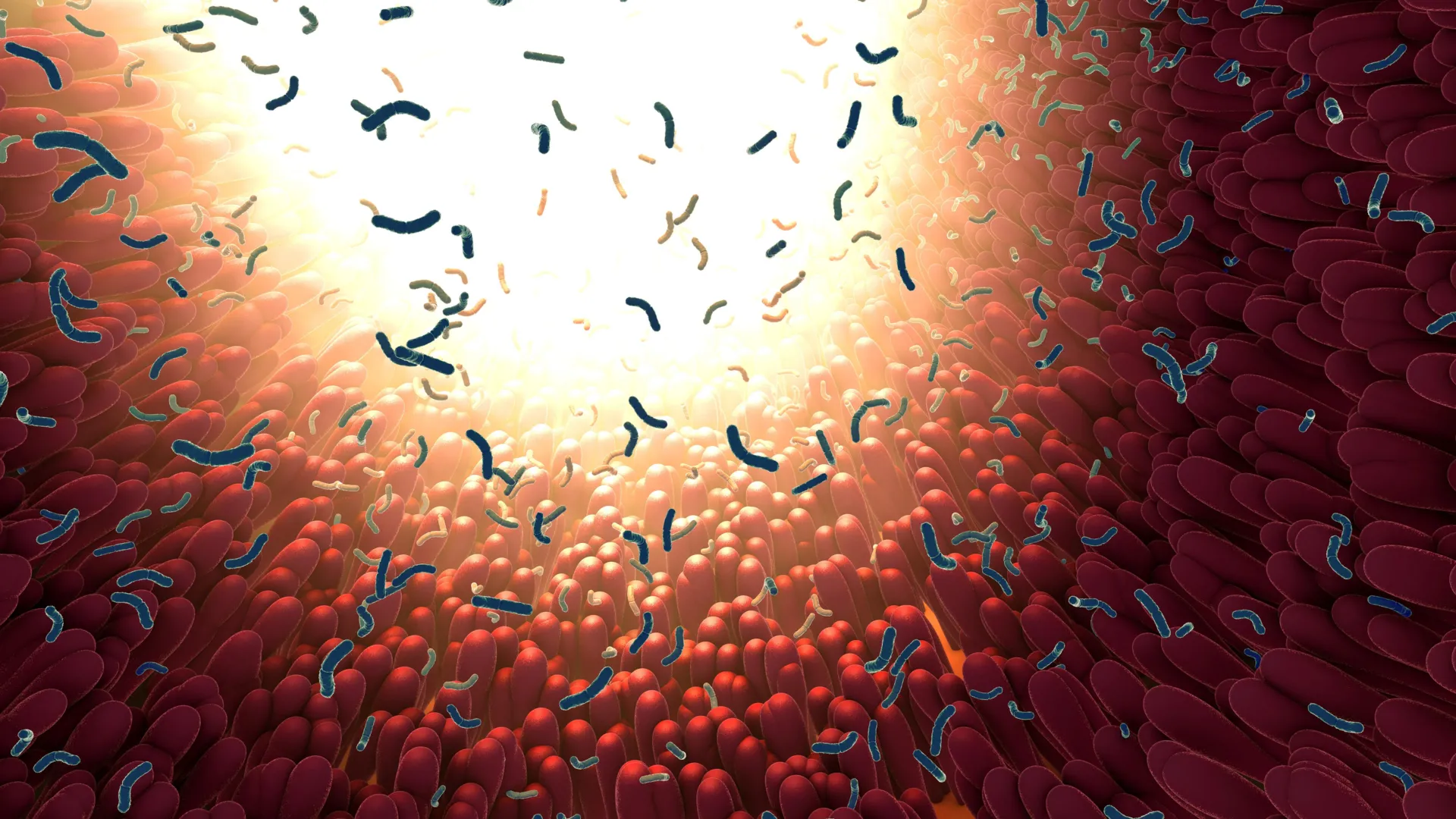
The human gut is home to trillions of microorganisms—a vast, complex community known as the microbiome that acts as a hidden organ, fundamental to human health by regulating digestion, modulating immune responses, and governing metabolic pathways. For years, the scientific consensus has treated these microbial communities primarily through the lens of species classification. However, a groundbreaking study led by researchers at the University of Vienna has challenged this foundational paradigm, revealing that many gut bacterial species are far more complex, diverse, and evolutionarily dynamic than previously understood. By utilizing a sophisticated analytical strategy known as "reverse ecology," the research team has demonstrated that individual bacterial species are not monolithic entities but rather consist of multiple, evolutionarily distinct populations, each fine-tuned to specific environmental niches within the human intestinal tract.
The Shift from Species to Lineages
The implications of these findings, published in the journal Nature, are profound for the future of precision medicine. By shifting the focus from broad species categories to refined, evolutionarily distinct lineages, scientists may be able to identify more accurate biomarkers for diseases such as colorectal cancer, type 2 diabetes, and chronic inflammatory bowel diseases (IBD). This transition represents a significant pivot in microbiological research: moving away from asking "which species are present?" to "which specific, adapted populations are dominating this environment?"
Historically, the study of the human microbiome has relied on metagenomic sequencing—the process of analyzing all genetic material within a sample—to identify microbial species based on broad genetic similarities. While this approach has provided a high-level map of the gut, it often suffers from a resolution problem. By grouping organisms into large, generic buckets, researchers have frequently overlooked the nuanced differences between sub-populations that have adapted to varying conditions, such as pH levels, nutrient availability, or the presence of host immune markers. This lack of resolution has hampered the ability to distinguish between "passenger" bacteria, which are present merely by coincidence, and "driver" bacteria, which play a direct role in either promoting health or exacerbating disease.
Methodology: The Power of Reverse Ecology
To overcome these analytical limitations, the University of Vienna team, led by Professor Martin F. Polz and lead author Xiaoqian Annie Yu, developed a methodology rooted in "reverse ecology." This approach allows scientists to work backward from an organism’s genome to infer the ecological pressures that have shaped its evolution.
The research effort was vast, involving the analysis of thousands of bacterial isolates collected from human gut samples across multiple countries, coupled with large-scale metagenomic data from diverse cohorts representing different age groups, geographical locations, and health statuses. By integrating these massive datasets, the researchers sought to identify "genetic signatures" of adaptation. These signatures represent the telltale marks of natural selection—evidence that specific sub-populations have evolved to excel in the unique, often volatile, environment of the human gut.
The Mechanism of Genome-Wide Selective Sweeps
A critical discovery in the study centers on the phenomenon of "genome-wide selective sweeps." In evolutionary biology, a selective sweep occurs when a beneficial mutation provides an organism with a competitive advantage over its peers. As that organism thrives and reproduces, its lineage becomes dominant within the niche, effectively "sweeping" away the genetic diversity of the ancestral population.
This process creates populations that are highly homogenous in both ancestry and biological function, yet distinct from other groups within the same species. These sweeps allow researchers to draw clear lines around specific, biologically relevant units of bacteria. When these lineages are identified, it becomes evident that what was once considered a single, uniform species is actually a constellation of competing, specialized sub-populations. Some of these lineages were found to correlate strongly with specific clinical outcomes, suggesting that the "health" of an individual’s microbiome may be determined not just by the presence of a beneficial species, but by the specific lineage of that species currently in residence.
Geographic Dynamism and Global Spread
Beyond the internal mechanics of the gut, the study uncovered a surprising degree of global mobility among these bacterial populations. The team found evidence that highly competitive strains can traverse continents in remarkably short timeframes—often within a few decades. This pattern of rapid, widespread dispersal had previously been documented primarily among dangerous pathogens, such as antibiotic-resistant strains of Staphylococcus aureus or Salmonella. Finding that ordinary, commensal gut bacteria exhibit similar, highly dynamic behavior is a significant development in the field of microbial ecology.
This finding suggests that the gut microbiome is not a static ecosystem governed solely by an individual’s diet, medication, or immediate environment. Instead, it appears to be a fluid system influenced by the global movement of human populations. This raises critical questions about how microbial lineages are transmitted across borders and how they integrate into new hosts. If a highly adapted, potentially pathogenic or protective lineage can spread globally, it changes the way public health officials might view the long-term, population-level health of the human microbiome.
Clinical Implications and the Future of Microbiome Medicine
The shift toward lineage-based analysis offers a promising pathway for the development of precision therapies. Current microbiome-based treatments, such as probiotics or fecal microbiota transplants (FMT), often take a "blunt force" approach, introducing or replacing entire communities without regard for the specific genetic characteristics of the resident bacteria. If specific lineages are indeed the primary drivers of disease states like type 2 diabetes or IBD, then future interventions could be designed to target or support only those specific populations.
"If you don’t just count species but take evolutionary adaptation into account, you can identify the biologically relevant units in the microbiome much more accurately," noted Dr. Xiaoqian Annie Yu. "Even within the same bacterial species, some populations occur more frequently than others in certain diseases. When all are considered together, this often remains hidden."
The potential for this research to refine diagnostic tools is equally significant. By identifying the specific genetic signatures associated with, for example, the early onset of colorectal cancer, clinicians could potentially develop non-invasive diagnostic tests that detect shifts in the patient’s microbial population long before physical symptoms appear.
Broader Scientific Context and Next Steps
The work of the University of Vienna team aligns with a broader trend in biological sciences toward single-cell and high-resolution genomic analysis. While the Human Microbiome Project (HMP), launched in 2008, provided the initial catalog of the microbial world, the current study marks the transition into the "functional era" of microbiome research.
However, the team acknowledges that this is only the beginning. The next phase of the research involves moving from identification to causation. Researchers aim to isolate the specific genes that differentiate these populations and characterize the biological functions those genes encode. Understanding why one lineage thrives in a diseased gut while another does not could provide the key to unlocking new, highly targeted pharmaceutical interventions.
The research also prompts a re-evaluation of how we categorize "healthy" versus "unhealthy" microbiomes. If bacterial populations are constantly evolving and moving across global populations, the definition of a "normal" microbiome may need to become more localized and lineage-specific. The findings suggest that the future of gastroenterology and immunology will likely rely heavily on this high-resolution mapping of the microbial landscape. As scientists continue to peel back the layers of the microbiome, the realization that we are composed of dynamic, evolving, and globally mobile populations of bacteria underscores the necessity of a more nuanced approach to human health. By recognizing the hidden lineages within our own bodies, we are one step closer to mastering the complex biological conversation between the host and its microbial residents.