The rapid acceleration of artificial intelligence across corporate infrastructure has fundamentally transformed enterprise software development, giving rise to one of the most sought-after and hybridized roles in the technology sector: the Forward Deployed Engineer. As organizations race to integrate complex machine learning models into mission-critical legacy systems, the demand for technical professionals who can bridge the gap between abstract AI capabilities and messy, real-world corporate environments has surged to unprecedented levels.
Main Facts of the Modern FDE Landscape
The Forward Deployed Engineer (FDE) role defies traditional corporate definitions, existing at the precise intersection of software engineering, applied artificial intelligence, systems design, and high-level product consultation. Unlike conventional software engineers who typically receive well-scoped tickets to build isolated services, FDEs operate on the front lines of technology adoption. They are deployed directly to client sites or embedded within cross-functional enterprise teams to diagnose complex operational bottlenecks, ingest fragmented data sources, architect bespoke solutions, and manage production rollouts from inception to completion.
Industry data from mid-2026 underscores the financial and professional viability of this career path. According to labor market aggregators such as ZipRecruiter, the average United States salary for a Forward Deployed Engineer hovers around $116,463 annually, with a median compensation of approximately $124,300. However, compensation packages at specialized artificial intelligence firms and high-growth startups frequently eclipse these figures due to the extraordinary scarcity of qualified talent possessing both deep technical chops and elite client-facing acumen.
Chronology and Background Context of the FDE Surge
The genesis of the FDE title can be traced back to early pioneers in defense tech and data analytics, such as Palantir Technologies, which relied heavily on embedded engineers to deploy complex intelligence platforms within austere or highly regulated government environments. However, the role remained relatively niche until the generative AI boom of 2023 and 2024.
As enterprises rushed to adopt large language models (LLMs), traditional software deployment models collapsed. Organizations quickly realized that off-the-shelf AI tools could not easily ingest proprietary, fragmented, and heavily siloed corporate databases. By 2025, tech giants and leading AI labs—including OpenAI and Anthropic—had institutionalized dedicated Forward Deployed Engineering organizations to handle enterprise integrations on a global scale.
By mid-2026, the market entered an aggressive scaling phase. In June 2026, enterprise technology giant DXC Technology and AI developer Anthropic announced a landmark multi-year global alliance aimed at integrating advanced AI into mission-critical corporate systems. As part of this sweeping initiative, DXC committed to training tens of thousands of Claude-certified forward-deployed engineers, marking a watershed moment in the formalization and mass commercialization of the FDE profession.
Supporting Data and Technical Demographics
An exhaustive analysis of more than 5,400 FDE and FDE-adjacent job openings reveals the core technological competencies demanded by modern employers. Programming language requirements are heavily skewed toward versatility, with Python standing out as the single most critical technical skill, appearing in over 40 percent of analyzed postings due to its ubiquitous application in backend development, data engineering, automation, and machine learning integration.
Rather than mastering a single isolated domain, successful candidates must navigate a vast, multifaceted technical stack. The profession requires a synthesis of software engineering fundamentals, database integration, cloud infrastructure, applied AI capabilities, and rigorous security protocols.
Official Responses and Enterprise Strategy
Enterprise executives and enterprise architects have increasingly recognized that the bottleneck to AI adoption is no longer model capability, but rather systems integration and change management. Representatives from major AI deployment firms emphasize that the primary value of an FDE lies in translation. When an enterprise client requests a generic solution—such as an automated customer service chatbot—an FDE’s responsibility is to interrogate the underlying business logic, evaluate existing data security frameworks, and determine whether a lightweight retrieval-augmented generation (RAG) pipeline, an automated database query tool, or a completely different operational workflow is required.
OpenAI’s operational framework explicitly tasks its FDE teams with owning the complete lifecycle of customer deployments, spanning technical discovery, scoping, systems design, iterative implementation, rigorous evaluation, and final production rollout. This holistic ownership model contrasts sharply with traditional engineering silos, where development, QA, and client relations are rigidly separated.
Broader Impact and Implications for the Tech Labor Market
The explosive institutionalization of the Forward Deployed Engineer role carries profound implications for software developers entering the job market. As automated coding assistants and generative AI tools absorb routine coding tasks, the tech industry is witnessing a clear migration of value toward professionals who can manage ambiguity, interface directly with stakeholders, and orchestrate complex, heterogeneous systems.
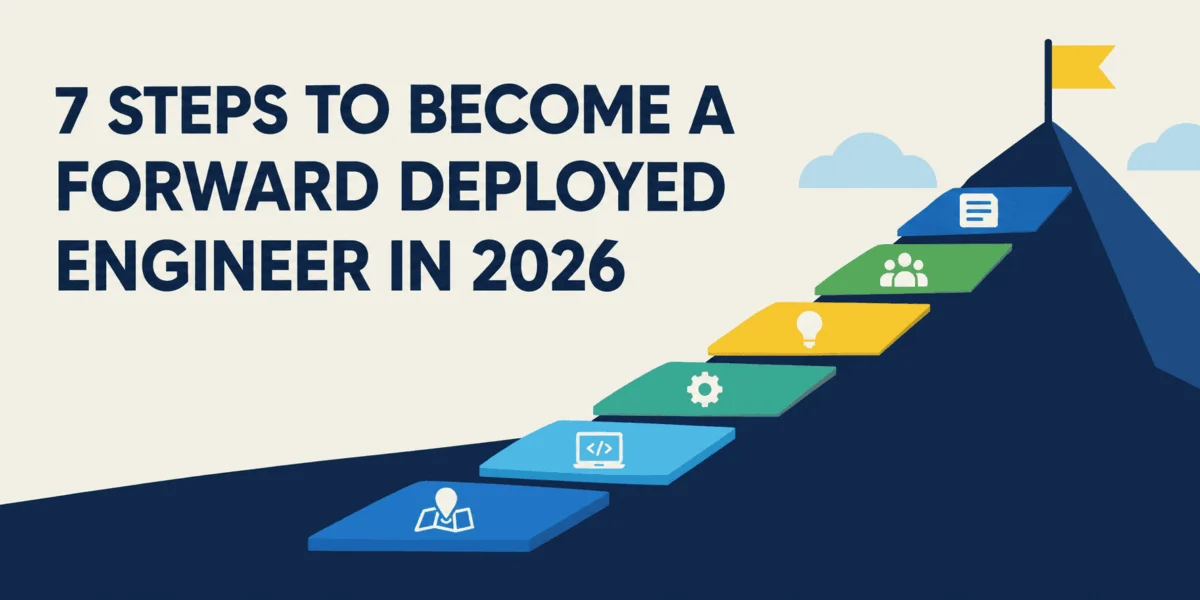
Aspiring FDEs are increasingly advised to avoid relying on superficial tutorial projects or seeking unaccredited "FDE certifications." Instead, industry experts recommend a disciplined, seven-step developmental roadmap tailored to the realities of 2026 enterprise architecture.
Step 1: Establishing Rigorous Software Engineering Fundamentals
Candidates must build a solid foundation in core programming languages, with Python serving as the primary anchor. Proficiency in writing clean, maintainable code, handling asynchronous operations, managing exceptions, and navigating algorithmic logic during technical interviews is essential.
Step 2: Mastering APIs, Databases, and Data Integration
Enterprise clients rarely present pristine, pre-cleaned datasets. FDEs must be intimately familiar with relational databases like PostgreSQL, enterprise data warehouses like Snowflake, legacy customer relationship management tools like Salesforce, and standard data ingestion protocols including REST APIs, webhooks, and cloud object storage like S3. The ability to parse unfamiliar API documentation rapidly is a non-negotiable trait.
Step 3: Learning Cloud Deployment and System Operations
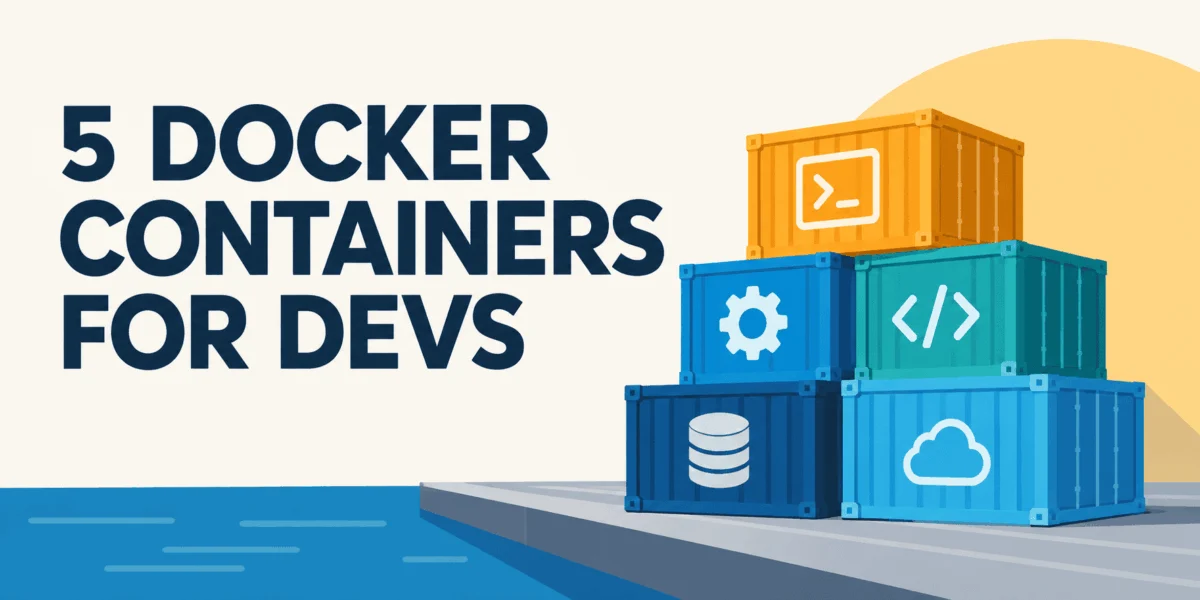
The paradigm of "it works on my laptop" fails entirely in FDE workflows. Engineers must master containerization via Docker, cloud infrastructure orchestration, CI/CD pipelines, and real-time application monitoring to ensure that prototypes transition seamlessly into stable, enterprise-grade production environments.
Step 4: Acquiring Applied AI Engineering Competencies
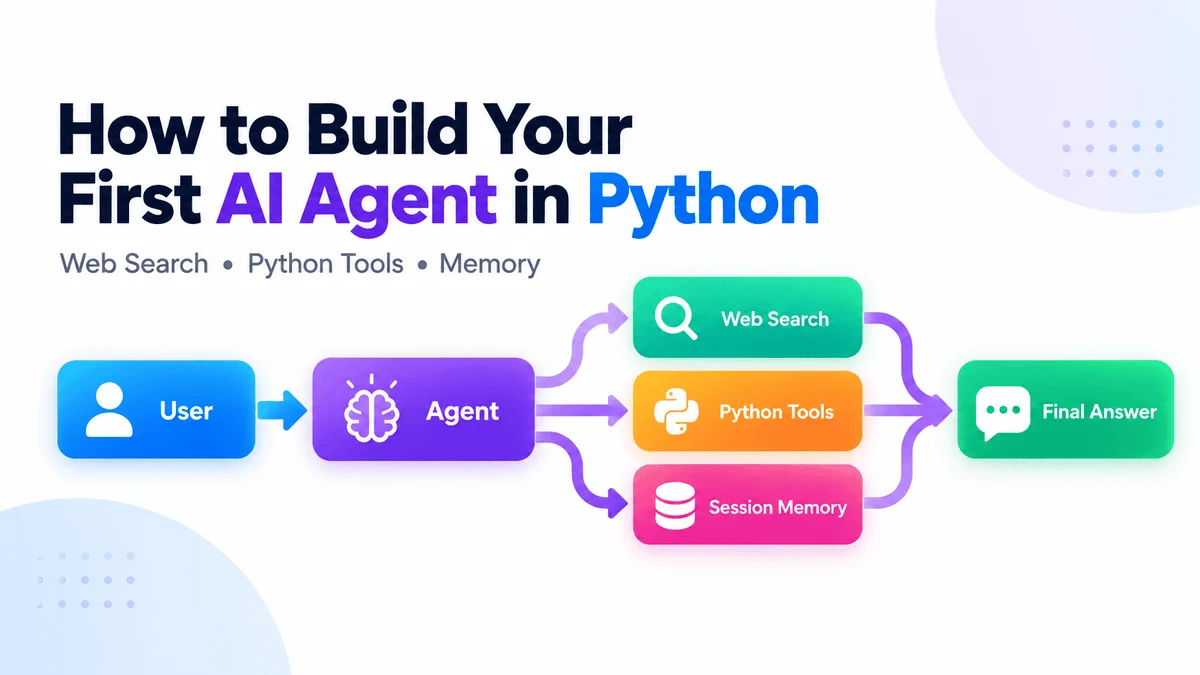
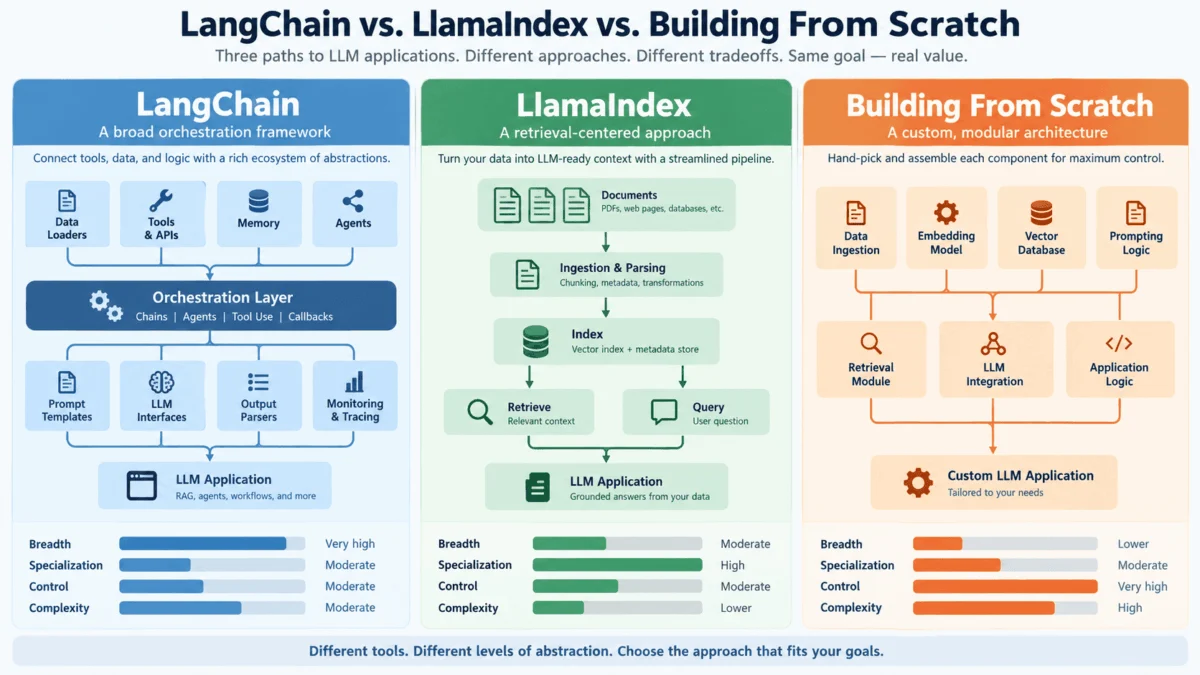
While foundational transformer mathematics are typically reserved for specialized research roles, FDEs must possess practical expertise in deploying modern LLMs. This includes orchestrating prompt engineering strategies, implementing function calling and agentic workflows, building reliable retrieval-augmented generation (RAG) systems, and evaluating model accuracy and latency under production constraints.
Step 5: Prioritizing Enterprise Security and Compliance
Securing corporate buy-in requires an absolute commitment to data privacy, tenant isolation, encryption standards, and least-privilege access controls. FDEs are directly responsible for ensuring that AI integrations do not expose sensitive intellectual property or violate regulatory frameworks.
Step 6: Cultivating Customer Discovery and Problem-Solving Skills
Perhaps the most distinguishing characteristic of the FDE role is its heavy reliance on interpersonal and consultative skills. Engineers must know how to interview diverse stakeholders—ranging from skeptical software developers to risk-averse security executives—to distill vague business complaints into precise, solvable technical architectures.
Step 7: Curating a Domain-Specific Portfolio
To stand out in a competitive hiring market, candidates should develop comprehensive portfolio projects that reflect real-world enterprise friction. Rather than relying on simple coding demos, aspiring FDEs should build end-to-end systems that incorporate automated data pipelines, error logging, strict security measures, and documented evaluation metrics.
As enterprise investments in artificial intelligence continue to mature, the Forward Deployed Engineer will remain at the vanguard of digital transformation. By combining deep technical execution with empathetic problem-solving, these professionals are defining the operational standard for how modern organizations integrate frontier technologies into the fabric of global business.