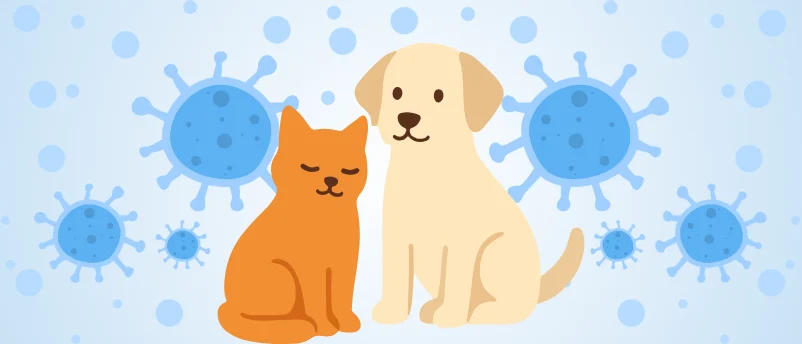
The evolving crisis of antimicrobial resistance has officially extended into the domestic sphere, as groundbreaking genomic research reveals that household cats and dogs frequently harbor strains of Klebsiella pneumoniae resistant to critical human antibiotics. Conducted by a team of researchers at Bournemouth University in the United Kingdom, a comprehensive analysis of more than 700 bacterial genomes derived from companion animals has identified widespread multidrug resistance. These findings underscore a critical blind spot in current global surveillance frameworks, suggesting that domestic pets may serve as under-appreciated reservoirs for clinically significant pathogens.
While the scientific community emphasizes that the presence of these bacteria in pets does not immediately translate to active transmission or illness in humans, the degree of genetic overlap between animal and human isolates is striking. Approximately 87 percent of the bacterial isolates recovered from the cats and dogs evaluated in the study belonged to genetic lineages that have also been identified in human clinical settings. As public health agencies worldwide grapple with the dwindling efficacy of traditional antibiotics, this comprehensive study provides a compelling argument for integrating veterinary medicine into the global One Health surveillance architecture.
The Scope and Methodology of the Global Genomic Survey
To address significant gaps in the understanding of how antimicrobial resistance circulates across species boundaries, the research team at Bournemouth University sought to map the global genomic structure of K. pneumoniae within companion animal populations. Historically, surveillance efforts regarding antimicrobial resistance have heavily prioritized human clinical environments and agricultural livestock production systems. Domestic pets, despite their intimate and continuous physical contact with human populations, have largely remained on the periphery of these intensive monitoring initiatives.
To bridge this knowledge gap, the investigators assembled an expansive global dataset comprising 712 K. pneumoniae genomes extracted from domestic cats and dogs across 25 distinct countries. This international scope allowed the team to evaluate lineage diversity on a macro scale rather than relying on localized or anecdotal sampling. Through rigorous genetic sequencing and bioinformatics analysis, the researchers identified 263 distinct sequence types within the companion animal population. This high degree of sequence variability demonstrated that cats and dogs are capable of hosting a remarkably diverse array of bacterial lineages.
However, the analysis also revealed that this diversity was not evenly distributed. A subset of high-risk, globally disseminated clones—specifically sequence types ST307, ST11, ST15, and ST147—dominated the dataset. In human medicine, these precise lineages are frequently associated with hospital-acquired infections, severe morbidity, and high mortality rates due to their innate ability to acquire and disseminate resistance genes. The discovery of these exact clones in household pets raises critical questions about the pathways through which high-priority bacterial pathogens circulate between human and animal populations.
Comparative Analysis and High-Risk Resistance Profiles
Following the cataloging of the companion animal genomes, the Bournemouth University team performed a comparative analysis against a vast repository of more than 38,000 human K. pneumoniae genomes available through international databases. This cross-reference yielded the study’s most arresting metric: roughly 87 percent of the isolates recovered from the cats and dogs mapped to strains that have concurrently been documented in human patients.
Beyond merely sharing lineage classifications, the bacterial genomes extracted from the pets exhibited concerning profiles of antimicrobial resistance. The researchers screened the genetic data for specific resistance markers and discovered that genes conferring resistance to two of the most critical classes of human antimicrobials—extended-spectrum beta-lactamases (ESBLs) and carbapenemases—were widely distributed throughout the dataset. These antimicrobial classes are typically reserved as last-resort treatments for severe, multi-drug resistant bacterial infections in human medicine, making the presence of resistance genes against them in companion animals a matter of significant clinical interest.
Intriguingly, the data revealed a notable disparity in resistance rates between the two primary companion animal species analyzed. Cat-derived isolates demonstrated a substantially higher prevalence of multidrug resistance, with 80 percent of the feline genomes exhibiting resistance to multiple drug classes. In contrast, isolates originating from dogs showed a lower, though still concerning, multidrug resistance rate of 56 percent. While the exact biological or behavioral mechanisms driving this disparity require further investigation, researchers hypothesize that differences in veterinary treatment regimens, spatial behaviors, or physiological factors could play a role.
The Case of ST147 and Cross-Species Clustering
Among the various sequence types identified during the study, the feline ST147 lineage emerged as a focal point for detailed phylogenetic analysis. To understand how closely related the animal-derived strains were to those found in humans, the researchers performed a focused recombination-filtered phylogenomics assessment of the feline ST147 genomes.
The results of this granular analysis uncovered a tightly clustered group of multidrug-resistant genomes that bridged the traditional divide between species. Within this cluster, genomes recovered from cats, dogs, and humans grouped closely together on the phylogenetic tree, indicating a high degree of genetic relatedness. This close evolutionary proximity suggests that these bacterial strains are not evolving in isolated veterinary silos; rather, they share a common global gene pool that moves fluidly across host species boundaries.

Despite these clear genetic links, the research team exercised rigorous scientific caution when interpreting the implications of their findings. The cross-sectional nature of the genomic dataset means that the study cannot definitively establish directionality, source attribution, or the exact mechanisms of transmission. In plain terms, the genomic data confirms that humans and their pets carry strikingly similar, highly resistant bacterial strains, but it cannot prove whether the pets acquired the bacteria from their human owners, whether the owners acquired them from the pets, or whether both parties were simultaneously exposed to a common external environmental source.
Expert Commentary and the One Health Perspective
In the wake of the study’s publication, lead researcher Stephen Fordham sought to contextualize the findings for the broader public, balancing scientific rigor with reassurance for pet owners. Emphasizing the distinction between genetic carriage and active infection, Fordham underscored that the research does not indicate an imminent public health threat inside the average household.
"This study does not tell us that our pets are making us ill, but it does show that very closely related bacterial strains can be found across animals and humans," Fordham stated. "There is no need for owners to be concerned, but this does show the importance of including our pets in wider efforts to understand and tackle antimicrobial resistance."
This measured perspective aligns closely with the foundational tenets of the One Health framework—an integrated, collaborative approach designed to balance and optimize the health of people, animals, and ecosystems. Public health officials and infectious disease experts have increasingly argued that traditional surveillance models, which evaluate human clinical isolates and agricultural livestock in isolation, are fundamentally incomplete. Because companion animals share living spaces, furniture, and sometimes even dietary environments with humans, their microbiome represents a critical missing link in epidemiological tracking.
Background and the Broader Context of Antimicrobial Resistance
To fully appreciate the significance of the Bournemouth University study, it is necessary to examine the broader crisis of antimicrobial resistance on a global scale. Often referred to by health authorities as a slow-moving pandemic, antimicrobial resistance occurs when bacteria, viruses, fungi, and parasites evolve over time and no longer respond to medicines, making infections harder to treat and increasing the risk of disease spread, severe illness, and death.
According to data compiled by the World Health Organization and various international health institutes, bacterial resistance to antibiotics is directly responsible for hundreds of thousands of deaths globally each year, with millions more associated with resistant infections. Pathogens categorized under the Enterobacteriaceae family—of which Klebsiella pneumoniae is a prominent member—are among the most concerning targets for global health bodies. K. pneumoniae is an opportunistic pathogen capable of causing pneumonia, bloodstream infections, wound infections, and meningitis, particularly in immunocompromised individuals, hospitalized patients, and neonates.
Historically, efforts to curb the spread of resistant strains have focused heavily on human medicine—specifically combating the overuse and misuse of clinical antibiotics—and agricultural settings, where subtherapeutic doses of antibiotics have historically been used to promote livestock growth. However, companion animals have emerged as an increasingly recognized variable in the resistance equation. Pets are frequently treated with veterinary antibiotics for common infections, and because they live in such close proximity to humans, they act as potential vessels for the amplification and exchange of resistance determinants.
Implications for Veterinary Practice and Future Research
The publication of these findings is expected to catalyze significant shifts in how veterinary medicine approaches diagnostics, antibiotic stewardship, and infection control. As genomic surveillance becomes more accessible and cost-effective, researchers are advocating for the routine integration of pet isolates into national and international AMR databases.
Veterinary practitioners may soon face renewed scrutiny regarding the prescription of broad-spectrum antibiotics, with professional bodies likely pushing for more targeted diagnostic testing prior to treatment to minimize the selection pressure that drives multidrug resistance. Furthermore, animal hospitals and veterinary clinics could adopt more rigorous hygiene and biosecurity protocols to prevent nosocomial transmission of high-risk clones among vulnerable animal patients.
Looking forward, the research team at Bournemouth University and their international collaborators aim to transition from cross-sectional genomic surveillance to longitudinal tracking studies. By following cohorts of pets and their owners over extended periods, future research endeavors hope to untangle the precise transmission dynamics at play within the household environment. Such studies will be instrumental in determining how frequently bacterial transfer actually occurs between humans and animals, thereby informing evidence-based guidelines for pet hygiene and care.
Ultimately, while the modern household remains a safe haven of companionship, the findings serve as a sobering reminder of the interconnected nature of biological ecosystems. As microscopic threats continue to adapt to human interventions, safeguarding the efficacy of modern medicine will require a truly holistic strategy—one that recognizes that the fight against antimicrobial resistance extends far beyond the hospital ward and the farmyard, right into the living rooms and backyards where humans and their pets coexist.