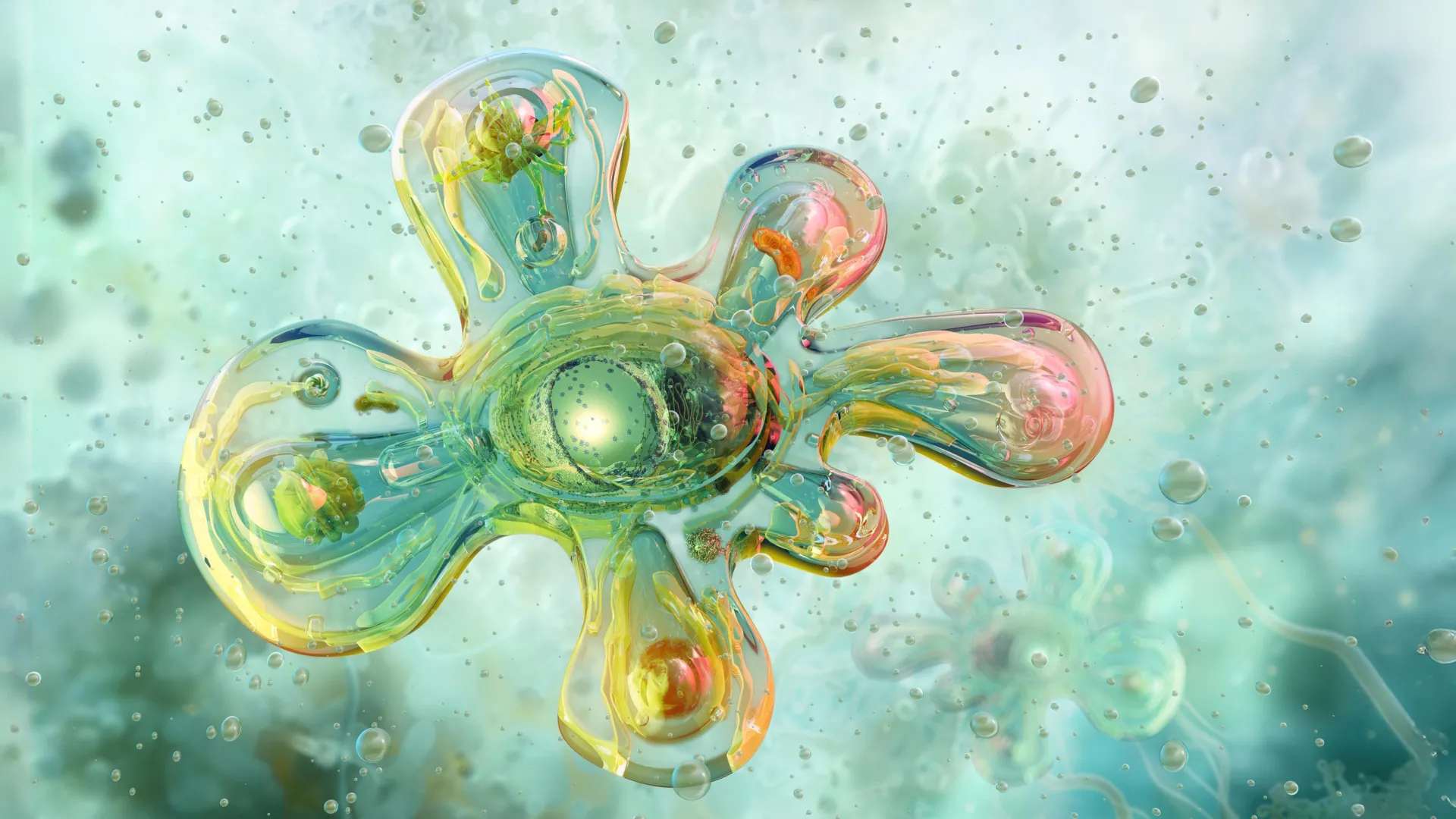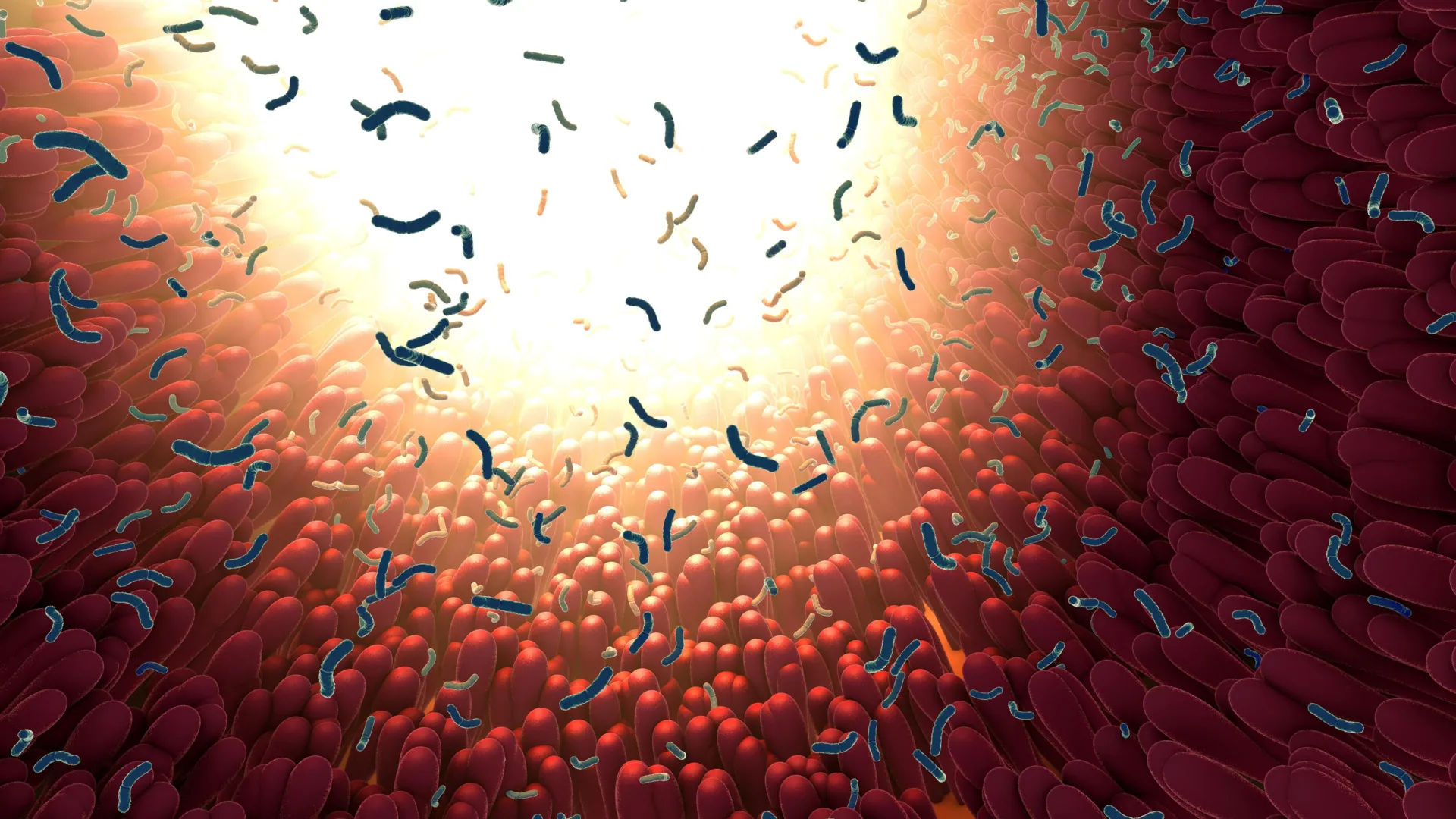
The human gastrointestinal tract is a complex, high-stakes ecosystem inhabited by trillions of microorganisms, forming a microbiome that acts as a vital organ in its own right. Until now, the scientific community has largely relied on "species-level" categorization to understand this vast community, grouping bacteria based on broad genetic similarities. However, a groundbreaking study led by researchers at the University of Vienna, published in the journal Nature, has fundamentally challenged this traditional paradigm. By utilizing an innovative analytical framework known as "reverse ecology," the research team has discovered that individual bacterial species are not monolithic entities but are instead comprised of evolutionarily distinct populations, each finely tuned to specific niches within the gut environment.
The Limitations of Traditional Microbiome Mapping
For decades, the standard approach to microbiome research has been to profile microbial communities by identifying the presence or absence of specific species. While this method has provided a foundational understanding of how bacteria contribute to digestion, immune regulation, and metabolism, it possesses inherent limitations. By treating a species as a single, uniform unit, researchers have often struggled to explain why the presence of a "beneficial" species might correlate with health in one individual but show no effect—or even a detrimental effect—in another.
The University of Vienna team hypothesized that this inconsistency arises because current taxonomies ignore the micro-evolutionary adaptations occurring within the gut. "Most microbiome research groups bacteria by species or by broad genetic similarity," says Xiaoqian Annie Yu, the lead author of the study and a researcher at the Centre for Microbiology and Environmental Systems Science (CeMESS). "These categories are useful, but they can overlook important differences between populations that have adapted to different environments within the human body." By failing to distinguish between these sub-populations, scientists have often been unable to discern which bacteria are causative agents of disease, which are coincidental bystanders, and which serve protective roles.
Decoding Evolution: The Reverse Ecology Methodology
To overcome these analytical hurdles, the research team conducted a massive meta-analysis. They examined thousands of bacterial isolates collected from human gut samples alongside extensive metagenomic datasets—the collective genetic material of microbial communities—sourced from diverse populations across multiple continents, spanning various age groups and health statuses.
The core of their investigation utilized "reverse ecology," a sophisticated bioinformatic method that interprets genomic data to reconstruct the ecological history of an organism. By analyzing the genetic signatures within these populations, the team sought evidence of "genome-wide selective sweeps." A selective sweep occurs when a specific mutation provides a survival advantage, allowing a particular lineage to outcompete its peers and become dominant. This process creates distinct evolutionary lineages with unique biological functions and reduced genetic diversity, making them distinguishable from neighboring populations within the same species.
Key Findings: A New Level of Biological Resolution
The results of the study revealed that many of the most well-known gut bacterial species are actually clusters of distinct evolutionary lineages. These lineages are not merely genetic variants; they are functional populations that have adapted to specific, localized conditions within the human gut.
The implications for clinical health are significant. The study identified that certain sub-populations are statistically linked to chronic conditions, including:
- Inflammatory Bowel Diseases (IBD): Specific lineages were found to be more prevalent in patients suffering from chronic gut inflammation.
- Colorectal Cancer: Genomic signatures indicated that certain bacterial sub-groups may thrive in the altered micro-environments created by tumor growth.
- Type 2 Diabetes: Metabolic shifts in the gut were found to correlate with the dominance of specific bacterial populations that were previously lumped into larger, "healthy" species categories.
- Advanced Age: The study identified shifts in bacterial population dominance that track with the natural aging process, potentially providing new markers for geriatric health.
Transcontinental Dissemination and Global Dynamics
Perhaps the most surprising aspect of the research is the discovery that these bacterial populations are highly dynamic and capable of rapid geographic expansion. The data indicated that highly competitive strains can spread across continents within a matter of decades.
Previously, such rapid, widespread dissemination of bacterial strains was largely observed among virulent pathogens—the organisms that cause acute infections. Finding that commensal, or "friendly," gut bacteria follow similar evolutionary and migratory patterns suggests that the microbiome is far more fluid than previously theorized. This discovery implies that the composition of an individual’s gut microbiome is not solely the product of their personal diet, medication history, or immediate lifestyle, but is also influenced by global transmission patterns. As humans migrate and interact, they likely exchange specialized bacterial lineages that then establish themselves in new hosts, provided those hosts offer a compatible ecological niche.
Expert Perspectives and Future Implications
The research team, led by Martin F. Polz, emphasizes that this shift in perspective is essential for the future of precision medicine. "Our findings show that gut bacteria are also more dynamic than previously thought," Polz noted. "Well-adapted strains can spread internationally and occupy new ecological niches."
The implications for the pharmaceutical and biotech industries are profound. Currently, microbiome-based therapeutics, such as probiotics or fecal microbiota transplants, operate on a relatively blunt instrument approach—trying to introduce or alter entire species. With the realization that "species" is an insufficient unit of measurement, the industry may shift toward "precision microbiome medicine." By targeting specific, biologically relevant lineages rather than broad species, doctors could theoretically engineer more effective interventions. This might involve suppressing pathogenic lineages associated with metabolic disease while simultaneously encouraging the growth of beneficial, specialized strains.
A Path Toward Precision Biomarkers
The scientific community has responded to the findings with significant interest, as it provides a roadmap for refining diagnostic tools. By identifying the specific genetic markers that separate these populations, researchers hope to develop biomarkers that can predict disease susceptibility years before symptoms manifest.
The next phase of the research, as outlined by the University of Vienna team, will focus on functional genomics. The researchers intend to map the specific genes that differentiate these sub-populations and determine exactly what biological functions these genes produce. By linking genetic variance to metabolic output, the team hopes to create a "functional map" of the gut that goes beyond simply knowing what bacteria are present to understanding exactly what they are doing in real-time.
Conclusion: A New Era of Microbiome Science
The discovery that gut bacteria harbor hidden, evolutionarily distinct lineages marks a turning point in our understanding of human biology. By moving past the superficial categorization of species, researchers are beginning to uncover the complex, evolutionary dance that occurs within the human digestive system. This shift in perspective—from broad ecological categorization to precise, lineage-based analysis—provides a more nuanced view of the gut as a highly dynamic, globally connected ecosystem. As the field advances, this level of detail will likely be the cornerstone of future treatments for metabolic, inflammatory, and oncological diseases, ultimately bringing the promise of personalized microbiome medicine closer to clinical reality. Through the lens of reverse ecology, the "hidden" world within our gut is finally coming into focus, revealing a level of complexity that mirrors the sophistication of the human body itself.