In a landmark study published in the Proceedings of the National Academy of Sciences, a research team led by Yale University has elucidated the specific molecular mechanism that prevents sperm cells from successfully interacting with an egg, effectively halting the process of fertilization. The discovery, which centered on a naturally occurring biological mechanism found in mammals, provides a dual-purpose roadmap for the future of reproductive medicine. By understanding how a specific antibody blocks the union of gametes, scientists believe they can now develop more targeted treatments for couples struggling with immuno-infertility, while simultaneously paving the way for a new generation of non-hormonal contraceptives.
The research, conducted in collaboration with Osaka University, utilized rodent models to map the intricate dance between proteins on the surface of sperm and receptors on the egg. The findings represent the first time the structural complex of an anti-sperm antibody and its corresponding antigen has been visualized at a high resolution, providing a literal blueprint for how biological interference can determine the success or failure of conception.
The Molecular Handshake: IZUMO1 and JUNO
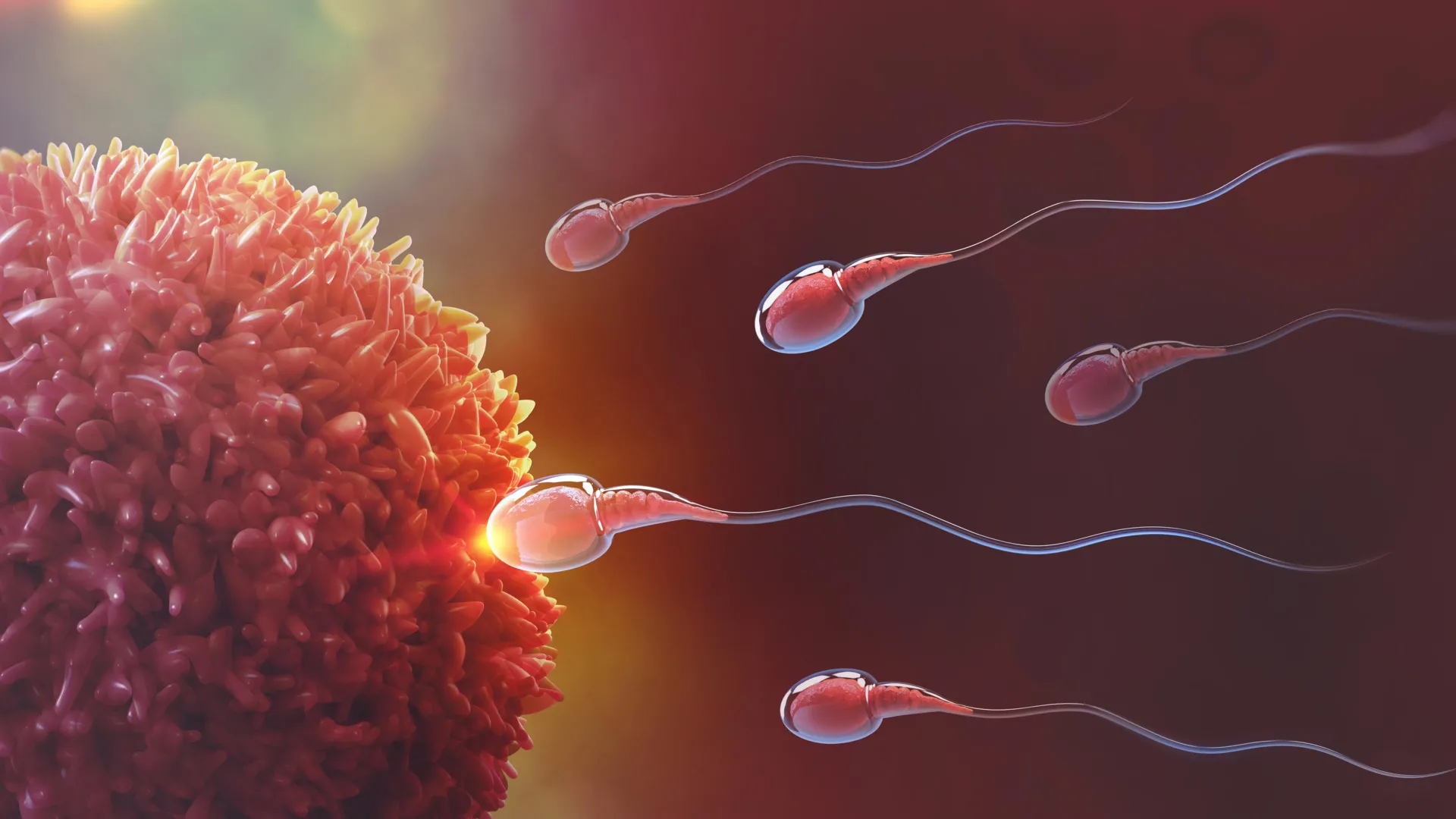
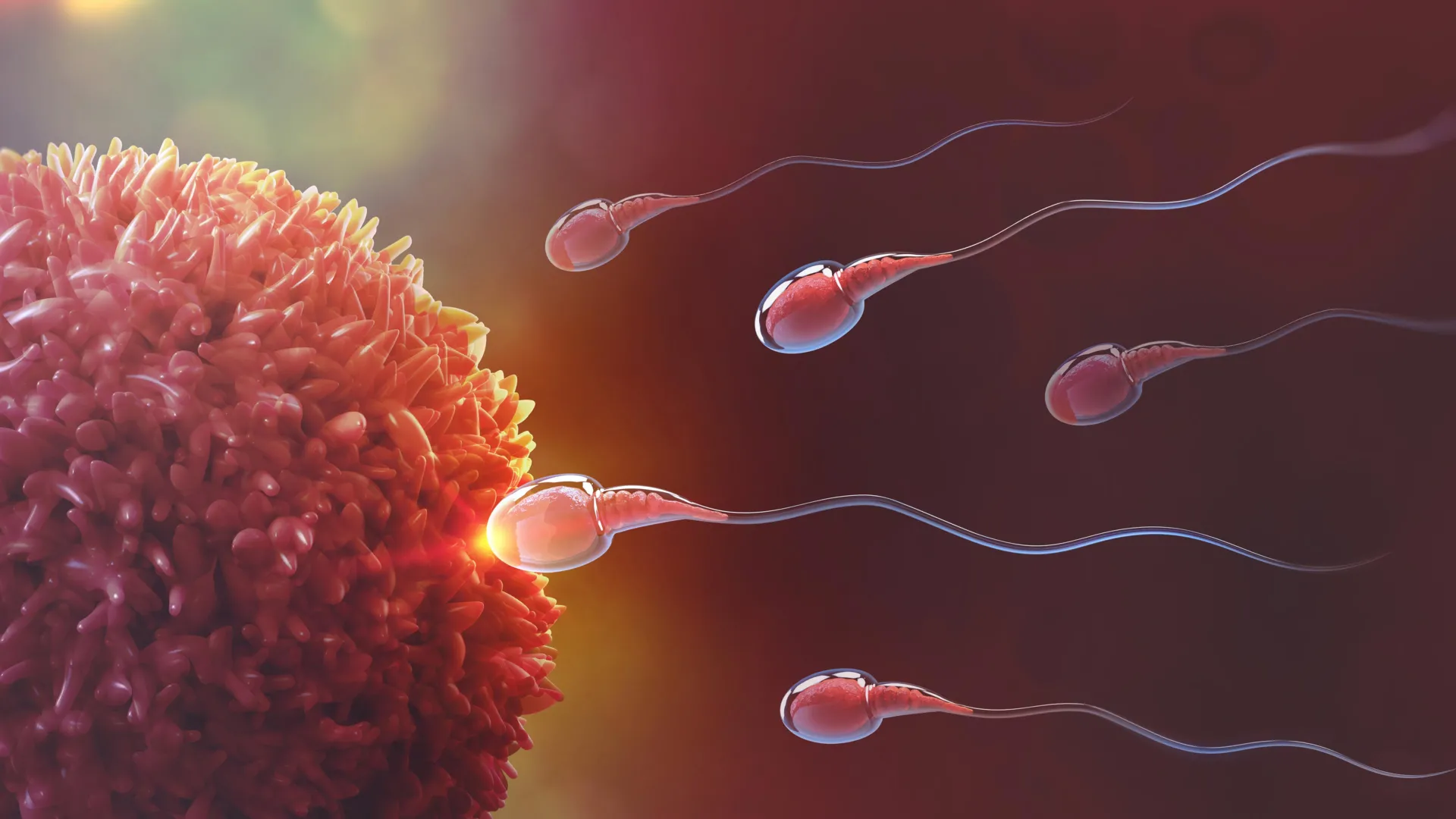
To understand the breakthrough, it is necessary to examine the fundamental biology of mammalian fertilization. For decades, the exact process by which a sperm cell recognizes and fuses with an egg remained one of biology’s most enduring mysteries. It was only in the last twenty years that researchers identified the primary actors in this "molecular handshake": a protein on the sperm cell named IZUMO1 (after a Japanese marriage shrine) and its counterpart on the egg’s surface, a receptor known as JUNO (named after the Roman goddess of fertility and marriage).
When a sperm cell approaches an egg, the IZUMO1 protein must bind precisely to the JUNO receptor. This connection is the critical precursor to the fusion of the two cell membranes, allowing the sperm’s genetic material to enter the egg. If this connection is interrupted, fertilization becomes impossible. The Yale-led study focused on how this interaction is naturally thwarted by the body’s own immune system in certain cases, specifically through the action of an antibody known as OBF13.
A Forty-Year Mystery Solved
The OBF13 antibody is not a new discovery in the field of reproductive biology. It was first identified 40 years ago by researchers at Osaka University in Japan. At the time, scientists noted that the presence of this naturally occurring antibody in some subjects led to a total disruption of fertilization. While it was clear that OBF13 recognized and bound to IZUMO1, the precise structural mechanism—how it physically blocked the sperm from "plugging into" the egg—remained speculative for four decades.
"This will have direct implications for infertility and contraception research, especially immuno-infertility and immuno-contraception," stated Steven Tang, an assistant professor of molecular biophysics and biochemistry in Yale’s Faculty of Arts and Sciences and the study’s corresponding author. Tang noted that by visualizing the X-ray crystal structure of IZUMO1 as it interacts with OBF13, the team could finally see the "blockade" in action.
The researchers found that OBF13 does not simply sit on the sperm; it reconfigures the spatial orientation of the sperm’s surface proteins. By attaching itself to IZUMO1, the antibody prevents the protein from reaching the JUNO receptor. The analysis also led to the discovery of a high-affinity variant of OBF13, a version of the antibody that bonds even more tightly to the sperm, creating a nearly impenetrable barrier to fertilization.
Supporting Data: The Scale of Reproductive Challenges
The implications of this research are grounded in the significant prevalence of fertility issues globally. According to data from the Centers for Disease Control and Prevention (CDC), approximately 9% of men and 11% of women of reproductive age in the United States experience fertility problems. While many cases of infertility are attributed to hormonal imbalances, structural issues, or age, a significant subset is classified as "unexplained" or linked to immunological factors.
Immuno-infertility occurs when the immune system mistakenly identifies reproductive cells as foreign invaders. In some men, the body may produce anti-sperm antibodies that attack their own sperm; in some women, the reproductive tract may produce antibodies that neutralize incoming sperm. By identifying the exact amino acid sites on the JUNO receptor that define its ability to bind with IZUMO1, the Yale team has opened a door to bypassing these immunological barriers.
The researchers discovered that certain sites on the JUNO receptor remain accessible even when OBF13 is present. If these sites can be targeted or protected, it may be possible to facilitate fertilization even in the presence of inhibitory antibodies, providing a new glimmer of hope for patients who have previously failed traditional IVF (In Vitro Fertilization) treatments due to sperm-egg recognition failures.
Chronology of the Discovery and Methodology
the path to this discovery involved a multi-year international collaboration and the use of advanced technological facilities.
- Initial Discovery (1980s): Researchers at Osaka University identify OBF13 and its role in preventing fertilization in rodent models.
- Protein Identification (2005-2014): The identification of IZUMO1 (2005) and JUNO (2014) provides the necessary context for understanding what OBF13 might be targeting.
- Structural Analysis (2020-2023): The Yale and Osaka teams utilize the SLAC National Accelerator Laboratory in California. Using the laboratory’s synchrotron radiation—an extremely bright X-ray source—the team performed X-ray crystallography to map the atoms within the IZUMO1-OBF13 complex.
- Variant Identification (2023): Researchers identify the high-affinity variant of OBF13 and map the binding sites on the JUNO receptor.
- Publication (2024): The findings are finalized and published in the Proceedings of the National Academy of Sciences, detailing the first-ever anti-sperm antibody-antigen complex structure.
The study’s first author, Yonggang Lu, and co-author Masahito Ikawa, both from Osaka University, were instrumental in bridging the historical research on OBF13 with the modern biophysical techniques employed at Yale.
Impact on Contraceptive Development
While the research offers solutions for infertility, it is equally significant for the development of new contraceptives. Currently, the majority of pharmacological contraceptives are hormone-based, working by suppressing ovulation in women. However, many users experience side effects from hormonal shifts, ranging from mood changes and weight gain to more serious risks like blood clots. Furthermore, there is currently no approved hormonal or "pill-form" contraceptive for men.
The Yale study suggests a path toward "immuno-contraception" or small-molecule inhibitors that mimic the action of the OBF13 antibody. Because this method targets a specific protein-to-protein interaction that only occurs during the fertilization process, it could theoretically be used to create a non-hormonal contraceptive for both men and women. Such a drug would work by temporarily "coating" the sperm or the egg to prevent the IZUMO1-JUNO handshake, without affecting the body’s broader endocrine system.
"We provide high-resolution information that will open avenues for discovering IZUMO1 regulators, guide antibody and small-molecule inhibitor design, and support drug screening for contraceptive development," Tang said. This molecular precision allows drug developers to design compounds that fit into the "pockets" of the proteins identified in the study, ensuring high efficacy with minimal off-target effects.
Official Responses and Scientific Context
The scientific community has reacted with cautious optimism to the Yale-led findings. Representatives from organizations focused on reproductive health have noted that while the study was conducted in rodent models, the IZUMO1 and JUNO proteins are highly conserved across mammalian species, including humans, suggesting a high likelihood of clinical translation.
The Male Contraception Initiative (MCI), which provided a David Sokal Innovation Award to support the work, emphasized the importance of diversifying birth control options. In a statement regarding the broader field of male contraception, advocates have long argued that the lack of options for men places an undue burden on women and that molecular research like Tang’s is the key to shifting that paradigm.
The work also received support from the National Institutes of Health (NIH), the Japan Society for the Promotion of Science, the Japan Agency for Medical Research and Development, and the Takeda Science Foundation. This level of international and multi-institutional backing underscores the perceived importance of the research in addressing global health challenges.
Broader Implications and Future Research
Beyond the immediate applications in fertility clinics and pharmacies, the study contributes to the broader field of structural biology. By mapping the first anti-sperm antibody-antigen complex, the researchers have provided a template for studying other types of "cell-cell" interactions. The techniques used—combining traditional immunology with high-energy physics at the SLAC National Accelerator Laboratory—demonstrate the increasingly interdisciplinary nature of modern medical science.
The next steps for the Yale and Osaka teams involve moving from structural mapping to functional testing in human cell lines. If the OBF13 mechanism can be replicated or inhibited in human IZUMO1 and JUNO proteins, clinical trials for new therapies could be on the horizon.
For the millions of people worldwide struggling with infertility, the discovery offers a potential explanation for why previous treatments may have failed and provides a target for new interventions. For the global population seeking better family planning tools, it offers the prospect of a highly specific, reversible, and non-hormonal method of preventing pregnancy.
In the words of the research team, this study is not just about stopping or starting fertilization; it is about understanding the fundamental language of life at the atomic level. By deciphering the molecular "no" sent by the OBF13 antibody, science is now much closer to delivering a definitive "yes" to those seeking to control their reproductive futures.