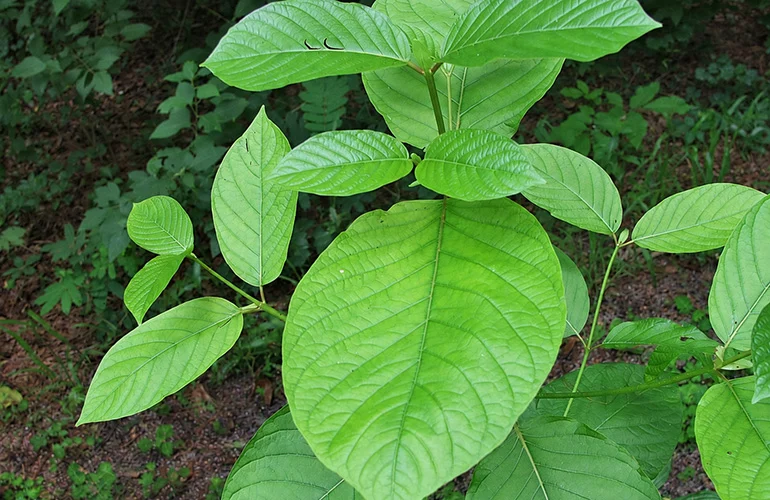
The United States Drug Enforcement Administration (DEA) has officially moved to curtail the proliferation of highly potent, synthetic derivatives associated with the Mitragyna speciosa plant, commonly known as kratom. In a regulatory action finalized on August 25, 2026, the agency placed three specific synthetic alkaloids—mitragynine pseudoindoxyl, MGM-15, and MGM-16—into Schedule I of the Controlled Substances Act (CSA). This emergency measure marks a significant escalation in federal oversight regarding the rapidly evolving market for semi-synthetic opioid-like substances, differentiating these manufactured compounds from the traditional, naturally occurring leaf products that have circulated in the U.S. for decades.
A Chronology of Federal Regulatory Intervention
The path to the August 25 scheduling order began with a series of administrative maneuvers earlier this summer. On July 1, 2026, the DEA signaled its intent to impose temporary controls by publishing two distinct notices in the Federal Register. These notices laid the groundwork for the eventual classification of both high-potency synthetic variants and a specific threshold-based restriction for 7-hydroxymitragynine (7-OH).
By July 6, 2026, the official Federal Register entries solidified the proposal, initiating a 30-day public comment period. During this window, the U.S. Department of Health and Human Services (HHS) and the Food and Drug Administration (FDA) provided essential findings, confirming that these substances possess no recognized medical utility in the United States and carry a significant risk of abuse. Following the conclusion of the comment period, the Office of the Assistant Secretary for Health (OASH) reviewed the public submissions and formally advised the Attorney General, who then delegated the final scheduling authority to the DEA Administrator. The resulting order, enacted on August 25, places these substances under Schedule I for an initial period of two years, with the possibility of a one-year extension.
The Science of Synthetic Potency and Public Health Risks
The DEA’s decision to move against these specific compounds is rooted in their chemical profile and the potential for severe public health consequences. While natural kratom contains alkaloids such as mitragynine, the industry has seen a pivot toward "designer" substances that are chemically rearranged to exhibit significantly higher affinity for the mu-opioid receptor (MOR).
According to laboratory assessments cited by the DEA, mitragynine pseudoindoxyl is approximately 100 times more potent than its natural precursor, mitragynine. Furthermore, the synthetic derivatives MGM-15 and MGM-16 have demonstrated potency levels between 50 and 240 times that of morphine. These compounds function as full agonists at the mu-opioid receptor, triggering a pharmacological response that mimics the dangerous side-effect profile of traditional synthetic opioids, including fentanyl. Documented risks include rapid respiratory depression, severe physical dependence, and potential for fatal toxicity.
The DEA further noted that these products have been marketed with misleading claims, often suggesting they provide mild relief for stress or mental clarity, despite their aggressive pharmacological activity. With an estimated 2 million individuals using various kratom-related products as of 2022, the availability of these high-potency synthetics in retail environments—often marketed in attractive, candy-like formats—presents an immediate, uncontrolled hazard to the general public.
Defining the Regulatory Landscape and Legal Implications
The classification of these substances as Schedule I implies that they are now viewed as having no accepted medical use, a lack of accepted safety for use under medical supervision, and a high potential for abuse. The impact of this scheduling is immediate and far-reaching for any entity involved in the chemical supply chain.
As of August 25, 2026, the manufacture, distribution, importation, exportation, and possession of mitragynine pseudoindoxyl, MGM-15, and MGM-16 are strictly prohibited without a specific Schedule I registration from the DEA. Researchers wishing to study these substances for legitimate scientific inquiry must secure these specialized licenses, which require stringent security protocols and comprehensive record-keeping. Retailers who previously carried these products must cease sales immediately, as no quantity of these substances is permitted for consumer purchase.
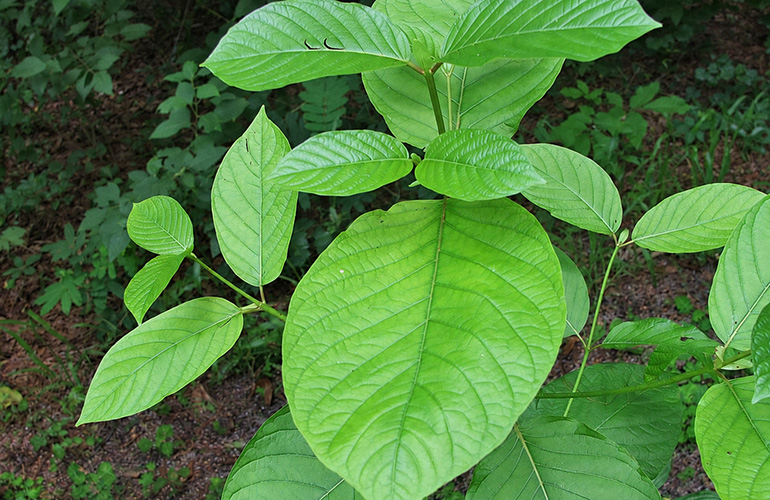
The DEA’s action does not currently apply to the entire category of botanical kratom; however, the simultaneous focus on 7-hydroxymitragynine (7-OH) introduces a new level of complexity. The DEA has proposed a threshold for 7-OH, specifically targeting products where the concentration exceeds 0.050 percent on a dry-weight basis. This has sparked a debate over the legal definition of "article" as used in the Federal Food, Drug, and Cosmetic Act (FD&C Act). Legal analysts point out that if the DEA applies this threshold to "finished products" rather than individual units, it could effectively criminalize many standard, non-synthetic kratom offerings that naturally contain trace amounts of 7-OH.
Official Responses and Public Comment Windows
The OASH has extended the comment period for the 7-OH threshold proposal until September 10, 2026. This extension is intended to allow for rigorous analysis of the technical and economic impacts of setting such a low threshold for naturally occurring substances. Government officials have emphasized that they are not seeking feedback on the general safety of kratom at large, but are instead focused on the specific regulatory mechanism for limiting the concentration of 7-OH.
Industry observers and public health advocates have noted that the lack of clear definitions for "article" in the existing regulatory framework could lead to significant litigation. If the DEA fails to distinguish between naturally occurring alkaloids in raw leaf and synthetically enriched products, the regulatory burden on the botanical supplement industry could become unsustainable.
Broader Implications for the Dietary Supplement Industry
The move by the DEA represents a turning point in the regulation of botanical-derived supplements. By isolating "synthetic" alkaloids for emergency scheduling, the agency is signaling a shift toward a more granular approach to the Controlled Substances Act. This strategy allows the federal government to bypass long-term, permanent scheduling procedures when faced with an "imminent hazard to public safety."
Manufacturers and distributors are now facing a precarious compliance environment. Because the scheduling of these three substances was an emergency action, the standard Administrative Procedure Act requirements—such as a formal notice-and-comment period prior to the rule becoming law—were bypassed. This has prompted concern among legal experts regarding the precedent this sets for future substances derived from plants.
For consumers, the takeaway is clear: the federal government has identified a clear line between traditional, low-potency botanical kratom and the high-potency, synthetic derivatives that have begun to appear on store shelves. The increased focus on potency levels, particularly regarding 7-OH, suggests that the future of the kratom market may be defined by rigorous laboratory testing and standardized alkaloid profiles rather than the "wild west" conditions that characterized the market in the early 2020s.
Strategic Recommendations for Stakeholders
In light of these developments, companies operating within the kratom or related botanical industries are advised to take several immediate steps:
- Conduct Product Audits: Firms should immediately test their inventories to ensure that none of their products contain mitragynine pseudoindoxyl, MGM-15, or MGM-16.
- Monitor 7-OH Levels: For companies selling traditional kratom, it is critical to determine the 7-hydroxymitragynine content in their batches. If levels approach the 0.050 percent threshold, those products may soon face federal seizure or enforcement actions.
- Engage in Regulatory Advocacy: With the comment period for 7-OH remaining open until September 10, 2026, industry associations and legal representatives have a narrow window to submit data regarding the potential impact of these thresholds on the broader, non-synthetic market.
- Enhance Transparency: In the absence of federal standardization, independent, third-party testing reports that are readily available to consumers may become the industry’s best defense against broad-brush regulatory actions that fail to distinguish between natural and synthetic products.
As the situation continues to evolve, stakeholders must remain vigilant. The DEA has demonstrated a willingness to act quickly when faced with substances that mimic the effects of traditional opioids. With the temporary scheduling order in place for at least two years, the legal landscape for these substances is unlikely to change in the near term. The focus will now turn to the scientific and legal arguments presented during the ongoing 7-OH comment process, which will likely determine the next phase of federal interaction with the kratom industry.