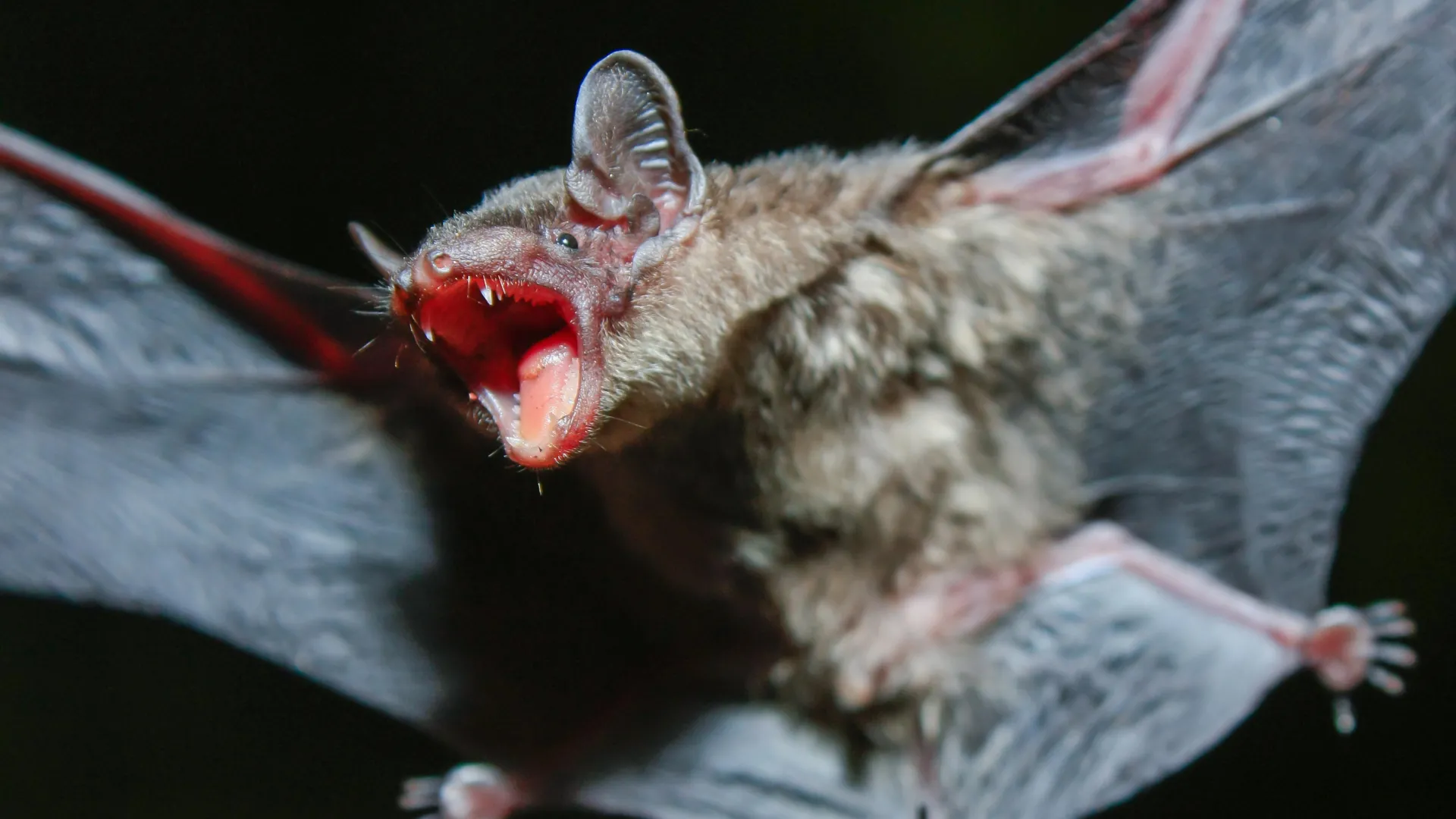
The quest to extend the healthy human lifespan has long focused on traditional models of aging, yet a groundbreaking study published in the journal Nature suggests that the most promising insights into longevity may reside in the specialized genetic code of bats. As mammals capable of surviving for decades despite body sizes that would typically correlate with a much shorter life, bats offer a unique evolutionary perspective on how organisms mitigate disease and cellular decay. A team of researchers, led by Juan Manuel Vazquez, formerly of the University of California, Berkeley, and now at Pennsylvania State University, has provided the first comprehensive genomic analysis of the genus Myotis, revealing that the secret to a long life may lie in a hyper-efficient immune system that simultaneously fights cancer and manages viral infections.
The Evolution of the Research
The genesis of this project dates back to Vazquez’s graduate studies at the University of Chicago, where he noted a significant gap in genomic literature regarding bat longevity. Despite the known resilience of species like the Brandt’s myotis—which can live upwards of 50 years—there was a dearth of data to explain the biological mechanisms behind such longevity. Upon transitioning to a postdoctoral fellowship at UC Berkeley in 2020, Vazquez launched a field research initiative across the Western United States.
Working alongside undergraduate researchers, the team executed a rigorous data collection process that spanned multiple years. By deploying mist nets over various water sources, the researchers successfully captured, biopsied, and released dozens of bats, focusing heavily on the Myotis genus. This primary research phase was crucial for establishing the baseline for the subsequent genomic sequencing, providing a rare look at the cellular structure of species that defy standard mammalian aging trajectories.
Genomic Analysis and the Cancer-Immunity Link
The study’s core findings stem from the analysis of eight distinct Myotis genomes. By comparing these sequences, researchers identified a significant correlation between extended lifespan and the expression of genes involved in immune function. Specifically, long-lived bats exhibit an elevated baseline of genes specialized in tumor suppression and cancer resistance.
This discovery challenges the traditional binary view of aging-related diseases versus infectious diseases. Instead, the research suggests that the immune system acts as a unified defensive architecture. By maintaining a high state of readiness, these bats prevent the chronic inflammation that often accelerates aging in other mammals. For humans, this implies a potential paradigm shift: rather than treating age-related decline and immune dysfunction as separate issues, medical researchers might one day look toward strengthening the immune system to prevent the "exhaustion" that typically accompanies advanced age.
Cellular Resilience: The Self-Destruction Strategy
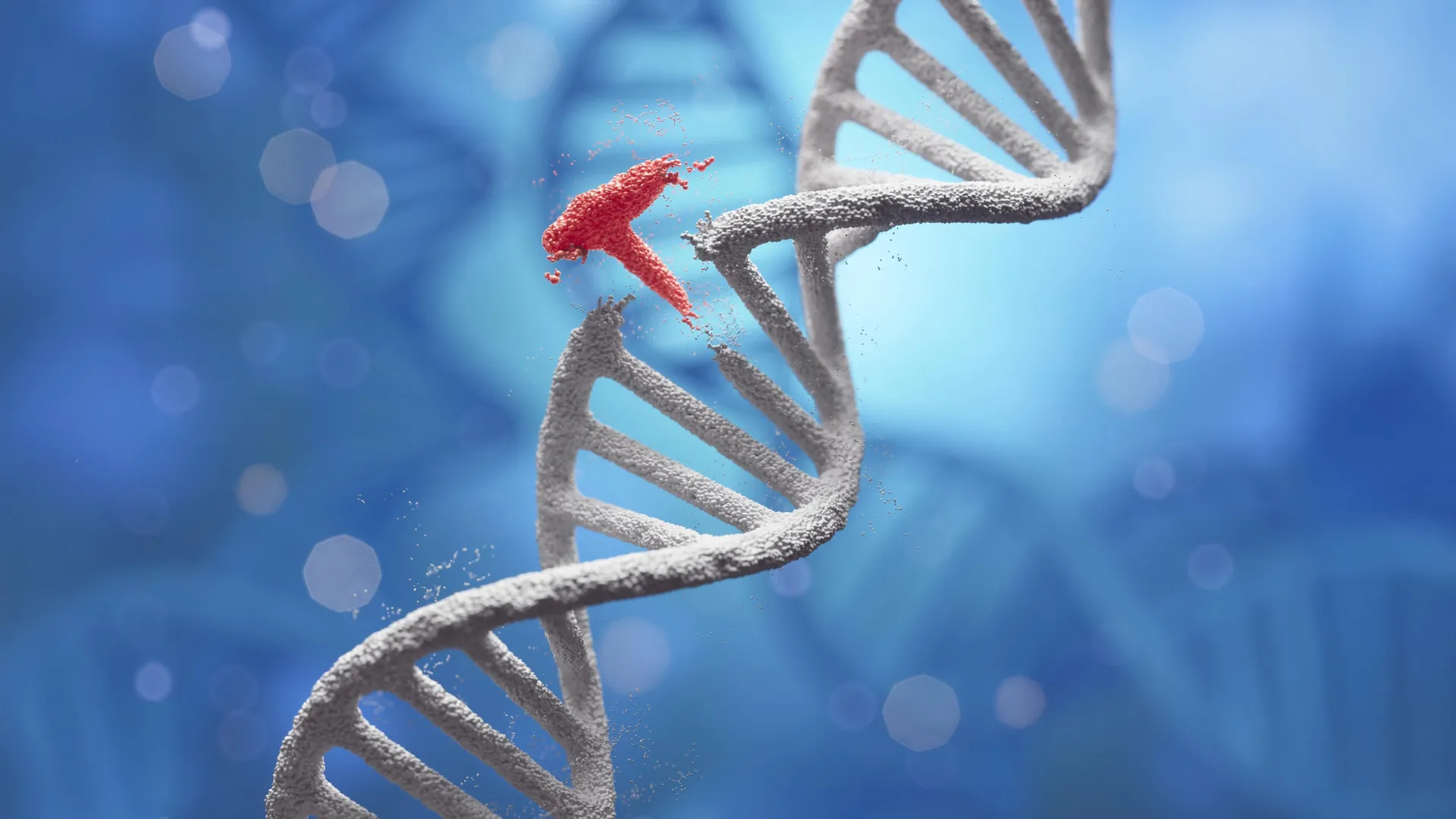
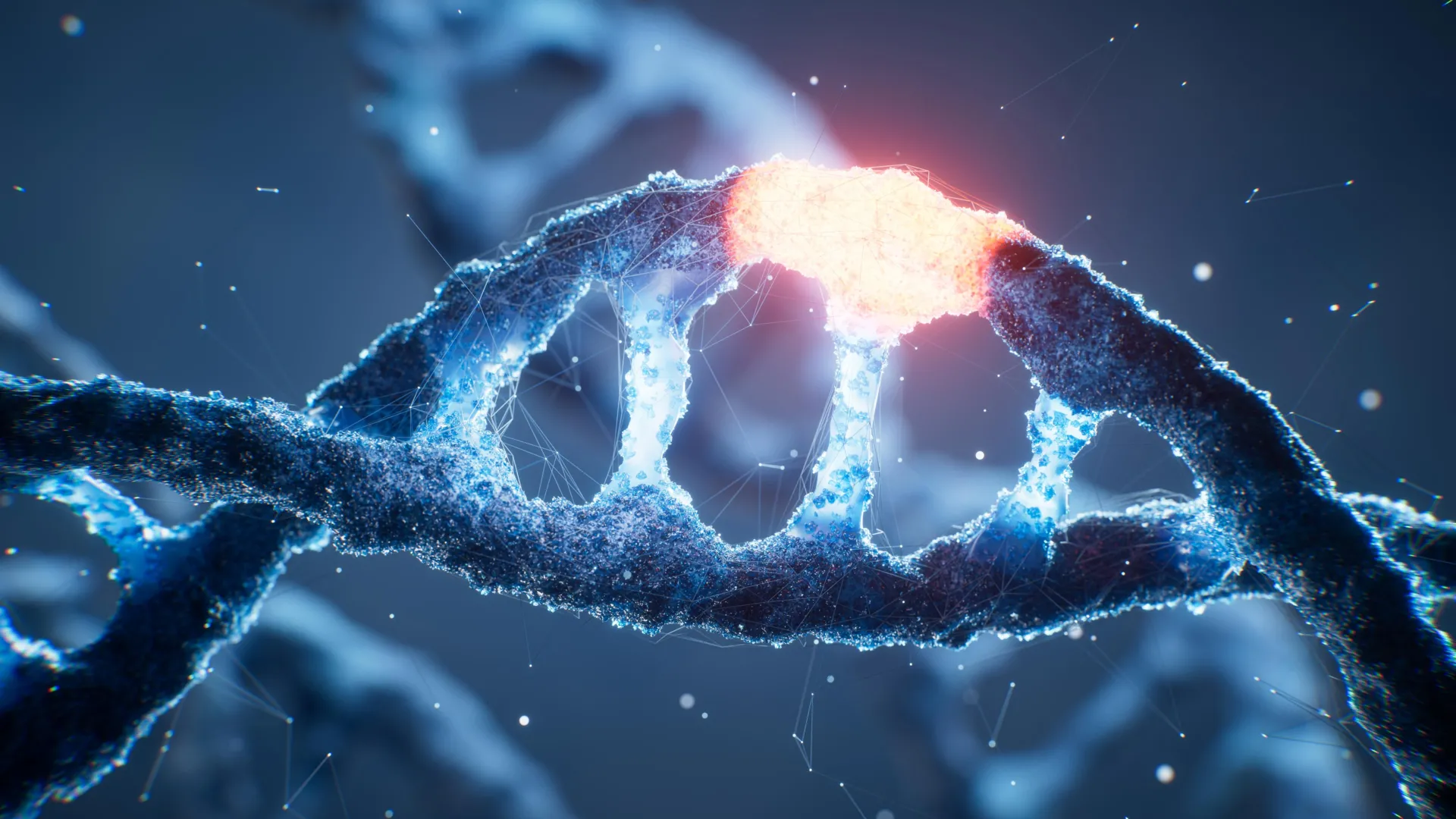
One of the most counterintuitive findings involves how bat cells respond to toxic stress. Using a repository of cell cultures derived from 259 individuals across 32 species, Vazquez and his team exposed bat cells to severe chemical damage. In typical mammalian models, cells might attempt to repair DNA damage, often leading to mutations that trigger cancer. However, the little brown bat (Myotis lucifugus) responded with an immediate, programmed cell death—apoptosis—rather than repair.
This "self-destruct" mechanism is highly efficient at preventing damaged, potentially cancerous cells from replicating. Interestingly, this strategy mirrors that of elephants, which are also known for their remarkable cancer resistance. This convergence suggests that evolutionary pressure has driven different species toward a common, highly effective defensive posture: if a cell’s integrity is compromised beyond recovery, it is safer to eliminate that cell entirely than to risk its transformation into a malignancy.
Comparative Biology: The Spectrum of Lifespan
The diversity within the Myotis genus provides a natural laboratory for studying aging. While the Brandt’s myotis can survive for half a century, its relative, the black myotis, has a lifespan of only about seven years. This extreme variance, occurring within closely related species, allowed researchers to isolate specific genetic markers of longevity.
To contextualize this, scientists have compared the disparity to a scenario in which early hominids like Homo neanderthalensis lived nine times longer than modern Homo sapiens. This evolutionary divergence highlights that longevity is not merely a byproduct of size or metabolism, but a result of specific genetic adaptations. Bats have achieved this through an active lifestyle that mimics the physiological demands of constant, high-intensity exercise, effectively keeping their metabolic and immune systems in a constant state of "high alert."
Viral Interactions and Zoonotic Implications
The research also uncovered a profound, albeit concerning, overlap between longevity genes and viral defense genes. Elise Lauterbur, a collaborator from the University of Arizona, identified that many of the genes responsible for bat longevity are also deeply involved in the regulation of viral interactions. Bats host a vast array of viruses, including those related to the causative agents of COVID-19, without succumbing to the symptoms that would cripple other species.
A key distinction noted by Peter Sudmant, an associate professor of integrative biology at UC Berkeley, is the evolutionary focus of the bat immune system. While humans and other primates have evolved robust defenses primarily against RNA viruses, bats exhibit a specialized and heightened response to DNA viruses. This evolutionary mismatch is critical for understanding zoonotic disease transmission. Because human immune systems are "badly suited" to the specific viral interactions that bats have mastered, the transmission of pathogens from bats to humans can result in severe health outcomes. This finding serves as a cautionary note for the necessity of biosafety when conducting field research, as well as a roadmap for future epidemiological studies.
Broader Impacts and Future Directions
The implications of this research extend far beyond the study of bats. By identifying how nature has already resolved the conflicts between DNA repair, viral defense, and cancer prevention, the scientific community may be able to develop novel therapeutic interventions.
The ongoing research is moving toward a more granular understanding of the "trade-off" between protecting the genome from viral infiltration and the self-inflicted damage that can occur during immune responses. As Vazquez continues his work at Pennsylvania State University and Sudmant expands his study of primate cell cultures, the goal remains the same: to decode the interplay between DNA damage and immune response.
This research, funded by the National Institutes of Health and the National Science Foundation, underscores the importance of comparative genomics. By looking at species that have successfully navigated the challenges of long-term survival, researchers are uncovering the fundamental rules of healthy aging. The ability of bats to live long, disease-free lives is not just a biological curiosity; it is a blueprint for the future of regenerative medicine and immunology.
As the scientific community continues to synthesize these findings, the focus will likely shift to how these genetic pathways can be safely modulated in humans. While there is no immediate clinical application, the identification of these specific genes provides a definitive target for researchers aiming to delay the onset of age-related illnesses. The story of the bat is, ultimately, a story of evolutionary mastery—a testament to the idea that a robust and alert immune system is perhaps the most vital component of a long, healthy existence.