The landscape of oncology is currently undergoing a paradigm shift as pharmaceutical giants Merck & Co. and Moderna transition from conventional, mass-produced pharmaceuticals to the era of hyper-personalized medicine. Their collaborative effort, centered on an investigational individualized neoantigen therapy (INT) known as intismeran autogene, represents a fundamental change in how clinicians approach the treatment of high-risk cancers. By leveraging mRNA technology—the same platform that powered the global response to the COVID-19 pandemic—the companies are creating bespoke vaccines designed to teach a patient’s immune system to identify and neutralize tumor cells with surgical precision.
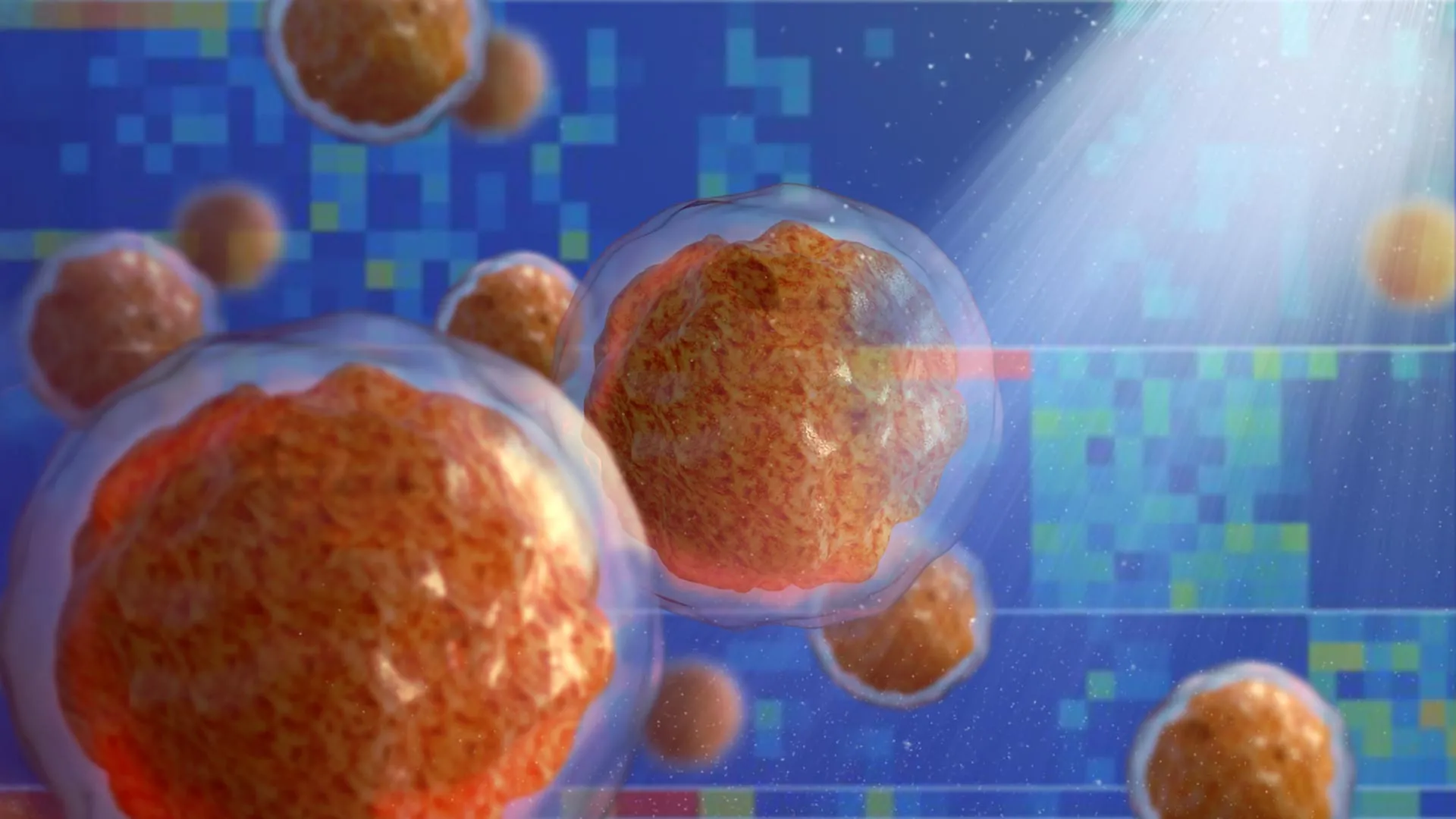
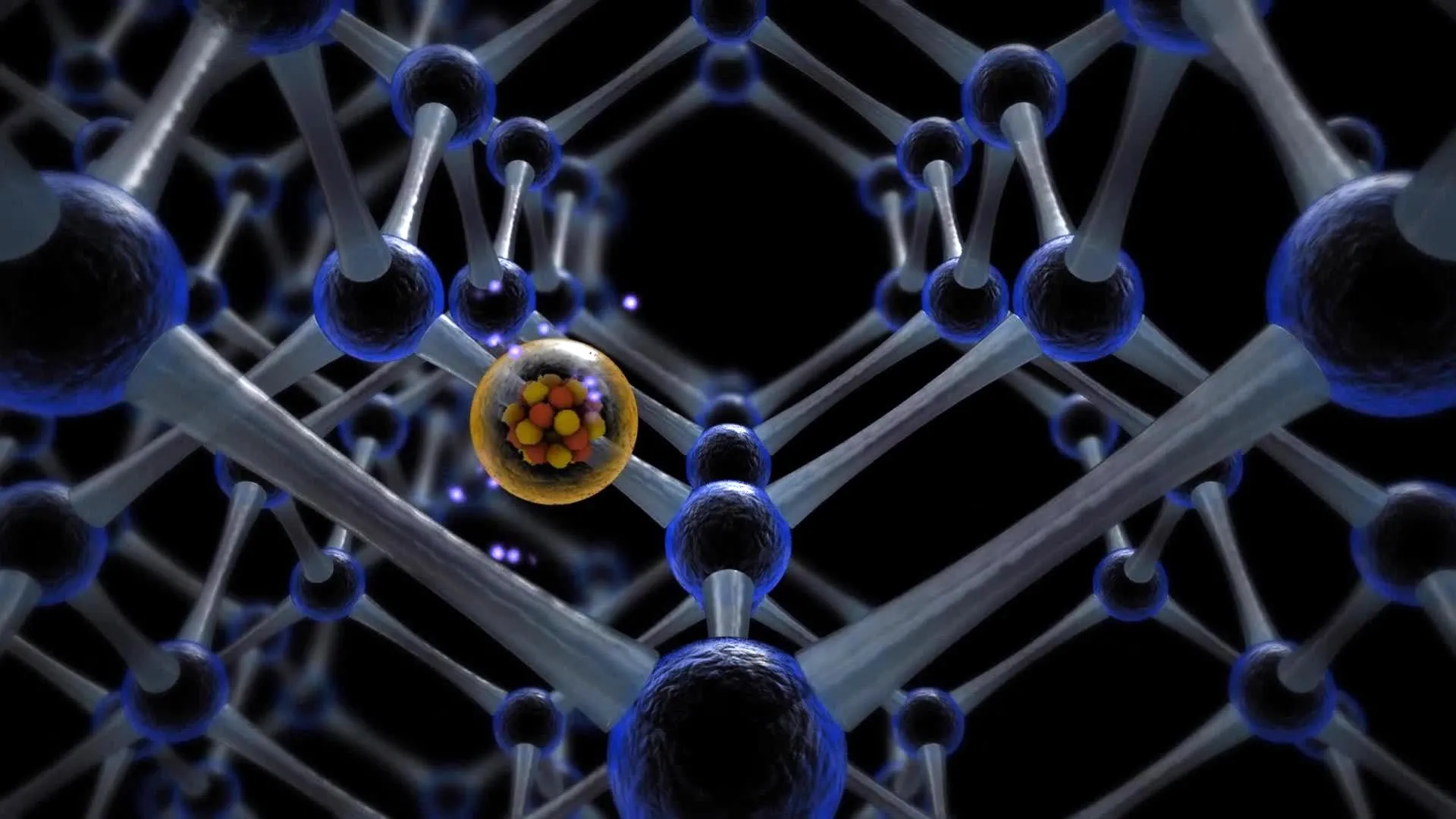
This therapy functions as a sophisticated "training program" for the body’s defenses. Once a patient’s tumor is surgically resected, researchers sequence the genomic profile of the malignant tissue to identify unique mutations. From these, they select the 34 most immunogenic mutations, encode them into an mRNA construct, and package them into lipid nanoparticles. When injected, this vaccine acts as a biological roadmap, guiding the patient’s T-cells to recognize and eliminate residual cancer cells that may be invisible to standard diagnostic imaging.
A Chronology of Strategic Collaboration
The foundation for this breakthrough was laid long before the mRNA boom of the 2020s. Merck and Moderna first formalized their strategic collaboration in 2016. At that time, Merck was already riding the success of Keytruda (pembrolizumab), a monoclonal antibody that revolutionized cancer care by targeting the PD-1 receptor on T-cells. Keytruda works by "releasing the brakes" on the immune system, allowing it to recognize cancer cells that had previously utilized the PD-1 pathway to mask themselves from immune surveillance.
The evolution of the partnership can be categorized into three distinct phases:
- The Conceptual Phase (2016–2019): Following the initial partnership, researchers analyzed data from thousands of Keytruda patients to identify why certain individuals responded better to immunotherapy than others. They hypothesized that combining the checkpoint inhibition of Keytruda with a patient-specific vaccine could create a synergistic effect.
- The Validation Phase (2020–2023): The success of Moderna’s COVID-19 vaccine accelerated the development of their mRNA platform. During this period, the companies transitioned to human trials. In 2023, the U.S. Food and Drug Administration (FDA) granted the intismeran autogene and Keytruda combination a "Breakthrough Therapy" designation, acknowledging the potential for significant improvement over existing treatments for high-risk melanoma.
- The Clinical Proof Phase (2024–Present): With the release of positive Phase 3 data, the focus has shifted toward regulatory filings and expanding the scope of the therapy beyond initial melanoma trials.
Clinical Efficacy and Supporting Data
The clinical evidence supporting this combination therapy is robust. The Phase 2b KEYNOTE-942 study served as the catalyst, demonstrating that the combination of the personalized vaccine and Keytruda reduced the risk of recurrence or death by 44% in patients with high-risk resected melanoma compared to treatment with Keytruda alone.
Building on these results, the Phase 3 INTERPATH-001 trial enrolled approximately 1,100 participants. The study met its primary endpoints, showing a statistically significant and clinically meaningful improvement in both recurrence-free survival (RFS) and distant metastasis-free survival (DMFS). These metrics are critical, as they measure not only whether the cancer returns locally but also whether it spreads to distant organs, which is the primary driver of mortality in melanoma patients.
Jane Healy, vice president and head of Oncology Early Clinical Development at Merck & Co., notes that the biological logic is sound: "By giving the cancer vaccine, you’re training the immune cells to respond to the mutations that are unique to a patient’s tumor. And by giving Keytruda at the same time, you are reactivating the immune system to make sure that those immune cells are recognizing the cancer."
Logistical Challenges and the Manufacturing Hurdle
Unlike mass-manufactured vaccines, which can be stored in bulk and distributed globally, intismeran autogene requires a "vein-to-vein" logistical process. Each dose is a custom pharmaceutical product. From the moment a patient’s tumor sample is collected, it must be shipped to a specialized facility for genomic sequencing. Scientists then identify the specific mutations, synthesize the mRNA, and perform quality control.
The current manufacturing cycle takes approximately six weeks. This necessitates a specific clinical workflow: patients typically undergo tumor resection and begin a course of Keytruda, while their personalized vaccine is manufactured in parallel. This window of time is crucial, as it allows the patient’s immune system to stabilize following surgery while ensuring the vaccine arrives at the optimal time to prevent residual microscopic disease from proliferating.
Broadening the Horizon: Beyond Melanoma
While melanoma was the logical starting point due to its high mutational burden—which makes it easier for the immune system to "see" the cancer—the research is now expanding into more complex arenas. Merck and Moderna are currently investigating the efficacy of the combination in patients with lung, renal cell, and bladder cancers.
However, researchers remain cautious about the universality of these results. "Bladder cancer patients tend to be a little older, a little sicker; they’ve received more pretreatment," Healy explains. "The question is whether the baseline patients enrolling in the study, who may not have as robust an immune system because of their background, will respond as well."
The success of the therapy in these new indications will likely depend on the ability of the mRNA platform to adapt to different tumor microenvironments. The companies are currently analyzing whether specific mutation patterns can predict a patient’s response, which would allow for a more refined selection of candidates for future trials.
Financial and Industry Implications
The potential success of this therapy arrives at a pivotal moment for both companies. Keytruda has been a cornerstone of Merck’s revenue, establishing itself as one of the best-selling drugs in pharmaceutical history. However, with patent protections for the blockbuster drug beginning to expire in the late 2020s, Merck is under pressure to develop a "next-generation" pipeline to sustain its market dominance.
Similarly, Moderna is navigating a post-pandemic reality where demand for its SpikeVax COVID vaccine has plummeted. Successfully commercializing a personalized cancer vaccine would shift Moderna’s narrative from a pandemic-response manufacturer to a leader in oncology.
The broader implications for the pharmaceutical industry are significant. If intismeran autogene receives full regulatory approval, it will set a new standard for "precision oncology." Other manufacturers are already watching closely; the success of this model could trigger a wave of investment in personalized neoantigen therapies, potentially decentralizing drug manufacturing and creating a new service-based model in oncology, where the value lies not in the physical drug alone, but in the proprietary technology used to sequence and synthesize individual patient treatments.
Regulatory and Future Outlook
The companies are now in the process of engaging with global health authorities to determine the path toward commercial approval. The complexity of a "custom-made" therapy presents unique challenges for regulators, particularly regarding quality assurance, scalability, and patient privacy.
As the industry moves forward, the focus remains on optimizing the algorithms used to select the 34 most immunogenic mutations. By refining these predictive models, Merck and Moderna aim to increase the efficacy of the vaccine, potentially moving toward a future where "cancer" is no longer treated as a singular, uniform disease, but as a collection of unique genetic errors, each addressed by a personalized, precision-engineered biological solution.
While it is too early to declare the end of conventional chemotherapy or radiation, the progress made by the Merck-Moderna alliance underscores a clear trend: the future of cancer treatment is increasingly personalized, data-driven, and centered on the patient’s own biological signature. Whether this therapy can be scaled to meet the needs of a global patient population remains the defining challenge for the coming decade.