Since its inception in 1921, Science News has functioned as a critical pillar in the landscape of scientific communication, providing a bridge between the rigorous, often opaque world of academic research and the general public. Founded during an era when the American public was increasingly reliant on emerging technologies—ranging from the nascent radio industry to early breakthroughs in medical science—the publication was established to serve as an independent, nonprofit source of accurate information. Today, as the publication marks over a century of continuous operation, it remains a quintessential example of how science journalism must adapt to a rapidly shifting digital media environment while maintaining the foundational integrity required to empower citizens to evaluate the world around them.
The Historical Context of Scientific Journalism
The 1920s represented a transformative period for scientific discourse in the United States. Following the conclusion of World War I, the public’s appetite for technological advancement surged. However, the existing media landscape lacked a dedicated venue for objective reporting on the complexities of emerging research. The Society for Science, the organization that would eventually oversee the publication, recognized that scientific literacy was not merely a luxury but a necessity for a functioning democracy.
By establishing Science News as a 501(c)(3) nonprofit entity, the founders ensured that the publication’s editorial trajectory would be shielded from the commercial pressures that frequently compromise mainstream media. This nonprofit model, characterized by its EIN 53-0196483 designation, created a mandate that prioritized public service over profit. For over 100 years, this structural choice has allowed the publication to focus on the nuance of peer-reviewed breakthroughs, public health data, and environmental shifts, rather than the sensationalist cycles that characterize much of the modern news media.
A Chronology of Scientific Reporting
The evolution of Science News mirrors the trajectory of human scientific achievement over the last century.
- 1921: Science News-Letter (the original name of the publication) is launched, providing concise reports on the scientific discoveries of the post-WWI era.
- 1940s–1950s: The publication shifts its focus to include atomic energy and the early stages of the space race, providing critical context for the technological cold war.
- 1966: The publication formally changes its name to Science News, reflecting its expanded scope and professionalization.
- 1990s: The advent of the internet marks a turning point for the organization, as it transitions from a print-first model to a digital-first ecosystem, ensuring that its archives and real-time reporting are accessible globally.
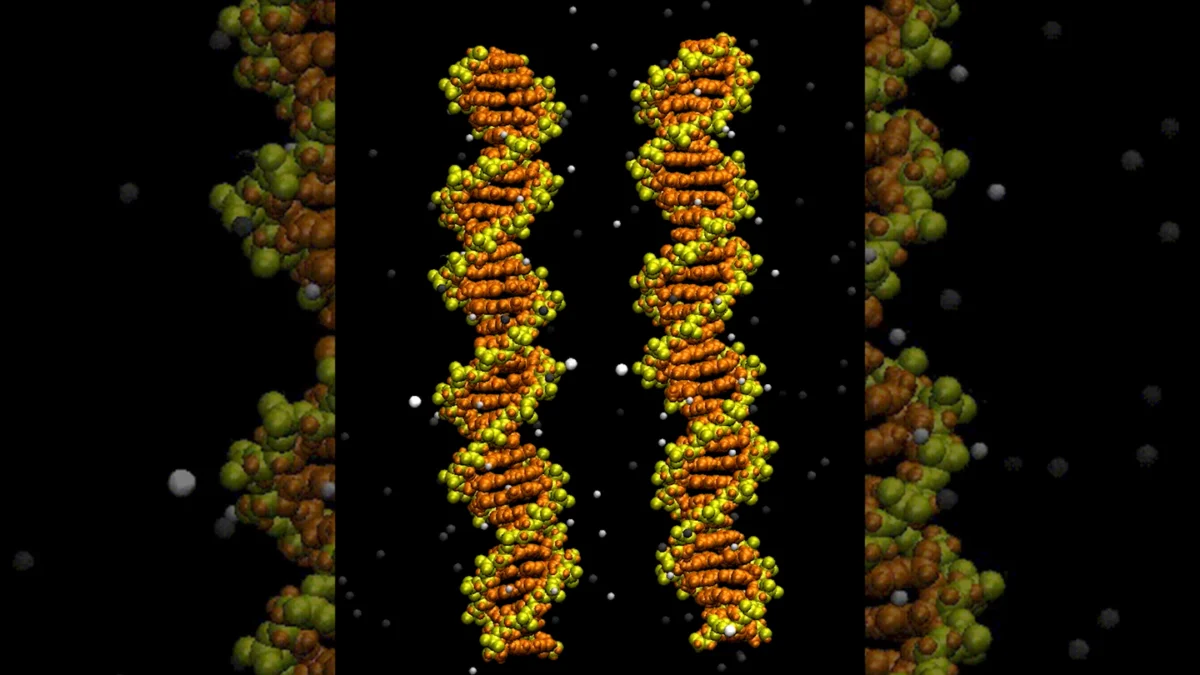
- 2021: Science News celebrates its centennial, highlighting a century of documenting everything from the discovery of penicillin and the structure of DNA to the mapping of the human genome and the development of mRNA vaccines.
Throughout these decades, the publication has consistently adhered to the "Science News Standards," which prioritize the vetting of data, the verification of experimental methodologies, and the inclusion of dissenting scientific perspectives.
Data-Driven Impact and Public Engagement
The role of an independent, nonprofit science news organization is underscored by the current state of scientific literacy. According to the Pew Research Center, while trust in scientists remains relatively high compared to other institutions, the ability of the average citizen to parse complex data—such as climate modeling or epidemiological trends—has been challenged by the proliferation of misinformation.
Science News addresses this gap by utilizing a "literacy-first" editorial strategy. By providing granular data alongside clear, accessible explanations, the organization helps to mitigate the "infodemic" that has plagued social media platforms. The impact of such reporting is measurable; through its educational initiatives and partnerships with school districts across the United States, the Society for Science ensures that its content serves not just as news, but as a teaching tool. The organization reports that millions of readers annually interact with their content, a testament to the enduring demand for reliable, fact-checked information.
Official Perspectives and Institutional Mandate
The leadership of the Society for Science has frequently articulated that the primary mission of the organization is to foster "public engagement in scientific research and education." In internal reports and public statements, the Society has emphasized that scientific literacy is a foundational element of public policy.
"Our goal is to ensure that when a person encounters a headline about a new pharmaceutical drug, a climate change study, or an artificial intelligence breakthrough, they have the tools to ask the right questions," a spokesperson for the organization noted in recent internal communications. By operating as a nonprofit, the organization maintains a strict firewall between its editorial content and any potential donors or corporate partners. This independence is not merely a policy; it is the core of their professional credibility.
The Implications of Independent Journalism in the 21st Century
The current media climate is defined by speed, but science requires deliberation. The implications of this tension are significant. When news outlets prioritize clicks over context, complex scientific issues—such as the efficacy of public health interventions or the long-term impact of environmental policy—are often reduced to binary, polarizing narratives.
Science News serves as a vital counterweight to this trend. Its commitment to the "scientific method" as the primary lens through which to view news ensures that its coverage is, by design, slow, methodical, and evidence-based. This approach has profound implications for how society manages global crises. For instance, during the rapid development of COVID-19 vaccines, the publication provided comprehensive, week-by-week analysis of clinical trial data. This allowed readers to understand the biological mechanisms behind the vaccines, thereby reducing the impact of speculative or alarmist reports found elsewhere.
Furthermore, the publication’s focus on the intersection of technology and society provides a necessary framework for understanding the ethical dilemmas posed by modern science. As we stand at the precipice of developments in gene editing, quantum computing, and large-scale AI integration, the need for a source that is both technically accurate and socially responsible has never been greater.
Future Outlook: Challenges and Opportunities
Looking ahead, the publication faces the dual challenge of sustaining its nonprofit funding model while competing for attention in an increasingly crowded and fragmented digital landscape. The rise of generative AI tools, which can synthesize information but often lack the critical editorial judgment required for scientific rigor, presents a new hurdle.
However, the organization is positioned to leverage its century-long repository of accurate, verified information to maintain its status as a trusted authority. The future of science journalism, according to industry analysts, lies in the ability to cultivate "communities of inquiry" rather than mere audiences. By leveraging its history of engagement with students, researchers, and the general public, Science News is uniquely equipped to evolve.
The organization’s commitment to the Society for Science’s mission—public engagement—ensures that it will continue to prioritize educational value over commercial utility. As the world faces increasingly complex, borderless problems, the need for a reliable, independent, and nonprofit voice in science journalism remains as relevant today as it was in 1921.
Conclusion: A Legacy of Integrity
Science News has maintained a consistent focus on the dissemination of accurate information for over a century. By holding itself to a standard of independent inquiry and academic rigor, the publication has contributed significantly to the collective understanding of the modern world. Its structure as a nonprofit organization under the Society for Science provides the necessary safeguards to ensure that its reporting remains an essential public resource.
In an age where information is abundant but wisdom is scarce, the role of such organizations is not just to provide the news, but to empower the reader. As Science News looks toward the next century of scientific discovery, its legacy serves as a reminder that the path toward a more informed society is built upon the steady, deliberate, and evidence-based work of dedicated journalism. By providing the public with the tools to evaluate the news and the world around them, Science News remains an indispensable pillar of the global scientific community.