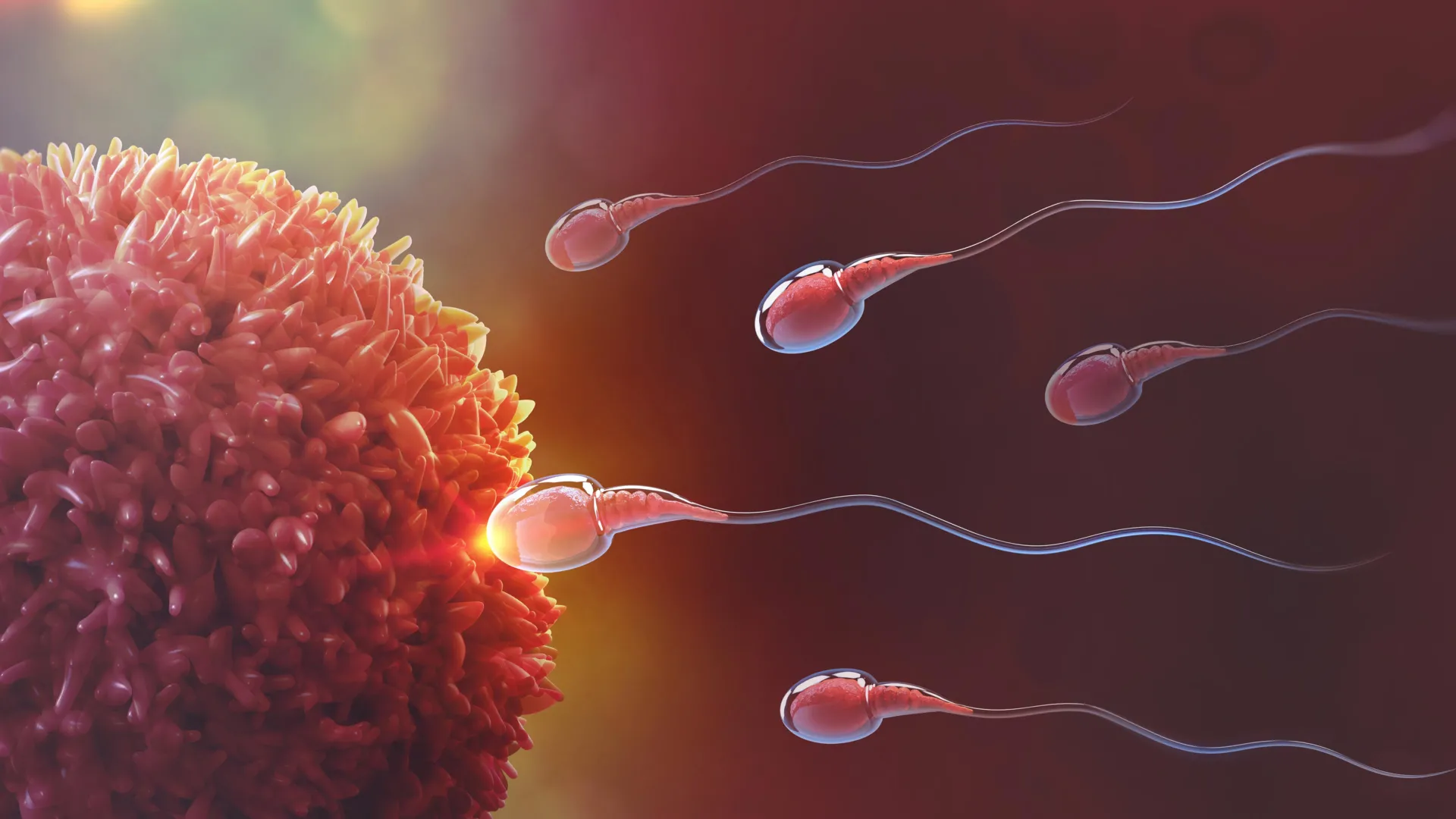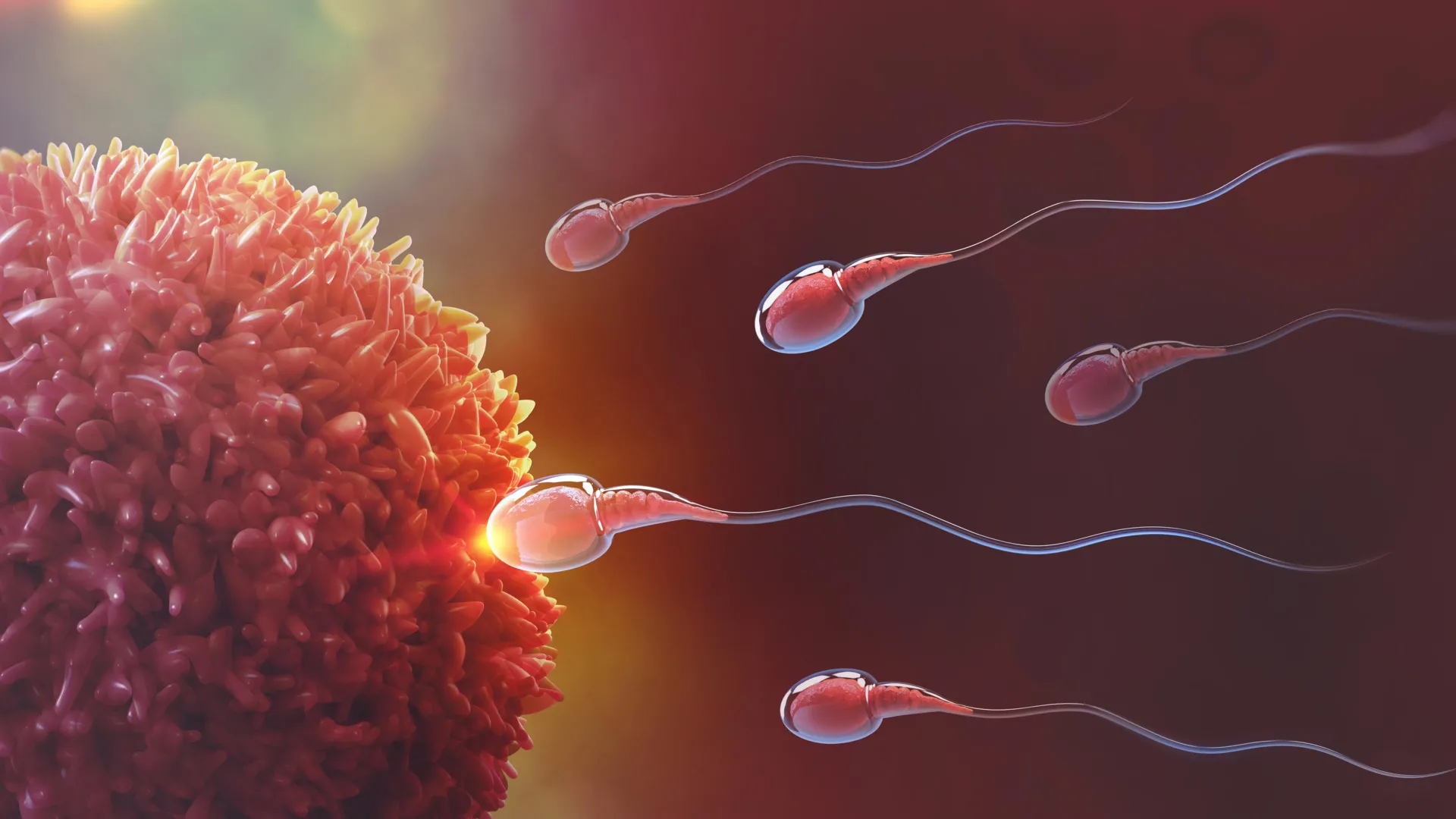
A team of researchers at Michigan State University (MSU) has successfully pinpointed a crucial molecular mechanism that acts as an energy switch for mammalian sperm, significantly boosting their metabolic activity moments before fertilization. Published in the Proceedings of the National Academy of Sciences and supported by the Eunice Kennedy Shriver National Institute of Child Health and Human Development, this breakthrough offers a transformative look into cellular bioenergetics. The findings not only deepen the scientific community’s understanding of reproductive biology but also pave the way for advanced infertility diagnostics, assisted reproductive technologies, and the creation of innovative, nonhormonal contraceptives for both men and women.
The study, spearheaded by Dr. Melanie Balbach, an assistant professor in the Department of Biochemistry and Molecular Biology at MSU, centers on the unique metabolic pathways of mammalian sperm. Unlike somatic cells in the human body, which perform a wide array of maintenance, repair, and signaling functions, sperm are functionally specialized. Their entire biological design is engineered around a single, highly demanding objective: traversing the female reproductive tract and fertilizing an oocyte.
To achieve this, sperm undergo a dramatic, rapid transformation. Prior to ejaculation, mammalian sperm exist in a quiescent, low-energy state to conserve resources during storage. However, once introduced into the female reproductive tract, they undergo a sophisticated activation process. Within a relatively short window, they accelerate their motility, swimming with far greater force while simultaneously altering their outer cellular membranes to prepare for eventual fusion with the egg. These structural and functional shifts demand an immediate and exponential surge in energy production. While scientists have long known that this energy spike is mandatory for successful fertilization, the precise biochemical choreography behind the metabolic surge remained obscured until now.
A Chronological Leap in Cellular Tracking
To untangle the complex metabolic pathways driving this cellular transformation, Balbach and her collaborators—drawing from institutions including Memorial Sloan Kettering Cancer Center and the Van Andel Institute—devised an innovative methodological approach. This research represents the continuation of a scientific trajectory that began during Balbach’s previous tenure at Weill Cornell Medicine. Earlier in her career, Balbach and her research partners demonstrated that pharmacologically blocking a specific, critical sperm enzyme could induce temporary, reversible infertility in murine models, establishing the foundational proof-of-concept for targeted, nonhormonal male contraception.
Building upon that earlier foundation, the current research team focused on tracking how sperm process glucose, the primary sugar they absorb from their microenvironment to fuel their journey. By deploying advanced tracing techniques in conjunction with sophisticated institutional resources, such as MSU’s Mass Spectrometry and Metabolomics Core, the researchers mapped the chemical pathway of glucose inside the cell with unprecedented resolution.
Balbach likened the technique to a visual tracking system: researchers effectively painted the chemical equivalent of a bright pink roof on a car and then tracked its navigation through dense city traffic using an aerial drone. By observing activated sperm versus inactive sperm through this lens, the team watched the marked molecules navigate metabolic intersections at much higher speeds, identifying not only the preferred metabolic routes but also the specific molecular bottlenecks where the cellular traffic tended to slow down or stall.
The Central Role of Aldolase and Metabolic Regulation
Through this detailed mapping process, the research team identified the enzyme aldolase as a central player in the metabolic switch. Aldolase acts as a critical catalyst, facilitating the conversion of glucose into usable biochemical energy necessary to power the sudden burst of motility. Furthermore, the study revealed that sperm do not rely entirely on external glucose absorption in real-time; instead, they draw upon pre-existing internal energy reserves accumulated before their journey even begins.
The investigators also discovered that certain enzymes function similarly to traffic controllers, systematically directing how glucose molecules travel through intricate metabolic networks and dictating the overall efficiency of energy yield. By understanding how these regulators control the flow of metabolic fuel, researchers have unlocked a blueprint of the multi-step, high-energy sequence required for mammalian fertilization. Balbach plans to expand this line of inquiry by investigating how sperm utilize alternative fuel sources, such as fructose, to meet their metabolic demands across different physiological environments.
Addressing Global Infertility and Reproductive Health
The implications of this research extend far beyond basic cell biology, touching directly upon pressing public health challenges. Globally, infertility impacts approximately one in six individuals, placing significant emotional and financial burdens on families seeking to conceive. By providing a granular view of sperm metabolism, Balbach’s findings offer a vital foundation for improving current diagnostic tools. Clinicians may soon be able to evaluate sperm quality and metabolic health with greater precision, thereby enhancing the efficacy of assisted reproductive technologies (ART) such as in vitro fertilization (IVF).
Moreover, the research holds profound significance for the future of family planning. Despite decades of scientific innovation, options for male contraception have remained largely stagnant, historically restricted to withdrawal, condoms, or permanent surgical sterilization (vasectomy). The few pharmaceutical advancements aimed at men have relied predominantly on hormonal suppression. While effective at reducing sperm count, hormonal approaches carry significant drawbacks: they do not provide immediate, on-demand infertility, and they frequently induce systemic side effects such as mood fluctuations, weight gain, and adverse lipid profiles. Furthermore, conventional female contraceptives are similarly hormone-based, leaving a considerable demographic of users searching for reliable, non-hormonal alternatives.
A New Paradigm for On-Demand Nonhormonal Contraception
Balbach’s work introduces a compelling alternative to traditional contraceptive paradigms. By focusing on the metabolic enzymes that act as traffic controllers during sperm activation, researchers believe it may be possible to develop targeted, nonhormonal inhibitors. Such a compound would not necessarily need to interfere with testosterone production or halt the biological creation of sperm in the testes. Instead, it could be designed to temporarily disable sperm function precisely when desired, providing a reversible, on-demand contraceptive option.
Public health analysts note that approximately 50 percent of all pregnancies worldwide are classified as unplanned. Introducing a reliable, nonhormonal, male-targeted contraceptive could fundamentally reshape reproductive responsibility, granting men greater agency in family planning while liberating individuals from the side-effect profiles associated with long-term hormonal female contraceptives. Balbach emphasizes that the ultimate goal is to translate these foundational discoveries—currently validated in animal models—into human clinical applications, opening new avenues for both male and female contraceptive drug development.
The Broader Economic and Sociological Impact
As reproductive science pivots toward precision medicine, the economic and sociological implications of metabolic research in fertilization become increasingly apparent. Healthcare systems globally expend billions of dollars annually on infertility treatments, prenatal care resulting from unintended pregnancies, and the management of adverse reactions to hormonal contraceptives. Interventions that target the specific metabolic pathways of human gametes could streamline fertility treatments, reducing the number of failed IVF cycles and lowering overall healthcare expenditures.
Simultaneously, the sociological landscape of reproductive health is experiencing a cultural shift toward shared responsibility. Modern consumers increasingly demand wellness solutions that minimize chemical and hormonal disruption to the human body. By targeting an isolated metabolic switch—an enzymatic pathway utilized exclusively for a brief window of cellular activation—researchers hope to design therapeutics with remarkably narrow profiles of systemic toxicity, drastically reducing off-target side effects.
Looking Forward: Translating Discoveries to Human Health
With the successful publication of their findings in the Proceedings of the National Academy of Sciences, Balbach and her MSU research team are already looking toward the next phase of their investigation. The immediate scientific objective is to determine whether the metabolic switches and regulatory enzymes identified in murine models operate similarly in human sperm.
While transitioning from preclinical laboratory models to clinical human trials is a rigorous, multi-year process requiring extensive safety and efficacy evaluations, the initial data provide a clear roadmap. Collaborative efforts between Michigan State University, Memorial Sloan Kettering Cancer Center, and the Van Andel Institute will continue to refine the molecular map of cellular energy production.
As the scientific community digests the implications of this metabolic mapping, the prospect of targeted, nonhormonal birth control and advanced infertility therapies moves steadily closer to clinical reality. By illuminating the microscopic mechanisms that drive the earliest stages of human creation, researchers are not only answering fundamental biological questions but are also laying the groundwork for a new era of reproductive medicine.