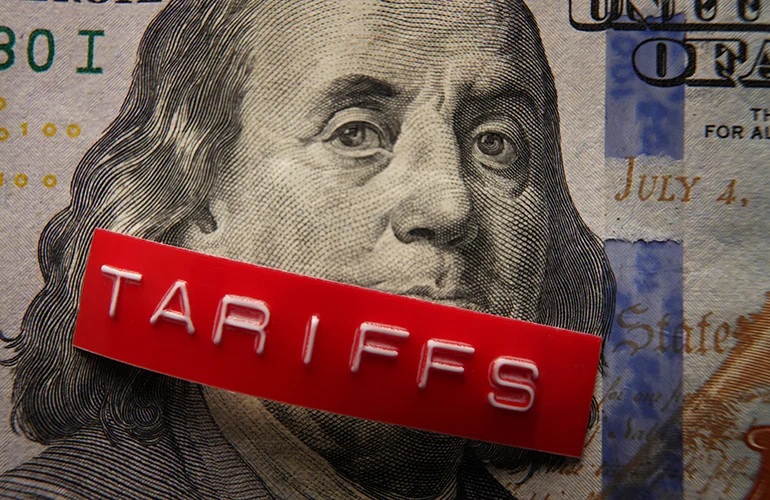
The landscape for pharmaceutical manufacturing in the United States underwent a significant shift on September 29, 2026, as the scope of Section 232 import tariffs expanded to include mid-sized and smaller drug manufacturers. This development follows a series of administrative actions initiated by President Donald Trump, who has utilized national-security authority under the Trade Expansion Act of 1962 to reshape the domestic supply chain for patented medicines and their core ingredients. While an initial wave of duties targeting 17 major pharmaceutical corporations took effect on July 31, the latest expansion effectively blankets the remainder of the industry, creating a complex and potentially prohibitive cost structure for firms lacking the capital to pivot their manufacturing operations immediately.
Chronology of the Tariff Implementation
The regulatory trajectory began in earnest with a national-security proclamation signed by President Trump in April 2026. The administration’s stated objective was to reduce U.S. reliance on foreign-produced pharmaceutical ingredients and finished products, citing risks to national stability. Following a period of industry lobbying and administrative review, the Department of Commerce and the Office of the U.S. Trade Representative began issuing specific guidance for implementation.
- April 2026: President Trump signs the executive proclamation identifying pharmaceutical imports as a national-security concern.
- July 31, 2026: The first phase of Section 232 tariffs is enacted, targeting 17 large-scale manufacturers with specific duty rates.
- September 23, 2026: The Commerce Department releases comprehensive guidance and procedures for the remaining industry participants, including exemptions for research and development.
- September 29, 2026: Duties officially expand to cover the broader mid-sized and smaller pharmaceutical and biotech sector.
- July 2028 (Projected): Commencement of the phased tariff plan for generic medications.
- January 20, 2029: Expiration of zero-tariff windows for companies maintaining specific most-favored-nation pricing agreements.
- April 2, 2030: Scheduled escalation of onshoring-related duties to a 100% threshold.
The Complexity of Cost and Compliance
The financial burden imposed by these tariffs is far from uniform. Depending on a company’s corporate strategy, geographic footprint, and existing trade agreements, duties can range from 0% to a punitive 100%. Chris Young, a principal in trade and customs at KPMG, notes that the financial exposure of a firm is inextricably linked to its long-term manufacturing commitments.
Companies that demonstrate a tangible commitment to onshoring—moving production facilities to the United States—may qualify for a reduced 20% tariff rate. However, this is a long-term strategy, as the construction of a new, compliant manufacturing facility often requires an investment of up to $2 billion and a lead time of five to ten years. For smaller biotech firms, which frequently outsource production to contract manufacturers, the immediate impact of these tariffs is particularly acute. Without the deep capital reserves of "Big Pharma," these companies must decide whether to absorb the costs, negotiate new pricing models with payers, or relocate production, all of which present significant operational risks.
The burden is further complicated by product origin. Agreements with the European Union, Japan, South Korea, Switzerland, and Liechtenstein currently see products taxed at a 15% rate. Meanwhile, the United Kingdom has secured a zero-tariff arrangement until January 2029, contingent upon specific pricing commitments. These regional variations force firms to engage in a rigorous mapping of their supply chains to determine the most cost-effective path for bringing products to the U.S. market.
Innovation and the R&D Dilemma
A central point of contention in this policy shift is the potential impact on pharmaceutical innovation. The Biotechnology Innovation Organization (BIO) has been a vocal critic of the expansion, arguing that the policy threatens to stifle the development of next-generation therapies. John F. Crowley, president and CEO of BIO, stated in April that the diversion of resources toward tariff payments inevitably weakens the industry’s ability to fund early-stage research and development.
Industry analysts emphasize that biotech is a high-risk, high-reward sector where capital is frequently limited to venture funding. If a substantial portion of a startup’s budget is redirected to cover import duties on reagents or specialized ingredients, the timeline for clinical trials may be pushed back, or in some cases, projects may be abandoned entirely.
To mitigate these concerns, the Commerce Department’s September 23 notice included a critical lifeline: a zero-tariff exemption for products imported exclusively for clinical trials and basic research. Additionally, specialty medicines—such as cell and gene therapies—may be exempt if they are sourced from jurisdictions with existing security framework agreements or if they are deemed essential to meet an urgent U.S. health need. While these exemptions provide some relief, industry observers warn that the administrative burden of proving eligibility for these exemptions could still prove costly for smaller firms with limited legal and compliance departments.
Public Sentiment and the Pricing Paradox
The administration’s trade policy arrives against a backdrop of public frustration regarding the cost of medicine. According to polling data from the Kaiser Family Foundation (KFF) conducted in early 2026, approximately 82% of U.S. adults view the current cost of prescription drugs as unreasonable. The administration’s policy aims to frame the tariffs as a mechanism to force lower drug prices through the "most-favored-nation" pricing agreements, which link tariff relief to the pricing levels offered by manufacturers.
However, critics argue that this approach creates a "double-edged sword." If companies are forced to choose between paying a 100% tariff or lowering their prices to satisfy government-mandated thresholds, the result may be a contraction in the supply of certain specialized medicines. As the administration looks toward the next phase of its trade agenda—which includes an assessment of whether to apply these tariffs to generic medicines and biosimilars by 2027—the pharmaceutical industry is preparing for a period of profound restructuring.
The upcoming phased plan for generics, announced by President Trump in July 2026, outlines a steep escalation: no duties until July 2028, followed by a 100% tariff, and a subsequent rise to 200% by 2029. This trajectory suggests that the administration is committed to a aggressive, multi-year strategy to force domestic production, regardless of the potential for short-term market volatility or supply chain disruptions.
Broader Economic Implications
The transition to a domestic-centric pharmaceutical supply chain represents a significant departure from the globalized model that has defined the industry for decades. The reliance on international contract manufacturing organizations (CMOs) has been a cornerstone of the biotech boom, allowing companies to focus their resources on R&D rather than the complexities of facility management and logistics.
By imposing these tariffs, the government is effectively taxing the existing business model of the life sciences sector. While the policy may succeed in its goal of bolstering domestic manufacturing infrastructure over the coming decade, the short-term economic pressure on mid-sized and smaller firms is likely to trigger a wave of mergers, acquisitions, and strategic realignments. Companies will be forced to evaluate their product portfolios, potentially divesting from medicines that become unprofitable under the new tariff regime.
Furthermore, the geopolitical implications cannot be ignored. As the United States seeks to secure its medical supply chain, the industry faces the challenge of maintaining competitive standing against international rivals, particularly in markets like China, which continue to invest heavily in biotechnology. Whether the U.S. can achieve its dual goals of national security and continued pharmaceutical leadership will depend on the agility of these firms to navigate the new regulatory environment, the efficacy of the Commerce Department’s exemption process, and the long-term feasibility of the administration’s onshoring timelines.
As of late 2026, the pharmaceutical sector remains in a state of cautious adaptation, with legal and supply chain departments working in tandem to mitigate the financial impacts of what is arguably the most significant disruption to global drug trade policy in modern history. The ultimate success of these measures remains to be seen, as the industry balances the government’s mandate for domestic resilience with the constant, global demand for medical advancement.