For decades, the physical manifestations of aging—brittle bones, thinning skin, and cognitive decline—were viewed as the result of localized tissue degradation, independent of one another. However, recent groundbreaking research has begun to challenge this reductionist perspective. A series of studies, beginning with a pivotal 2023 investigation, suggests that these seemingly disparate age-related conditions may be orchestrated by a singular, master-control mechanism located deep within the hypothalamus. This discovery has centered on a protein known as Menin, which appears to act as a metabolic and inflammatory gatekeeper, influencing systemic aging through its unique signaling pathways.
The Evolution of Aging Research: A Chronological Overview
The scientific community’s understanding of aging has shifted significantly over the last several years. Historically, research focused on cellular senescence—the process by which cells stop dividing—and the accumulation of oxidative stress. While these remain critical pillars of gerontology, the focus has expanded toward systemic communication networks.
The timeline of recent discoveries regarding the hypothalamus and protein regulation provides a roadmap for this shift:
March 2023: Researchers led by Lige Leng of Xiamen University publish a study in PLOS Biology identifying Menin as a critical protein in the ventromedial hypothalamus (VMH) that declines with age. Their findings demonstrate that Menin depletion induces systemic aging traits in mice.
March 2024: A study in the Journal of Physiology and Biochemistry explores the protective role of Menin in hippocampal cells, confirming that it acts as a buffer against inflammatory stress.
January 2025: An extensive analysis by the Allen Institute, published in Nature, maps the aging brain at a cellular level. It highlights the hypothalamus as a "hotspot" for age-related gene expression changes, specifically noting the correlation between immune system activation and neuronal function decline.
April 2025: Further investigation into the D-serine pathway reveals that the relationship between this amino acid and cognition is highly complex, suggesting that in certain neurodegenerative models, more D-serine may actually be detrimental.
September 2026: The Journal of Alzheimer’s Disease releases data on L-serine supplementation, clarifying that the metabolic pathways involving serine are nuanced and context-dependent.
The Central Role of the Hypothalamus
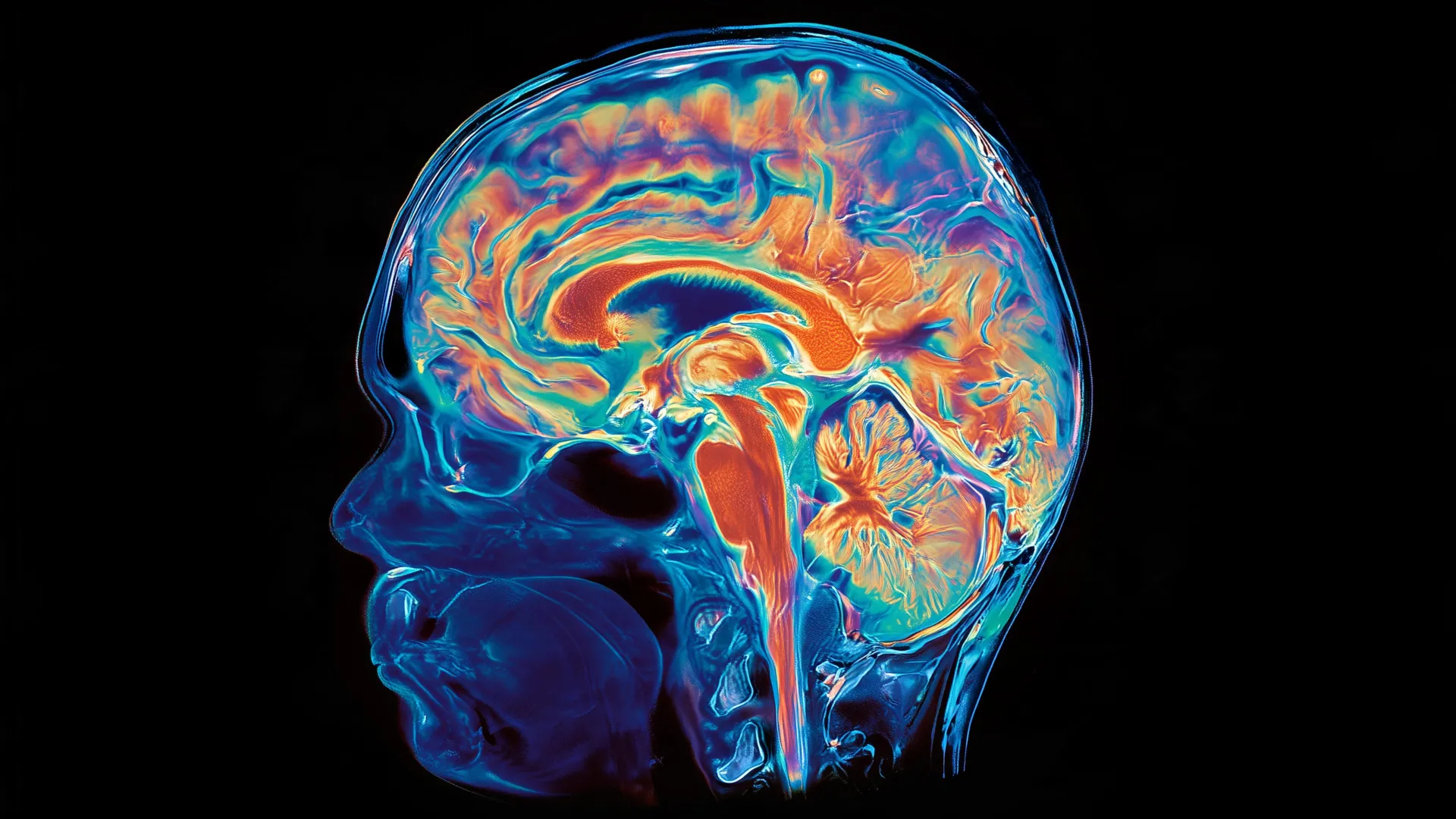
The hypothalamus acts as the body’s command center, regulating the autonomic nervous system and endocrine function. It maintains homeostasis by balancing metabolism, temperature, and circadian rhythms. For years, scientists suspected that the hypothalamus might be the "clock" that regulates the aging process.
The 2023 research identified that Menin levels drop specifically within the VMH neurons as an organism ages. By using conditional knockout mice—genetically engineered to selectively lose Menin—the research team observed a rapid onset of "accelerated aging." These mice exhibited bone loss, dermal thinning, and cognitive impairment within months. Crucially, when researchers used gene therapy to restore Menin levels in the VMH of elderly mice, these subjects showed a reversal of age-related physical markers and an increase in overall lifespan. This suggests that the hypothalamus does not merely reflect the state of the body; it actively dictates it through the expression of proteins like Menin.
Metabolic Pathways and the D-Serine Complication
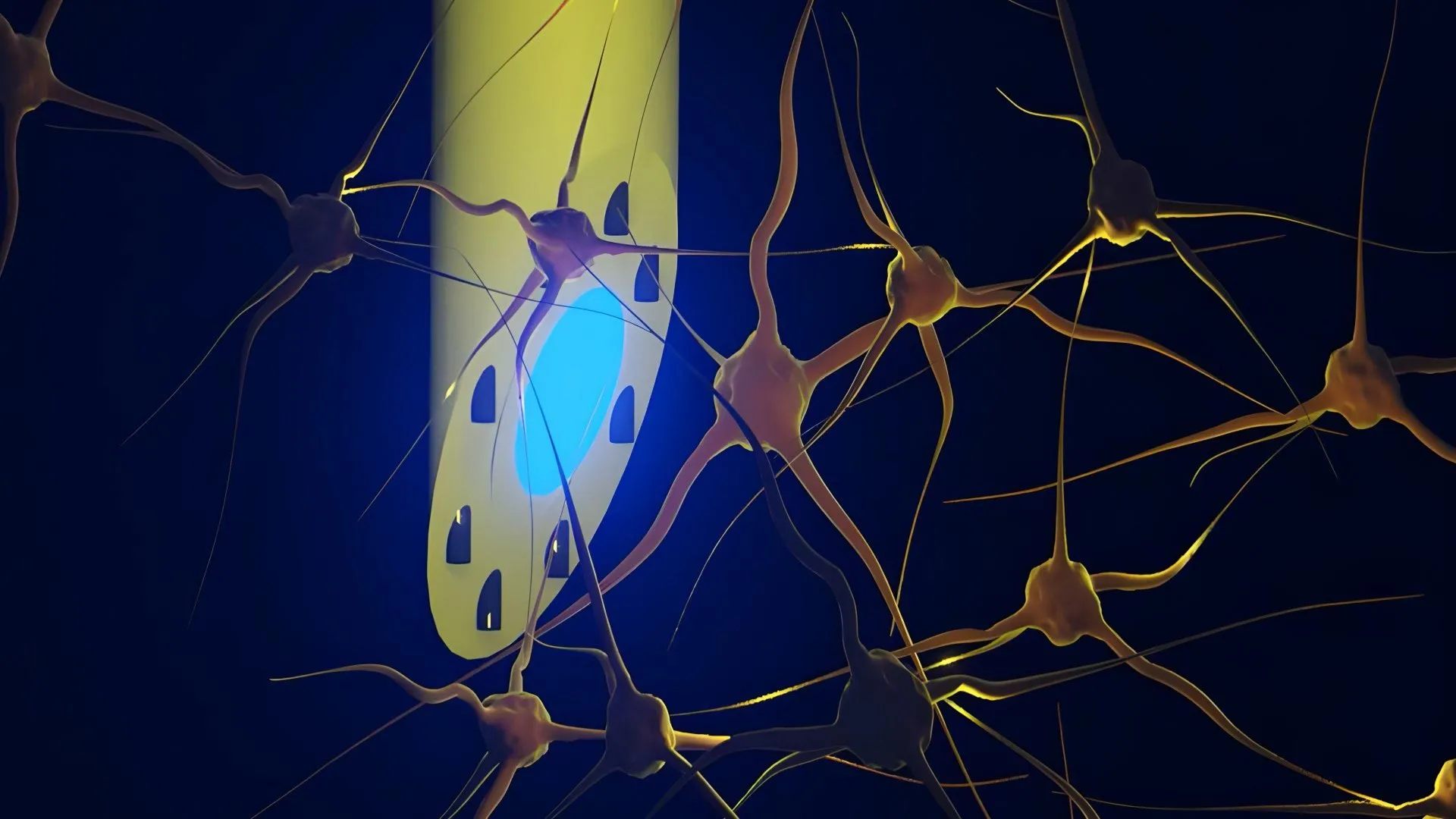
A significant component of the Menin research involves D-serine, an amino acid that functions as a co-agonist for NMDA receptors, which are vital for synaptic plasticity—the process by which the brain stores new information.
When Menin levels drop, the enzyme responsible for producing D-serine becomes less active. This results in a deficiency that impairs communication between neurons. While the initial findings suggested that supplementing D-serine could improve cognitive function, the scientific narrative quickly grew more complex. Subsequent studies have demonstrated that the brain’s chemical environment is highly sensitive. For example, in models mimicking Alzheimer’s disease, an overabundance of D-serine has been linked to neuronal signaling disruptions.
This highlights a fundamental rule in molecular biology: supplementation is not a simple linear equation. The distinction between L-serine (found in food sources like fish and nuts) and D-serine (the specialized signaling molecule) is vast. The body’s ability to convert one to the other is strictly regulated, and the scientific consensus warns against equating dietary intake with the targeted neurochemical modulation observed in laboratory settings.
Broader Implications for Gerontology
The discovery of the Menin pathway aligns with a growing body of evidence suggesting that brain-to-body communication is a primary driver of the aging process. A 2024 study published in Cell Metabolism by researchers at Washington University School of Medicine reinforced this by identifying a separate group of hypothalamic neurons that communicate directly with adipose (fat) tissue to regulate systemic metabolic health.
When taken together, these studies suggest that the aging process is not a uniform decline of all tissues at once, but rather a cascading failure initiated by a loss of regulatory signals from the brain. If the hypothalamus is indeed the "control center" for systemic aging, the implications for human health are profound. Therapies aimed at stabilizing hypothalamic signaling could theoretically prevent the development of multiple age-related comorbidities simultaneously.
However, the leap from mouse models to human application remains immense. The Allen Institute’s 2025 brain-mapping study emphasizes that the human brain’s architecture, particularly regarding the hypothalamus, is far more complex than that of rodents. There are also significant ethical and safety concerns regarding the modulation of proteins like Menin. As a tumor suppressor, Menin plays a critical role in preventing cellular proliferation; artificially increasing its expression must be balanced against the risk of unforeseen side effects.
Analyzing the Potential for Future Therapeutics
Industry experts and academic researchers remain cautious. While the Menin/D-serine axis is a "promising research target," it is not yet a clinical reality. The 2016 study of healthy older adults using D-serine showed minimal, inconsistent results, underscoring that human biology is significantly more resilient—and perhaps more resistant—to simple chemical interventions than mouse models might suggest.
Fact-based analysis of the current data indicates three major hurdles for researchers moving forward:
- Temporal Dynamics: Researchers must determine at what stage of life Menin restoration is effective. Does the brain reach a "point of no return" where protein restoration is no longer feasible?
- Specificity: Because Menin is active throughout the body, systemic restoration—rather than site-specific gene therapy in the brain—could have unintended consequences, including potential oncogenic risks.
- Biomarkers: We currently lack a reliable, non-invasive method to measure Menin levels or hypothalamic inflammation in living human patients. Without these biomarkers, clinical trials cannot effectively stratify patients or monitor the efficacy of potential treatments.
The Path Forward: Investigating the Signal, Not Just the Supplement
The scientific community is moving toward a more nuanced understanding of aging. The excitement surrounding the Menin discovery is balanced by the sobering reality of complex neurobiology. The current body of research suggests that the hypothalamus acts as a bridge between genetic potential and environmental stress. When that bridge begins to crumble—manifesting as a loss of Menin or a disruption in serine metabolism—the body’s systemic health follows.
For the public, the takeaway is clear: while the headlines regarding "reversing aging" are enticing, the research is still in its infancy. The focus has shifted from finding a "fountain of youth" supplement to understanding the sophisticated signaling networks that maintain human vitality. As researchers continue to map the third ventricle of the hypothalamus and the inflammatory pathways that plague it, they are not just looking for a cure for aging; they are trying to decode the fundamental biological language that determines the duration and quality of human life.
For now, the evidence confirms that the brain-body axis is a valid and vital frontier in medicine. While we are years, if not decades, away from therapies that can safely manipulate these pathways in humans, the realization that aging may be a manageable, signal-based process rather than an inevitable decay is a significant milestone in modern science. The challenge remains to isolate the specific mechanisms that can be safely modulated without triggering the complex, and often dangerous, downstream effects inherent in altering master regulatory proteins. In the coming years, the refinement of gene-editing technologies and the development of high-resolution brain imaging will be the true arbiters of whether the Menin discovery becomes the cornerstone of anti-aging medicine or a cautionary tale about the complexities of the human brain.