Researchers at the Hefei Institutes of Physical Science, operating under the umbrella of the Chinese Academy of Sciences in Hefei, China, have published findings demonstrating that a specific strain of magnetotactic bacteria can dramatically extend the healthy lifespan of model organisms. By administering the magnetotactic bacterium Magnetospirillum magneticum AMB-1, commonly referred to as AMB-1, to the nematode Caenorhabditis elegans, the research team successfully prolonged the average lifespan of the worms by an impressive 43.39 percent. Beyond merely extending survival metrics, the bacterial intervention preserved vital physiological functions, including neurological performance and intestinal integrity, well into the later stages of the organisms’ life cycles.
The core mechanism driving this remarkable longevity effect is the suppression of ferroptosis, a regulated form of cell death characterized by iron accumulation and the subsequent lipid peroxidation of cellular membranes. While pharmacological and genetic anti-aging interventions have long dominated biogerontology, concerns surrounding toxicity, targeted delivery, and clinical translation have persistently hindered human applications. This latest study shifts the paradigm by introducing a living, biocompatible microbial agent capable of systemic cellular protection. As global populations age and the incidence of chronic, age-associated degenerative conditions rises, this discovery opens an unprecedented avenue for geriatric medicine, merging microbiology, nanotechnology, and longevity science.
Understanding Magnetotactic Bacteria and Their Unique Nanostructures
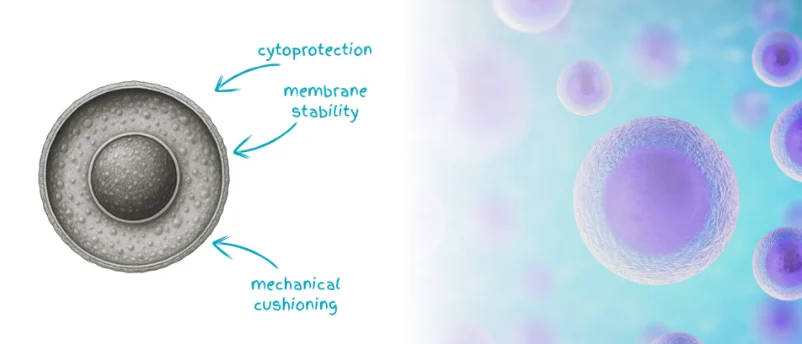
To comprehend the significance of the Chinese Academy of Sciences study, one must examine the unique biological properties of magnetotactic bacteria. Discovered decades ago, these microorganisms possess the extraordinary ability to orient themselves along the Earth’s geomagnetic field lines. This navigation capability is facilitated by specialized intracellular structures known as magnetosomes. Magnetosomes consist of nano-sized magnetic crystals, typically composed of magnetite or greigite, enclosed within a lipid bilayer membrane.
Historically, the biomedical application of magnetotactic bacteria has focused heavily on bioengineering and targeted therapeutics. Because of their magnetic properties and inherent biocompatibility, scientists have investigated AMB-1 and similar strains as potential vehicles for targeted drug delivery, allowing physicians to guide therapeutics directly to tumor sites using external magnetic fields. Furthermore, their potential in hyperthermia cancer treatments has drawn considerable interest. However, their direct influence on systemic host physiology, metabolism, and aging pathways remained a largely uncharted territory until now.
The research team in Hefei recognized that the exceptional structural and chemical properties of magnetosomes—particularly their interaction with iron metabolism and oxidative stress pathways—might offer protective benefits against cellular senescence. To test this hypothesis, they utilized Caenorhabditis elegans, an established workhorse in aging and developmental biology research.
Experimental Design and Significant Longevity Metrics
The nematode Caenorhabditis elegans is favored in longevity studies due to its short life cycle, transparent body, and well-mapped genome, which shares significant homology with higher organisms, including humans. In this study, the researchers exposed populations of C. elegans to the AMB-1 bacterial strain and tracked their survival rates, physical vitality, and cellular health parameters over time.
The outcomes exceeded initial expectations. Worms treated with wild-type AMB-1 exhibited a mean lifespan extension of 43.39 percent compared to control groups. More importantly, this was not merely an extension of frail, debilitated existence. Advanced aging in C. elegans is typically marked by a decline in motor activity, neurological degradation, and the breakdown of the intestinal barrier, which allows pathogens and toxins to leak into the body cavity. The AMB-1 treatment effectively mitigated these structural declines. Treated older worms retained robust movement patterns and demonstrated superior intestinal barrier integrity compared to untreated cohorts of the same chronological age.
To determine whether the bacteria’s magnetic properties were actively driving these longevity benefits, the research team conducted comparative trials utilizing mutated strains of the bacterium. They tested a reversibly non-magnetotactic strain, designated RNM-AMB-1, and a completely non-magnetotactic strain, designated NM-AMB-1.
The results provided definitive clarity regarding the role of magnetosomes. While the wild-type AMB-1 produced the most robust longevity enhancement, the reversibly non-magnetotactic strain yielded a diminished, albeit present, protective effect. Crucially, the completely non-magnetotactic NM-AMB-1 strain failed to extend the lifespan of the worms altogether. This comparative data established a direct causal link between the production of functional magnetosomes and the life-extending properties of the bacterium.
Suppressing Ferroptosis: The Biochemical Mechanism at Play
To uncover the molecular pathways responsible for the observed physiological preservation, the research team performed detailed biochemical and genetic analyses on the treated nematodes. Their investigations revealed that AMB-1 colonization significantly altered iron homeostasis and oxidative stress responses within the host organisms.
Specifically, the bacterial treatment reduced excessive iron accumulation and suppressed lipid peroxidation—the oxidative degradation of lipids that compromises cellular membrane integrity. These two physiological events are the primary hallmarks of ferroptosis, a specialized form of iron-dependent cell death distinct from apoptosis, necrosis, and autophagy.

Ferroptosis has increasingly been recognized as a major contributor to age-related tissue degeneration, neurodegeneration, and chronic inflammatory conditions. As organisms age, iron homeostasis frequently becomes dysregulated, leading to intracellular iron overload that catalyzes the formation of reactive oxygen species via the Fenton reaction. This process rapidly destroys polyunsaturated fatty acids in cell membranes, culminating in cellular demise.
By deploying gene expression analysis, the Hefei researchers identified several key regulatory pathways and specific genes mediating the AMB-1 anti-aging effect. Among these were the genes designated ftn-1, bli-3, and ads-1. These genes are intricately involved in iron storage, oxidative stress defense, and lipid metabolism. The modulation of these pathways by the magnetotactic bacteria effectively created a biochemical shield against ferroptosis, preventing the cascading cellular damage typically associated with biological aging.
Chronology of Discovery and Institutional Context
The publication of these findings represents the culmination of years of targeted research at the Hefei Institutes of Physical Science. While the formal announcement was made public in late September 2026, the foundational work spanning material science, microbiology, and aging biology began several years prior.
- Initial Phase: Research teams at the Chinese Academy of Sciences initially focused on optimizing the cultivation and biocompatibility of magnetotactic bacteria for nanomedicine applications, noting their low toxicity profile in mammalian cell cultures.
- Hypothesis Formulation: Recognizing that iron dysregulation is a central driver of both neurodegenerative disease and aging, researchers hypothesized that the unique iron-handling capabilities of magnetosomes might be harnessed to protect host tissues against oxidative damage.
- Model Selection and Screening: The team selected C. elegans as the primary in vivo model, initiating multi-generation survival assays to test various concentrations of wild-type and mutant AMB-1 strains.
- Pathway Identification: Mid-2025 assays confirmed the unexpected magnitude of the lifespan extension, prompting deep transcriptomic sequencing that pinpointed ferroptosis suppression and the specific involvement of ftn-1, bli-3, and ads-1 genes.
- Peer Review and Publication: Following rigorous replication of the survival curves and validation of the magnetosome-dependency data, the findings were prepared for scientific release in September 2026.
This structured timeline illustrates a methodical progression from industrial bio-nanotechnology research to fundamental biogerontology, showcasing how cross-disciplinary approaches continue to yield breakthroughs in life sciences.
Implications for Geriatric Medicine and Future Therapeutic Strategies
The implications of utilizing magnetotactic bacteria as a microbial anti-aging strategy extend far beyond the laboratory bench. Current anti-aging interventions often rely on systemic administration of synthetic small molecules, antioxidants, or caloric restriction mimetics. While these methods have demonstrated varying degrees of success in animal models, they frequently encounter limitations regarding bioavailability, off-target toxicity, and long-term safety profiles.
Living therapeutics, or the use of engineered or natural bacteria to modulate host health, represent an emerging frontier in medicine. The findings from the Hefei Institutes suggest that AMB-1 could serve as a biological blueprint for a new class of geriatric interventions. Because these bacteria can be guided via external magnetic fields, future medical applications might involve targeted delivery systems that deploy protective microorganisms directly to specific organs or tissues undergoing rapid, iron-driven degenerative processes.
Furthermore, understanding how bacterial magnetosomes interact with host iron metabolism provides pharmaceutical researchers with novel molecular targets. Even if whole-bacterium therapies face regulatory hurdles in human clinical trials, the specific biochemical pathways and proteins upregulated by AMB-1 could inspire the development of targeted iron-chelating drugs, specialized antioxidants, or synthetic nanoparticle therapies designed to mimic magnetosome function without introducing live microorganisms.
Expert Perspectives and Critical Scientific Evaluation
While the scientific community has received the findings with significant enthusiasm, independent biogerontologists emphasize that translating results from C. elegans to mammals remains a monumental challenge. Nematodes possess vastly different physiological systems, immune responses, and metabolic rates compared to vertebrates.
Proponents of the study, however, point out that the fundamental biochemical pathways governing cellular survival—such as ferroptosis, iron metabolism, and lipid peroxidation—are highly conserved across evolutionary lineages. The fact that the protection mechanism relies on well-conserved genetic pathways like ftn-1 homologs suggests that similar protective phenomena could theoretically be observed in more complex organisms, including mice and eventually humans.
Moreover, the explicit demonstration that magnetosome production is necessary for the longevity effect—proven through the contrasting outcomes of wild-type, reversibly non-magnetotactic, and non-magnetotactic strains—lends strong internal validity to the study’s conclusions. It rules out the possibility that the lifespan extension was merely a byproduct of general bacterial nutrition or gut microbiome alterations unrelated to the bacteria’s unique magnetic properties.
Broader Horizons in Longevity Research
As research into anti-aging interventions accelerates globally, the intersection of microbiology and materials science is proving to be an exceptionally fertile ground for innovation. The Hefei study underscores the reality that solutions to complex biological challenges may come from unexpected sources, transforming industrial and environmental microorganisms into medical assets.
The next phase of research will undoubtedly involve testing the AMB-1 strain in mammalian models, specifically mice, to evaluate pharmacokinetics, systemic toxicity, and tissue-specific ferroptosis inhibition in warm-blooded organisms. If subsequent preclinical trials successfully replicate the dramatic healthspan and lifespan extensions observed in nematodes, medicine may be on the cusp of an entirely new therapeutic paradigm—one where microscopic magnets help humanity navigate the biological erosion of time.