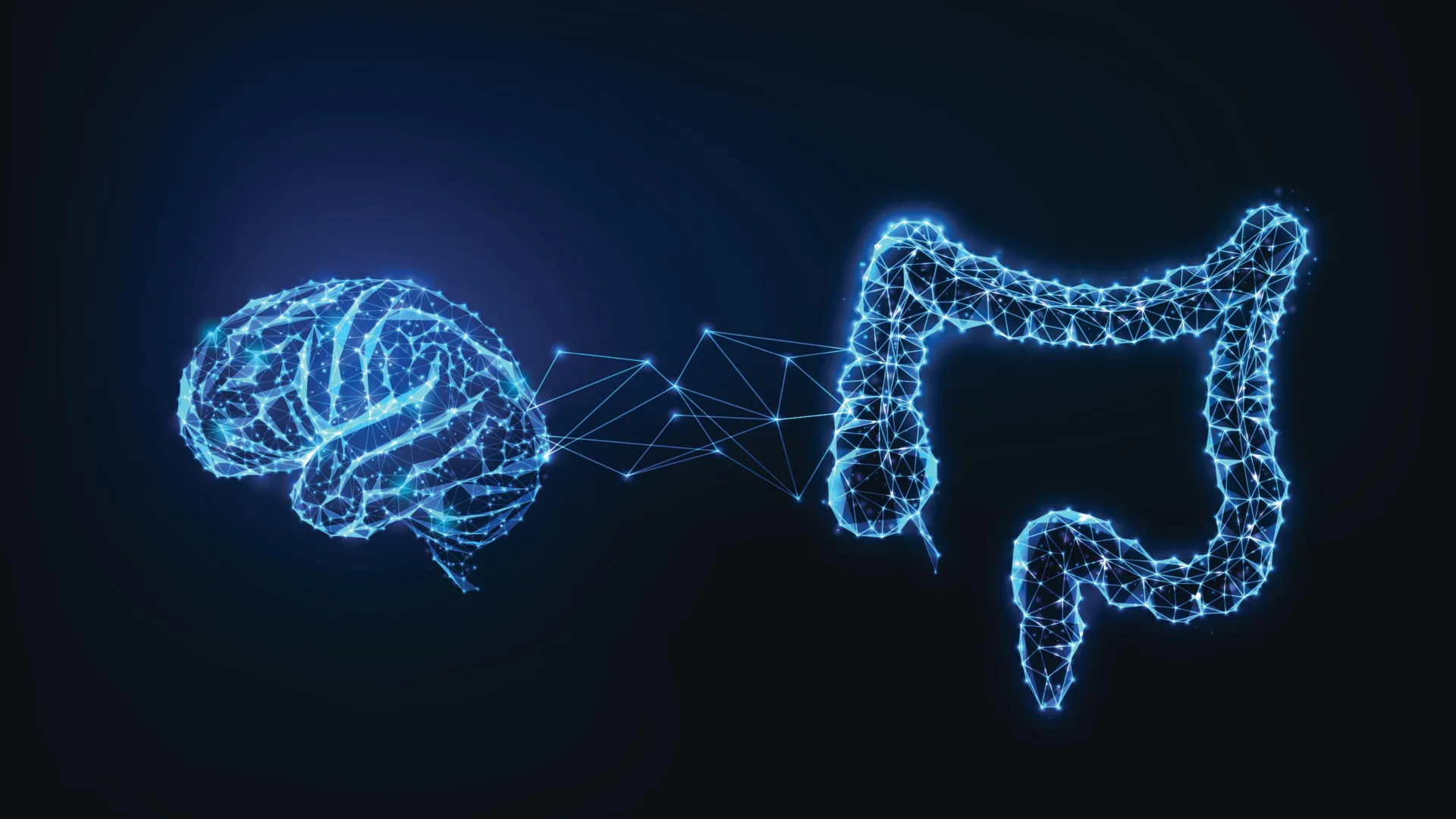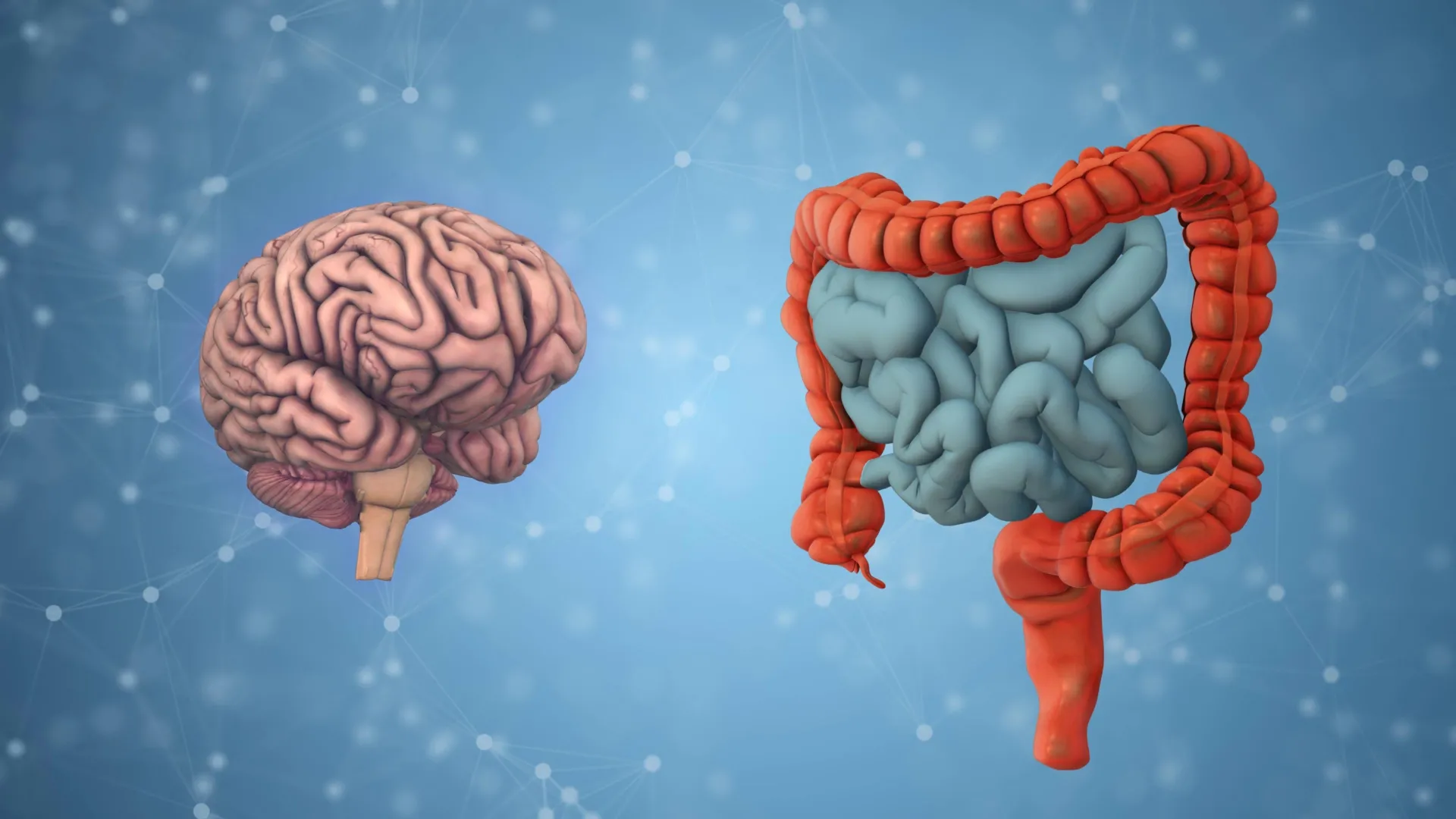
A groundbreaking study conducted by researchers at UCLA Health has unveiled a profound biological connection between the microbial landscape of the human gut and the physiological aging of the brain. Published in the journal eBioMedicine, the study suggests that the precursors to cognitive decline may manifest decades before clinical symptoms such as memory loss or executive dysfunction become apparent. By analyzing the communication patterns of the brain at rest, investigators have established a “Brain Aging Index” (BAI) that correlates specific gut bacteria and their metabolic byproducts with the structural and functional integrity of the aging brain.
The Evolution of Brain Aging Metrics
For decades, neuroscientists have utilized magnetic resonance imaging (MRI) to assess the health of the human brain. While chronological age provides a standard temporal measure of a human life, “brain age” offers a more nuanced look at biological health. The discrepancy between these two—where a brain appears structurally or functionally older than the individual’s birth date—has historically been a key indicator of neurodegenerative diseases, including Alzheimer’s and Parkinson’s.
Historically, the scientific community focused heavily on symptomatic populations, such as geriatric patients or those already diagnosed with cognitive impairment. The prevailing logic was that brain aging was an inevitable byproduct of senescence. However, the UCLA study shifts this paradigm by examining nearly 1,500 adults, intentionally casting a wide net that includes younger, ostensibly healthy individuals. By monitoring the "functional connectivity"—the synchronized communication between distinct brain regions—researchers created a computational model capable of predicting an individual’s biological brain age with striking accuracy.
Methodology and the Brain Aging Index
The research team, led by experts at the Goodman-Luskin Microbiome Center, utilized a rigorous multi-stage analytical approach. Participants were divided into three distinct cohorts to ensure the consistency of the findings across varied demographics. The primary mechanism for the study was resting-state functional MRI (rs-fMRI), which allows researchers to map how the brain processes information when it is not engaged in a specific task.
By feeding this data into a computer model, the researchers generated a BAI for each participant. This index serves as a diagnostic marker; a high BAI indicates that the brain’s communication networks mirror those of a significantly older person, even if the participant is in their thirties or forties. The study found a consistent trend across all groups: individuals with higher BAI scores demonstrated diminished performance on cognitive batteries measuring working memory and executive function. These cognitive domains are critical for daily life, encompassing the ability to plan, organize, and maintain focus—functions that are often the first to deteriorate in the early stages of cognitive decline.
The Microbiome Connection: A New Frontier in Neurology
Perhaps the most significant contribution of this research is the integration of gut microbiome data. For one of the study groups, researchers collected stool samples to perform a metagenomic analysis, seeking to determine if the microbial composition of the gut could explain the variance in BAI scores. The results were telling: specific bacterial signatures and their metabolic byproducts were strongly associated with an advanced brain age.
Specifically, the study identified correlations between brain aging and the presence of certain fat molecules, cholesterol-related compounds, and the hormone estetrol. These metabolites are not merely passive markers; they are active participants in systemic biological pathways. The research highlights that these compounds influence the immune system, modulate blood vessel function, and dictate the efficiency of cellular energy production. When these systems are disrupted by an imbalanced microbiome—a state known as dysbiosis—the brain’s ability to maintain its youthful functional state appears to be compromised.
Chronology of the Gut-Brain Research Trajectory
The understanding of the "gut-brain axis" has evolved rapidly over the last fifteen years. Early research in the late 2000s focused primarily on the role of the vagus nerve in communicating stress signals from the gut to the brain. By 2015, clinical interest pivoted toward the influence of the microbiome on mental health conditions, such as anxiety and depression.
- 2010–2014: Initial studies in animal models demonstrate that germ-free mice exhibit altered brain chemistry and behavioral changes.
- 2016–2018: Longitudinal human studies begin to associate gut health with systemic inflammation, a known precursor to neurodegeneration.
- 2020: Advancements in bioinformatics allow researchers to map specific microbial metabolites, such as short-chain fatty acids, to brain health outcomes.
- 2024: The UCLA study marks a milestone by bridging the gap between functional brain imaging and microbiome analysis in a large-scale human population, moving from observational data to predictive modeling.
Official Perspective: Dr. Arpana Church
Dr. Arpana Church, co-director of the Goodman-Luskin Microbiome Center at UCLA Health and the senior author of the study, emphasized the clinical implications of these findings. "Brain aging doesn’t suddenly begin when we get older, but the biological signals may be detectable decades earlier," Dr. Church stated. Her team’s focus is on the preventative potential of the research. If researchers can identify individuals at risk during their youth, they may be able to implement interventions that halt or slow the progression of cognitive decline before it becomes irreversible.
The implication is that the gut may be a "druggable" target. If specific microbial populations are driving brain aging, then dietary interventions, probiotics, or even pharmacological treatments aimed at the gut could theoretically support healthier brain aging. This represents a significant departure from traditional neurology, which has historically focused on the brain in isolation from the rest of the body’s physiological systems.
Analysis of Broader Implications
The findings carry significant weight for public health policy and preventative medicine. As global populations age, the socioeconomic burden of cognitive decline is expected to skyrocket. Current strategies are largely reactive, focusing on managing symptoms once they appear. A transition toward "microbiome-informed" prevention could allow for routine screenings that include gut health as a biomarker for neurological risk.
Furthermore, the study highlights the necessity of interdisciplinary research. By combining computational neuroscience, immunology, and microbiology, the UCLA team has provided a blueprint for future studies. The connection between gut metabolites and cell-energy processes suggests that brain health is inherently linked to systemic metabolic health. This reinforces the long-standing medical advice regarding the importance of a healthy, fiber-rich diet, while providing a specific, scientific rationale: what we eat changes the metabolites in our gut, which in turn communicate directly with our neural pathways.
Limitations and Future Directions
While the study is robust, researchers acknowledge the limitations of observational data. Correlation, as the saying goes, does not imply causation. While the link between gut bacteria and brain age is statistically significant, it remains to be seen whether changing the gut microbiome will directly result in a reduction of the Brain Aging Index.
Future studies will likely focus on longitudinal interventions. By tracking participants over several years and introducing controlled dietary or microbial changes, scientists hope to establish whether the Brain Aging Index can be "reversed" or slowed. Additionally, the role of external factors such as chronic stress, environmental toxins, and medication usage—all of which alter the microbiome—will need to be integrated into more complex models of brain aging.
Conclusion
The UCLA Health research provides a compelling narrative for the future of neurology. By shifting the focus from the brain as a closed system to the brain as a vital organ within a complex biological network, researchers have opened new avenues for early detection and intervention. As the scientific community continues to map the intricate dialogue between the gut and the brain, the possibility of a "gut-first" approach to cognitive longevity becomes increasingly plausible. This research serves as a stark reminder that the foundation of our mental sharpness in our later years may well be built by the choices we make in our youth, specifically regarding the health of the trillions of microorganisms that reside within us.