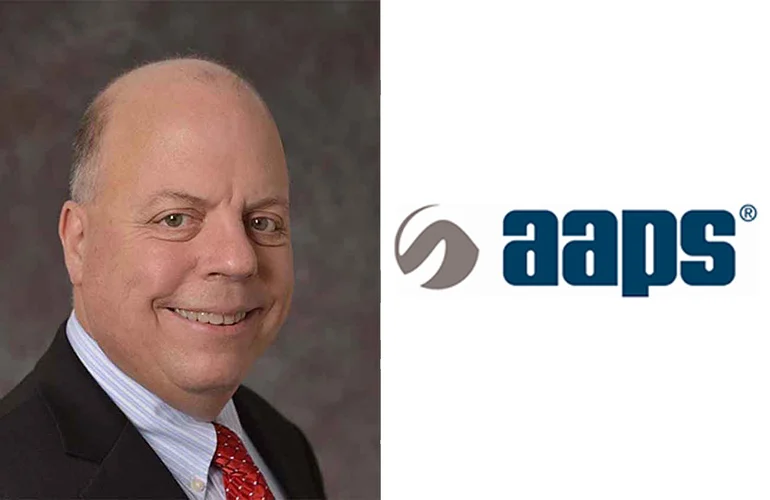
The American Association of Pharmaceutical Scientists (AAPS), a global non-profit organization representing more than 7,000 members, has officially appointed Dr. Patrick J. Sinko, Ph.D., R.Ph., to the role of Chief Science Officer. This appointment marks a significant transition for the association as it seeks to fortify its influence on global pharmaceutical research, regulatory standards, and drug development methodologies. Dr. Sinko, a preeminent figure in the field of pharmaceutics, will assume responsibility for directing the organization’s overarching scientific strategy, curating high-level programming for both in-person and digital platforms, and overseeing the strategic direction of its extensive portfolio of peer-reviewed journals.
A Legacy of Academic and Industry Excellence
Dr. Sinko’s appointment is underpinned by a distinguished career that spans over three decades, bridging the gap between rigorous academic inquiry and practical industrial application. He currently serves as a distinguished professor and the Parke-Davis Endowed Chair in Pharmaceutics and Drug Delivery at the Ernest Mario School of Pharmacy at Rutgers, The State University of New Jersey. His tenure at Rutgers, which began in 1991, has been characterized by both scholarly output and administrative leadership, including his service as the university’s associate vice president for research from 2007 to 2018.
Beyond his institutional responsibilities, Dr. Sinko’s career trajectory is marked by a history of entrepreneurial ventures. He was a co-founder of NaviCyte, a specialized absorption-screening firm, and Theraport Biosciences, serving as the chief science officer for both. The successful acquisition of NaviCyte by Trega Biosciences in 1998 serves as a testament to his ability to translate complex laboratory research into viable market solutions. This dual expertise—academic rigor combined with commercial foresight—makes him a strategic choice for an organization like AAPS, which functions as a critical nexus for scientists across industry, academia, and regulatory sectors.
A Chronology of Scientific Contributions
Dr. Sinko’s relationship with the AAPS is as old as the organization itself. Having joined in 1986—the inaugural year of the association—he has grown alongside the field, eventually rising to serve as the association’s president. His career can be mapped through several distinct phases:
- 1986: Joins the American Association of Pharmaceutical Scientists during its founding year, beginning a lifelong commitment to the professional advancement of pharmaceutical sciences.
- 1991: Begins his tenure at the Ernest Mario School of Pharmacy at Rutgers University, establishing a lab focused on biopharmaceutics and drug delivery systems.
- 1998: Co-founds NaviCyte; the company is subsequently acquired by Trega Biosciences, signaling his impact on the drug development landscape.
- 2007–2018: Serves as the associate vice president for research at Rutgers University, overseeing expansive institutional research efforts.
- Present: Continues to edit Martin’s Physical Pharmacy and Pharmaceutical Sciences, a foundational text in the field, and serves as editor-in-chief of the journal Pharmaceutics.
With over 475 publications, including seminal research papers and book chapters, Dr. Sinko has been a prolific contributor to the body of knowledge governing how drugs are formulated, delivered, and absorbed. His laboratory has sustained continuous funding from the National Institutes of Health (NIH) and industry partners for over 30 years, a rare milestone that speaks to the sustained relevance of his research into pharmaceutical formulations.
The Weight of Scientific Authority
The appointment of a new Chief Science Officer at AAPS arrives at a time when the pharmaceutical industry is navigating unprecedented shifts. From the rapid rise of mRNA technology to the integration of artificial intelligence in drug discovery, the scientific landscape is becoming increasingly complex. Dr. Sinko’s credentials—which include being an elected fellow of the American Association for the Advancement of Science (AAAS), the Controlled Release Society, and the National Academy of Inventors—suggest a leader capable of synthesizing these disparate technological advancements.
His influence extends to the education of the next generation of researchers. Having trained approximately 110 students and postdocs, Dr. Sinko has played a direct role in shaping the workforce that currently populates the pharmaceutical industry and regulatory bodies. His work as editor-in-chief of Pharmaceutics (MDPI) and his long-standing editorial stewardship of Martin’s Physical Pharmacy ensure that his intellectual footprint is present in the training of virtually every modern pharmaceutical scientist.
Official Perspective and Vision
In his statement regarding the appointment, Dr. Sinko acknowledged the unique position AAPS holds in the global ecosystem. “AAPS has long been the intellectual home for pharmaceutical scientists across academia, industry, and regulatory agencies,” Sinko stated. He emphasized that his primary objective in this new capacity is to “shape our scientific vision, foster interdisciplinary collaboration, and deliver cutting-edge programming and publications that address the most urgent challenges in drug discovery and development.”
From an organizational perspective, the AAPS leadership likely views Dr. Sinko as a stabilizer and a visionary. By installing a figure with deep institutional memory—dating back to 1986—alongside a contemporary understanding of current drug delivery trends, the association is positioning itself to maintain its relevance in an increasingly digital and globalized scientific community.
Broader Implications for the Pharmaceutical Industry
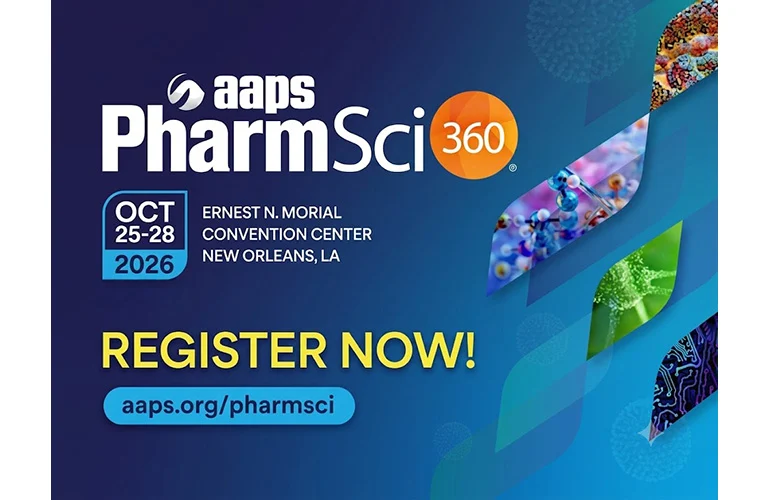
The appointment of a CSO of Dr. Sinko’s caliber carries broader implications for the future of pharmaceutical science, particularly in the context of the upcoming 2026 PharmSci 360 meeting in New Orleans. The conference, which serves as the flagship event for AAPS, is expected to benefit from Dr. Sinko’s focus on interdisciplinary integration.
Industry analysts suggest that the challenges facing modern drug development—such as the bioavailability of large-molecule drugs and the optimization of personalized medicine—require exactly the type of cross-sector dialogue that AAPS aims to facilitate. With Dr. Sinko leading the scientific strategy, there is an expectation of increased emphasis on bridging the gap between theoretical pharmaceutical science and the regulatory requirements that govern product approval.
Furthermore, as the industry faces increased pressure to reduce the time-to-market for new therapies, the role of AAPS in standardizing best practices becomes paramount. Dr. Sinko’s experience with both the NIH and commercial ventures provides him with a unique vantage point to guide the association’s stance on evolving regulatory frameworks, including those related to AI-driven drug discovery and novel manufacturing techniques.
Future Challenges and Opportunities
As Dr. Sinko transitions into his role, he faces several critical challenges. The first is the maintenance of AAPS’s peer-reviewed journals in an era of open-access publication and shifting metrics of academic prestige. The second is the need to increase digital engagement, ensuring that the association remains accessible to a younger generation of scientists who are increasingly utilizing digital platforms for professional development.
Finally, the association must navigate the changing funding environment for pharmaceutical research. With his three decades of experience securing NIH and industry grants, Dr. Sinko is well-positioned to advise members on navigating these financial landscapes. By fostering a culture of mentorship and intellectual rigor, he aims to ensure that AAPS remains the primary venue for the exchange of ideas that ultimately translate into safer and more effective therapeutic outcomes for patients worldwide.
As the pharmaceutical industry prepares for the PharmSci 360 event in October 2026, all eyes will be on how Dr. Sinko’s strategic vision begins to manifest in the association’s programming. His appointment signals a clear intent: to honor the history of the AAPS while aggressively pursuing the scientific innovations that will define the next three decades of drug discovery.