Acute myelogenous leukemia (AML) remains one of the most formidable challenges in modern oncology. Characterized by its aggressive nature and rapid proliferation, this cancer of the blood and bone marrow carries a grim prognosis, with a median survival time of just 8.5 months following diagnosis. Despite decades of pharmacological advancements, treatment options for the vast majority of AML subtypes have remained largely stagnant, often relying on intensive chemotherapy regimens that are both toxic to patients and frequently insufficient to prevent relapse. However, a major breakthrough has emerged from an international collaboration spearheaded by Ludwig Cancer Research. Scientists have successfully identified a novel, dual-action therapeutic strategy that dismantles the cellular barriers driving AML progression, offering a promising pathway toward less toxic and more effective clinical interventions.
The findings, published in the current issue of the prestigious scientific journal Nature, were led by a team of prominent researchers including Yang Shi and Amir Hosseini of Ludwig Oxford, alongside Abhinav Dhall from Shi’s laboratory at Harvard Medical School. The collaborative effort also included vital contributions from academic and clinical researchers at the University of Pennsylvania and the University of Helsinki. By targeting the fundamental biological mechanisms that cause AML cells to stall in their development, the research team has laid the groundwork for imminent clinical trials involving drug combinations that have already demonstrated safety and efficacy in other contexts.
Understanding the Core Pathology of Acute Myelogenous Leukemia
To fully appreciate the significance of the recent Ludwig Cancer Research discovery, it is essential to examine the underlying cellular biology of AML. While acute myelogenous leukemia is recognized as a genetically heterogeneous disease—meaning it manifests through a diverse array of genetic mutations across different patients—every known subtype shares a singular, defining characteristic: the impaired differentiation of myeloid progenitor cells residing within the bone marrow.
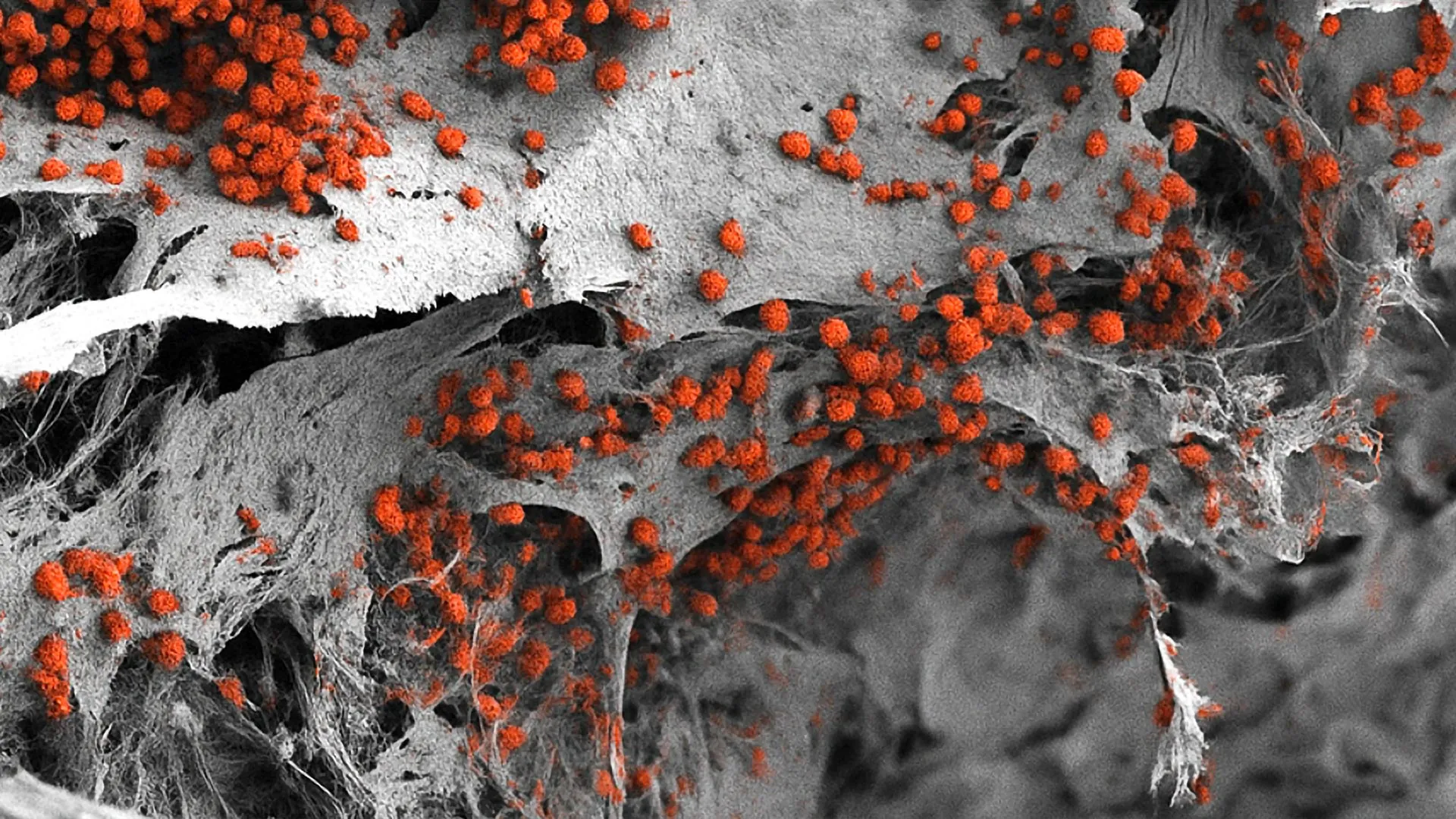
In a healthy human body, hematopoiesis is the meticulously regulated process by which bone marrow stem cells continuously replenish the supply of red blood cells, platelets, and various types of white blood cells. In the bone marrow of an AML patient, this vital system is severely disrupted. Myeloid progenitor cells, which are tasked with maturing into functional blood cells, experience a developmental blockade. Instead of maturing, these immature precursors accumulate rapidly within both the bone marrow and the peripheral circulation. This massive buildup crowds out healthy blood-producing cells, leading directly to life-threatening complications such as severe anemia, uncontrolled bleeding, and an inability to ward off routine infections.
For many years, the inability of these cellular precursors to differentiate into mature, harmless cells has pointed researchers toward a specific therapeutic philosophy: forcing the cancer cells to resume their normal developmental pathway. Rather than attempting to destroy every single malignant cell through brute-force chemotherapy—an approach that invariably damages healthy tissues—differentiation therapy seeks to compel the cancer cells to "grow up" and exit the cell cycle, thereby neutralizing their threat.
A Historical Precedent and the Quest for Broad-Spectrum Differentiation
The theoretical framework of differentiation therapy is not entirely unprecedented in the treatment of leukemia. Decades ago, medical science achieved a monumental victory against a specific, rare subtype of the disease known as acute promyelocytic leukemia (APL). Prior to the 1990s, APL was widely considered the most rapidly fatal form of acute leukemia. The paradigm shifted dramatically with the introduction of a targeted combination therapy consisting of all-trans retinoic acid (ATRA) and arsenic trioxide.
This pioneering combination works by physically pushing APL cells past their developmental blockade, forcing them to mature into functional white blood cells and eventually die off naturally. Today, the ATRA and arsenic trioxide regimen cures approximately 95 percent of APL cases, standing as one of the ultimate success stories of precision oncology.
Despite this remarkable triumph, replicating the success of APL treatment across other, more common subtypes of AML has proven to be an extraordinarily difficult hurdle for medical researchers. For over thirty years, oncologists have searched for equivalent chemical keys capable of unlocking the developmental arrest seen in other forms of the disease. The newly published study from Ludwig Cancer Research represents the most significant stride toward achieving this goal in recent history.
The Epigenetic Engine: Uncovering the Role of LSD1
The root cause of the developmental blockade in non-APL forms of AML lies in dysfunctional gene expression programs governed by epigenetic regulators. Epigenetics refers to chemical modifications made to DNA and the histone proteins around which DNA is wound, which together dictate which genes are actively expressed and which are silenced in a given cell. In leukemic stem cells—the self-renewing population of cancer cells that drive the disease—aberrant epigenetic enzymes hijack normal cellular machinery, silencing genes required for differentiation while hyper-activating genes that stimulate uncontrolled cell division.
One of the key players in this epigenetic machinery is an enzyme known as lysine-specific demethylase 1 (LSD1). Crucially, LSD1 was originally discovered in 2004 by Professor Yang Shi and his research colleagues. LSD1 functions by erasing methyl groups that are chemically attached to histones, a process that heavily influences gene transcription. In AML cells, LSD1 is expressed at abnormally high levels and plays a critical role in maintaining the survival and stem-like properties of the leukemic cells.
Recognizing the therapeutic potential of this enzyme, pharmaceutical researchers previously developed standalone LSD1 inhibitors designed to block its activity and force AML stem cells to differentiate. However, these clinical trials ultimately yielded disappointing results. While the standalone inhibitors successfully induced differentiation in laboratory settings, patients experienced severe, dose-limiting toxicities that prevented them from receiving therapeutically effective amounts of the drugs.
"While LSD1 inhibitors have been developed and shown to induce differentiation in AML stem cells, they’ve had limited success in clinical studies owing to their toxicity when used alone," explained Dr. Amir Hosseini, co-lead author of the study. "To limit that toxicity, we thought we’d try to identify other drugs that could synergize with LSD1 inhibitors to overcome the differentiation arrest and suppress the proliferation of cancer cells."
Screening for Synergy: The Discovery of GSK3 Inhibition
Faced with the toxicity barrier that had stalled single-agent LSD1 therapies, the research team embarked on a systematic screening campaign to find a companion drug. The goal was to identify a molecule that could work synergistically with an LSD1 inhibitor, allowing researchers to drop the dosage of the LSD1 inhibitor to safe levels while maintaining or even amplifying its anti-leukemic effects.
Using advanced laboratory models containing mouse leukemic cells, the investigators screened multiple pharmacological compounds for synergistic interactions. After rigorous testing, they homed in on an inhibitor targeting the GSK3α/β (glycogen synthase kinase 3 alpha and beta) enzyme.
Significantly, the choice of a GSK3 inhibitor carried a major practical advantage for rapid clinical translation: inhibitors of the GSK3 enzyme are already actively being evaluated as potential cancer therapies in various human clinical trials and have established safety profiles demonstrating that they are well tolerated by patients.
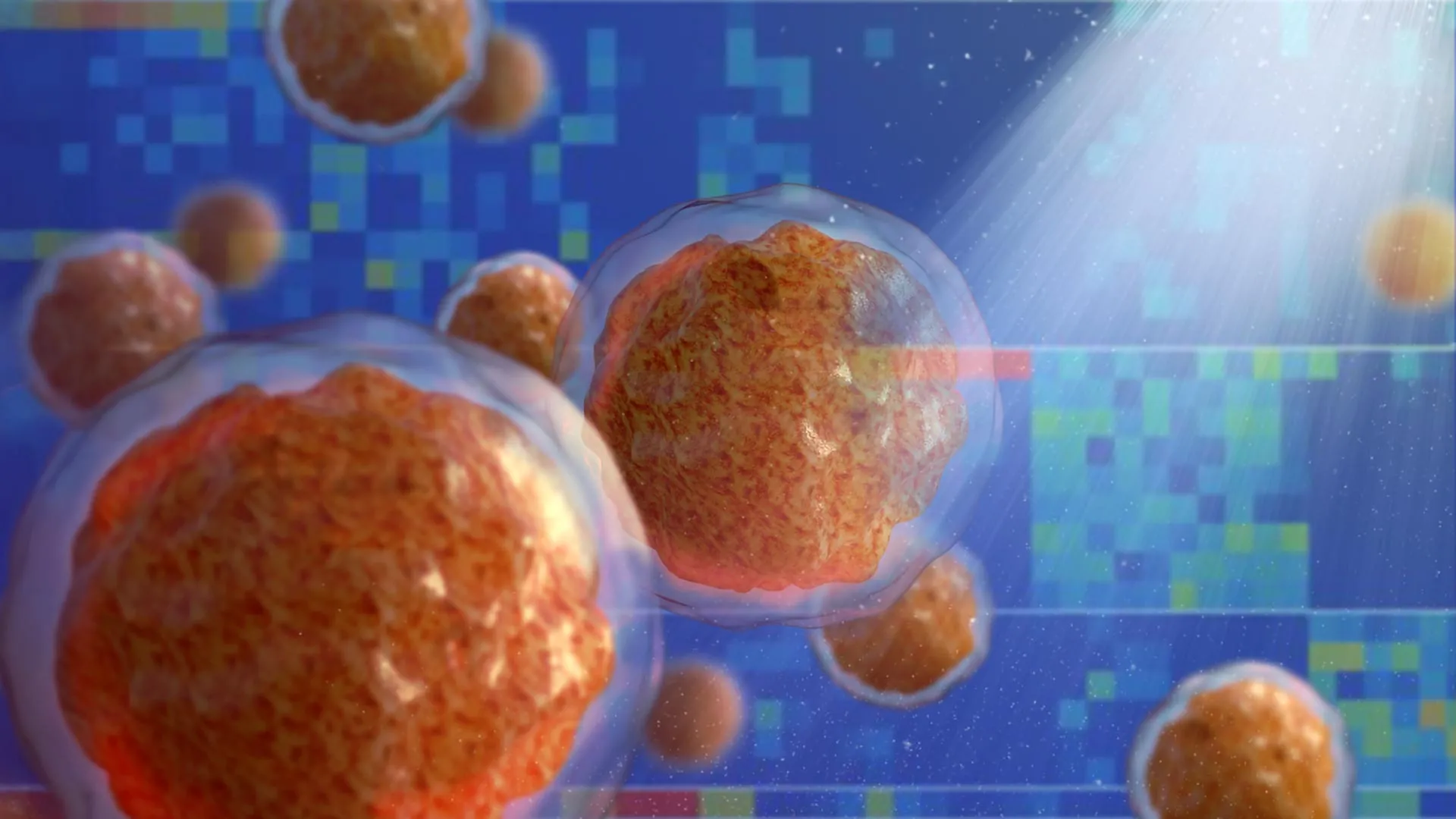
When the researchers combined a low dose of the LSD1 inhibitor with the GSK3 inhibitor, the results exceeded expectations. In laboratory cultures representing multiple distinct subtypes of AML, the drug combination successfully dismantled the differentiation blockade, induced robust cellular differentiation, and halted the rampant proliferation of the cancer cells.
Preclinical Validation and Patient Outcomes
Following their success in in vitro cultures, the research team advanced their investigation to rigorous in vivo models. Dr. Hosseini, Professor Shi, and their colleagues tested the combination therapy on laboratory mice that had been engrafted with human AML cells.
The results, detailed in their Nature report, confirmed that the dual-drug treatment was profoundly effective in living organisms. The therapy not only induced the maturation of leukemic cells and suppressed their proliferation, but it also significantly extended the survival time of the mice. Furthermore, safety assessments yielded immensely promising data regarding off-target effects. The experiments indicated that the drug combination selectively targets malignant leukemic cells while sparing healthy hematopoietic stem cells—the vital population responsible for normal blood cell replenishment. By leaving healthy blood production intact, this targeted approach drastically lowers the risk of systemic toxicity in potential human patients.
Further validation came from analyzing the molecular footprint left by the therapy. "We are also encouraged by the observation that the gene expression signature induced in leukemic cells by this combination therapy correlates with that observed in the cancer cells of AML patients who live relatively longer," Dr. Hosseini noted. This correlation strongly suggests that the cellular changes observed in the laboratory closely mirror the biological states associated with improved long-term survival in human clinical populations.
Mechanistic Insights and Broader Oncological Implications
Beyond its immediate application to acute myelogenous leukemia, the research provides deep insights into the fundamental molecular mechanisms governing cancer cell biology. The study details how the combination therapy systematically rewires gene-expression programs within the cell. By simultaneously activating genes that drive cellular differentiation and suppressing genes that promote cell proliferation and tumor growth, the treatment systematically strips away the stem cell-like characteristics that make leukemic cells so resilient and difficult to eradicate.
This dual-mechanism approach—activating developmental pathways while suppressing proliferative engines—has implications that extend far beyond AML. The researchers note that these findings could potentially be leveraged to treat other types of cancer that are driven by the overactivation of the WNT signaling pathway, a crucial cell-signaling network heavily implicated in tumorigenesis and cancer stem cell maintenance across a wide spectrum of malignancies.
A Clear Path Toward Human Clinical Trials
As the global medical community digests the implications of this study, the immediate focus turns toward the translation of these preclinical findings into human clinical trials. Because both the LSD1 inhibitors and the GSK3 inhibitors utilized in the study are already developed for human use and are undergoing separate evaluations in ongoing clinical trials, the regulatory and developmental hurdles typically associated with novel drug discovery are significantly reduced.
"Our findings provide compelling evidence to support the testing of this combination therapy in AML patients, especially since both of the inhibitors involved are not only available but have been developed for human use and are currently being evaluated in the clinical trials," Professor Shi emphasized.
The study was made possible through robust financial and institutional support from a coalition of major research funding bodies, including Ludwig Cancer Research, the National Institutes of Health (NIH), the Research Council of Finland, the Cancer Foundation Finland, the Sigrid Jusélius Foundation, the National Institute for Health Research, the Oxford Biomedical Research Centre, and Cancer Research UK. In addition to his leadership role at Ludwig Cancer Research, Professor Yang Shi serves as a Professor in the Nuffield Department of Medicine at the University of Oxford, anchoring the institution’s position at the forefront of global cancer epigenetics research.
With a median survival rate that has stubbornly hovered under nine months for decades, patients diagnosed with acute myelogenous leukemia are in urgent need of innovative therapeutic paradigms. By cleverly pairing existing pharmacological agents to bypass cellular differentiation blocks without inducing prohibitive toxicity, the Ludwig Oxford and Harvard Medical School team has opened a promising new chapter in oncology. As plans for clinical trials take shape, the medical community watches with cautious optimism, hopeful that this dual-action strategy will soon translate from the laboratory bench to the bedside, offering a renewed lease on life for patients facing one of blood cancers’ most aggressive forms.