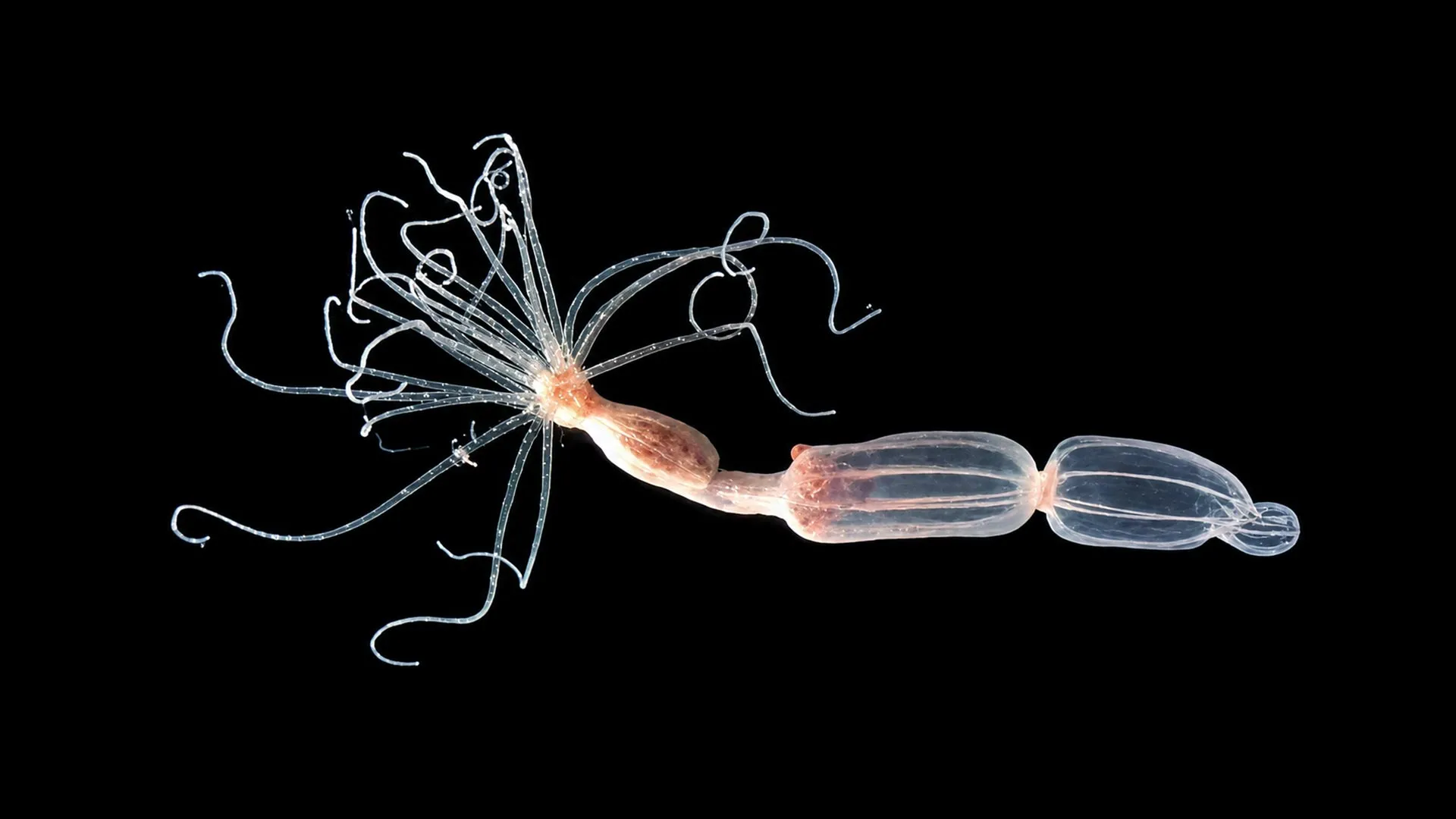
Scientists have unveiled a previously unknown and surprisingly counterintuitive mechanism by which sea anemones defend themselves against viral invaders, a discovery that dramatically reshapes our understanding of how animal immune systems have evolved. The findings, published in the prestigious journal Nature Ecology & Evolution, demonstrate that a protein strikingly similar to a critical antiviral component in humans, MAVS, actually performs the opposite function in sea anemones, paradoxically protecting the animal by suppressing its immediate immune response. This groundbreaking research, spearheaded by PhD candidate Ton Sharoni and Professor Yehu Moran at the Hebrew University of Jerusalem, in collaboration with researchers from the University of North Carolina at Charlotte, challenges the long-held paradigm that animals inherited a single, core antiviral defense system from a common ancestor. Instead, it strongly suggests that evolution has forged multiple, distinct, and successful pathways for combating viruses across the vast tapestry of the animal kingdom.
A Glimpse into Ancient Immunity: The Sea Anemone’s Unique Strategy
Viruses, microscopic entities capable of wreaking havoc on cellular life, have been a constant evolutionary pressure throughout Earth’s history. In humans and other vertebrates, a crucial defense mechanism relies on the protein MAVS (Mitochondrial Antiviral Signaling protein). Upon detecting viral intrusion, MAVS acts as a vital signal, initiating a cascade of immune responses designed to neutralize the threat. For decades, scientists believed this MAVS-dependent pathway represented a foundational element of animal antiviral immunity, inherited from deep evolutionary roots.
To probe the antiquity of such defense systems, the research team turned their attention to sea anemones. These ancient marine invertebrates, which diverged from the evolutionary lineage leading to humans over 600 million years ago, offer an unparalleled window into the nascent stages of animal immunity. As close relatives of corals and jellyfish, sea anemones embody a simpler, yet remarkably effective, biological blueprint that can illuminate evolutionary innovations long lost in more complex organisms.
The investigation began with the identification of a novel protein in sea anemones, which the researchers christened CARDIB (CARD Inhibitor Binding protein). Initial analyses revealed a striking structural resemblance between CARDIB and human MAVS. This similarity led the researchers to hypothesize that CARDIB might play an analogous role in activating antiviral defenses within the anemone. However, as the study progressed, this initial assumption was dramatically overturned, revealing a biological strategy that defied conventional wisdom.
The Paradoxical Protector: Suppressing to Succeed
"Everything about CARDIB suggested it should function like MAVS," stated Professor Yehu Moran, who leads the Department of Ecology, Evolution and Behavior at the Hebrew University. "Instead, we discovered that it does the exact opposite. Rather than activating antiviral defenses, CARDIB normally suppresses them." This revelation posed an immediate and profound question: why would an organism deliberately dampen its own immune system, a process that seemingly runs counter to the fundamental goal of fighting infection?
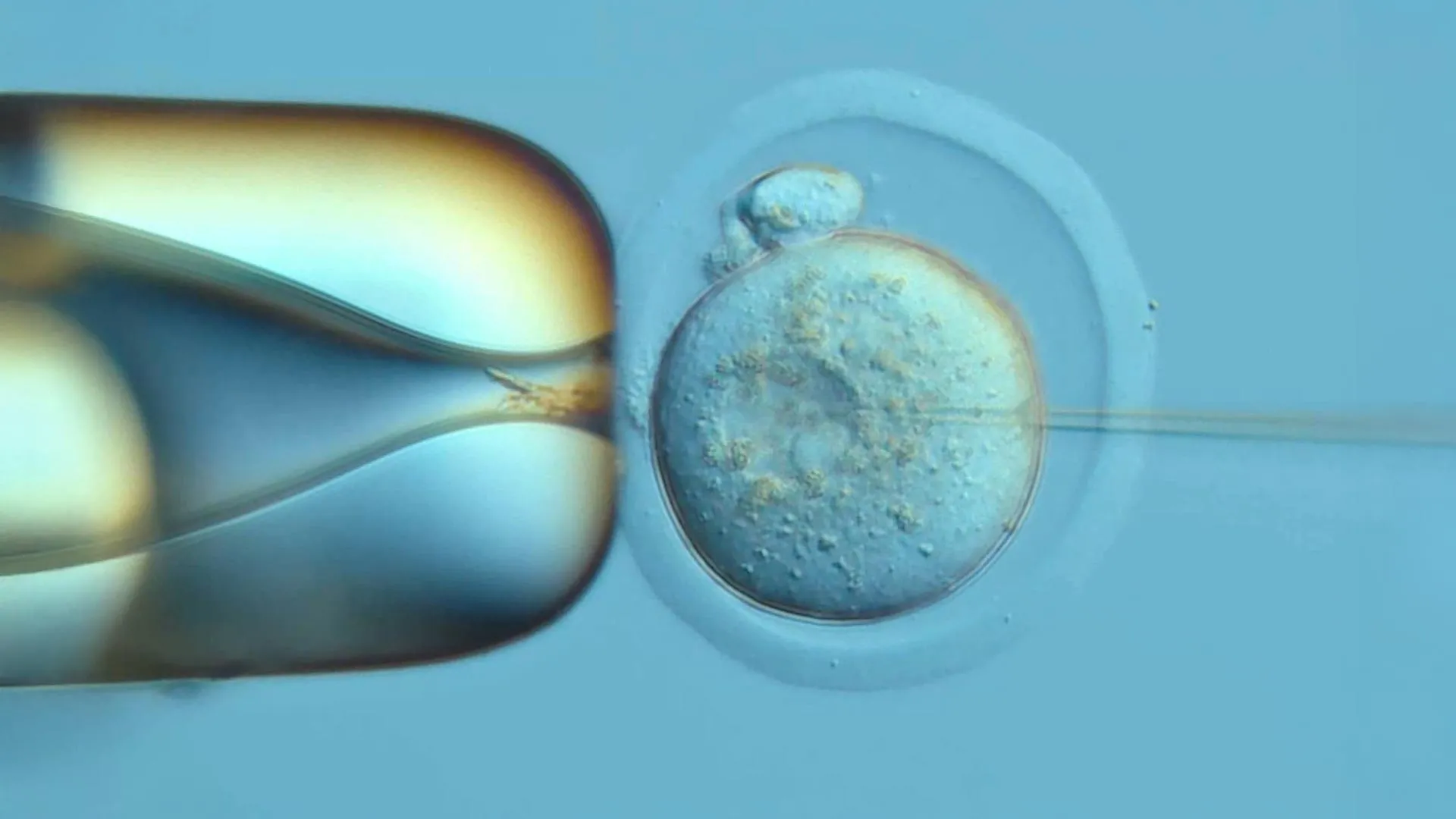
To unravel this enigma, the research team employed cutting-edge CRISPR gene editing technology to meticulously remove the CARDIB gene from sea anemone populations. These genetically modified anemones were then deliberately exposed to various viral pathogens. The results were, to put it mildly, astonishing. Anemones lacking functional CARDIB proved significantly more vulnerable to viral infections. Viruses proliferated at an accelerated rate, the animals failed to mount an appropriate antiviral response, and their overall capacity to combat infection plummeted dramatically.
"The results were completely counterintuitive," admitted Ton Sharoni, the lead PhD candidate on the project. "Although CARDIB acts as a brake on the immune system under normal conditions, that brake turns out to be essential for mounting an effective antiviral response." This finding underscored a paradigm shift in understanding antiviral immunity: in sea anemones, the controlled restraint of an immediate immune overreaction, facilitated by CARDIB, is crucial for orchestrating a successful and targeted defense against viral threats. In essence, the anemone’s strategy appears to be one of measured control rather than immediate activation, a stark contrast to the vertebrate MAVS pathway.
Validation in the Wild: From Lab to Natural Environment
The scientific team was keen to ascertain whether this newly discovered immune pathway was merely a laboratory artifact or a genuinely critical survival mechanism in the wild. To address this, a cohort of genetically modified sea anemones, lacking the CARDIB gene, were transferred from controlled laboratory aquaria to outdoor marine mesocosms situated in South Carolina. These mesocosms simulated natural estuarine environments, exposing the anemones to the complex and diverse array of viruses and microorganisms that populate their native habitats.
The impact of CARDIB deficiency became starkly evident within days. The sea anemones that lacked CARDIB and other related antiviral genes exhibited a significantly higher viral load compared to their unmodified counterparts. Furthermore, the study revealed that a specific immune gene, which had shown only moderate importance in laboratory-controlled experiments, emerged as critically important when the anemones faced the full spectrum of natural environmental challenges.
"This demonstrated that the pathway we discovered is not simply a laboratory phenomenon," Professor Moran emphasized. "It plays a crucial role in helping these animals cope with the viral challenges they face in nature." This real-world validation solidified the significance of CARDIB and its counterintuitive role in sea anemone immunity, proving its essential function in their ecological niche.
A Mosaic of Immunity: Evolutionary Convergence and Divergence
The implications of these findings extend far beyond the realm of marine invertebrates. The research strongly suggests that evolution has not converged on a single, monolithic strategy for antiviral defense across the animal kingdom. Instead, it appears that diverse lineages of animals have independently evolved distinct molecular systems for detecting viral pathogens and establishing robust defenses.
"Humans and sea anemones both need protection from viruses, but this work shows that evolution can organize those defenses in fundamentally different ways," Professor Moran elaborated. This discovery paints a picture of evolutionary innovation as a highly adaptable and creative process, capable of devising multiple effective solutions to persistent biological challenges. The existence of CARDIB, a protein that looks so similar to MAVS yet functions so differently, highlights the remarkable plasticity of evolutionary pathways. It suggests that the building blocks of immunity might be conserved, but their operational logic can be profoundly reconfigured.
Furthermore, this research underscores the immense value of studying organisms that lie outside the traditional focus of biomedical research, such as mice, zebrafish, or fruit flies. Ancient and less-studied species like sea anemones can harbor evolutionary innovations that may have been lost or significantly altered in more extensively researched animals. By examining these "evolutionary holdovers," scientists can uncover fundamental biological principles that might otherwise remain hidden.
The ongoing exploration of the planet’s biodiversity continues to yield astonishing insights into the ingenuity of life. Discoveries such as the paradoxical antiviral defense of the sea anemone serve as powerful reminders that evolution has repeatedly found unexpected and elegant solutions to some of biology’s most fundamental and enduring challenges, enriching our understanding of life’s intricate and diverse immune repertoire. The findings offer a compelling argument for continued investment in comparative genomics and the study of a wide range of species to fully appreciate the complexity and adaptability of biological systems.