A transformative shift in the landscape of mental health treatment has arrived with the recent FDA clearance of a personalized neurotechnology designed to address post-traumatic stress disorder (PTSD). Developed by the California-based firm Wave Neuroscience in strategic partnership with the Texas A&M Health Institute of Biosciences and Technology, this new approach utilizes Magnetic e-Resonance Therapy (MeRT) to bridge the gap between traditional psychiatric care and precision medicine. By integrating high-resolution brain imaging with targeted magnetic stimulation, the technology offers a robust, drug-free alternative for millions of patients who have historically found limited success with conventional medications and psychotherapy.
The clinical data supporting this clearance is significant. In trials, patients utilizing the MeRT system reported a 52% reduction in PTSD symptoms, with a remarkable 68% of participants achieving clinical remission. These figures stand in stark contrast to the historical performance of existing standard-of-care treatments, which have long been criticized for their inconsistent efficacy and high rates of patient attrition.
The Crisis of Standard Care
The urgency of this development cannot be overstated. PTSD remains a pervasive public health challenge in the United States, impacting an estimated 6% of the general population over their lifetimes. The burden is disproportionately heavy among military veterans, with roughly 7% receiving a diagnosis annually. The human cost is devastating; current data from the Department of Veterans Affairs highlights a tragic reality where approximately 17.5 veterans die by suicide each day, a statistic that underscores the failure of current interventions to provide adequate relief for the most vulnerable.
Since the formal diagnostic criteria for PTSD were established in 1980, the therapeutic toolkit has remained largely stagnant. Clinicians have primarily relied on psychotherapy and two FDA-approved SSRI medications: sertraline and fluoxetine. While these tools provide relief for some, a 2020 meta-analysis of PTSD pharmacological treatments revealed a discouraging trend: remission rates for these medications reached only 10.9% at the high end, with many patients experiencing only marginal improvements in symptom severity. This "trial-and-error" approach to mental health has left many patients feeling abandoned by a medical system that often struggles to account for individual biological variability.
The Mechanics of Precision Neurotherapy
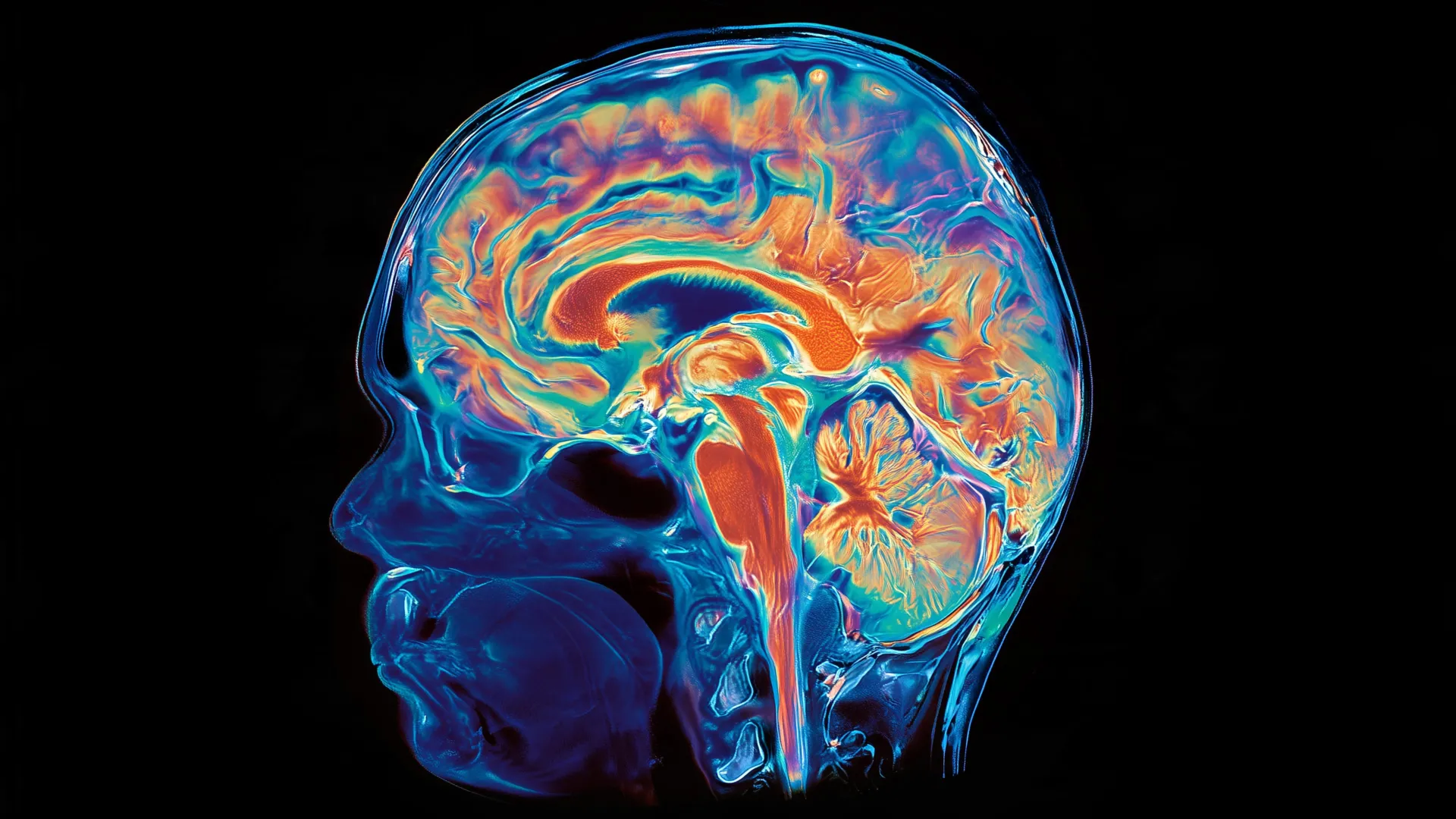
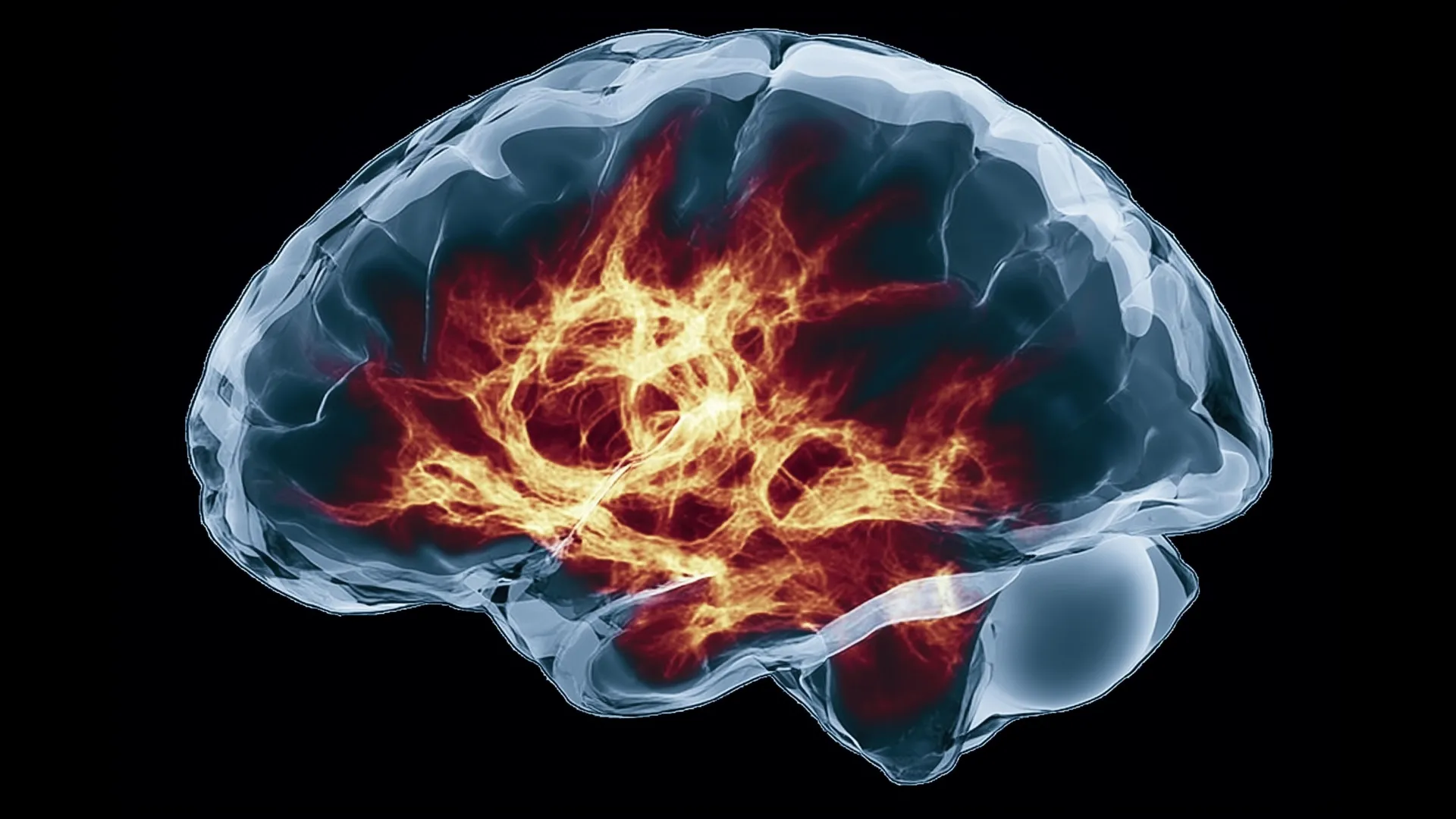
The MeRT system distinguishes itself through its departure from "one-size-fits-all" protocols. Traditional transcranial magnetic stimulation (TMS) has been cleared for treatment-resistant depression, but its application in PTSD has been limited by a lack of personalization. The MeRT approach begins with an electroencephalogram (EEG) to map the patient’s specific brain activity. This data is then processed through an AI-assisted algorithm to identify neural irregularities unique to the individual.
Once the personalized map is generated, the system delivers magnetic pulses via a coil positioned against the scalp. The process is precise, non-invasive, and remarkably efficient compared to the years of therapy required by other modalities. Dr. Erik Won, chief medical officer at Wave Neuroscience, characterizes this as a "quantum change" in the field. By moving from a standard approach to a data-informed, multivariate algorithmic model, the technology allows clinicians to move beyond symptom management and toward a more restorative, individualized healing process.
A Rapid Chronology of Development
The path to FDA clearance was characterized by both scientific rigor and unprecedented speed. The project began as a collaborative effort between Wave Neuroscience and Texas A&M during the height of the COVID-19 pandemic. Despite the logistical challenges posed by the global health crisis, the team managed to progress from initial concept to FDA clearance in just over two years—a timeframe that is historically fast for a medical device of this complexity.
In 2024, the FDA granted the technology "Breakthrough Device" designation, a recognition reserved for innovations that provide for more effective treatment of life-threatening or irreversibly debilitating conditions. Dr. Rick Silva, executive director of clinical trials at the Texas A&M Health Institute of Biosciences and Technology, noted that while the process was accelerated, it remained bound by the most stringent scientific and regulatory standards. "The failure rate in medical device development is notoriously high," Silva noted, "but the dedication to the patient population drove the team to compress the typical decade-long development cycle without sacrificing the integrity of the clinical data."
Expert Perspectives and Theoretical Foundations
Dr. Kenneth S. Ramos, a physician-scientist at Texas A&M with a background in precision medicine, served as a primary architect of the research. His work posits that even the 0.1% genetic and physiological difference between any two humans can drastically alter how they respond to medical intervention. Dr. Ramos frequently uses the analogy of a leaking roof to explain the superiority of this approach: while traditional TMS acts like a tarp stretched over a leak—managing the immediate symptoms but failing to address the underlying cause—MeRT acts like a technician who identifies and replaces the specific damaged shingles.
Dr. Israel Liberzon, a distinguished professor of psychiatry and behavioral sciences at the Texas A&M Naresh K. Vashisht College of Medicine and the lead psychiatrist for the study, emphasizes the logistical advantages of this approach. "Psychotherapy is effective but demanding," Liberzon stated. "Many patients drop out because the process is anxiety-provoking or requires a level of active participation that they simply cannot manage in the acute phase of their disorder. Offering a non-medication, non-psychotherapy option provides a vital third pillar for our treatment strategy."
Broader Implications for Mental Health Infrastructure
The successful clearance of the MeRT system represents a fundamental shift in how the medical community views mental illness. By utilizing objective neurophysiological data, the technology aims to demystify psychiatric conditions. Dr. Leslie S. Prichep, chief scientific officer at Wave Neuroscience, argues that this is the first step toward a future where psychiatric diagnoses are no longer based solely on subjective patient interviews, but on tangible biomarkers.
This shift toward objective measurement carries the potential to significantly reduce the stigma surrounding PTSD. Fred Walke, CEO of Wave Neuroscience, has drawn parallels between this and the treatment of physical injuries. "When you break a bone, there is an X-ray that confirms the damage, and a cast that provides a clear path to healing," Walke explained. "By providing patients with imagery and data that explain their neurological state, we validate their experience and help them understand that they are not ‘broken’—they are simply experiencing a measurable physical condition that can be treated."
Future Outlook and Accessibility
As the medical community digests these results, the focus now shifts to the challenge of scalability. The efficacy demonstrated in clinical trials—a 52% reduction in symptoms and 68% remission—is highly promising, but it must be integrated into the broader healthcare infrastructure to reach the millions of Americans suffering from the disorder.
Wave Neuroscience and Texas A&M are currently engaging with insurers and health systems to establish coverage protocols. The goal is to move beyond elite clinical settings and ensure that the technology is accessible to those most in need, particularly the veteran population. Dr. Ramos emphasized that the institutional commitment at Texas A&M to veteran support was a driving force behind the research. "Anything we can do to alleviate the suffering of those who have served our country is a moral imperative," Ramos said.
While researchers caution that these findings should not be interpreted as a direct "head-to-head" victory over existing therapies, the implications for the future of psychiatry are clear. The convergence of AI, electrophysiology, and magnetic stimulation is paving the way for a new era of precision psychiatry. If the success of this trial can be replicated at a population scale, the standard of care for PTSD will have undergone the most significant advancement since the disorder was formally classified four decades ago. This technology does not merely treat symptoms; it offers a path toward objectively evaluating and meaningfully healing the complex neurological architecture of trauma.