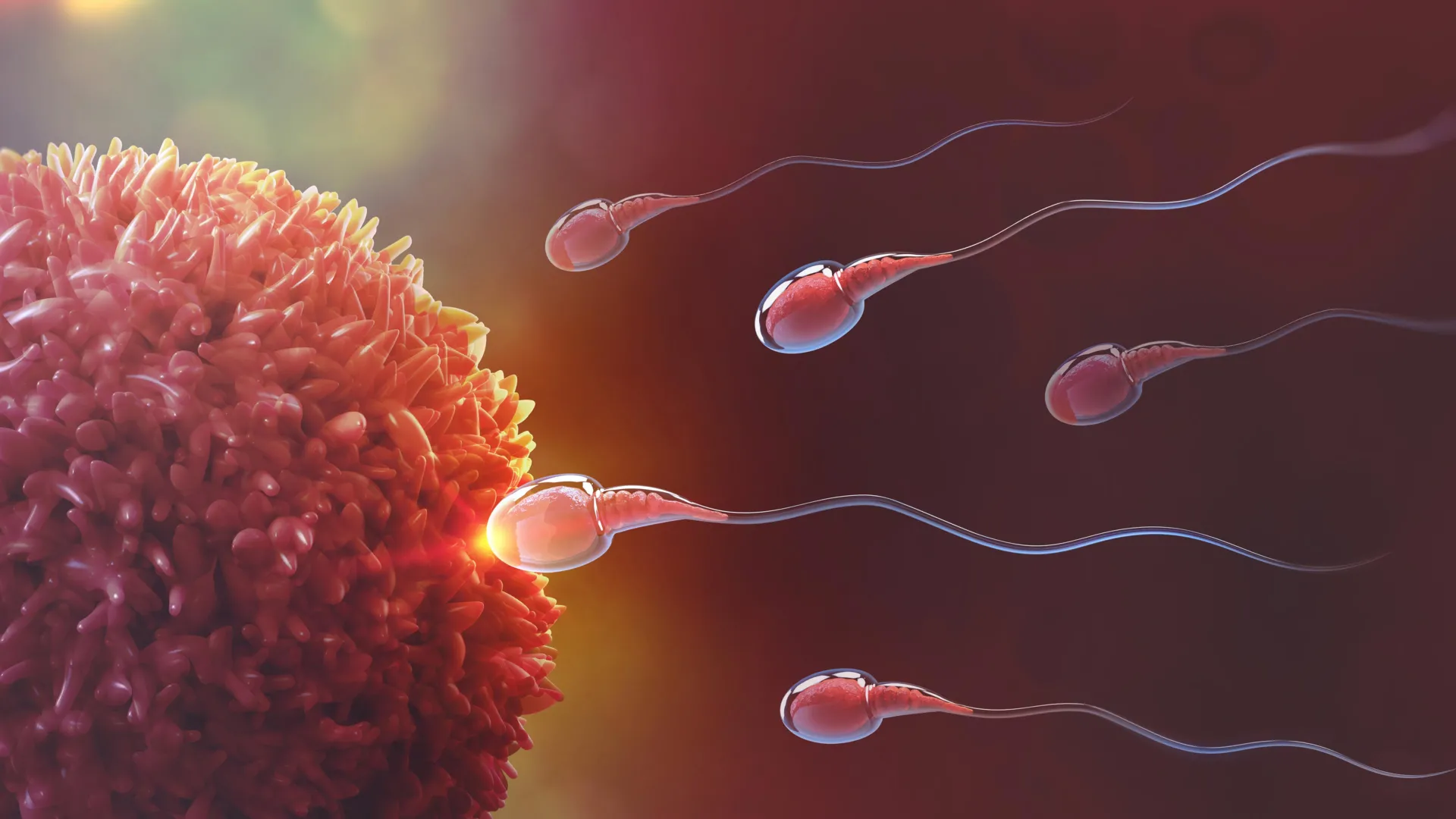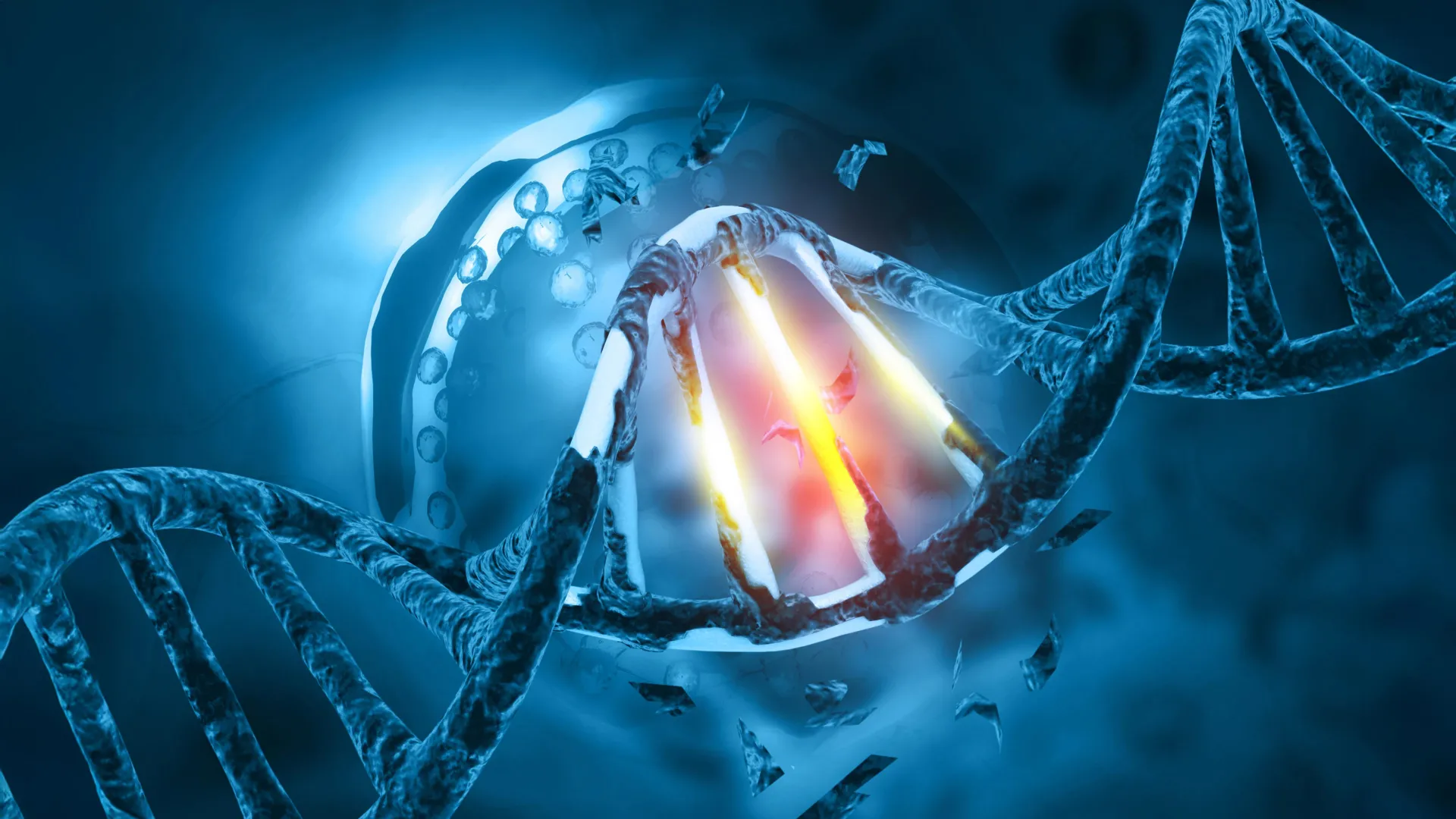
The landscape of human genetics and reproductive health has been fundamentally reshaped by groundbreaking research revealing that disease-causing mutations become increasingly common in aging sperm not merely through random accumulation, but because certain genetic errors are actively favored during sperm production. Published in the prestigious journal Nature on October 8, two complementary studies led by international consortia—including the Wellcome Sanger Institute, King’s College London, and Harvard Medical School—have uncovered a previously unappreciated biological mechanism. Within the dynamic environment of the male testes, a subtle form of natural selection allows specific mutated cells to outcompete their neighbors, multiplying rapidly and driving up the prevalence of DNA changes linked to severe neurodevelopmental disorders and childhood cancers.
The implications of these findings extend far beyond academic genetics, offering new insights into paternal age effects, reproductive counseling, and the complex interplay between human biology and inherited disease. As demographic shifts in industrialized nations lead to delayed fatherhood, understanding the biological clock of the male germline has never been more critical for modern medicine.
Unraveling the Male Germline: Background and Context
For decades, medical science has understood that maternal age is a primary driver of chromosomal abnormalities, most notably Down syndrome, due to the prolonged stagnation of eggs in women. Conversely, paternal age has long been associated with an elevated risk of single-gene disorders, autism spectrum conditions, and schizophrenia in offspring. Traditional explanations attributed this phenomenon to the sheer volume of cell divisions that male germ cells undergo throughout a lifetime.
Unlike female eggs, which are formed entirely before birth, male sperm cells are produced continuously from puberty through old age. Each division cycle introduces a baseline rate of random copying errors, or mutations. Consequently, older fathers were believed to transmit more mutations simply because their stem cells had divided hundreds of times more than those of younger men.
However, this traditional model failed to fully explain the exponential rise of specific, recurrent genetic disorders observed in the children of older fathers. The new research demonstrates that random mutation accumulation is only part of the story. Instead, the testes operate as a micro-evolutionary landscape where somatic and germline tissues constantly renew. In these environments, certain DNA mutations grant cells a proliferative advantage—allowing them to multiply faster, form clonal expansions, and eventually dominate the surrounding cellular architecture. While mutations in ordinary tissues like skin, bone, or internal organs remain trapped within the individual and die with them, mutations that occur within the germline can be successfully packaged into sperm and passed on to future generations.
The NanoSeq Breakthrough: Methodology and Data Analysis
To measure these subtle clonal expansions with unprecedented precision, the research team utilized NanoSeq, an ultra-accurate DNA sequencing technology designed to detect extremely rare mutations that standard sequencing methods would miss. Researchers analyzed sperm samples collected from 81 healthy male participants ranging in age from 24 to 75. These samples were sourced from the TwinsUK cohort, the United Kingdom’s largest adult twin registry, providing a robust, well-characterized, and genetically diverse population for comparative analysis.
The empirical data yielded striking insights. Among men in their early 30s, approximately 2 percent of sperm carried disease-causing mutations. This proportion escalated measurably as men aged, reaching between 3 and 5 percent in men aged 43 to 74. Among participants aged 70, roughly 4.5 percent of all sperm contained harmful genetic variants.
Crucially, computational modeling confirmed that this upward trajectory could not be accounted for by neutral, random mutation alone. The mathematical distribution pointed squarely to positive selection—a biological process whereby specific mutations confer a growth advantage to the stem cells harboring them. The team pinpointed 40 distinct genes that appear to benefit directly from this testicular selection advantage. While 13 of these genes had been flagged in prior research, the new study revealed that the phenomenon is far more widespread than previously recognized, impacting a broad network of genes critical for normal cell growth, embryonic development, and cancer suppression.
Triangulating the Evidence: The Harvard and Sanger Companion Study
To validate these laboratory findings against real-world inheritance patterns, a complementary study published simultaneously in Nature by researchers from Harvard Medical School and the Wellcome Sanger Institute approached the question from the opposite direction. Rather than examining sperm directly, this team analyzed genomic data drawn from over 54,000 parent-child trios and more than 800,000 healthy individuals worldwide.
By examining the genetic makeup of children, the Harvard-Sanger team identified more than 30 specific genes where mutations provide sperm cells with a competitive edge during spermatogenesis. There was a significant overlap between these genes and the 40 genes identified in the direct sperm analysis.
The epidemiological impact of this selection pressure is staggering. The study calculated that positive selection within the testes can increase the mutation rate for certain genes by roughly 500-fold. This massive amplification helps solve a longstanding medical mystery: why certain rare genetic disorders appear in children whose parents completely lack the mutant gene in their own blood or saliva DNA. Because the mutation arises and expands exclusively within the male germline, it remains invisible to standard diagnostic blood tests performed on the father, yet it is present in a substantial fraction of his sperm. Furthermore, the researchers noted that the high prevalence of these mutations in sperm can create statistical artifacts, occasionally leading geneticists to misidentify certain genes as being associated with common diseases due to inflated local mutation rates rather than genuine etiological links.
Expert Insights and Official Reactions
The publication of these twin studies has drawn widespread commentary from the international scientific community, highlighting both the elegance of the methodology and the gravity of the implications for reproductive medicine.
Dr. Matthew Neville, the first author of the study from the Wellcome Sanger Institute, emphasized the surprising magnitude of the effect. "We expected to find some evidence of selection shaping mutations in sperm," Dr. Neville remarked. "What surprised us was just how much it drives up the number of sperm carrying mutations linked to serious diseases."
Professor Matt Hurles, Director of the Wellcome Sanger Institute and a co-author on the research, pointed to the hidden nature of the risk. "Our findings reveal a hidden genetic risk that increases with paternal age," Professor Hurles stated. "Some changes in DNA not only survive but thrive within the testes, meaning that fathers who conceive later in life may unknowingly have a higher risk of passing on a harmful mutation to their children."
Highlighting the invaluable contribution of population registries, Professor Kerrin Small, co-author and Scientific Director of the TwinsUK study at King’s College London, noted: "We are incredibly grateful to the twins who took part in this study. By working with the TwinsUK cohort, we could include valuable longitudinal samples linked to rich health and genetic information, allowing us to explore how mutations accumulate and evolve with age in healthy individuals. This collaboration highlights the power of large, population-based cohorts for advancing our understanding of human development and inheritance."
Dr. Raheleh Rahbari, senior author and Group Leader at the Wellcome Sanger Institute, challenged conventional dogmas regarding the protection of reproductive cells. "There’s a common assumption that because the germline has a low mutation rate, it is well protected," Dr. Rahbari explained. "But in reality, the male germline is a dynamic environment where natural selection can favour harmful mutations, sometimes with consequences for the next generation."
Broader Implications and Future Clinical Directions
The unveiling of intra-testicular natural selection opens a vital new chapter in reproductive biology, prompting a re-evaluation of how genetic counseling is conducted for older prospective parents. While the statistical rise in mutated sperm is clear—surging toward 5 percent in older men—scientists emphasize that not every sperm carrying a mutation will successfully result in fertilization or a live birth. Many such genetic errors may disrupt cellular pathways so profoundly that they prevent fertilization altogether, halt early embryonic development, or result in spontaneous miscarriage.
Nevertheless, for those conceptions that do proceed to term, the presence of these mutations elevates the baseline risk for rare developmental syndromes and childhood malignancies. Medical researchers stress that the goal of this research is not to alarm prospective parents, but rather to improve risk assessment models, refine pre-implantation genetic diagnosis, and deepen our collective understanding of how environmental factors, lifestyle choices, and internal biological pressures interact across generations.
As funding bodies such as Wellcome continue to support large-scale genomic mapping, future research will likely investigate whether external variables—such as diet, metabolic health, environmental toxins, or smoking—can accelerate or mitigate the selective pressures operating within the male testes. By charting the microscopic evolutionary battles fought within the human germline every day, science is moving closer to a comprehensive roadmap of hereditary health across the human lifespan.