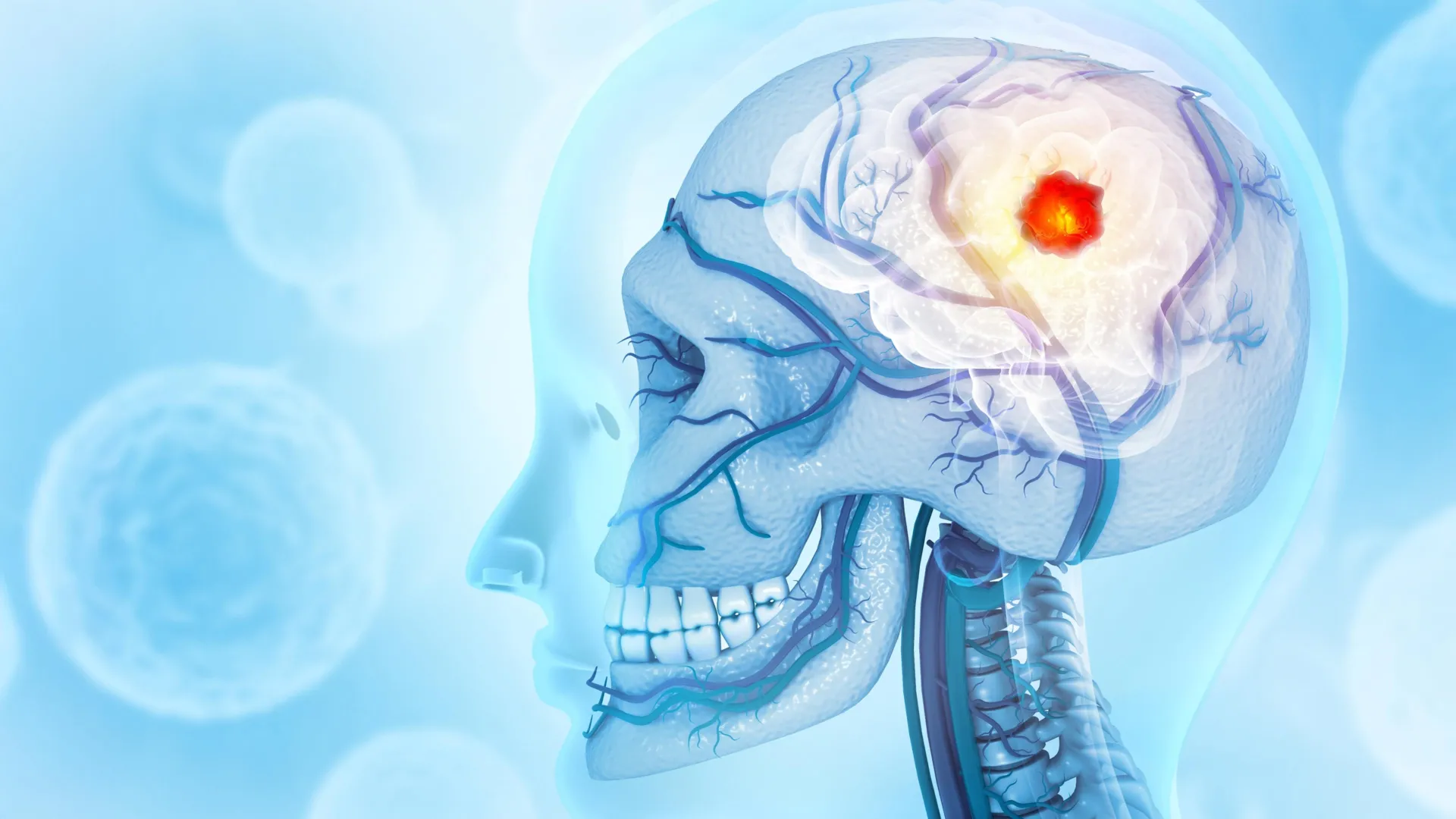
Glioblastoma has long been categorized as one of the most aggressive and localized forms of cancer known to modern medicine. Striking approximately 15,000 individuals annually in the United States alone, this devastating brain tumor carries a grim prognosis. For patients undergoing the current standard of care—a grueling tripart protocol consisting of surgical resection, radiotherapy, and systemic chemotherapy—the median survival time hovers at a mere 15 months. For decades, oncologists and neurosurgeons operated under the assumption that the lethal nature of the disease was driven entirely by its ruthless invasion of surrounding brain tissue. However, a paradigm-shifting study published on October 3 in the esteemed scientific journal Nature Neuroscience shatters this conventional view.
Researchers from the Montefiore Einstein Comprehensive Cancer Center (MECCC) and the Albert Einstein College of Medicine have discovered that glioblastoma is not merely a localized brain disease. Instead, it is a systemic aggressor that systematically damages the skull, fundamentally alters the composition of bone marrow housed within the cranium, and hijacks the body’s immune system to fuel its own survival. Furthermore, the investigative team uncovered an alarming clinical pitfall: commonly prescribed medications designed to treat bone loss can inadvertently accelerate tumor progression and neutralize the effectiveness of advanced immunotherapies. This comprehensive investigation fundamentally redefines how the medical community understands glioblastoma pathophysiology and opens vital pathways toward systemic treatment modalities.
Chronology of Discovery: Tracing the Skull-Brain Axis
The journey toward this monumental discovery began with an accumulation of recent neurobiological insights concerning the anatomical relationship between the brain and the skull. Historically, neuroscientists viewed the hard bone of the cranium as an inert, protective helmet safeguarding the delicate neural tissue within. However, recent scientific breakthroughs revealed a dense network of microscopic channels connecting the marrow of the skull directly to the meninges and the brain itself. These specialized vascular and structural conduits allow for a continuous, bidirectional exchange of signaling molecules, fluids, and immune cells.
Recognizing the implications of this skull-brain axis, Dr. Jinan Behnan, assistant professor in the Leo M. Davidoff Department of Neurological Surgery and the department of microbiology and immunology at Einstein, spearheaded a multidisciplinary research team to investigate whether brain tumors exploit this conduit. Using state-of-the-art in vivo imaging tools, the researchers analyzed murine models engineered to develop two distinct types of glioblastoma.
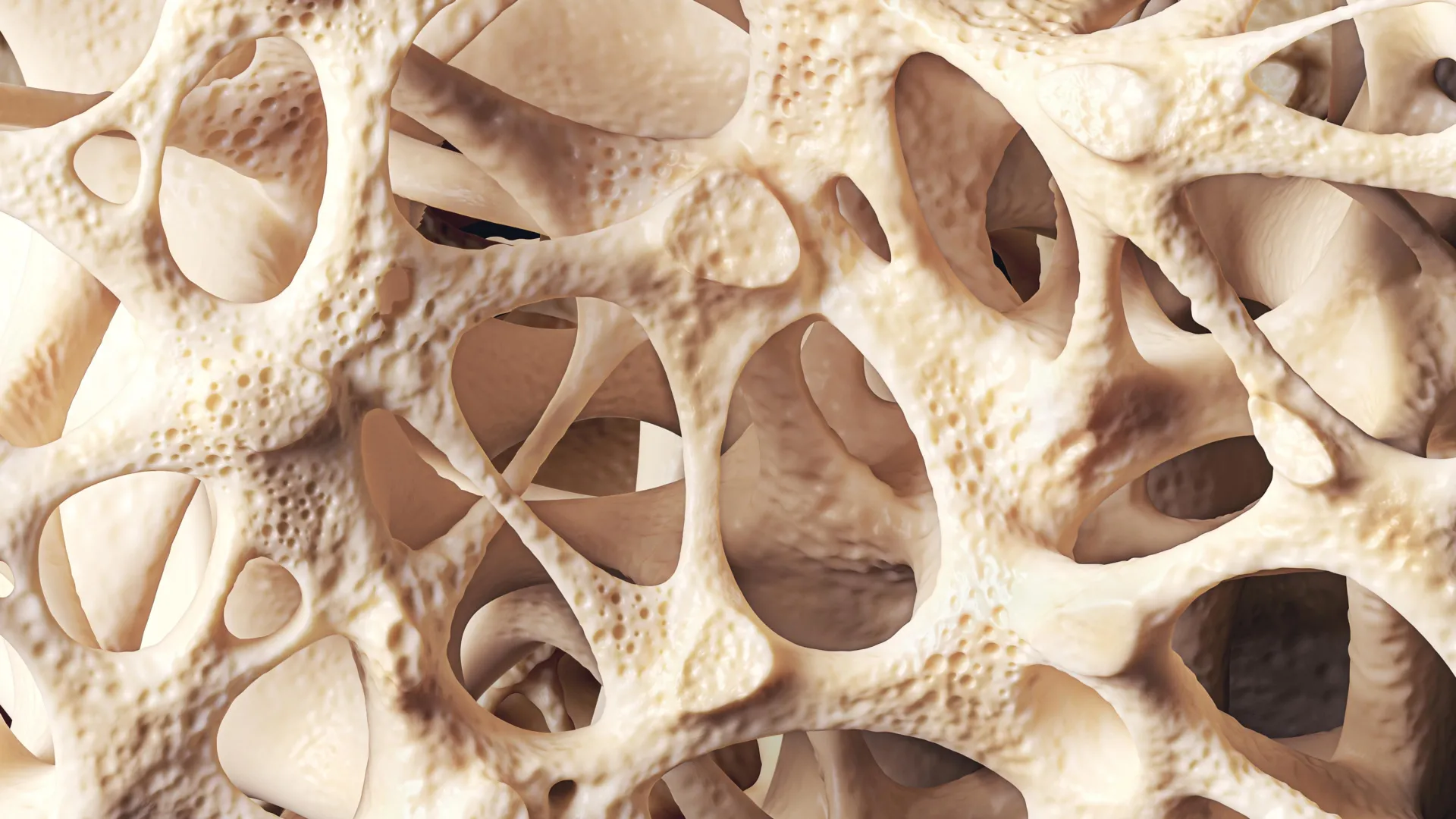
The findings were both striking and unprecedented. As the glioblastoma tumors grew within the brain, they induced progressive and localized erosion of the skull bones. This degradation was particularly pronounced along the cranial sutures—the fibrous joints where adjacent plates of the skull fuse together. Crucially, comparative analysis demonstrated that this specific pattern of bone loss was unique to glioblastoma and similarly aggressive intracranial malignancies. Control experiments involving mice subjected to ischemic strokes, physical brain trauma, or metastatic cancers originating outside the central nervous system showed no comparable cranial erosion. Subsequent computed tomography (CT) scans performed on human glioblastoma patients confirmed these exact murine observations, revealing localized reductions in skull thickness in identical anatomical regions.
A Tilt Toward Inflammation: How Marrow Composition Shifts
As the skull bones eroded in the mouse models, the physical channels linking the cranium to the brain increased significantly in both number and dimension. The research team hypothesized that these widened pathways acted as biological highways, permitting the tumor to broadcast molecular distress signals directly into the skull marrow—a specialized hematopoietic niche responsible for generating critical immune cells.
To dissect the cellular fallout of this cross-talk, the researchers utilized single-cell RNA sequencing, a high-resolution technology capable of profiling gene expression at the individual cell level. The data revealed a profound immunological remodeling within the skull marrow. Glioblastoma dramatically skewed the cellular balance, triggering a nearly twofold increase in pro-inflammatory myeloid cells, specifically inflammatory neutrophils. Concurrently, the tumor microenvironment nearly eradicated several vital populations of antibody-producing B cells and other B-lymphocyte subsets.
This inflammatory bias did not remain contained within the bone. The newly widened channels permitted a steady influx of these aggressive, pro-inflammatory cells to migrate from the skull marrow directly into the intracranial tumor site. Rather than mounting an effective defense against the malignancy, these hijacked immune cells actively promoted tumor growth, rendering the glioblastoma increasingly aggressive and persistently resistant to standard interventions.
Interestingly, the study underscored the systemic nature of the disease by revealing a stark physiological dichotomy. While the marrow inside the skull activated specific genetic programs to hyper-produce inflammatory immune cells, the bone marrow located in distant sites—such as the femur (thigh bone)—responded in the exact opposite manner. In the femur, glioblastoma suppressed the genes required for manufacturing essential immune cells. This regional divergence provides definitive proof that glioblastoma exerts a coordinated, systemic influence over the entire host organism, rather than remaining isolated within the intracranial vault.
Unintended Consequences: The Osteoporosis Drug Dilemma
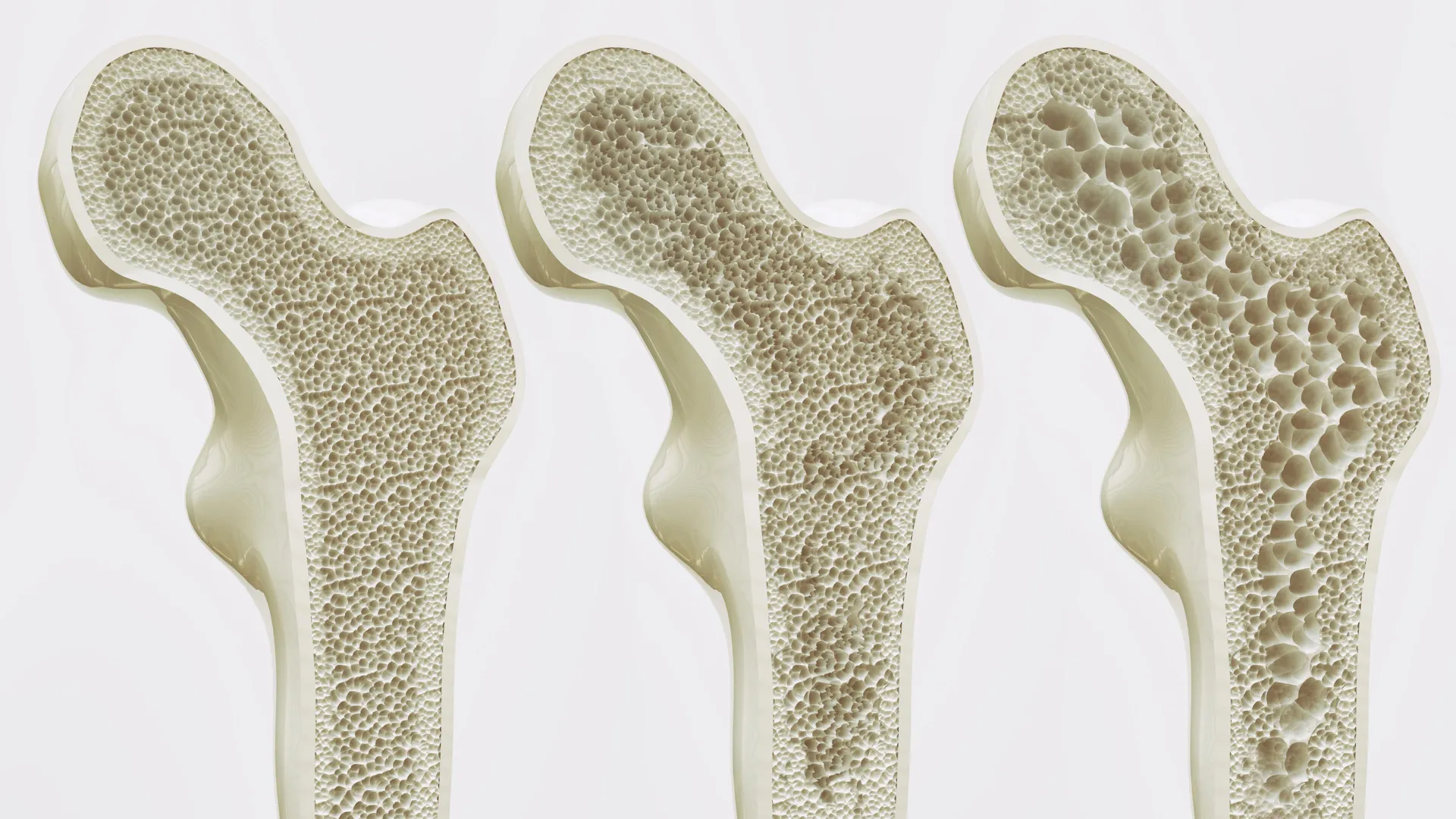
Armed with the discovery that glioblastoma actively erodes skull bone, the research team posed a critical clinical question: Would administering anti-osteoporosis medications—drugs specifically engineered to prevent bone loss and preserve skeletal density—protect the cranium and alter the trajectory of the disease?
To test this hypothesis, the scientists administered two distinct U.S. Food and Drug Administration (FDA)-approved medications used in the treatment of osteoporosis—zoledronic acid and denosumab—to mice bearing glioblastoma tumors. Both pharmaceutical agents successfully halted the erosion of the skull bones. However, their effects on the tumors themselves yielded divergent and cautionary results.
While denosumab managed cranial integrity without major adverse acceleration of the cancer, zoledronic acid inadvertently fueled tumor progression in a specific subtype of glioblastoma. More alarmingly, both anti-osteoporosis medications completely blocked the therapeutic efficacy of anti-PD-L1, a prominent immunotherapy drug designed to reinvigorate tumor-fighting T cells. This discovery serves as a vital warning for clinical oncologists, highlighting the complex and frequently counterintuitive pharmacology associated with targeting systemic manifestations of brain cancer.
Broader Impact and Future Therapeutic Implications
The publication of these findings in Nature Neuroscience marks a watershed moment in neuro-oncology. For decades, clinical trials targeting glioblastoma have focused heavily on local interventions, such as optimizing surgical margins, developing localized radiation delivery systems, and administering chemotherapeutic wafers directly into the resection cavity. The persistent failure of these localized strategies to significantly extend patient survival can now be viewed through the lens of this new research: by ignoring the systemic crosstalk between the brain, the skull marrow, and the immune system, therapies have left critical drivers of tumor aggression unchecked.
Experts analyzing the implications of the study emphasize that future therapeutic paradigms must pivot toward a dual-pronged approach. Effective treatment strategies will likely require combining localized tumor removal with systemic immunological reprogramming. Specifically, future clinical trials may need to focus on pharmacological agents capable of suppressing the pathological production of pro-inflammatory neutrophils and monocytes within the skull marrow, while simultaneously restoring depleted populations of protective T and B cells.
Furthermore, the revelation that standard osteoporosis medications can interfere with immunotherapies necessitates rigorous retrospective analyses of existing glioblastoma patient cohorts. Oncologists must carefully evaluate whether patients receiving bone-density treatments for age-related conditions or cancer-induced bone loss experience altered survival outcomes when undergoing concurrent immunotherapy.
By unmasking glioblastoma as a systemic disease that manipulates the skeletal and immune architectures of the human body, the Montefiore Einstein research team has provided the scientific community with a renewed framework for combatting one of humanity’s most relentless malignancies. As clinical researchers begin translating these preclinical insights into human trials, the medical field moves closer to transforming glioblastoma from an invariably fatal diagnosis into a manageable, treatable systemic condition.