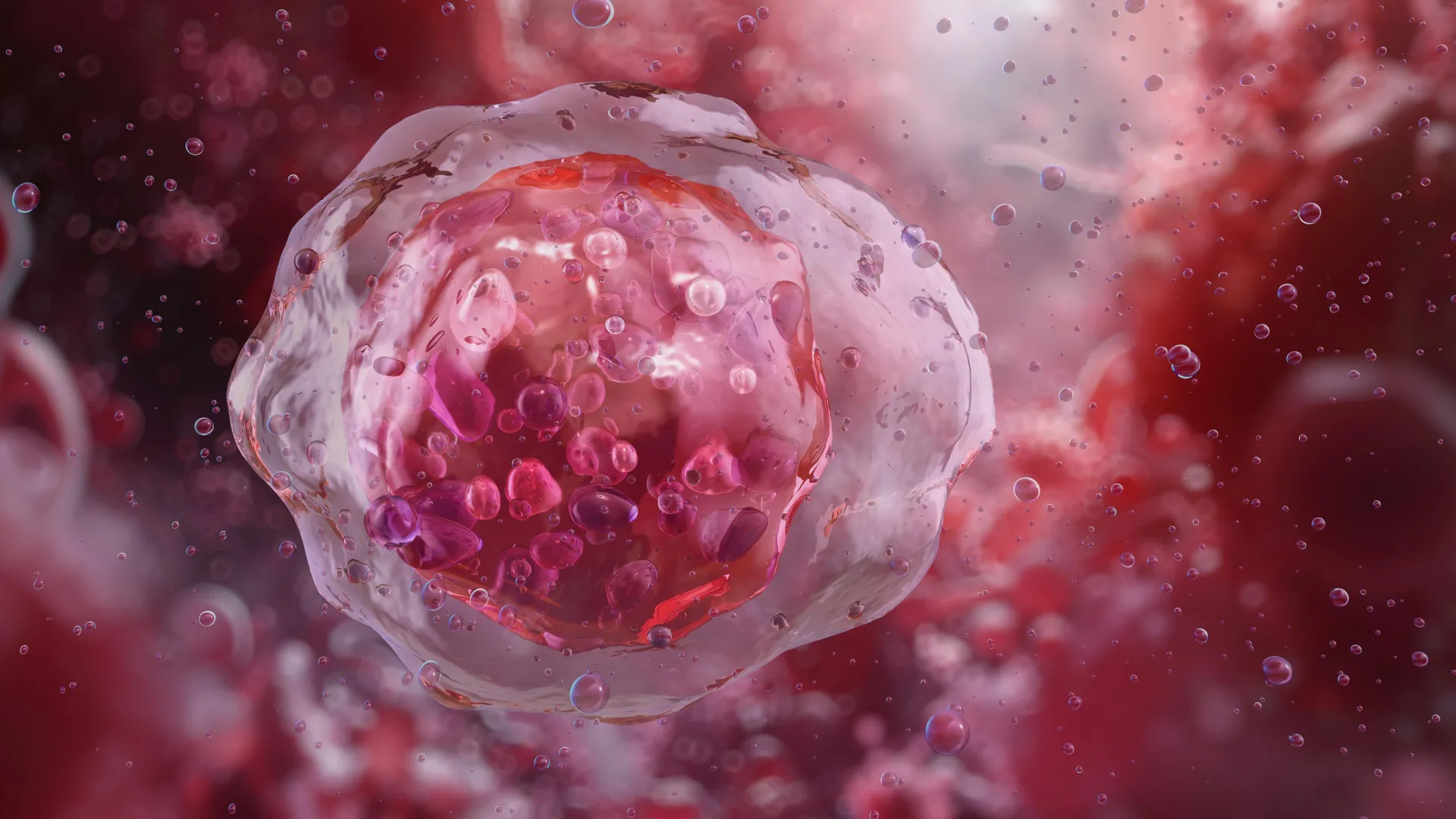
Recent findings published in the peer-reviewed scientific journal Nature have fundamentally altered our medical understanding of chronic myeloid leukemia (CML), a rare and aggressive form of cancer that originates in the bone marrow and systematically impacts the production of blood cells. Conducted by an international team of researchers primarily anchored at the Wellcome Sanger Institute, the study deployed advanced whole-genome sequencing technologies to trace the precise evolutionary timeline of CML. The results have exposed a startling biological reality: unlike nearly all other known malignancies, which typically evolve sluggishly over the course of many decades through the gradual accumulation of multiple mutations, CML is driven by a single genetic abnormality that incites explosive, hyper-accelerated tumor growth years before clinical symptoms manifest.
This paradigm-shifting research not only provides unprecedented clarity regarding the inner workings of the disease but also opens up prospective avenues for personalized medicine, potentially explaining why certain patients fail standard therapies while others achieve long-term remission.
Unraveling the Genetic Blueprint of CML
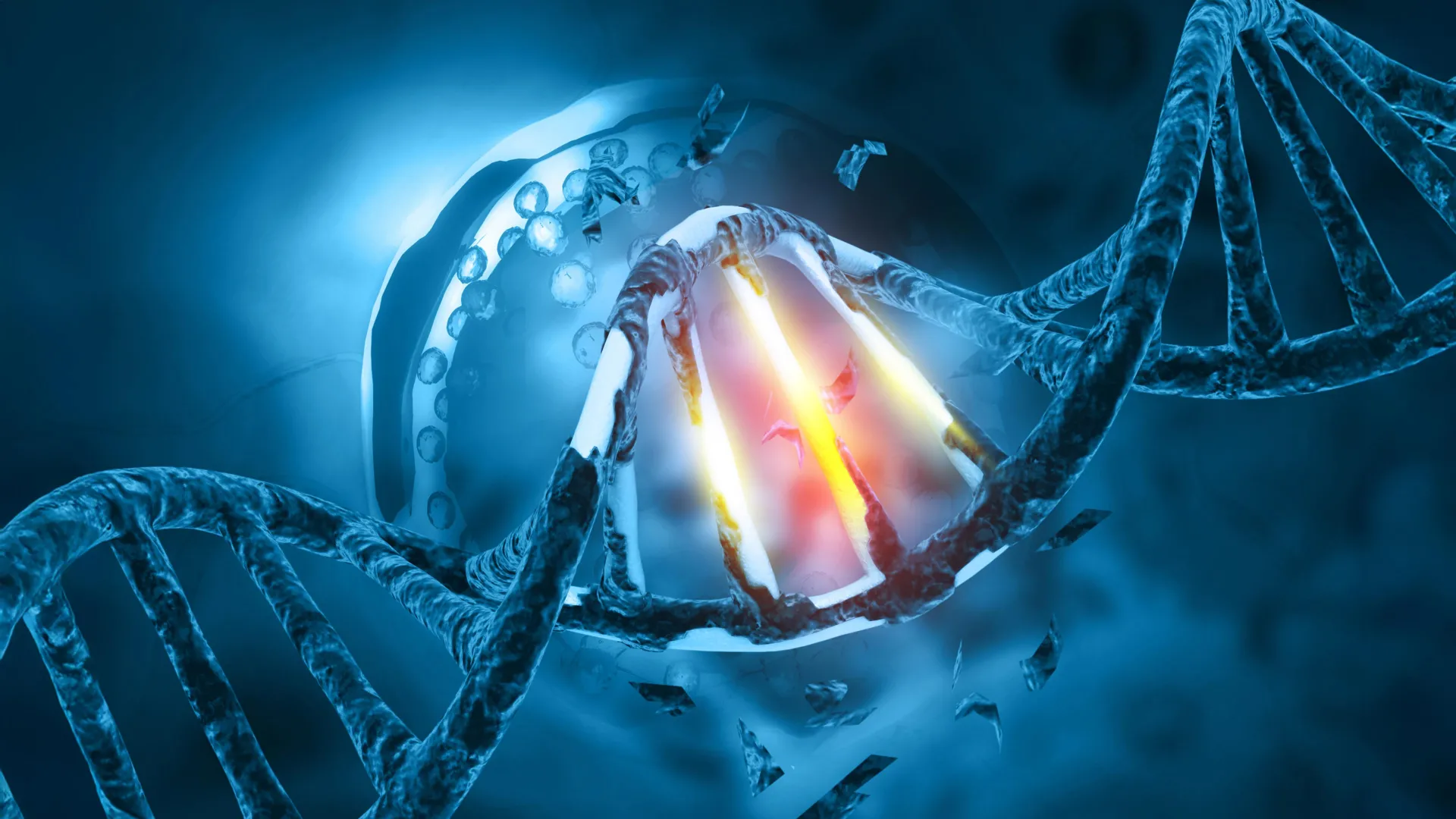
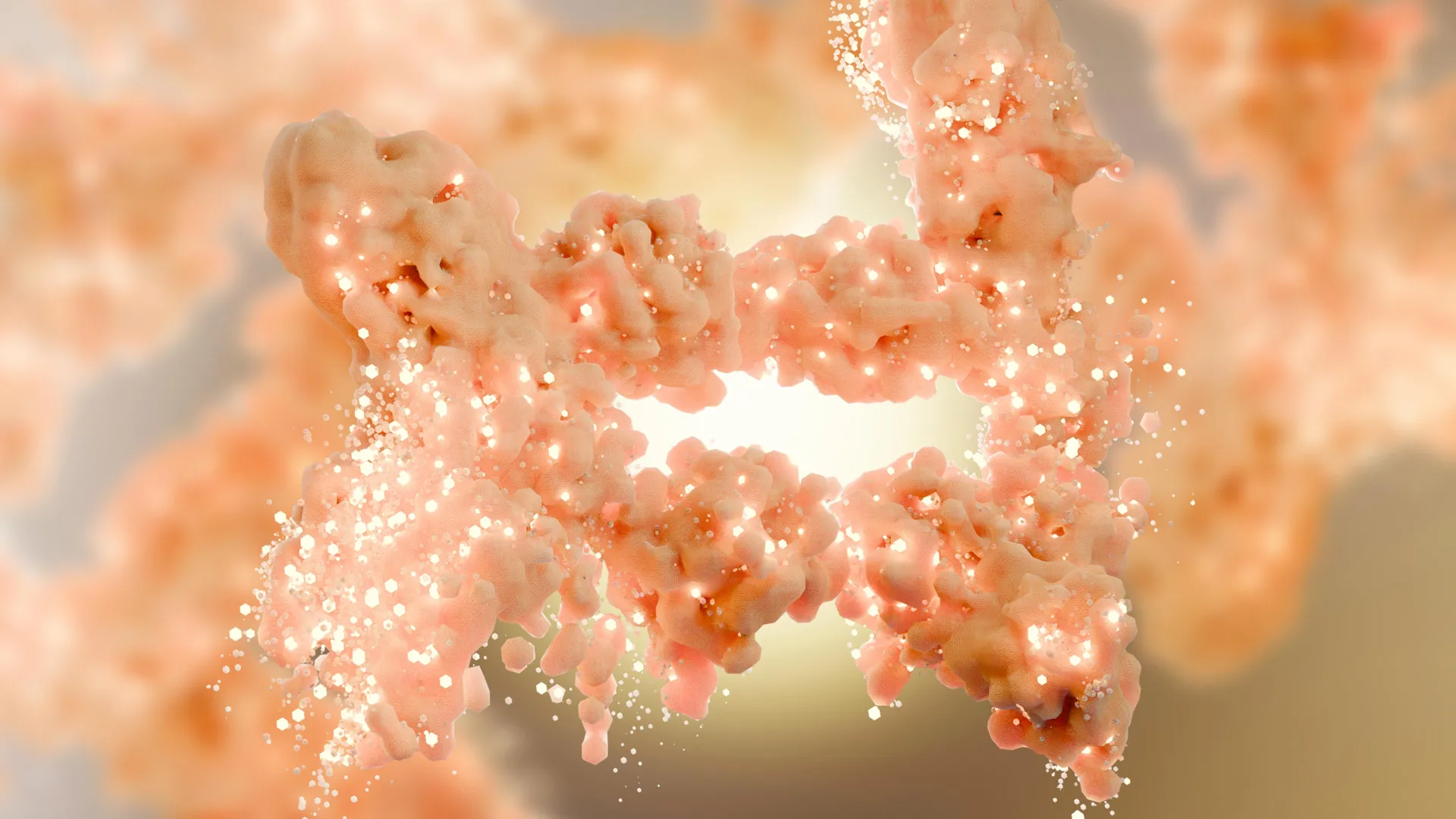
To comprehend the significance of the Sanger Institute’s findings, it is necessary to examine the foundational biology of chronic myeloid leukemia. CML is traditionally classified as a myeloproliferative neoplasm. It is historically linked to a distinct chromosomal aberration known as the Philadelphia chromosome. This genetic anomaly occurs when a reciprocal translocation takes place between chromosome 9 and chromosome 22.
During this cellular misstep, a segment of the ABL1 gene from chromosome 9 breaks off and fuses with a specific region of the BCR gene located on chromosome 22. The resulting hybrid gene—scientifically designated as BCR::ABL1—acts as a hyperactive molecular switch. It incessantly produces a rogue tyrosine kinase enzyme that signals bone marrow cells to divide and multiply uncontrollably, ultimately flooding the bloodstream with abnormal white blood cells.
While medical science has long recognized the BCR::ABL1 fusion gene as the undisputed driver of CML, the exact kinetics of how this single mutation sparks a full-blown cancer diagnosis remained shrouded in mystery. Previous assumptions held that cancer development was invariably a protracted, multi-step marathon. However, the Wellcome Sanger Institute team sought to look past standard clinical diagnostics and map the ancestral lineage of individual cancerous cells within the human body.
Methodologies and the Creation of Cellular Family Trees
To pierce the veil of cellular history, the research team adopted a high-resolution genetic approach. They analyzed more than 1,000 whole genomes extracted from individual single blood cells taken from nine distinct CML patients whose ages spanned from 22 to 81 years old.
By mapping the specific, unique genetic mutations accumulated by each cell over time, the investigators were able to construct complex phylogenetic trees—essentially genealogical charts for cell populations. These molecular family trees functioned as a biological time machine, allowing geneticists to trace lineages backward through time, identify the exact moment the ancestral cell acquired the BCR::ABL1 fusion, and calculate the subsequent rate of cellular expansion with mathematical precision.
The resultant data revealed a remarkably consistent yet astonishingly rapid window of disease initiation. According to the phylogenetic analyses, the BCR::ABL1 fusion gene typically forms anywhere from three to fourteen years prior to a formal clinical diagnosis. Once this singular genetic rearrangement occurs, the progeny of that original mutated cell—known as tumor clones—begin to multiply at a pace that has left oncologists astounded. In some documented instances, these clones exhibited annual expansion rates exceeding a staggering 100,000 percent.
The Biological Outlier: CML Versus Other Cancers
The implications of these velocity metrics place CML in an entirely unique category within oncology. Most solid tumors, such as those originating in the breast, lung, or colon, as well as many other blood cancers like multiple myeloma or chronic lymphocytic leukemia, develop through an incremental process. Over the span of twenty, thirty, or forty years, cells accumulate a cascade of diverse secondary and tertiary genetic mutations, slowly shifting from benign tissue to pre-malignant lesions, and finally to invasive cancer.
CML defies this traditional timeline entirely. Driven by the formidable potency of the BCR::ABL1 fusion gene, a single genetic event is sufficient to launch an aggressive, exponential expansion phase that telescopes what usually takes decades into a mere handful of years.
Furthermore, the researchers investigated whether individuals could quietly harbor the BCR::ABL1 gene without ever progressing to active disease. By examining comprehensive genomic sequencing data and longitudinal health records from more than 200,000 participants enrolled in the United States-based "All of Us" research cohort, the investigative team discovered a sobering correlation. Virtually every individual identified as carrying the BCR::ABL1 mutation eventually went on to develop a formal blood disorder. This strongly suggests that asymptomatic, benign carriership of the fusion gene is exceedingly rare, and that the presence of the mutation almost invariably portends active disease progression.
Age Dynamics and Treatment Resistance
Beyond establishing the raw speed of CML evolution, the study illuminated critical demographic and therapeutic correlations that could soon influence daily clinical practice.
The data revealed a clear inverse relationship between patient age and tumor growth rates. Younger patients—those in their twenties and thirties—demonstrated significantly faster cellular multiplication rates compared to older cohorts. This biological vigor in younger populations offers a compelling physiological variable that physicians must consider when evaluating disease severity.
Crucially, the research team connected these growth kinetics to patient responses to frontline pharmaceutical interventions. The standard of care for chronic myeloid leukemia involves a class of targeted therapeutics known as tyrosine kinase inhibitors (TKIs), such as imatinib, dasatinib, and nilotinib. These drugs are designed to directly inhibit the rogue enzymatic activity produced by the BCR::ABL1 fusion protein.
However, approximately 20 percent of CML patients fail to achieve optimal responses to TKI therapy, leaving clinicians with the difficult task of managing treatment resistance or switching to more toxic alternative therapies. The new study established that patients who harbored faster-growing CML clones were statistically less likely to respond favorably to standard TKI regimens. By identifying a direct link between pre-diagnosis cellular expansion rates and pharmacological resistance, the study provides a vital biological rationale for why certain patients experience treatment failure.
Expert Perspectives and Clinical Implications
The academic and clinical communities have responded to the findings with a mixture of professional validation and forward-looking optimism.
Dr. Aleksandra Kamizela, a resident doctor at Lister Hospital in Stevenage, soon transitioning to Addenbrooke’s Hospital in Cambridge, and co-first author of the study, emphasized the gap between current routine clinical monitoring and deep genetic reality.
"In a clinical setting, healthcare professionals will perform a reverse transcription polymerase chain reaction (RT-PCR) test, a type of blood test, to measure a patient’s response to CML treatment," Dr. Kamizela explained. "However, they are not able to routinely see differences in the genetic cause of CML in patients at the DNA level, which we have been able to highlight in our study. Our findings also provide a rationale to look at the rate of cancer growth more closely in future studies in order to understand if we can use such information in a clinical setting."
Dr. Jyoti Nangalia, a senior author of the study, practicing hematologist at the University of Cambridge, and Group Leader at the Wellcome Sanger Institute, underscored the anomalous nature of the disease within the broader context of cancer biology.
"What our study suggests is that chronic myeloid leukemia is an outlier compared to other cancers—both solid tumors and other blood cancers," Dr. Nangalia stated. "We have shown that chronic myeloid leukemia cells undergo incredibly rapid growth within a few years to a decade before diagnosis, whereas for most cancers, the timeline from start to clinical presentation is several decades. This work paves the way to understanding how we might optimize treatment for those patients that currently respond poorly to treatment."
Future Directions for Oncology
As the medical community digests these insights, researchers emphasize that translating these genetic discoveries into routine hospital protocols will require validation through larger, multi-center clinical trials.
Currently, oncologists rely heavily on post-diagnosis monitoring via molecular tests like RT-PCR to track residual disease burden during treatment. If future studies confirm that the baseline growth rate of BCR::ABL1 clones can reliably predict TKI resistance before or immediately at the onset of therapy, clinicians may soon be able to risk-stratify newly diagnosed CML patients. High-risk patients exhibiting hyper-accelerated clone growth could be identified early and potentially steered toward more potent second- or third-generation TKIs, combination therapies, or alternative management strategies from day one.
The study serves as a masterclass in modern genomic epidemiology, demonstrating how deep single-cell sequencing can rewrite textbooks on tumor evolution. By shining a light on the explosive, hidden years of chronic myeloid leukemia, science has moved one step closer to dismantling the unpredictable nature of cancer, offering renewed hope for more precise, individualized care for patients facing this formidable diagnosis.