In a major advancement for the fields of bioengineering and regenerative medicine, a collaborative research team from the University of Pennsylvania School of Engineering and Applied Science, the Perelman School of Medicine, and the Children’s Hospital of Philadelphia has successfully developed a sophisticated organ-on-a-chip platform that replicates the complex environment of human bone marrow. This breakthrough, detailed in the journal Cell Stem Cell, offers a transformative tool for studying human hematopoiesis—the process of blood cell formation—and provides a high-fidelity model for testing the toxic effects of chemotherapy, radiation, and even the rigors of long-duration space travel on the human immune system.
Bone marrow is a vital, yet notoriously difficult-to-study, tissue hidden deep within the skeletal system. It functions as a biological factory, producing billions of new blood cells every day, including oxygen-transporting red blood cells and infection-fighting white blood cells. For patients undergoing aggressive cancer treatments, this factory is often the first to fail; chemotherapy and radiation therapy frequently damage the delicate marrow environment, leading to dangerously low white blood cell counts, a condition known as neutropenia. By creating a functional, lab-grown version of this tissue, researchers can now observe these processes in real-time without relying on animal models, which often fail to mirror human biological responses accurately.
The Architecture of the Marrow-on-a-Chip
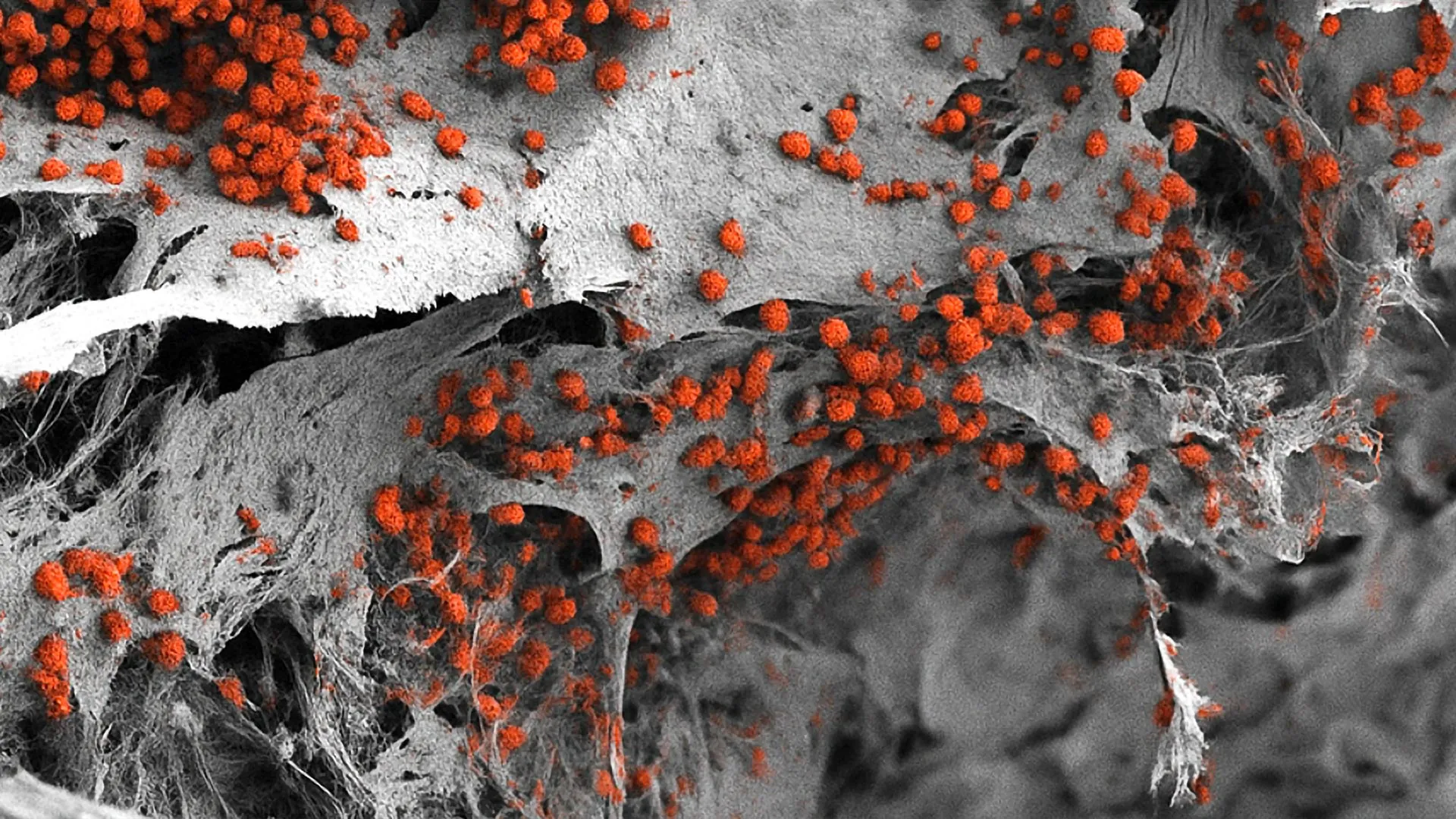
The newly developed device is a masterpiece of microfluidic engineering. It consists of a small plastic chip containing intricately designed chambers. These chambers are not merely containers but are engineered environments filled with a specialized hydrogel that mimics the extracellular matrix of human bone. Within this matrix, the researchers seeded human hematopoietic stem cells (HSCs) alongside the essential support cells they interact with in the body, including endothelial cells, which form blood vessels, and mesenchymal cells, which provide structural support.
The key to the system’s success lies in its adherence to "nature’s recipe." Unlike previous attempts to model marrow, which often involved simply mixing cell types together, the Penn and CHOP team focused on the principles of developmental biology. They designed the environment to trigger "self-organization," a process where the cells naturally arrange themselves into complex structures, much like they do during embryonic development.
This self-assembly results in a dense network of engineered capillary blood vessels that permeate the marrow tissue. As the stem cells differentiate and mature into functional blood cells, they are released into the culture media flowing through these artificial vessels. This mimics the physiological process of "egress," where mature blood cells leave the marrow and enter the general circulation to perform their duties throughout the body.
A Chronology of Innovation: From the ISS to the Lab Bench
The development of the bone marrow-on-a-chip is the culmination of nearly a decade of research that began with an ambitious goal: understanding how space travel affects the human immune system. The project was originally conceived by Dan Huh, a Professor in Bioengineering at Penn Engineering, and G. Scott Worthen, an attending physician at CHOP and Professor Emeritus at PSOM.
Nearly ten years ago, the duo proposed sending a bioengineered model of human bone marrow to the International Space Station (ISS). The motivation was driven by growing evidence that astronauts on prolonged missions experience a significant decline in immune function. The researchers hypothesized that microgravity and the unique radiation environment of space might interfere with the bone marrow’s ability to produce white blood cells.
The timeline of the project, however, was marked by significant technical and global challenges:
- 2014-2018: Initial design and conceptualization of the marrow-on-a-chip for spaceflight.
- 2019: The team prepared their "CubeLab" system—a miniaturized laboratory designed to fit into the ISS—for launch.
- The First Setback: During the ascent of the launch vehicle, the flow controller responsible for maintaining the tissue models short-circuited, rendering the experiment non-functional.
- 2020: A second launch was scheduled, but the onset of the COVID-19 pandemic led to its cancellation and a shift in research priorities.
- 2021-2023: The team pivoted, focusing on refining the technology for terrestrial medical applications, including drug toxicity screening and disease modeling.
- 2024: The successful demonstration of the platform’s capabilities was published in Cell Stem Cell, highlighting its potential for large-scale production and automation.
Supporting Data and Technical Capabilities
The sophistication of the marrow-on-a-chip is evidenced by its ability to model inter-organ communication. In one of the study’s most significant demonstrations, the researchers connected the bone marrow chip to another organ-on-a-chip representing a bacteria-infected lung.
This setup allowed the team to observe the "biochemical crosstalk" that occurs during an infection. When the lung chip detected bacteria, it sent chemical signals to the bone marrow chip. In response, the marrow chip rapidly accelerated the production and release of white blood cells into the engineered bloodstream. These cells then "trafficked" to the infected lung tissue, where they began engulfing and destroying the bacterial cells. This represents the first time such a complex, multi-organ innate immune response has been replicated in an in vitro system.
Furthermore, the platform has shown remarkable longevity. While traditional cell cultures often fail within days, the marrow-on-a-chip can maintain hematopoietic stem and progenitor cells for extended periods. This stability is crucial for studying chronic conditions or the long-term effects of drug exposure.
Implications for Drug Development and Cancer Care
The pharmaceutical industry faces a perennial challenge in drug development: marrow toxicity. Many promising anticancer drugs fail in clinical trials because they prove too toxic to the patient’s bone marrow, leading to life-threatening side effects. Current preclinical testing relies heavily on animal studies, which are not only ethically complex but often provide misleading data due to species-specific differences in hematopoiesis.
The marrow-on-a-chip offers a high-throughput, automated solution. By using human cells, the platform provides a more accurate prediction of how a drug will affect a human patient. Andrei Georgescu, a former doctoral student in Huh’s lab and now CEO of Vivodyne, emphasized the commercial potential of this technology. Vivodyne, a startup co-founded by Huh and Georgescu, aims to utilize this technology to enable rapid screening of thousands of drug compounds, potentially shaving years and millions of dollars off the drug development timeline.
"The design principle we demonstrate is unique," Georgescu noted. "By providing the ‘right’ environment, we allow cells to build themselves into realistic tissues. This automation is what will allow this technology to move from a specialized research tool to a standard part of the drug development pipeline."
Official Responses and Expert Perspectives
The research has drawn praise from across the scientific community for its multidisciplinary approach. Dan Huh, the senior author of the paper, described the system as one of the most sophisticated bioengineered tissue models developed to date.
"We’ve come a long way in terms of our ability to regenerate human tissues in vitro," Huh stated. "I find it truly exciting that we are now able to emulate some of the most essential features of the human marrow and our immune system. This technology will open many doors as we continue to probe the inner workings of human hematopoiesis."
G. Scott Worthen highlighted the clinical implications, particularly for the future of cell-based therapies. "Given the clinical significance of hematopoietic stem cell transplantation for treating various disorders, exploring the utility of our technology for HSC-based cell therapies will be an important goal," Worthen said. The ability to expand a donor’s stem cells within a marrow-on-a-chip could potentially reduce the need for invasive and painful bone marrow harvest procedures.
The Future: Space Travel and Beyond
While the original space-bound experiments were thwarted, the researchers have not abandoned the "extraterrestrial origins" of their work. The platform remains an ideal candidate for future studies on the effects of cosmic radiation and microgravity. As NASA and private space agencies look toward multi-year missions to Mars, understanding how to protect an astronaut’s immune system is paramount. The marrow-on-a-chip could serve as a "biological twin" for astronauts, allowing doctors on Earth to test the effects of radiation in real-time and develop personalized countermeasures.
Back on Earth, the immediate focus remains on clinical applications. The research team is currently looking at how the chip can be used to model blood cancers, such as leukemia, and how it can be utilized to develop better treatments for autoimmune diseases. By providing a window into the "black box" of bone marrow, this bioengineered platform is poised to become a cornerstone of 21st-century medicine, bridging the gap between laboratory research and patient care.
The study was supported by a wide array of prestigious institutions, including the National Institutes of Health, the National Science Foundation, the Paul G. Allen Foundation, and the National Research Foundation of Korea. This broad support underscores the global recognition of the technology’s potential to redefine how we understand human health and treat disease.