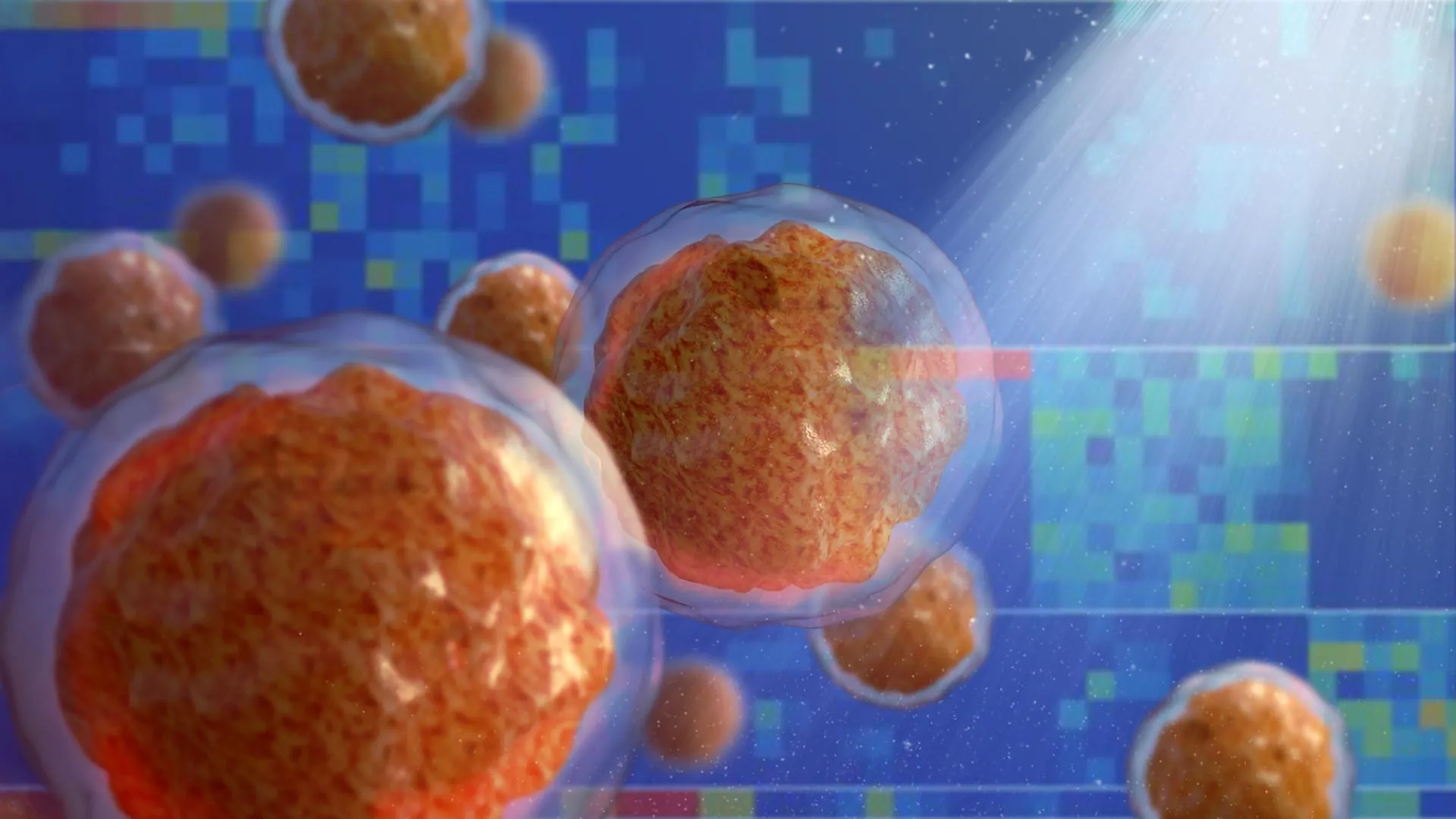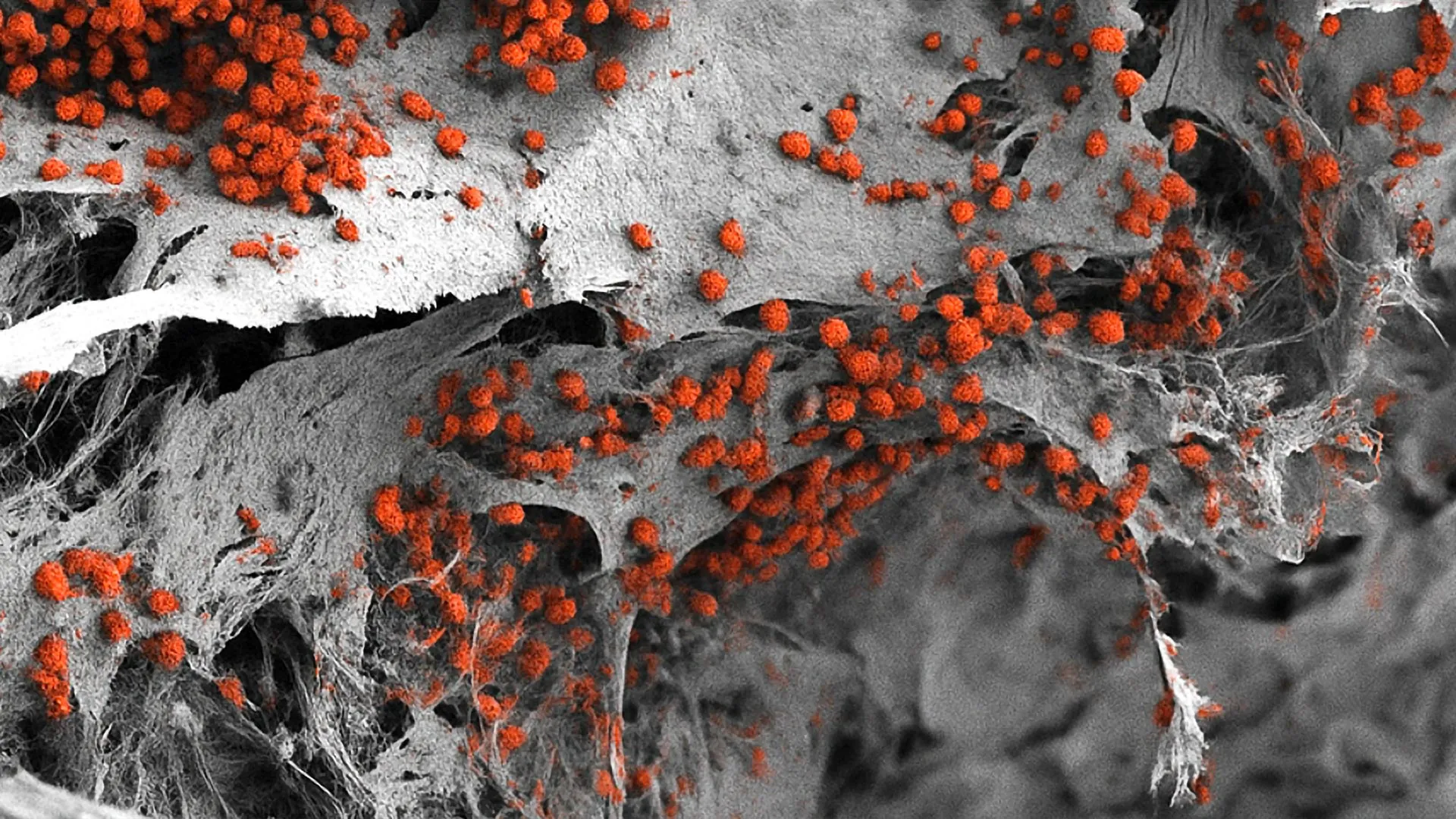
The human bone marrow is one of the most industrious environments in the human body, a cellular factory that generates millions of new blood and immune cells every second. This relentless cycle of renewal is governed by a sophisticated biological infrastructure known as the hematopoietic niche, where hematopoietic stem cells (HSCs) interact with supportive stromal cells and a complex network of signaling molecules. However, new research published in Nature Communications reveals that this vital ecosystem undergoes a profound and "invisible" transformation long before the clinical onset of blood cancers or bone marrow failure. An international team of scientists has identified a specific inflammatory remodeling process that begins in the early stages of aging and clonal evolution, potentially providing a new window for preventive intervention in myeloid malignancies.
The study, led by researchers from the European Molecular Biology Laboratory (EMBL), the University of Basel, and University Medical Center (UMC) Mainz, utilized advanced single-cell technologies to map the molecular landscape of the bone marrow. Their findings suggest that the microenvironment—the "soil" in which blood cells grow—is not merely a passive observer of cancer development but an active driver of the disease. By identifying the transition of healthy mesenchymal stromal cells into a pro-inflammatory state, the research offers a potential explanation for why certain age-related conditions progress into aggressive leukemias.
Understanding the Pre-Malignant Landscape: CHIP and MDS
To understand the significance of this discovery, it is necessary to examine the precursor conditions that often lead to blood cancer. As the human body ages, the bone marrow becomes susceptible to various stressors, including chronic inflammation and somatic mutations. This often results in a condition known as clonal hematopoiesis of indeterminate potential, or CHIP. In individuals with CHIP, a mutated hematopoietic stem cell gains a competitive advantage and begins to expand, creating a "clone" of genetically identical blood cells.
Statistically, CHIP is a common hallmark of aging. It is detected in approximately 10% to 20% of adults over the age of 60, and its prevalence climbs to nearly 30% in those over 80. While most individuals with CHIP remain asymptomatic for years, the condition is far from benign. Clinical data indicates that CHIP increases the risk of developing hematologic malignancies tenfold. Furthermore, it is associated with a twofold increase in the risk of cardiovascular disease and higher rates of all-cause mortality, likely due to the systemic inflammation generated by mutated immune cells.
When the bone marrow’s ability to produce healthy, functional blood cells begins to fail, the condition may progress to myelodysplastic syndrome (MDS). MDS is a group of diverse bone marrow disorders characterized by cytopenia (low blood cell counts) and ineffective hematopoiesis. It affects roughly 20 out of every 100,000 adults over the age of 70. The prognosis for MDS is often grave, as approximately 30% of cases eventually transform into acute myeloid leukemia (AML), a rapid and frequently fatal form of cancer. Despite the known genetic drivers of these conditions, the specific role of the surrounding bone marrow microenvironment in fostering these transitions has remained one of the most significant mysteries in hematology.
A Comprehensive Molecular Map of the Niche
To solve this mystery, the research team, co-led by Judith Zaugg of EMBL and the University of Basel and Borhane Guezguez of UMC Mainz, conducted an exhaustive analysis of human bone marrow samples. These samples were obtained from the BoHemE cohort study, a collaborative effort involving the National Center for Tumor Diseases (NCT) Dresden. The study compared the bone marrow of healthy donors with that of individuals harboring CHIP mutations and patients diagnosed with MDS.
The researchers employed a multi-omic approach, combining single-cell RNA sequencing, high-resolution biopsy imaging, proteomics, and sophisticated co-culture models. This allowed them to visualize the bone marrow at an unprecedented level of detail. The most striking finding was the discovery of a cellular shift that begins during the CHIP stage, well before the patient exhibits any clinical symptoms of disease.
The analysis revealed that the population of healthy mesenchymal stromal cells (MSCs)—which normally provide essential growth factors and structural support to stem cells—gradually disappears. In their place emerges a population of inflammatory stromal cells (iMSCs). These iMSCs represent a fundamental shift in the bone marrow’s architecture. Rather than supporting healthy blood production, these cells begin to secrete high levels of interferon-induced cytokines and chemokines.
The Inflammatory Feed-Forward Loop
The transition from MSCs to iMSCs initiates a self-sustaining cycle of inflammation. The cytokines produced by iMSCs act as molecular beacons, attracting and activating a specific subset of interferon-responsive T cells. These T cells, in turn, release signals that further stimulate the stromal cells to maintain their inflammatory state. This "feed-forward loop" creates a chronically inflamed environment that is hostile to normal hematopoietic stem cells but may provide a selective advantage to mutated, pre-leukemic clones.
One of the most critical disruptions identified by the team involves the signaling molecule CXCL12. In a healthy bone marrow niche, CXCL12 serves as a "homing signal" that directs blood stem cells to settle and remain in the supportive environment of the marrow. The researchers found that in MDS, the stromal cells lose their ability to produce CXCL12. This failure essentially leaves the blood-forming apparatus "homeless," contributing significantly to the bone marrow failure observed in patients.
"It was quite surprising to see the lack of a direct inflammatory effect that we could attribute to the mutant cells," noted Maksim Kholmatov, a co-lead author and EMBL alumnus. To reach this conclusion, the team utilized a specialized computational tool called SpliceUp. This method allowed the researchers to distinguish between mutated and non-mutated cells within the same sample by identifying abnormal RNA-splicing patterns. Their analysis showed that the inflammatory environment was a systemic change in the niche, rather than a localized reaction triggered solely by the mutated stem cells themselves.
Chronology of Disease Progression
The research establishes a clearer timeline for the development of myeloid malignancies, shifting the focus from the moment of diagnosis to the years of remodeling that precede it:
- Healthy Aging: The bone marrow maintains a stable balance of MSCs and HSCs, producing a diverse and functional array of blood cells.
- The Onset of CHIP: Somatic mutations occur in hematopoietic stem cells. While the patient feels healthy, the bone marrow microenvironment begins to shift. iMSCs start to appear, and interferon signaling increases.
- Chronic Remodeling: The inflammatory loop between iMSCs and T cells becomes established. Healthy stromal support declines, and the production of essential signals like CXCL12 begins to drop.
- Progression to MDS: The bone marrow structure is largely replaced by an inflammatory landscape. Hematopoiesis becomes inefficient, leading to anemia and other blood deficiencies.
- Malignant Transformation (AML): The combination of genetic instability in stem cells and a corrupted microenvironment allows for the rapid expansion of leukemic blasts, leading to acute cancer.
Implications for Therapy and Prevention
The discovery that the bone marrow niche is remodeled so early in the disease process has profound implications for the future of hematology. Currently, most treatments for MDS and leukemia focus on eradicating the malignant cells through chemotherapy or targeted inhibitors. However, if the "soil" of the bone marrow remains inflamed and dysfunctional, it may continue to harbor or even encourage the growth of new malignant clones.
The study suggests that anti-inflammatory interventions could become a cornerstone of preventive hematology. By targeting the interferon signaling pathways or the specific cytokines produced by iMSCs, clinicians might be able to stabilize the bone marrow niche in older adults with CHIP, preventing the transition to MDS or AML. Furthermore, the molecular markers identified in the iMSCs and T cells could serve as early-warning biomarkers, allowing doctors to identify which individuals with CHIP are at the highest risk of progression.
"Our findings reveal that the bone marrow microenvironment actively shapes the earliest stages of malignant evolution," stated Borhane Guezguez. He emphasized that as molecular profiling becomes more common, the ability to intercept disease progression years before leukemia develops could save countless lives.
Inflammaging and Systemic Health
Beyond the scope of blood cancers, this research contributes to the growing scientific understanding of "inflammaging"—the phenomenon of low-grade, chronic inflammation that characterizes biological aging. The bone marrow, once viewed primarily as a production site for blood, is now being recognized as a central hub for systemic aging. The inflammatory signals generated in the bone marrow do not remain localized; they circulate throughout the body, contributing to the development of cardiovascular disease, metabolic disorders, and other age-related pathologies.
The study also raises important questions regarding bone marrow transplantation. Judith Zaugg noted that the "memory" of the diseased niche might persist even after a transplant. If a patient receives healthy donor stem cells but the bone marrow environment remains in its inflammatory iMSC state, the new cells may fail to engraft properly or may eventually succumb to the same pressures that caused the original disease. Understanding how to "reset" the niche will be a critical area of future study.
A Collaborative Milestone in Cancer Research
The publication of this study in Nature Communications coincides with a complementary study led by Marc Raaijmakers of the Erasmus MC Cancer Institute, which also examined the MDS bone marrow microenvironment. Together, these two papers provide a comprehensive and unified view of how inflammatory remodeling dictates the early phases of bone marrow disease.
The research was a massive international effort, involving institutions such as the Karolinska Institute, The Jackson Laboratory, and Sorbonne University. Funding was provided by a variety of prestigious organizations, including the European Research Council (ERC), the Swiss National Foundation, and the José Carreras Leukämie-Stiftung. By shifting the focus from the "seed" (the mutated cell) to the "soil" (the microenvironment), this work opens a new frontier in the fight against cancer—one where the goal is not just to treat the disease, but to maintain the environmental integrity of the human body long before the disease can take root.