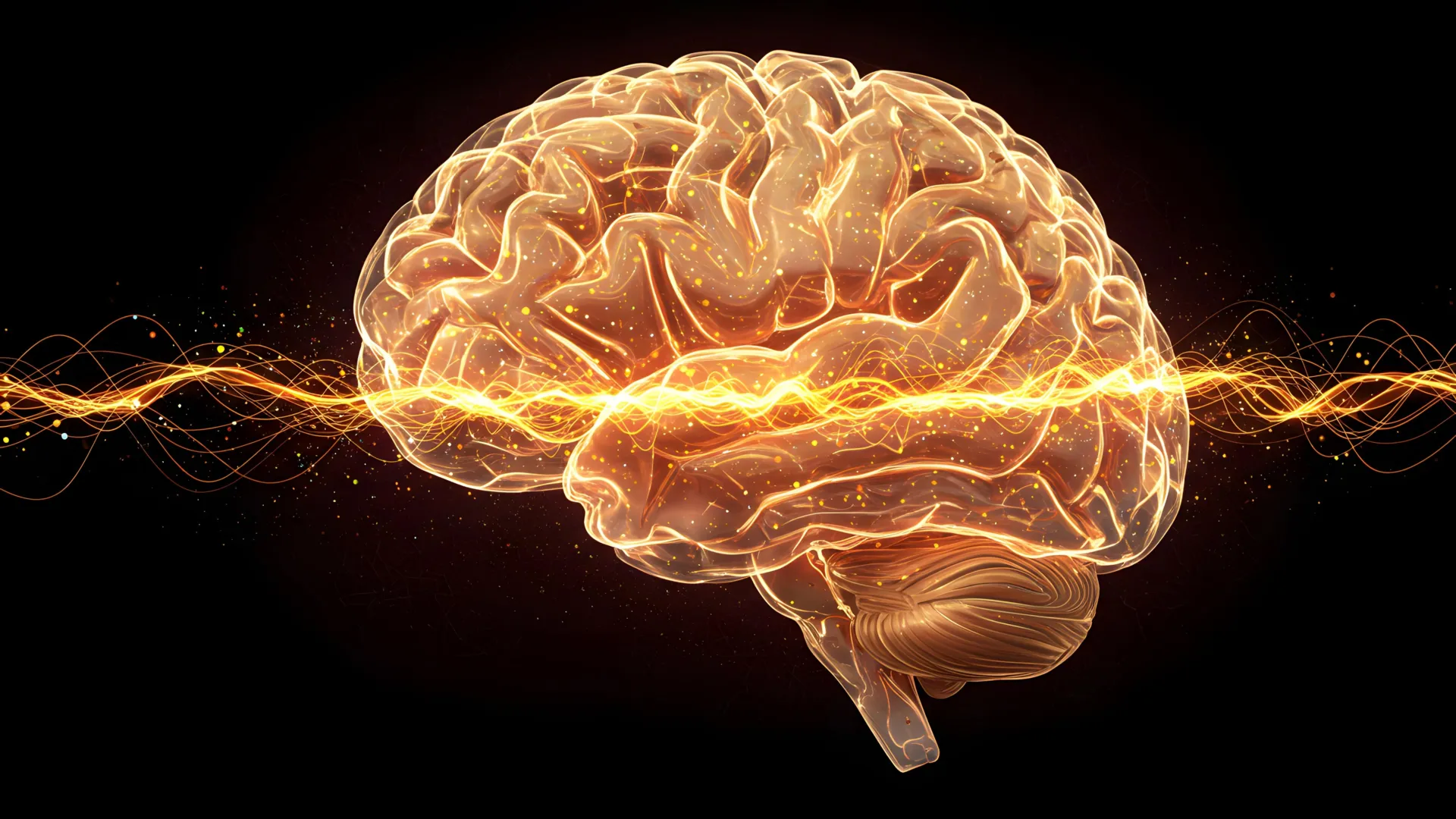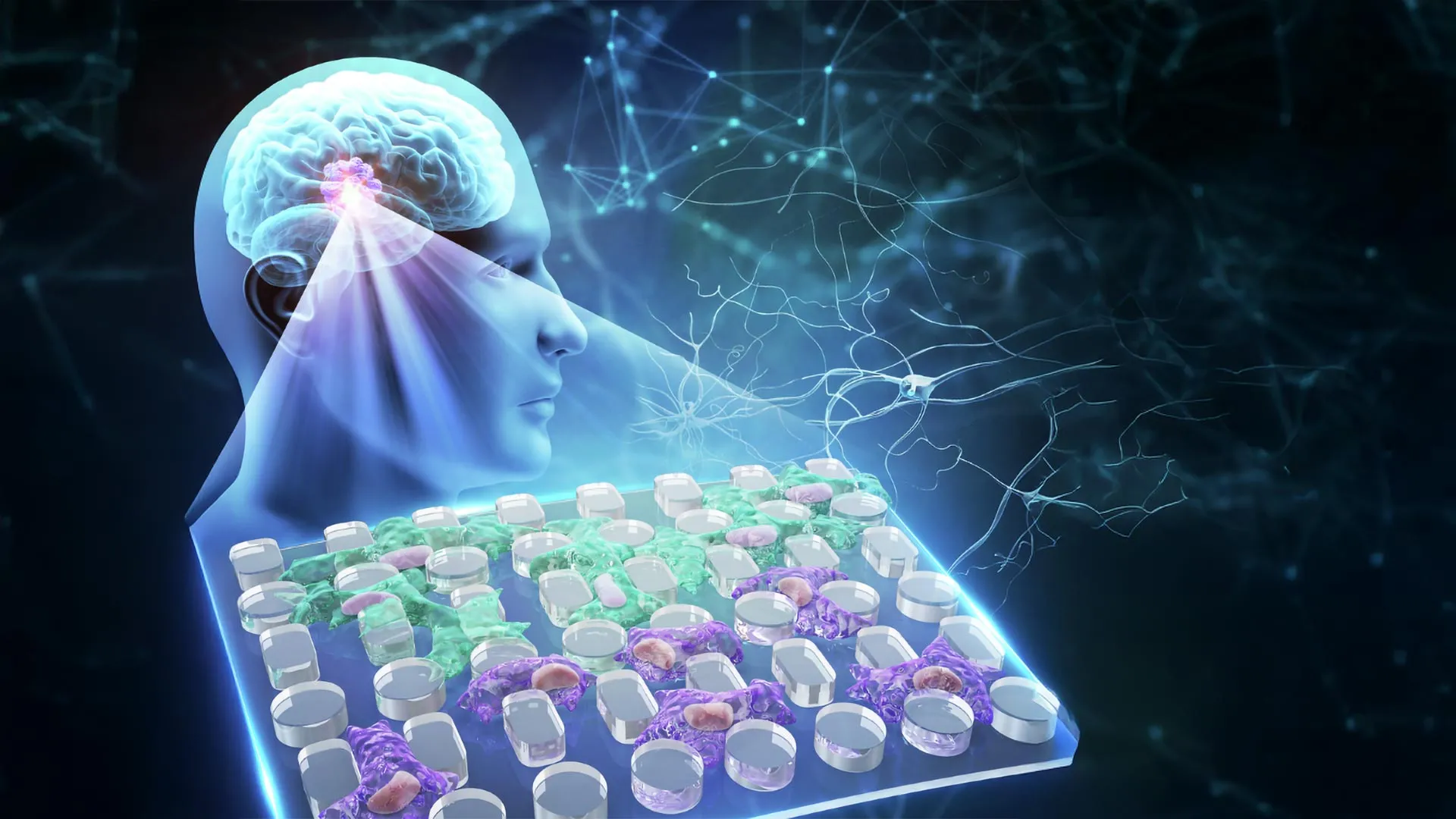
A groundbreaking study published in the Journal of Neuroscience (JNeurosci) has unveiled critical insights into the neurological underpinnings of attention-deficit/hyperactivity disorder (ADHD), suggesting that the condition may be closely linked to "local sleep" occurring during wakefulness. Led by Elaine Pinggal and a team of researchers from Monash University, the study investigates how brief, involuntary bursts of sleep-like brain activity—traditionally reserved for the unconscious hours of the night—intrude upon the waking minds of adults with ADHD. These findings provide a potential biological explanation for the persistent challenges in sustained attention, cognitive consistency, and task performance that characterize the disorder.
By bridging the gap between sleep science and neurodevelopmental research, the Monash University team has identified a mechanism that goes beyond simple "distractibility." Instead, the research suggests that for individuals with ADHD, the brain may be physically slipping into a dormant state for fractions of a second, leading to what researchers call "lapses in attention." This discovery opens new doors for non-pharmacological interventions, particularly those targeting sleep quality and brain-wave regulation.
Understanding the "Local Sleep" Phenomenon
The concept of "local sleep" is a relatively recent development in neuroscience. Traditionally, sleep was viewed as a global, whole-brain state; you were either awake or you were asleep. However, modern research has demonstrated that sleep-like activity, characterized by slow-wave oscillations in the electroencephalogram (EEG), can occur in localized regions of the brain while a person is technically awake and functioning.
These bursts of slow-wave activity are essentially "off-periods" for clusters of neurons. When these neurons switch off during a demanding task, the individual experiences a momentary "blackout" in cognitive processing. While this happens to everyone to some degree—especially when fatigued—the study led by Pinggal suggests that in the ADHD brain, these intrusions are significantly more frequent and disruptive. This phenomenon provides a tangible, measurable link between the subjective feeling of "brain fog" and the objective neurological data of ADHD.
Study Methodology and Comparative Analysis
To investigate the frequency and impact of these sleep-like intrusions, the Monash University researchers conducted a controlled experiment involving 63 adult participants. The cohort was divided into two groups: 32 adults diagnosed with ADHD and 31 neurotypical adults who served as the control group.
A critical component of the study’s design was the requirement for participants with ADHD to cease their regular medication for a designated period before the testing began. This "washout period" ensured that the researchers were observing the brain’s natural state, free from the influence of stimulants or other cognitive enhancers that are commonly used to manage ADHD symptoms.
All participants were tasked with completing a Sustained Attention to Response Task (SART). This task requires individuals to maintain focus over a long period, responding to frequent stimuli while withholding responses to rare targets. During the task, high-density EEG caps were used to monitor the participants’ brain activity in real-time, specifically looking for the presence of slow-wave oscillations that signify sleep-like states.
Key Findings: The Cost of Involuntary Brain "Off-Periods"
The data collected from the EEG recordings revealed a stark contrast between the two groups. Individuals with ADHD exhibited a significantly higher frequency of sleep-like brain activity throughout the duration of the attention task compared to the neurotypical control group.
The study identified several key correlations between these neural bursts and behavioral outcomes:
- Increased Errors: Moments of sleep-like activity were directly correlated with "lapses in attention," leading to a higher rate of both errors of omission (missing a target) and errors of commission (responding when they should have withheld).
- Reaction Time Variability: The researchers found that these brain intrusions contributed to inconsistent reaction times. Participants would alternate between rapid, impulsive responses and significantly delayed ones, a hallmark of the ADHD cognitive profile.
- Subjective Sleepiness: There was a strong correlation between the frequency of these neural bursts and the participants’ self-reported levels of daytime sleepiness. This suggests that the "local sleep" is not just a hidden neurological event but is felt by the individual as a struggle to remain alert.
Pinggal noted that while everyone experiences some degree of sleep-like activity during mentally taxing tasks, the threshold in ADHD is much lower. "Think of going for a long run and getting tired after a while, which makes you pause to take a break," Pinggal explained. "In people with ADHD, this activity occurs more frequently, and our research suggests this may be a key brain mechanism that helps explain why these individuals have more difficulty maintaining consistent attention."
The Chronology of Attention Research in ADHD
The Monash University study is the latest in a long timeline of research attempting to decode the ADHD brain. For decades, the primary focus of ADHD research was on dopamine pathways and the prefrontal cortex’s role in executive function. However, the last ten years have seen a shift toward "network-based" understandings of the disorder.
- 1990s-2000s: Research focused heavily on the "Deficit in Executive Function" model, highlighting the roles of the prefrontal cortex and basal ganglia.
- 2010s: The emergence of the "Default Mode Network" (DMN) theory suggested that ADHD involves an inability to suppress the brain’s internal "daydreaming" network during tasks.
- 2020-Present: Researchers are increasingly looking at the intersection of sleep and wakefulness. The Monash study builds on the "vigilance regulation" model, which posits that ADHD is fundamentally a disorder of brain arousal levels.
This chronological shift highlights a move toward more holistic, physiological explanations for ADHD, moving away from purely behavioral descriptions and toward biological markers that can be targeted for treatment.
Implications for Future Treatment and Auditory Stimulation
One of the most promising aspects of the Monash study is the potential for new, non-invasive treatment modalities. The research draws a parallel between daytime "local sleep" and nighttime sleep quality. Previous studies in neurotypical populations have shown that auditory stimulation—specifically "pink noise" or rhythmic clicks played during the deep stages of sleep—can enhance slow-wave activity at night.
By strengthening the quality of sleep during the night, researchers believe they can "reset" the brain’s need for these intrusions during the day. If the brain receives high-quality, consolidated slow-wave activity during actual sleep, it may be less likely to resort to "local sleep" bursts during wakefulness.
Pinggal and her team are eyeing this as a logical next step. If auditory stimulation during sleep can reduce the frequency of daytime sleep-like activity in ADHD patients, it could offer a breakthrough for those who do not respond well to traditional stimulant medications or who experience significant side effects from them. This "closed-loop" auditory stimulation could potentially be delivered via wearable devices, making it a scalable and accessible option.
The Global Impact of ADHD and the Need for New Solutions
ADHD is one of the most common neurodevelopmental disorders, affecting approximately 2.5% to 4.4% of adults worldwide. Its impact extends far beyond the individual, affecting workplace productivity, educational attainment, and social stability. Adults with ADHD often report higher rates of unemployment, substance abuse, and accidental injury, much of which is attributed to the "lapses in attention" identified in Pinggal’s study.
The findings have garnered reactions from the broader scientific community. Dr. Marcus Thorne, a neurophysiologist not involved in the study, noted that the research "validates the lived experience of millions of adults who feel they are constantly fighting a ‘fog’ that isn’t just boredom, but a physical inability to keep the brain switched on."
From a clinical perspective, these results emphasize the importance of sleep hygiene in the management of ADHD. While stimulants like methylphenidate are effective for many, they can sometimes exacerbate sleep issues, creating a paradoxical cycle where the medication intended to improve focus during the day leads to poorer sleep at night, which in turn triggers more daytime "local sleep."
Conclusion: A New Frontier in Neurodevelopmental Care
The Monash University study marks a significant milestone in our understanding of ADHD. By identifying sleep-like brain activity as a primary driver of attention lapses, Elaine Pinggal and her colleagues have provided a clear neurological target for future therapies.
The research shifts the narrative of ADHD from one of "lack of willpower" or "distractibility" to one of "vigilance regulation." It suggests that the ADHD brain is not necessarily "broken," but is operating on a different arousal spectrum, where the boundaries between sleep and wakefulness are more porous than in the neurotypical brain.
As research moves into the trial phase for auditory stimulation and other sleep-based interventions, the hope is that these insights will lead to more personalized and effective management strategies. For adults living with ADHD, the promise of a future where they can maintain consistent focus without the heavy burden of "local sleep" intrusions represents a major step toward improved quality of life and professional success. The study stands as a testament to the power of interdisciplinary research, proving that sometimes, the key to understanding how we stay awake lies in how we sleep.