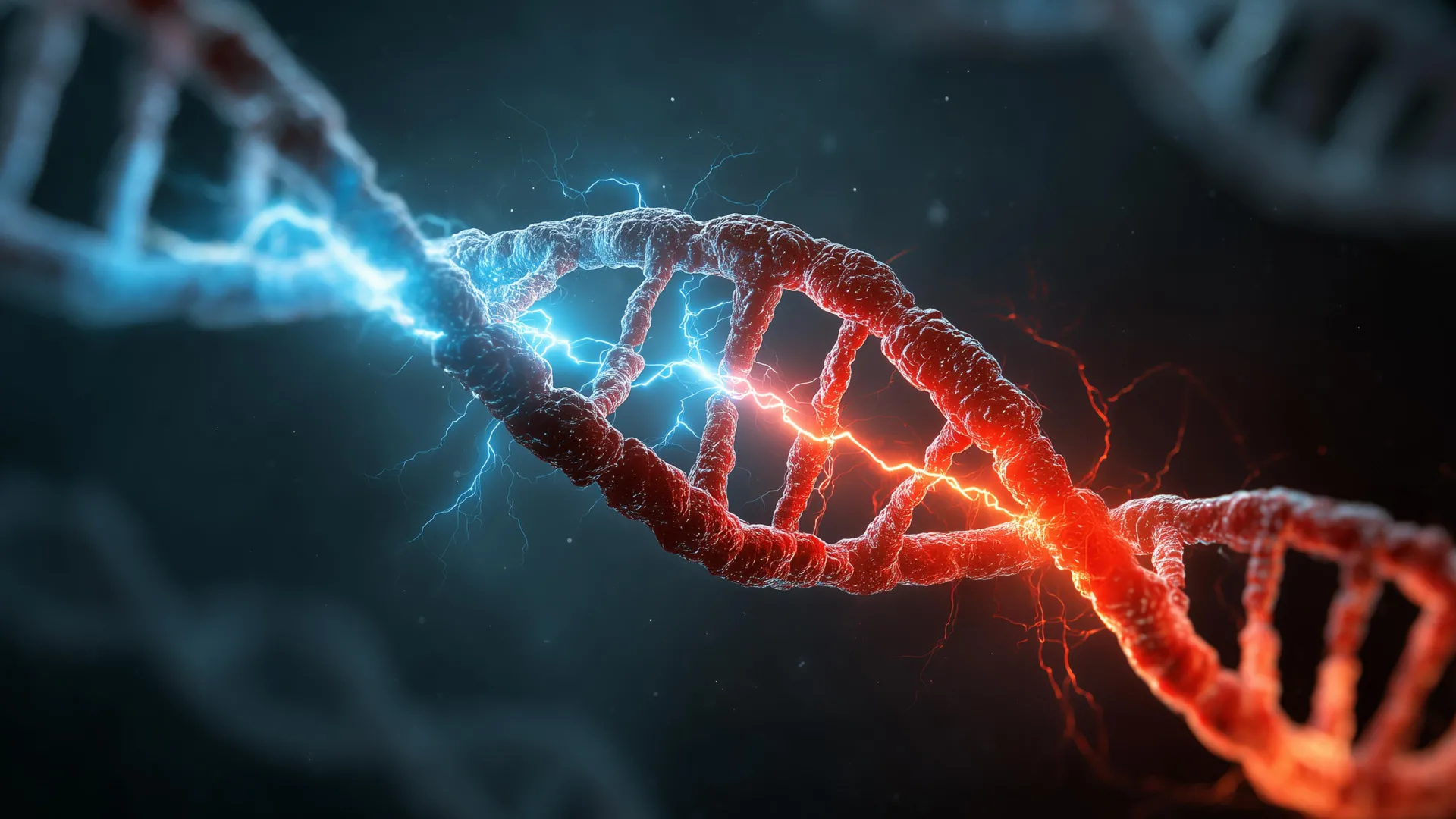
The biological understanding of neurodegenerative diseases and oncological progression has been fundamentally shifted following a landmark study by investigators at the Houston Methodist Research Institute. Scientists have identified that a protein long associated with the pathology of Amyotrophic Lateral Sclerosis (ALS) and Frontotemporal Dementia (FTD)—known as TDP43—serves as a primary regulator of the DNA mismatch repair (MMR) system. This discovery, published in the peer-reviewed journal Nucleic Acids Research, provides a previously unknown link between the mechanisms that cause the brain to wither and those that cause tumors to proliferate, suggesting that the protein acts as a critical pivot point in human health and genomic stability.
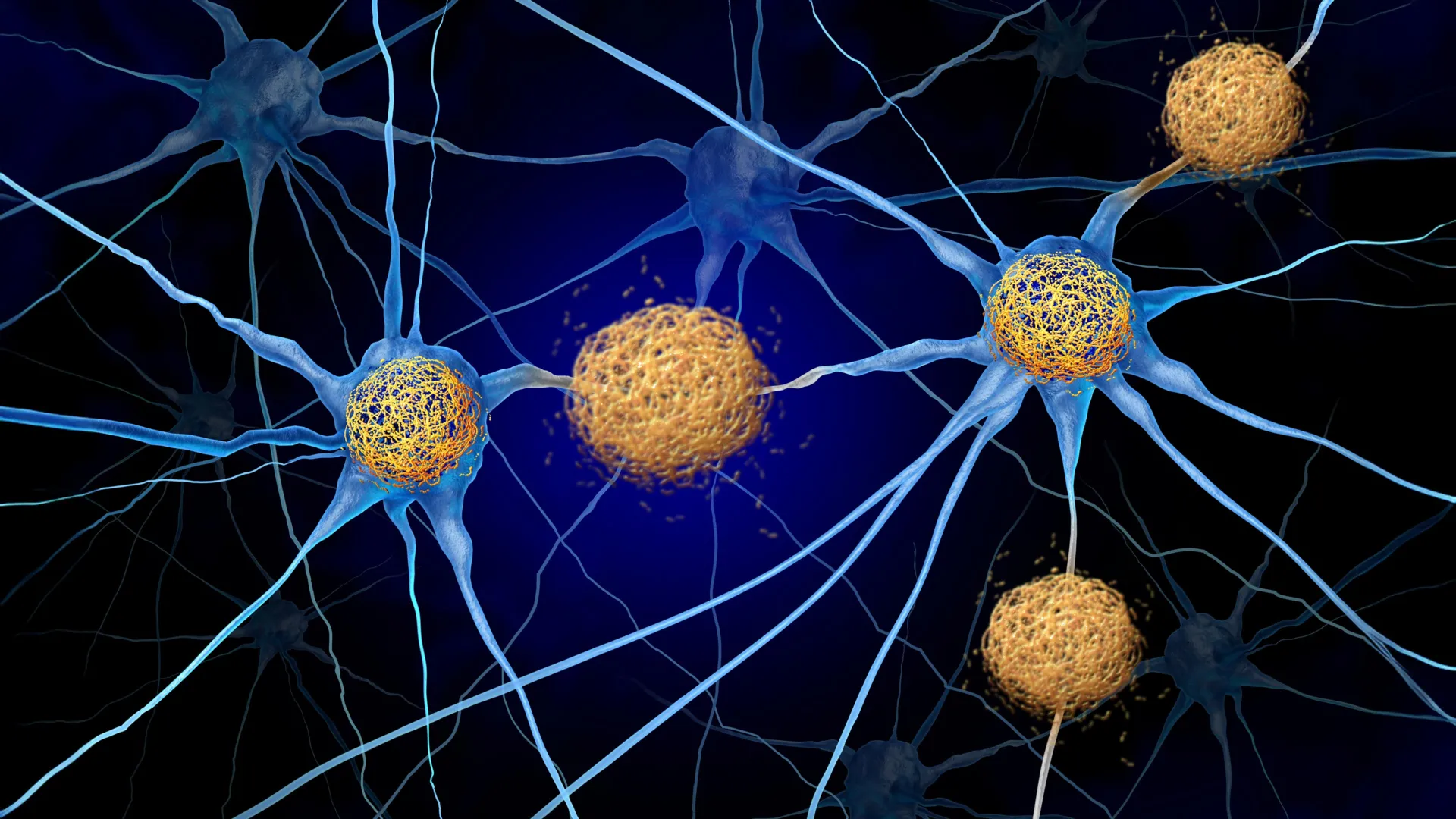
For decades, TDP43 (TAR DNA-binding protein 43) has been recognized as a hallmark of neurodegeneration. In nearly 97% of ALS cases and approximately 50% of FTD cases, this protein is found to be "misfolded" or displaced from the cell nucleus, where it normally resides, into the cytoplasm. However, the exact functional consequences of this displacement—beyond the formation of toxic clumps—have remained one of the most persistent mysteries in molecular biology. The Houston Methodist team has now demonstrated that TDP43 is not merely a passive marker of disease but an active participant in maintaining the integrity of the genetic code.
The Mechanics of DNA Mismatch Repair
To understand the weight of this discovery, one must look at the fundamental nature of DNA mismatch repair. As cells grow and divide, they must replicate their entire genome—a massive library of three billion chemical "letters." Despite the high fidelity of the enzymes responsible for this copying, errors are inevitable. Mismatches, such as a "C" being paired with an "A" instead of a "G," occur naturally during DNA replication.
The MMR system acts as a high-precision cellular spell-checker. It scans the newly synthesized DNA strands, identifies these minor structural errors, and replaces the incorrect base with the right one. When this system fails or becomes dysregulated, the result is genomic instability. In some cases, this leads to the rapid accumulation of mutations that drive cancer. In others, particularly in long-lived cells like neurons, it can trigger programmed cell death or "apoptosis," leading to the characteristic brain atrophy seen in dementia.
The research led by Muralidhar L. Hegde, Ph.D., a professor of neurosurgery at Houston Methodist, reveals that TDP43 is the molecular "volume knob" for this repair machinery. The protein regulates the expression of key genes that compose the MMR pathway. When TDP43 levels fluctuate outside of a narrow, healthy range, the spell-checking process becomes erratic, leading to catastrophic consequences for the cell.
The Neurodegenerative Connection: A Paradox of Activity
In the context of ALS and FTD, the study provides a nuanced view of how protein dysfunction leads to cell death. Traditionally, scientists believed that the loss of TDP43 function in the nucleus simply caused a lack of essential RNA processing. However, the Houston Methodist team found a more complex dynamic: when TDP43 levels are abnormal, the DNA repair genes do not simply shut down; rather, they can become hyperactive.
"DNA repair is one of the most fundamental processes in biology," stated Dr. Hegde. "What we found is that TDP43 is not just another RNA-binding protein involved in splicing, but a critical regulator of mismatch repair machinery. That has major implications for diseases like ALS and frontotemporal dementia where this protein goes awry."
The study indicates that when TDP43 levels drop too low—as happens when the protein is sucked out of the nucleus and into cytoplasmic clumps—or when they rise too high, the MMR genes become "over-expressed." This heightened repair activity is paradoxically destructive. In neurons, which do not divide like other cells in the body, this excessive enzymatic activity can cause unintended damage to the genome, creating a state of chronic cellular stress that eventually kills the neuron. This helps explain why TDP43-related diseases are so aggressive and why the damage to the central nervous system is so profound.
Bridging the Gap to Oncology
Perhaps the most startling aspect of the study is the direct link established between TDP43 and cancer. While TDP43 has been the focus of neurology for twenty years, its role in oncology has been largely under-explored. By leveraging massive genomic databases, including the Cancer Genome Atlas (TCGA), the Houston Methodist researchers analyzed the genetic profiles of thousands of tumor samples across various cancer types.
The data revealed a clear correlation: tumors with high levels of TDP43 expression consistently exhibited a higher "mutational load." In the world of oncology, a high mutational load means the tumor is accumulating genetic changes at a rapid pace, which often makes the cancer more aggressive, harder to treat, and more likely to develop resistance to chemotherapy.
"This tells us that the biology of this protein is broader than just ALS or FTD," Hegde explained. "In cancers, this protein appears to be upregulated and linked to increased mutation load. That puts it at the intersection of two of the most important disease categories of our time: neurodegeneration and cancer."
The analysis suggests that in a cancerous environment, the over-expression of TDP43 may be highjacking the DNA repair system to allow the tumor to survive and evolve. While the overactive repair kills neurons, it may provide a survival advantage to cancer cells, allowing them to withstand the genomic damage that would normally trigger cell death. This "dual-edged sword" nature of TDP43 positions it as a potential universal biomarker for genomic instability.
Research Chronology and Methodology
The discovery was the result of a multi-year effort involving a sophisticated blend of molecular biology, bioinformatics, and experimental neurology. The timeline of the research began with basic observations of how TDP43 interacted with the cell’s nucleus.
- Phase I: Molecular Mapping: The team first identified that TDP43 physically interacts with the promoters of several MMR genes. Using CRISPR/Cas9 technology and RNA interference, they manipulated TDP43 levels in human cell lines to observe the direct effect on DNA repair efficiency.
- Phase II: Functional Validation: Researchers then moved to "complementation assays," where they added back healthy TDP43 to cells that lacked it. They observed that restoring the protein to normal levels could stabilize the MMR system, proving a causal link between the protein and the repair process.
- Phase III: Big Data Analysis: The team expanded the scope to include oncology by analyzing the TCGA database. They compared TDP43 expression levels against the somatic mutation rates in over 30 types of human cancers, finding a statistically significant relationship.
- Phase IV: Therapeutic Modeling: In the final stages, the scientists tested whether the cellular damage could be reversed. By using small molecules to dampen the excessive MMR activity in TDP43-deficient models, they were able to partially rescue the cells from death, providing a "proof of concept" for future drug development.
Institutional Collaboration and Support
The scope of the study required a massive collaborative effort across several top-tier American research institutions. While Houston Methodist served as the primary hub, the team included experts from the MD Anderson Cancer Center, the University of Massachusetts, the University of Texas Southwestern Medical Center, and Binghamton University.
Key collaborators included Vincent Provasek, Suganya Rangaswamy, and Manohar Kodavati from the Houston Methodist Research Institute, alongside specialists like Albino Bacolla and John Tainer from MD Anderson, who provided expertise in structural biology and cancer genetics. The involvement of Issa Yusuf and Zuoshang Xu from the University of Massachusetts brought deep expertise in the mechanics of ALS.
The research was heavily supported by federal and private funding, reflecting its importance to public health. The National Institute of Neurological Disorders and Stroke (NINDS) and the National Institute on Aging (NIA)—both branches of the National Institutes of Health (NIH)—provided the primary financial backing. Additional support came from the Sherman Foundation Parkinson’s Disease Research Challenge Fund and internal grants from the Houston Methodist Research Institute.
Implications for Future Therapeutics
The identification of TDP43 as a regulator of DNA repair opens several new doors for treatment. For patients with ALS and FTD, the current therapeutic landscape is bleak, with most medications only offering a modest slowing of symptom progression. If the "toxic" element of these diseases is indeed an overactive DNA repair system, physicians may one day use "repair inhibitors" to protect neurons from self-destructing.
In the field of oncology, TDP43 could become a target for "synthetic lethality" strategies. If a tumor relies on high levels of TDP43 to manage its mutational burden, a drug that inhibits the protein could potentially cause the cancer cells’ DNA to become so unstable that the tumor collapses. Furthermore, TDP43 levels could serve as a diagnostic tool, helping oncologists predict which patients are likely to have more aggressive disease based on their genomic "spell-checking" status.
Analysis of Broader Scientific Impact
The Houston Methodist study represents a growing trend in modern medicine: the blurring of lines between different disease categories. Traditionally, "neurology" and "oncology" were treated as separate silos. However, this research highlights that at the molecular level, the same proteins are often responsible for maintaining cellular life, and their failure can lead to vastly different clinical outcomes depending on the tissue type.
The "Goldilocks" principle demonstrated here—where too much or too little of a protein is equally dangerous—challenges the "loss-of-function" vs "gain-of-function" debate that has dominated ALS research for two decades. It suggests that the path to a cure lies in "homeostasis"—restoring the delicate balance of protein expression rather than simply turning a gene on or off.
As scientists move forward, the focus will likely shift to clinical trials that target the MMR pathway in TDP43-positive patients. While it will take years for these findings to translate into bedside treatments, the discovery provides a clear roadmap for tackling some of the most complex and devastating diseases known to humanity. By uncovering the role of TDP43 in the DNA repair machinery, the Houston Methodist team has not only solved a piece of the ALS puzzle but has also illuminated a new path for cancer research, proving that the secrets of the brain and the secrets of the tumor may be one and the same.