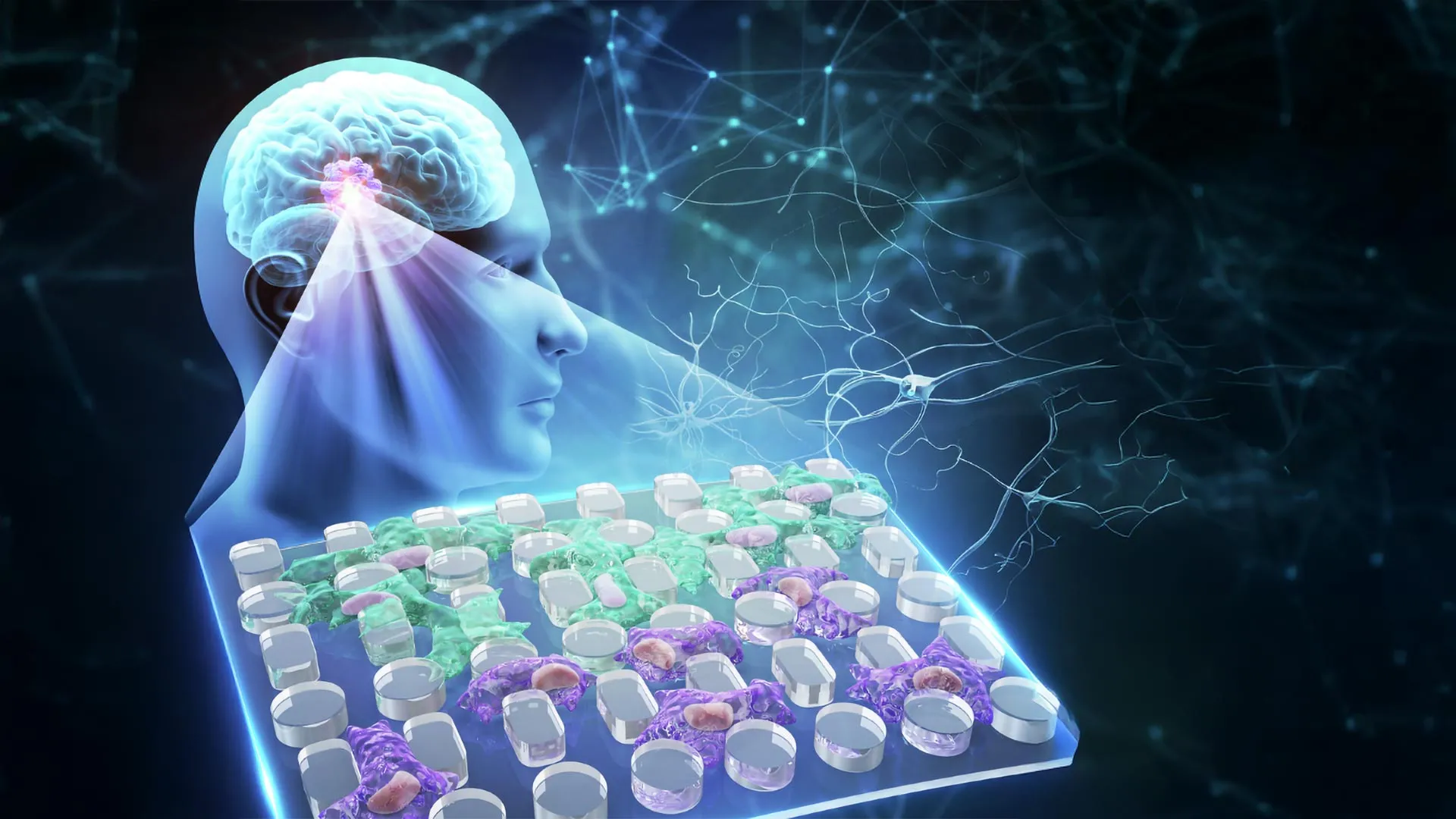
The phenomenon is a familiar one: the sudden and profound loss of appetite that accompanies a severe gastrointestinal illness. While the immediate symptoms of nausea or discomfort are easily understood, the underlying biological mechanism that tells the brain to cease the desire for food has long remained a mystery to the scientific community. This physiological shift is not merely a byproduct of feeling unwell but is a sophisticated, coordinated response between the gut and the nervous system. For millions of individuals globally—particularly those in developing regions where parasitic worm infections are endemic—this loss of appetite can lead to chronic malnutrition, stunted growth, and long-term health complications.
In a landmark study published in the journal Nature on March 25, researchers at the University of California, San Francisco (UCSF) have mapped the specific cellular "circuitry" that allows the gut’s immune system to communicate directly with the brain during an infection. The research identifies an unexpected pathway involving rare gut cells that mimic the behavior of neurons to signal the brain, effectively hijacking the body’s hunger signals as a defensive measure. Led by a team including Nobel laureate David Julius, PhD, and renowned immunologist Richard Locksley, MD, the findings provide a new framework for understanding not only parasitic infections but also a wide array of chronic digestive disorders, including irritable bowel syndrome (IBS) and food intolerances.
The Global Burden of Helminth Infections and Nutritional Impact
To understand the significance of the UCSF discovery, one must consider the scale of parasitic infections. According to data from the World Health Organization (WHO), soil-transmitted helminth infections affect approximately 1.5 billion people worldwide, or nearly 24% of the global population. These parasites, which include roundworms, whipworms, and hookworms, thrive in the human gastrointestinal tract.
While these infections are rarely immediately fatal, their primary morbidity stems from their impact on nutrition. Parasites compete with the host for nutrients, but more significantly, they induce a state of chronic anorexia or suppressed appetite in the host. This leads to a vicious cycle: the host consumes fewer calories and essential vitamins while the immune system exerts massive amounts of energy to fight the infection. In pediatric populations, this frequently results in "stunting"—a failure to reach physical and cognitive developmental milestones. Until now, the medical community viewed this appetite loss as a general, non-specific symptom of being "sick." The UCSF study proves it is a highly specific, evolved biological response.
Mapping the Cellular Players: Tuft Cells and EC Cells
The research focused on the intricate interplay between two highly specialized but rare cell types located in the lining of the intestine: tuft cells and enterochromaffin (EC) cells.
Tuft cells, named for the brush-like bundle of microvilli that protrudes from their surface into the gut lumen, act as the sentinels of the immune system. They are equipped with receptors that "taste" the contents of the gut, searching for chemical signatures of invaders. When a parasite enters the digestive tract, it excretes a metabolic byproduct called succinate. Tuft cells are uniquely tuned to detect succinate, which serves as the "alarm" that an infection has begun.
Once the tuft cells detect the threat, they must communicate this information to the rest of the body. This is where the enterochromaffin (EC) cells come into play. EC cells are the body’s primary producers of serotonin in the gut. While serotonin is famously known as a neurotransmitter in the brain that regulates mood, 90% of the body’s serotonin is actually produced in the gut, where it regulates motility and sends sensory signals to the brain via the vagus nerve.
The missing link in gastrointestinal science was how the tuft cells (the detectors) talked to the EC cells (the signalers). The UCSF team discovered that tuft cells utilize a signaling molecule called acetylcholine to bridge this gap.
A Breakthrough in Molecular Logic
"The question we wanted to answer was not just how the immune system fights parasites, but how it recruits the nervous system to change behavior," said co-senior author David Julius, PhD, professor and chair of Physiology at UCSF. Julius, who received the 2021 Nobel Prize in Physiology or Medicine for his work on how the body senses temperature and touch, noted that the discovery reveals a "very elegant molecular logic."
The study’s first author, Koki Tohara, PhD, a postdoctoral researcher, employed advanced imaging and genetic engineering to observe this communication in real-time. By placing genetically engineered sensor cells adjacent to tuft cells under a microscope, Tohara was able to witness the tuft cells lighting up when exposed to succinate. The surprise was the method of transmission. Tuft cells were releasing acetylcholine—a chemical typically reserved for rapid communication between neurons—but they were doing so through a completely different cellular mechanism than that used by the brain.
Once the acetylcholine reaches the nearby EC cells, it triggers a massive release of serotonin. This serotonin then binds to receptors on the vagal nerve fibers, which act as a high-speed data cable running directly from the gut to the brain’s centers for nausea and satiety.
The Chronology of Infection: Why Appetite Loss is Delayed
One of the most perplexing aspects of parasitic infections is the timeline of symptoms. Patients often feel relatively normal during the initial days of an infection, with appetite suppression only setting in once the parasite has become established. The UCSF study provides a chronological explanation for this delay.
The researchers discovered that tuft cell signaling occurs in two distinct phases:
- The Acute Phase: Upon the very first contact with a parasite, tuft cells release a small, brief burst of acetylcholine. This initial signal is often too weak to trigger a full-scale behavioral change in the host, acting more as a preliminary "alert" for the local immune system.
- The Sustained Phase: As the infection progresses, the immune system responds by producing more tuft cells—a process called hyperplasia. As the number of tuft cells increases, they begin a slower, sustained, and much more powerful release of acetylcholine.
This secondary, prolonged release is what finally overcomes the threshold required to activate the EC cells and the vagus nerve. "The gut is essentially waiting to confirm that the threat is real and persistent before it tells the brain to change your behavior," Julius explained. This delay prevents the body from overreacting to every minor, transient substance that passes through the digestive tract, ensuring that the "off switch" for eating is only flipped when a genuine threat is present.
Experimental Validation and Behavioral Data
To confirm that this pathway was responsible for the behavioral changes seen in living organisms, the team conducted controlled experiments using mouse models. They compared two groups of mice: one with normal tuft cell function and another that was genetically modified to be unable to produce acetylcholine in their tuft cells.
When both groups were infected with parasitic worms, the results were definitive. The normal mice showed a significant and measurable decrease in food intake as the parasite load increased, mirroring the sickness behavior seen in humans. However, the mice lacking the acetylcholine signal continued to eat at normal levels, despite being infected. This confirmed that the tuft-cell-to-brain circuit is the primary driver of appetite loss during these infections.
Broader Implications: IBS, Food Intolerances, and Chronic Pain
The implications of this discovery extend far beyond the treatment of tropical parasites. The researchers believe that this newly identified signaling pathway may be hyperactive or "misfiring" in individuals with chronic gastrointestinal disorders.
In conditions like Irritable Bowel Syndrome (IBS) or certain food intolerances, patients often suffer from chronic nausea, abdominal pain, and a lack of appetite without an active infection. It is possible that in these patients, the tuft cells are overly sensitive or are stuck in the "sustained release" phase, constantly signaling the brain that a threat is present.
"Controlling the outputs of tuft cells could be a way to control some of the physiologic responses associated with these infections," said co-senior author Richard Locksley, MD. He noted that tuft cells are not exclusive to the gut; they are found in the respiratory tract, the gallbladder, and even the reproductive system. This suggests that similar "immune-to-brain" circuits may exist in other parts of the body, potentially influencing how we experience symptoms of asthma or chronic inflammation.
Future Research and Clinical Potential
The collaboration between UCSF and Stuart Brierly, PhD, at the University of Adelaide, has opened a new frontier in "neuro-immunology." Future research will likely focus on developing pharmacological agents that can modulate this pathway. For patients suffering from wasting diseases or extreme malnutrition due to parasites, a drug that blocks the tuft cell’s acetylcholine release could help maintain their appetite and strength during treatment. Conversely, for conditions characterized by overactive gut signaling, such as chronic visceral pain, targeting this circuit could provide a new avenue for relief without the need for systemic opioids or heavy psychiatric medications.
By identifying the "molecular logic" of how the gut talks to the brain, the UCSF team has transformed our understanding of sickness behavior from a vague symptom into a precise biological process, paving the way for targeted therapies that could improve the lives of millions living with chronic gut-related illnesses.