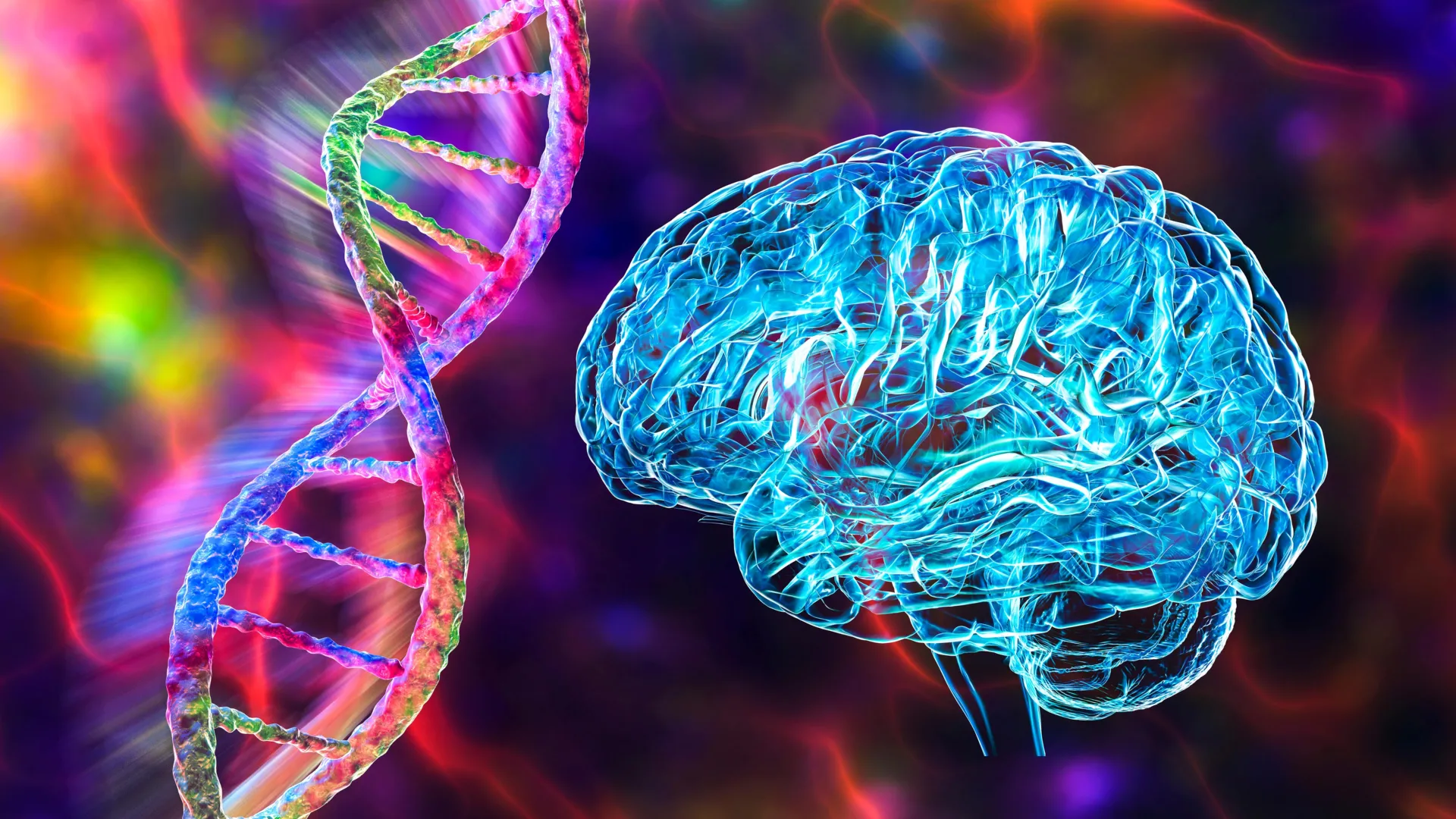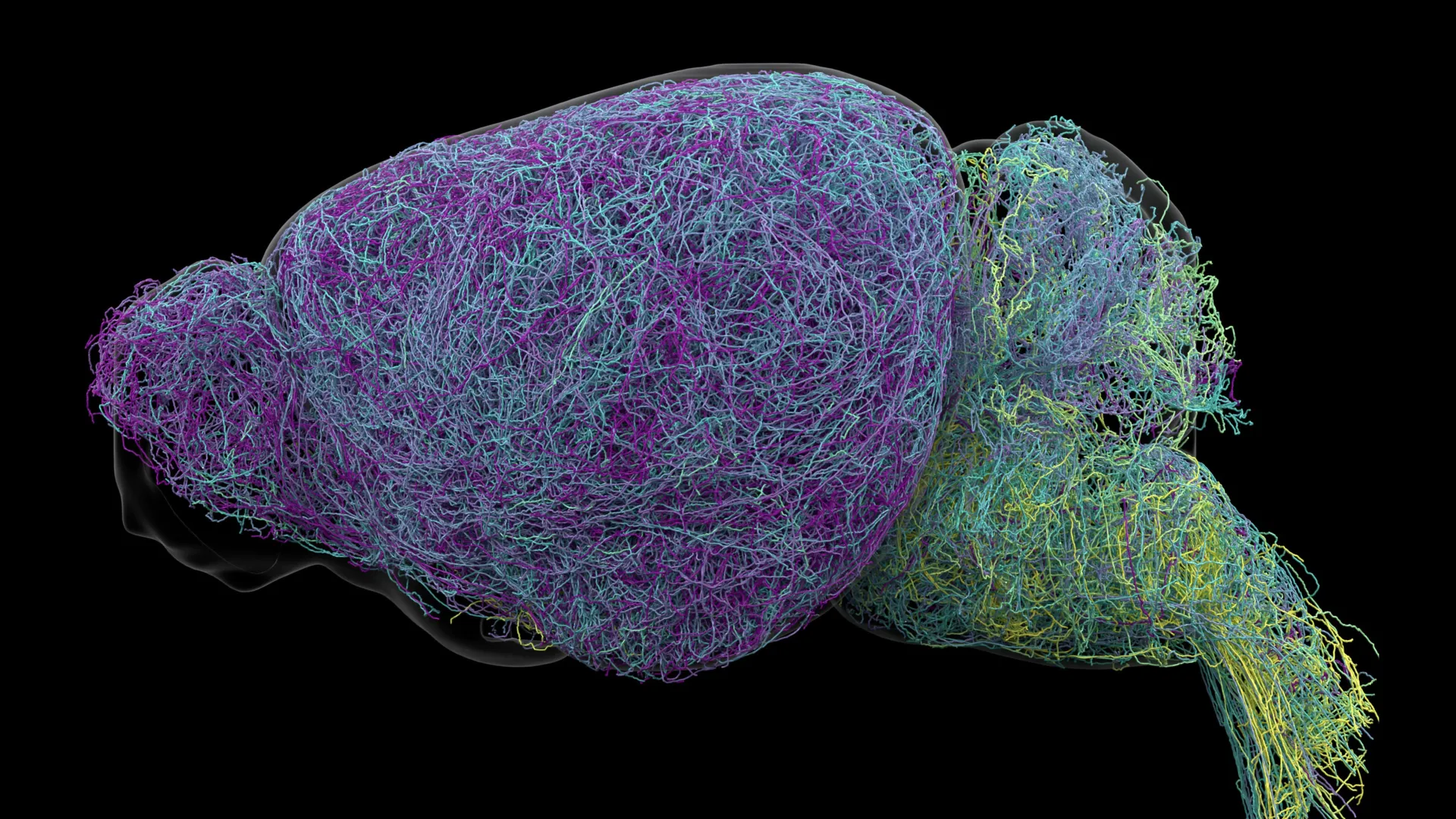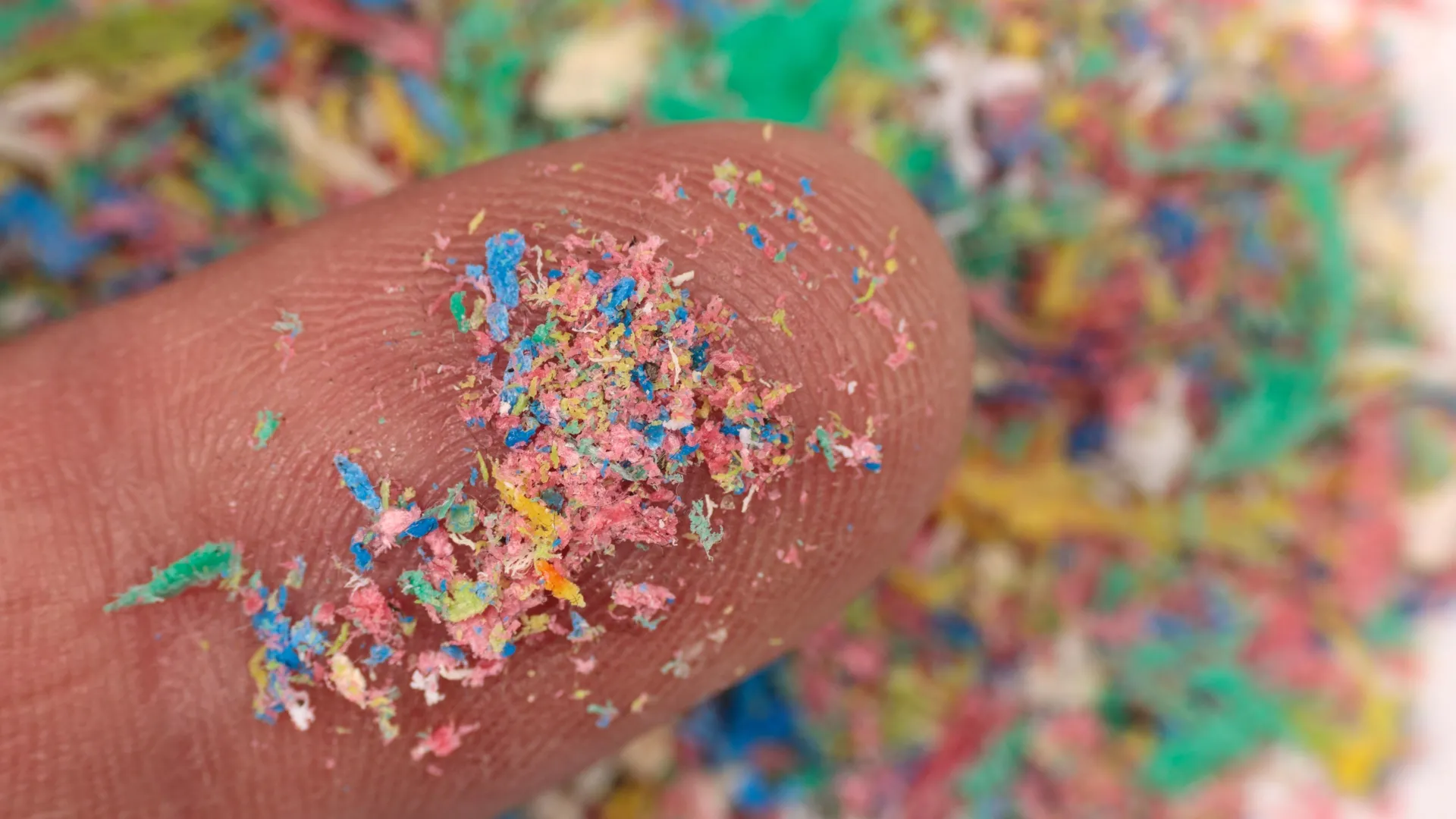
The pervasive presence of microplastics in the global environment has long been a concern for marine biologists and ecologists, but a landmark systematic review has now shifted the focus toward a more immediate threat to human health: the potential for these microscopic particles to trigger or accelerate neurodegenerative diseases such as Alzheimer’s and Parkinson’s. Research led by an international coalition of scientists from the University of Technology Sydney (UTS) and Auburn University in the United States suggests that the sheer volume of plastic humans consume and inhale may be fundamentally altering brain chemistry. By identifying five specific biological pathways through which microplastics infiltrate and damage the central nervous system, the study provides a harrowing look at how the "Plastic Age" may be contributing to the global surge in cognitive decline.
The Scale of Human Exposure and the Global Dementia Crisis
Dementia is currently one of the most significant challenges facing global healthcare systems, with more than 57 million people living with the condition today. Projections suggest this number will triple by 2050 as populations age. While genetics and lifestyle factors like diet and exercise have traditionally been the focus of Alzheimer’s and Parkinson’s research, the environmental "exposome"—the sum of environmental exposures throughout a lifetime—is increasingly coming under scrutiny.
Associate Professor Kamal Dua, a pharmaceutical scientist at UTS, has provided a startling estimate of the average person’s exposure to these pollutants. His research indicates that the average adult consumes approximately 250 grams of microplastics annually. To put this in perspective, that is the equivalent weight of a standard dinner plate, or roughly 5 grams of plastic per week—the weight of a credit card—ingested through food, water, and the air we breathe.
The sources of this contamination are nearly impossible to avoid in modern life. Microplastics, defined as plastic fragments smaller than five millimeters, have been detected in salt, honey, processed meats, and seafood. Furthermore, everyday household items are significant contributors. Plastic tea bags, when steeped in hot water, can release billions of microparticles into a single cup. Plastic cutting boards, synthetic carpets, and the simple act of opening a plastic bottle or wearing a polyester shirt contribute to a constant "rain" of plastic fibers and fragments that enter the human body.
The Systematic Review: Five Pathways to Brain Damage
The study, published in the journal Molecular and Cellular Biochemistry, is the result of a rigorous systematic review of existing toxicological and neurological data. The research team, led by UTS Master of Pharmacy student Alexander Chi Wang Siu in collaboration with Professor Murali Dhanasekaran of Auburn University, identified a multi-pronged attack that microplastics launch against brain tissue.
1. Disruption of the Blood-Brain Barrier (BBB)
The blood-brain barrier is a highly selective semipermeable border of endothelial cells that prevents solutes in the circulating blood from non-selectively crossing into the extracellular fluid of the central nervous system. It is the brain’s primary defense mechanism against toxins and pathogens. The research indicates that microplastics can physically and chemically weaken this barrier. Once the BBB becomes "leaky," it allows not only the plastic particles themselves but also other circulating inflammatory molecules and environmental toxins to enter the brain, creating a cycle of escalating damage.
2. Activation of Neuroinflammation
The human immune system is evolved to identify and neutralize foreign invaders. When microplastics breach the brain’s defenses, they are recognized as "non-self" entities. This triggers the activation of microglia—the resident immune cells of the brain. While microglial activation is a necessary part of the healing process, chronic activation caused by the permanent presence of non-biodegradable plastic leads to a state of persistent neuroinflammation. This chronic inflammation is a well-documented precursor to the neuronal death seen in Alzheimer’s patients.
3. Induction of Oxidative Stress
Oxidative stress occurs when there is an imbalance between the production of reactive oxygen species (ROS) and the body’s ability to detoxify them with antioxidants. Microplastics drive this imbalance in two ways: they directly stimulate the production of ROS and simultaneously deplete the brain’s natural antioxidant reserves. This chemical stress damages cellular proteins, lipids, and DNA, leading to a loss of cellular integrity.
4. Mitochondrial Interference and Energy Depletion
Mitochondria are the "powerhouses" of the cell, responsible for producing adenosine triphosphate (ATP), the chemical energy required for all cellular functions. Neurons are particularly energy-hungry cells. The UTS-Auburn study found that microplastics interfere with mitochondrial membrane potential, effectively "throttling" the energy supply to brain cells. Without sufficient ATP, neurons cannot maintain the electrical gradients necessary for communication, leading to cognitive lag and, eventually, cell death.
5. Direct Neuronal Damage and Protein Aggregation
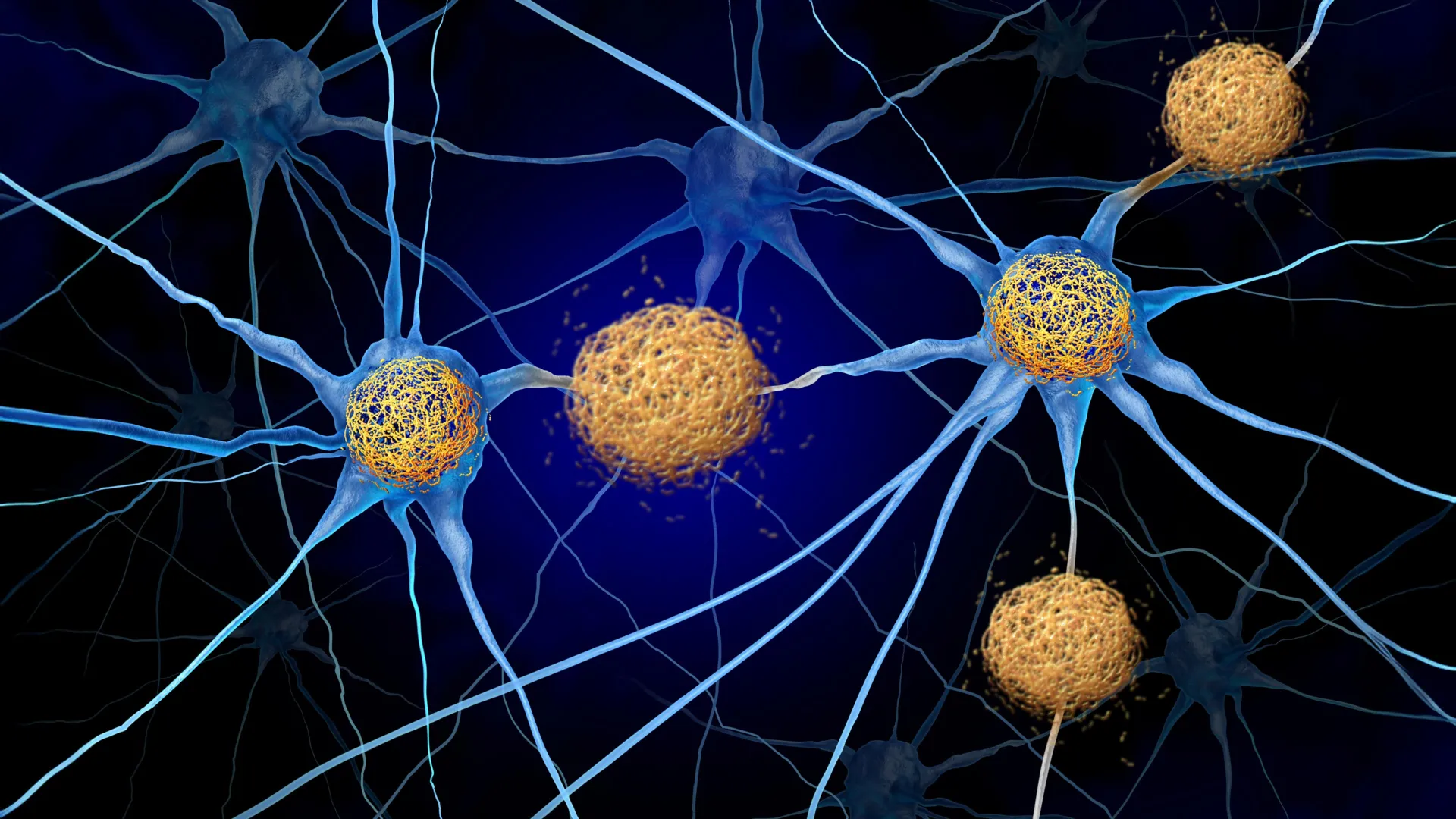
Finally, the study highlights how microplastics interact with the physical structure of neurons. In the context of Alzheimer’s disease, microplastics may act as a scaffold or catalyst for the buildup of beta-amyloid plaques and tau protein tangles. In Parkinson’s disease, the presence of these particles appears to encourage the aggregation of alpha-synuclein, a protein whose misfolding is a hallmark of the disease, and specifically targets dopaminergic neurons in the substantia nigra.
Chronology of Research: From Lungs to the Brain
The current study represents a significant leap in a broader research timeline established by the University of Technology Sydney. Earlier research conducted by the same team, including contributions from Dr. Keshav Raj Paudel and Distinguished Professor Brian Oliver, focused on the respiratory impact of microplastics. Those studies demonstrated how microplastics are inhaled and how they settle deep within the lung tissue, leading to localized inflammation and potential systemic entry through the alveolar-capillary membrane.
The transition from respiratory studies to neurology was prompted by the discovery of microplastics in human blood and various internal organs in separate international studies over the last three years. Recognizing that what is in the blood eventually interacts with the brain, the UTS team sought to synthesize the global understanding of how these particles might bypass the body’s most secure biological "vault."
Supporting Data: The Chemical Composition of Risk
The risk is not merely physical; it is also chemical. Common plastics identified in the study include:
- Polyethylene (PE): Found in plastic bags and bottles; the most common plastic in the world.
- Polypropylene (PP): Used in food packaging and automotive parts.
- Polystyrene (PS): Used in styrofoam and disposable cutlery.
- Polyethylene Terephthalate (PET): Found in beverage bottles and synthetic clothing.
These plastics often contain additives such as bisphenols (BPA) and phthalates, which are known endocrine disruptors. When microplastics degrade in the body, these chemicals are released, potentially adding a layer of hormonal interference to the physical damage caused by the fragments.
Official Responses and Public Health Implications
While the scientific community has reacted with caution, there is a growing consensus that environmental policy must catch up with the emerging toxicological data. Public health experts suggest that if a direct causal link is further solidified through longitudinal human studies, the "microplastic factor" could be classified alongside air pollution and heavy metal exposure as a primary environmental risk for neurodegeneration.
Dr. Keshav Raj Paudel, a visiting scholar at the UTS Faculty of Engineering, emphasizes that while the research is ongoing, the precautionary principle should apply. "The findings are a call to action for both individuals and policymakers," Dr. Paudel noted. "We are seeing that the body treats these particles as persistent threats, and the brain, with its limited regenerative capacity, is particularly vulnerable."
Environmental advocacy groups have pointed to this study as evidence for the necessity of the United Nations’ Global Plastic Treaty, which aims to create a legally binding agreement to end plastic pollution. They argue that waste management alone is insufficient; the production of virgin plastics must be curtailed to reduce the "bio-burden" on the human population.
Practical Mitigation: Reducing Daily Exposure
In the absence of immediate large-scale policy changes, the researchers recommend practical lifestyle adjustments to lower the "plastic load" on the body. These include:
- Replacing Kitchenware: Moving away from plastic cutting boards, which release millions of particles during slicing, and opting for wood or glass.
- Dietary Choices: Reducing the consumption of highly processed and packaged foods and avoiding the use of plastic containers in microwaves, as heat accelerates the leaching of microplastics.
- Textile Awareness: Choosing natural fibers like cotton, wool, or silk over synthetic polyesters, which shed fibers during wear and washing.
- Laundry Habits: Avoiding the use of clothes dryers, which can disperse microplastic fibers into the household air, or using specialized filters in washing machines.
Future Outlook: The Need for Longitudinal Studies
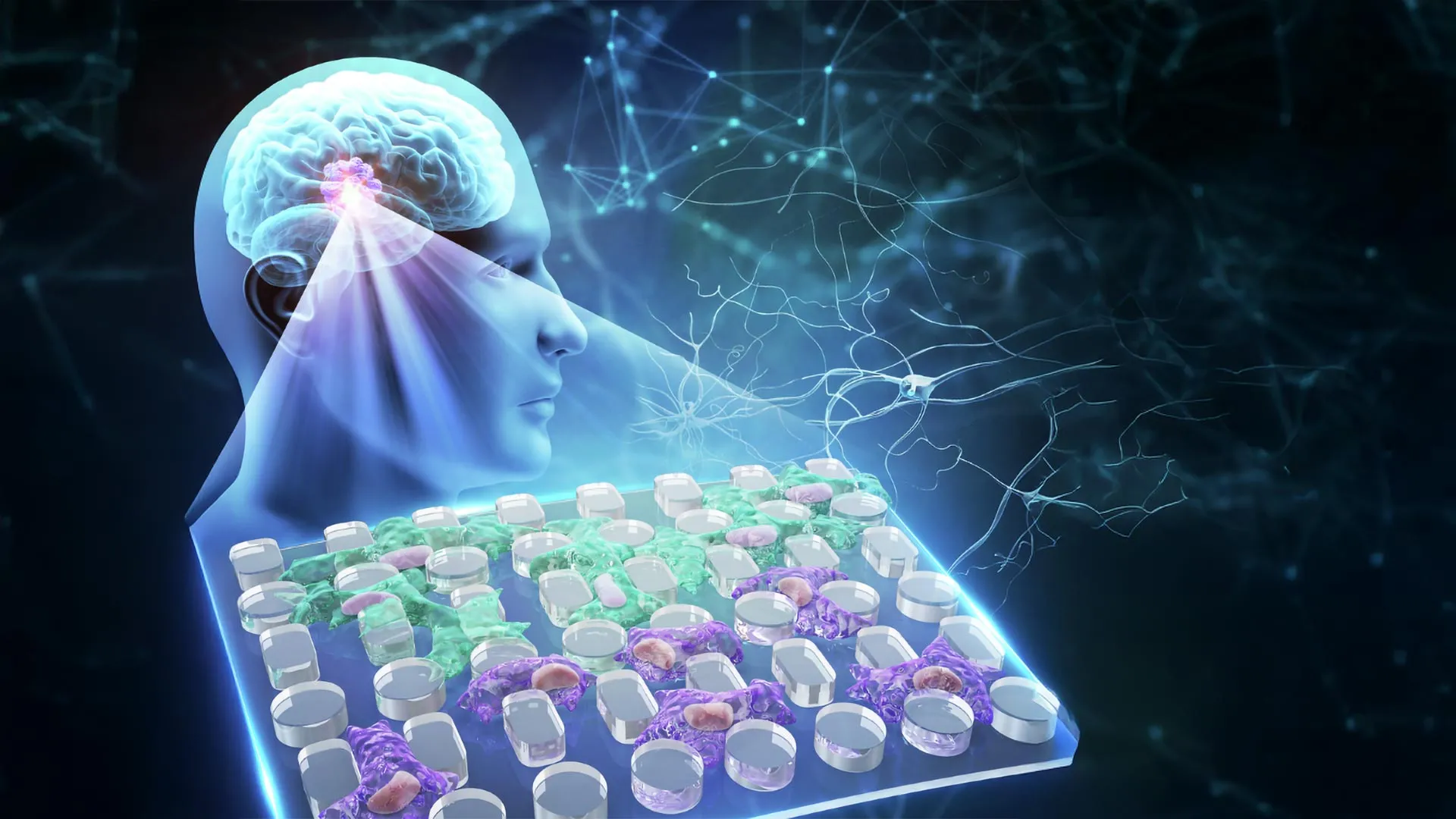
The UTS and Auburn University team is currently moving into the next phase of their research. First author Alexander Chi Wang Siu is working in Professor Murali Dhanasekaran’s lab to observe the real-time effects of microplastics on live brain cell cultures. The goal is to determine the exact concentrations at which these biological pathways become overwhelmed.
As the scientific community continues to peel back the layers of this environmental crisis, the message is clear: the ubiquity of plastic is no longer just an aesthetic or ecological problem. It is a biological one. The potential for microplastics to exacerbate the global burden of Alzheimer’s and Parkinson’s suggests that the true cost of plastic convenience may be measured in the loss of human cognitive health. Further interdisciplinary research will be vital in determining whether the damage already done is reversible, or if we must prepare for a future where neurodegenerative conditions are an unavoidable consequence of our plastic-dependent civilization.