A comprehensive study led by researchers at UCLA Health has established a definitive link between long-term residential exposure to the pesticide chlorpyrifos and a substantially elevated risk of developing Parkinson’s disease. The research, published in the peer-reviewed journal Molecular Neurodegeneration, indicates that individuals living in areas characterized by ongoing exposure to this specific chemical are more than 2.5 times more likely to develop the progressive neurological disorder than those with minimal exposure. By integrating large-scale epidemiological data with sophisticated laboratory modeling in animal subjects, the study provides a robust biological framework that explains how the pesticide directly contributes to the death of vital dopamine-producing neurons in the brain.
The findings represent a significant milestone in the field of environmental neurology, shifting the focus from broad categories of chemicals to specific agents that may be responsible for the rising global prevalence of Parkinson’s disease. While the connection between agricultural chemicals and neurodegeneration has been theorized for decades, this UCLA-led effort identifies the precise cellular mechanisms—specifically the disruption of cellular waste management systems—that allow chlorpyrifos to exert its toxic effects on the human nervous system.
The Growing Burden of Parkinson’s Disease and Environmental Risk Factors
Parkinson’s disease currently affects nearly one million people in the United States, a number that is projected to rise as the population ages. It is a progressive condition characterized by the loss of motor control, leading to tremors, muscle rigidity, bradykinesia (slowness of movement), and postural instability. For decades, the scientific community focused primarily on genetic predispositions as the primary cause of the disease. However, genetic factors are believed to account for only about 10% to 15% of cases. This realization has spurred a massive effort to identify environmental triggers that could explain the remaining 85% to 90% of diagnoses.
Among environmental factors, pesticides have long been a primary suspect. The UCLA study focuses on chlorpyrifos, an organophosphate insecticide first registered in 1965. For much of the late 20th century, it was one of the most widely used pesticides in the world, applied to everything from corn and cotton fields to golf courses and residential lawns. While its residential use was banned in the United States in 2001 due to concerns regarding neurodevelopmental risks in children, it remained a staple of industrial agriculture for another two decades.
A Chronology of Chlorpyrifos Regulation and Scientific Inquiry
The journey toward understanding the dangers of chlorpyrifos has been marked by regulatory shifts and evolving scientific consensus. In 2021, the U.S. Environmental Protection Agency (EPA) announced it would stop the use of chlorpyrifos on all food crops, citing its inability to guarantee that the chemical’s residues were safe. However, this decision faced significant legal challenges from agricultural groups, and in late 2023, a federal appeals court vacated the EPA’s ban, leading to a complex regulatory landscape where the chemical remains in use for certain applications.
The UCLA study arrives at a critical juncture in this debate. By providing clear evidence of a causal link to Parkinson’s, the research adds significant weight to the argument for more stringent global restrictions. The study utilized data from the UCLA Parkinson’s Environment and Genes (PEG) study, a long-running research initiative that has tracked hundreds of residents in California’s Central Valley—an area known for its intensive agricultural activity and high pesticide usage.
Methodology: Combining Human Epidemiology with Laboratory Models
To reach their conclusions, the research team employed a dual-track methodology that bridged the gap between human observation and biological experimentation. The epidemiological portion of the study involved 829 individuals diagnosed with Parkinson’s disease and a control group of 824 individuals without the condition.
To determine exposure levels, the researchers utilized California’s Pesticide Use Reporting (PUR) database, which is considered one of the most comprehensive in the world. By cross-referencing these records with the historical home and workplace addresses of the participants, the team was able to reconstruct a detailed timeline of chlorpyrifos exposure for each individual spanning several decades. This "spatial-temporal" approach allowed for a high degree of accuracy in estimating how much pesticide each person likely inhaled or absorbed over time.
The second phase of the study sought to replicate these findings in a controlled environment. Researchers exposed mice to aerosolized chlorpyrifos for 11 weeks. The method of administration—inhalation—was specifically chosen to mimic the most common route of exposure for people living near treated agricultural fields. Additionally, the team utilized zebrafish models, which are often used in genetic and toxicological research because their biological pathways are remarkably similar to those found in humans.
Biological Evidence: The Destruction of Dopamine Neurons
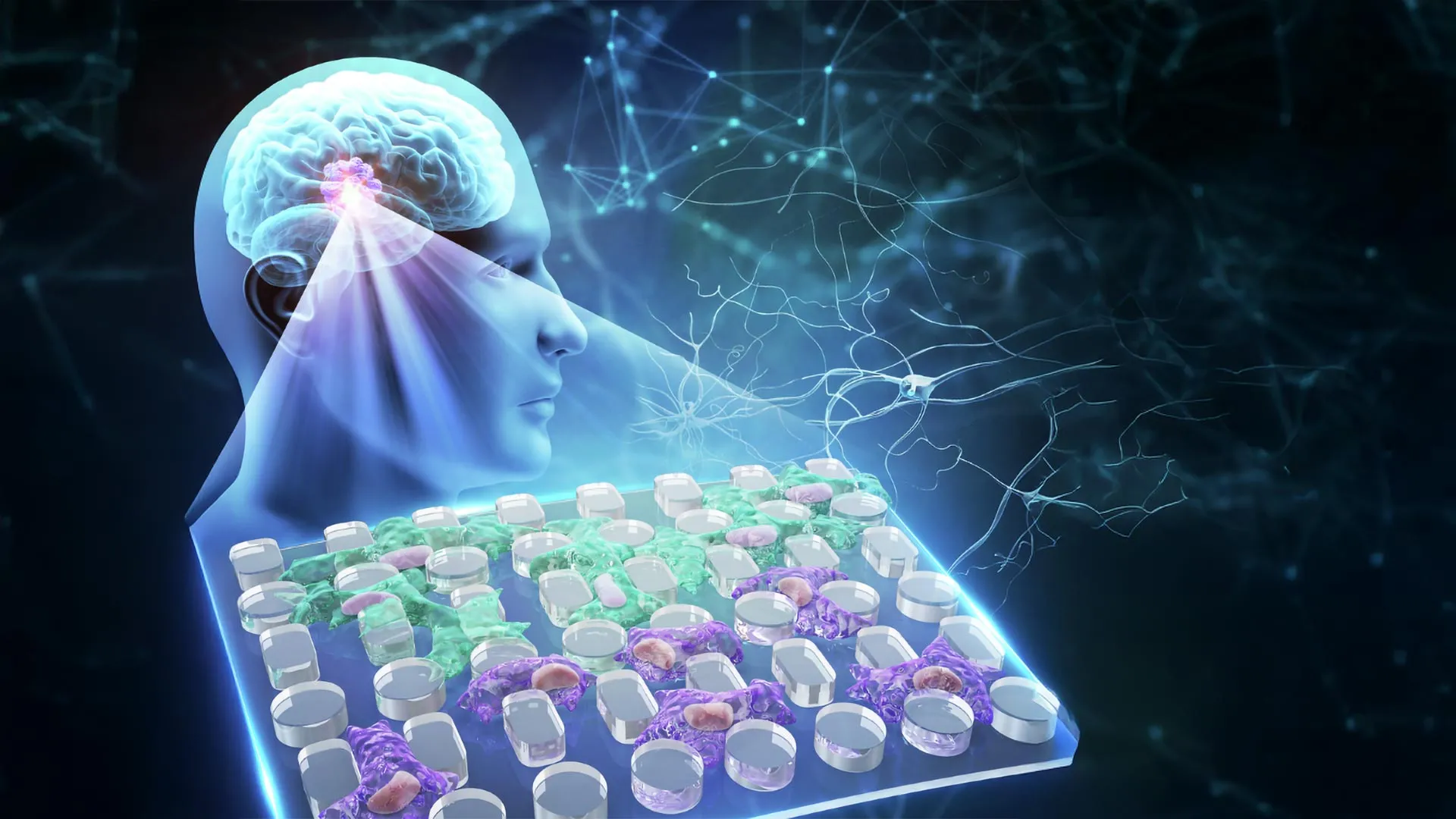
The laboratory results provided a striking mirror to the human data. The mice exposed to chlorpyrifos exhibited clear signs of motor impairment, mirroring the symptoms seen in human Parkinson’s patients. Upon neurological examination, these mice showed a significant loss of dopamine-producing neurons in the substantia nigra, the specific region of the brain that deteriorates during the progression of Parkinson’s disease.
Furthermore, the researchers identified two key biological markers of the disease in the animal models:
- Brain Inflammation: The pesticide triggered an immune response in the brain, leading to chronic inflammation that further damaged neural tissues.
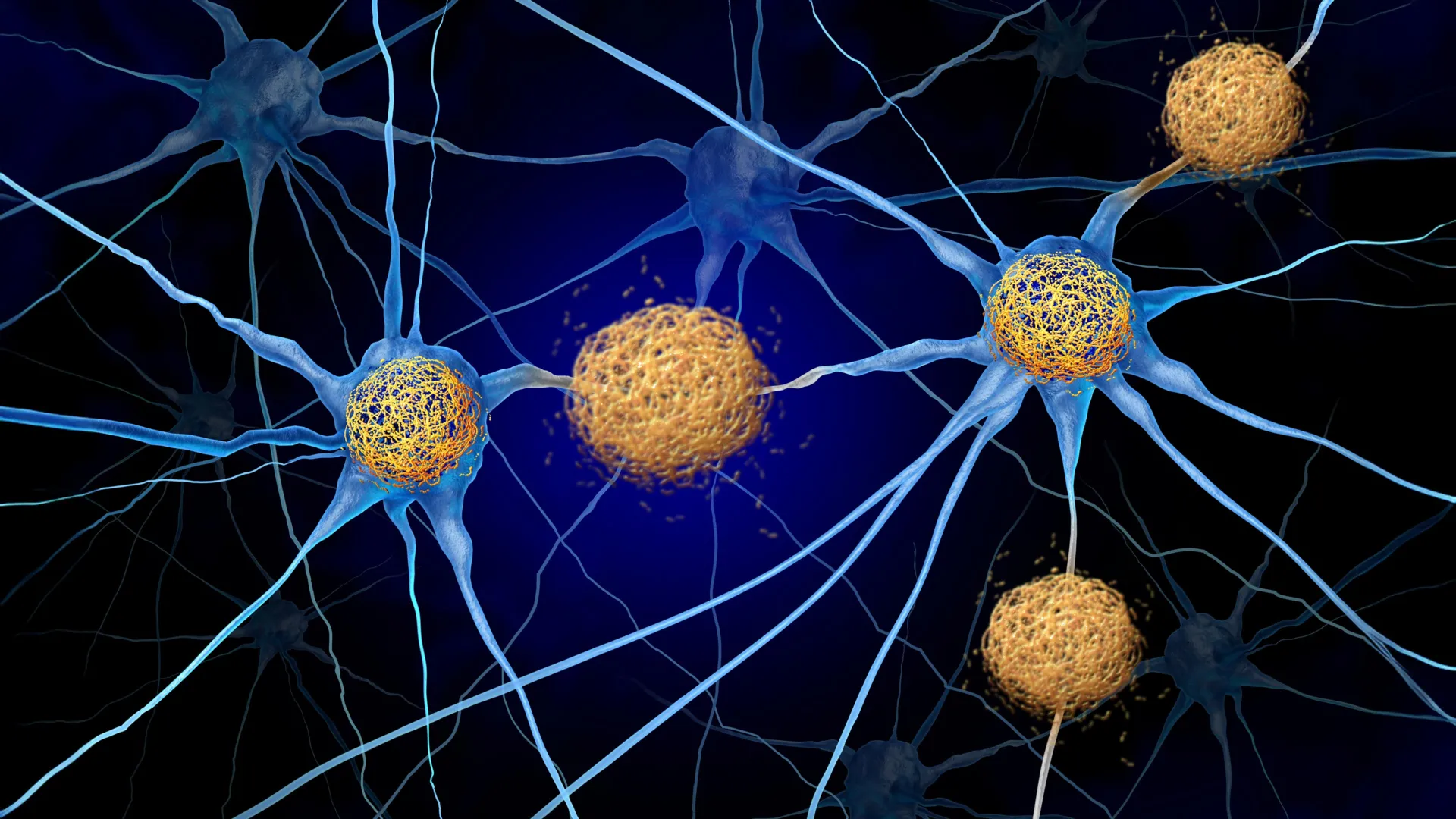
- Alpha-synuclein Accumulation: The study observed an abnormal buildup of alpha-synuclein, a protein that misfolds and forms toxic clumps known as Lewy bodies. These clumps are the pathological hallmark of Parkinson’s disease and are believed to be a primary driver of cell death.
The Autophagy Breakthrough: How the Damage Occurs
Perhaps the most significant discovery of the study is the identification of "autophagy dysfunction" as the mechanism of toxicity. Autophagy is the cell’s natural "cleanup" system, responsible for breaking down and removing damaged proteins and organelles. When this system fails, toxic materials—like misfolded alpha-synuclein—build up and eventually kill the cell.
The experiments in zebrafish demonstrated that chlorpyrifos directly interferes with the autophagy process. However, the researchers found that when they used genetic or pharmacological methods to restore the autophagy system or to clear the buildup of synuclein protein, the neurons were protected from the pesticide’s harmful effects. This finding is revolutionary because it suggests that the neurodegeneration caused by chlorpyrifos is not an inevitable byproduct of exposure but a specific biological failure that could potentially be treated or prevented.
Supporting Data and Statistical Significance
The statistical strength of the study is notable. The 2.5-fold increase in risk (a 150% higher likelihood) is considered a "strong association" in epidemiological terms. For comparison, many environmental risk factors for chronic diseases show much smaller increases in risk, often in the range of 20% to 50%.
The researchers also noted that the risk was most pronounced in individuals with long-term, low-level residential exposure. This suggests that the danger is not just from acute poisoning incidents, but from the cumulative effect of breathing in small amounts of the chemical over many years. This "chronic low-dose" exposure is the reality for millions of people living in agricultural corridors globally.
Expert Perspectives and Industry Implications
Dr. Jeff Bronstein, a professor of Neurology at UCLA Health and the study’s senior author, emphasized the specificity of these findings. "This study establishes chlorpyrifos as a specific environmental risk factor for Parkinson’s disease, not just pesticides as a general class," Bronstein stated. He noted that by demonstrating the biological mechanism in animal models, the team has moved beyond mere association to show a likely causal relationship.
The implications for public health policy are profound. Environmental advocacy groups are expected to use this data to push for a permanent and total ban on chlorpyrifos. Conversely, the findings pose a challenge for the agricultural industry, which has argued that the pesticide is essential for protecting crops such as citrus, grapes, and broccoli from resilient pests.
From a clinical perspective, the study suggests that individuals with known past exposure to chlorpyrifos should be monitored more closely for early signs of neurological decline. Early detection of Parkinson’s is critical, as currently available treatments are most effective when started in the early stages of the disease.
Broader Impact and Future Directions in Research
The UCLA study opens several new avenues for scientific exploration. One of the most promising is the potential for "neuroprotective" therapies. If researchers can develop drugs that enhance the autophagy process, it might be possible to lower the risk of Parkinson’s in people who have already been exposed to harmful pesticides.
Furthermore, the study serves as a template for investigating other chemicals. Chlorpyrifos is just one of many organophosphates and other pesticide classes (such as paraquat and pyrethroids) that are currently under scrutiny. Scientists now have a clearer roadmap for how to link environmental data with cellular pathology to identify other "hidden" causes of the Parkinson’s epidemic.
As the global community continues to grapple with the rising rates of neurodegenerative disorders, the UCLA Health study provides a sobering reminder of the long-term costs of chemical reliance. It underscores the need for a more precautionary approach to chemical regulation, where the neurological safety of a substance is proven before it is allowed to become a ubiquitous part of the human environment. For the nearly one million Americans living with Parkinson’s, and the millions more at risk, these findings offer both a clearer understanding of the past and a potential pathway toward a more protected future.