The landscape of neurodegenerative disease diagnostics underwent a significant shift on February 27, 2026, with the publication of a landmark study in the journal Nature Aging. Researchers at Scripps Research have successfully demonstrated a new blood-testing methodology that identifies Alzheimer’s disease not by the quantity of specific proteins in the blood, but by their physical shape and folding patterns. This structural approach addresses a long-standing limitation in Alzheimer’s research, potentially offering a window into the earliest biological transitions of the disease long before cognitive decline becomes irreversible.
Alzheimer’s disease currently affects an estimated 7.2 million Americans age 65 and older, a figure that the Alzheimer’s Association projects will rise significantly as the population ages. For decades, the gold standard for diagnosis has relied on detecting the accumulation of amyloid beta (Aβ) and phosphorylated tau (p-tau) proteins. While these biomarkers are effective in later stages, they often fail to capture the subtle, systemic breakdown of protein maintenance that precedes the formation of toxic brain plaques. The Scripps Research team, led by senior author and professor John Yates, has shifted the focus toward "proteostasis"—the body’s internal quality control system for proteins.
The Paradigm Shift: From Concentration to Conformation
Traditional diagnostic tests for Alzheimer’s disease are largely quantitative; they measure the concentration of proteins in blood or cerebrospinal fluid. However, the Scripps team hypothesized that the "structural signature" of proteins—how they are folded or misfolded—might be a more sensitive indicator of disease pathology. In many neurodegenerative conditions, proteins begin to lose their functional shapes long before they aggregate into the visible plaques and tangles seen in MRI or PET scans.
"Many neurodegenerative diseases are driven by changes in protein structure," explained John Yates. "The question was, are there structural changes in specific proteins that might be useful as predictive markers? By focusing on the shape of the proteins rather than just how much of them is circulating, we are looking at the functional health of the proteostasis network itself."
Proteostasis is the complex network of cellular pathways that manage the synthesis, folding, trafficking, and degradation of proteins. As the human body ages, this system naturally becomes less efficient. In the context of Alzheimer’s, the breakdown of proteostasis allows proteins to misfold during production or remain in circulation after they have become damaged. The researchers proposed that if this system is failing in the brain, the evidence of that failure should be detectable in the structural integrity of proteins circulating in the bloodstream.
Methodology: Mass Spectrometry and Machine Learning
To test this theory, the research team conducted an extensive analysis of plasma samples from a cohort of 520 participants. This group was strategically divided into three categories to represent the progression of the disease: cognitively normal adults, individuals experiencing mild cognitive impairment (MCI), and patients with a formal diagnosis of Alzheimer’s disease.
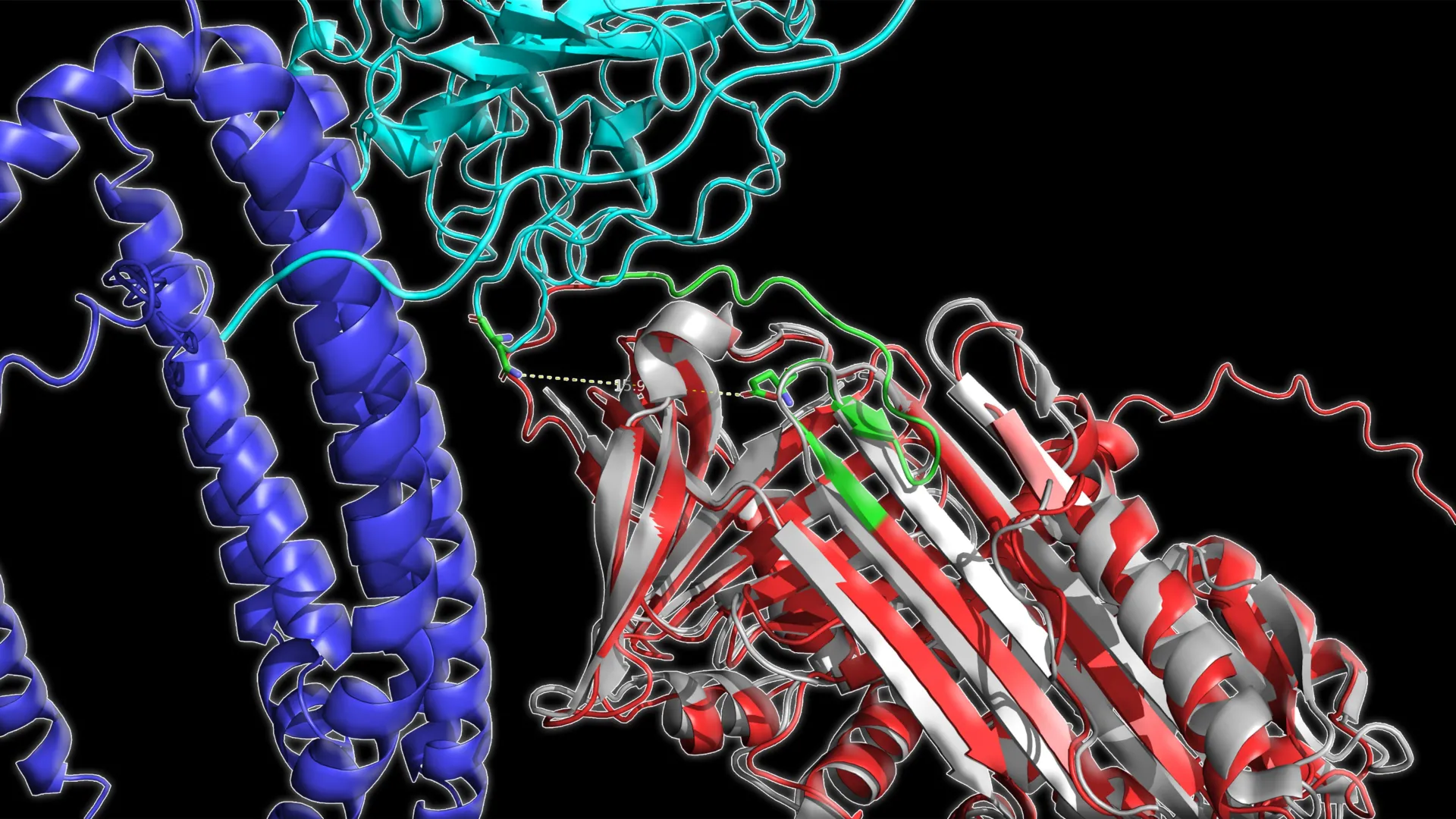
The technical backbone of the study involved a sophisticated application of mass spectrometry. This analytical technique allowed the scientists to probe the "surface accessibility" of specific amino acids—specifically lysine sites—within blood proteins. By determining which parts of a protein were "exposed" to the environment and which were "buried" within the protein’s core, the researchers could map the protein’s three-dimensional configuration.
Once the structural data was collected, the team applied machine learning algorithms to identify patterns that correlated with the clinical status of the patients. The AI was tasked with finding specific structural "fingerprints" that could distinguish a healthy brain from one undergoing the early stages of neurodegeneration. The results revealed a consistent trend: as Alzheimer’s progressed, certain blood proteins became structurally "tighter" or less "open," a change that proved far more predictive of disease stage than simple protein concentration levels.
Identifying the "Trio" of Diagnostic Proteins
While the researchers examined hundreds of proteins, three specific plasma proteins emerged as the most reliable indicators of Alzheimer’s status. These three proteins—C1QA, clusterin, and apolipoprotein B—form the basis of the new diagnostic panel.
- C1QA (Complement Component 1, q Subcomponent, A Chain): This protein is a critical part of the innate immune system’s complement cascade. It is involved in identifying and clearing pathogens and apoptotic cells. In the context of Alzheimer’s, structural changes in C1QA may reflect the early inflammatory response of the immune system to neurodegeneration.
- Clusterin (Apolipoprotein J): Known as an "extracellular chaperone," clusterin plays a vital role in preventing the aggregation of misfolded proteins. It is heavily involved in the clearance of amyloid beta from the brain. The study found that structural shifts in clusterin were highly indicative of the transition from normal cognition to impairment.
- Apolipoprotein B (ApoB): Primarily known for its role in transporting lipids and cholesterol through the bloodstream, ApoB is essential for vascular health. Given the strong link between cardiovascular health and brain function, structural changes in ApoB may represent the intersection of metabolic and neurological decline.
"The correlation was amazing," said co-author Casimir Bamberger, a senior scientist at Scripps Research. "It was very surprising to find three lysine sites on three different proteins that correlate so highly with disease state. This suggests that these specific sites are highly sensitive to the systemic changes occurring in the body as Alzheimer’s takes hold."
Statistical Accuracy and Longitudinal Reliability
The efficacy of the three-protein structural model was measured against traditional diagnostic benchmarks. The researchers found that the test could classify participants into the three categories (Normal, MCI, or Alzheimer’s) with an overall accuracy of approximately 83%. However, the test’s sensitivity increased significantly when performing direct comparisons. For instance, when distinguishing between healthy individuals and those with mild cognitive impairment, the accuracy rose to over 93%.
This 93% accuracy rate is particularly significant for the medical community. Mild cognitive impairment is often the "gray area" of diagnosis, where patients exhibit slight memory loss but do not yet meet the full criteria for dementia. Early identification during the MCI stage is considered the "holy grail" of Alzheimer’s treatment, as it provides the best opportunity for therapeutic intervention.
Furthermore, the researchers sought to ensure that these structural changes were not merely "snapshots" in time but stable indicators of disease. They tested the model against independent participant groups and analyzed blood samples collected several months apart. The structural panel maintained an 86% accuracy rate in these repeat tests, reflecting changes in diagnosis over time and showing a strong correlation with cognitive test scores and MRI measurements of hippocampal shrinkage (a hallmark of Alzheimer’s progression).
Broader Implications for Early Detection and Therapeutics
The potential clinical impact of a structural-based blood test is profound. Currently, many Alzheimer’s diagnoses occur only after significant neurological damage has already taken place. The brain is highly adept at compensating for lost function, meaning that by the time a patient displays obvious symptoms, millions of neurons may have already perished.
"Detecting markers of Alzheimer’s early is absolutely critical to developing effective therapeutics," John Yates noted. "If treatment can start before significant damage has been done, it may be possible to better preserve long-term memory and quality of life."
The emergence of new disease-modifying therapies, such as monoclonal antibodies that target amyloid plaques, underscores the need for early and accurate screening. These treatments are most effective when administered in the early stages of the disease. A non-invasive, highly accurate blood test based on protein structure could serve as a primary screening tool, allowing physicians to identify at-risk patients who should then undergo more intensive PET scans or lumbar punctures.
Moreover, this research challenges the "amyloid hypothesis" as the sole focus of Alzheimer’s diagnostics. By demonstrating that systemic proteostasis failure is detectable in the blood, the Scripps team opens the door to a more holistic understanding of the disease as a multi-system biological failure rather than just a localized brain issue.
Future Directions: Beyond Alzheimer’s
The success of the structural profiling method has led the Scripps Research team to consider its applications in other fields of medicine. Because proteostasis failure is a common thread in many age-related diseases, the same mass spectrometry and machine learning approach could theoretically be used to develop early-detection tests for other conditions.
Researchers are already looking into whether similar structural signatures exist for Parkinson’s disease, where the misfolding of the protein alpha-synuclein is a primary driver. There is also interest in applying this method to oncology, as certain cancers are known to disrupt protein folding and secretion pathways long before tumors are visible through traditional imaging.
The study, titled "Structural signature of plasma proteins classifies the status of Alzheimer’s disease," was a collaborative effort involving researchers from Scripps Research, the University of Kansas Medical Center, and the University of California San Diego. The project received support from the National Institutes of Health through several major grants, including RF1AG061846-01 and 5R01AG075862.
While the results are promising, the research team emphasizes that larger clinical trials with longer follow-up periods are necessary before this test can be implemented in a standard clinical setting. These future studies will aim to validate the test across more diverse populations and determine how early the structural changes can be detected before the onset of MCI. If validated, the transition from measuring "how much" to "how" proteins are folded could mark the beginning of a new era in precision medicine for neurodegeneration.