The past two weeks have underscored a vibrant and increasingly collaborative biotech landscape, characterized by strategic partnerships aimed at addressing critical challenges in drug development, mapping biological systems at unprecedented scales, and advancing crucial research in animal health. This dynamic period also offered forward-looking perspectives on significant upcoming events, including insights into the 2026 AACR Annual Meeting from Ryvu Therapeutics and the exciting lineup for The Society for Laboratory Automation and Screening (SLAS) Innovation AveNEW program at SLAS Europe 2026. Furthermore, advancements in core technologies, such as cell barcoding, continue to promise accelerated timelines for drug discovery, solidifying the industry’s trajectory towards more efficient and impactful scientific endeavors.
The Strategic Imperative of Collaboration in Modern Biotechnology
Collaboration has emerged as the bedrock of modern scientific progress, particularly in biotechnology, where complex problems often exceed the capabilities of single entities. The recent surge in partnerships reflects a shared understanding that pooling resources, expertise, and technological platforms is essential for breaking new ground. These collaborations span diverse domains, from refining the safety profiles of existing treatments to embarking on ambitious projects to map the fundamental units of life.
Addressing Off-Target Chemotherapeutic Toxicities: A Unified Front
One of the most significant challenges in oncology, and a key focus of recent collaborative efforts, is the evaluation of off-target chemotherapeutic toxicities. Chemotherapy, while a cornerstone of cancer treatment, often comes with severe side effects due to its inability to exclusively target cancerous cells, leading to damage in healthy tissues. These off-target effects can range from mild discomfort to life-threatening complications, frequently necessitating dose reductions, treatment interruptions, or even discontinuation, thereby compromising therapeutic efficacy.
The traditional drug development pipeline has long grappled with identifying and mitigating these toxicities early enough to prevent late-stage clinical trial failures, which are not only devastating for patients but also incur immense financial losses for pharmaceutical companies. Estimates suggest that drug attrition rates due to safety concerns, including toxicity, remain stubbornly high, with preclinical and clinical failures costing billions annually. For instance, a comprehensive report by the Tufts Center for the Study of Drug Development indicated that the average cost to develop a new prescription drug can exceed $2.6 billion, with a significant portion of this investment lost in drugs that fail in later stages due to unforeseen toxicities. This economic pressure, coupled with the ethical imperative to provide safer treatments, drives the biotech sector towards more predictive and robust toxicity assessment methods.
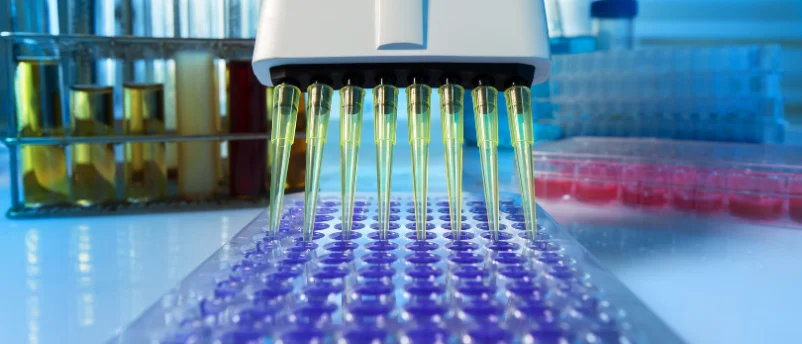
Recent collaborations are strategically designed to leverage advanced technologies and multidisciplinary expertise to tackle this formidable hurdle. These partnerships often involve pharmaceutical giants, specialized biotech firms, academic research institutions, and Contract Research Organizations (CROs). Their combined efforts focus on developing and deploying sophisticated in vitro and in vivo models, high-throughput screening platforms, and cutting-edge computational toxicology tools. For example, advancements in organ-on-a-chip technology, 3D cell cultures, and induced pluripotent stem cell (iPSC)-derived models are providing more physiologically relevant systems to predict human responses to drug candidates, reducing reliance on less predictive animal models in early stages. These models mimic human physiology more closely, offering a more accurate window into how a drug might behave in the body.
Furthermore, the integration of artificial intelligence (AI) and machine learning (ML) into toxicology screening is revolutionizing predictive capabilities. Collaborations in this space are developing algorithms that can analyze vast datasets of chemical structures, gene expression profiles, and cellular responses to identify potential toxicophores or predict adverse events with greater accuracy. A leading researcher from a European pharmaceutical company, speaking on condition of anonymity due to ongoing partnership negotiations, highlighted the shift: "Our goal is to move beyond reactive toxicity testing to proactive prediction. These collaborations are crucial for building the comprehensive datasets and validation frameworks needed to train truly predictive AI models, ultimately leading to safer and more effective cancer therapies." The implications of success in this area are profound, promising not only a reduction in patient suffering but also a significant acceleration of drug development timelines and a decrease in the financial burden associated with drug failures, ultimately bringing more effective and tolerable treatments to patients faster.
The Trillion Cell Atlas: Mapping Life’s Blueprint at Unprecedented Scale
Another monumental collaborative undertaking recently highlighted is the launch of the Trillion Cell Atlas. This ambitious initiative builds upon the foundational work of projects like the Human Cell Atlas (HCA), which aims to map every cell type in the human body, but scales it up to an unprecedented "trillion cell" level. While the exact scope of "Trillion Cell Atlas" is still defining itself, it likely encompasses either an extraordinarily detailed characterization of cellular states and conditions within a single complex organism like humans, or an expansion to include comprehensive cellular mapping across multiple key organisms relevant to biomedical research and ecology. The HCA, launched in 2016, already involves hundreds of researchers globally and has generated millions of single-cell datasets, revealing new cell types and states across various tissues and contributing to a deeper understanding of human biology and disease. The Trillion Cell Atlas represents an exponential leap in this endeavor.
The objective of such an atlas is to systematically characterize the molecular and spatial properties of every cell, providing a comprehensive reference map of cellular diversity and function. This includes capturing data on gene expression (transcriptomics), protein levels (proteomics), epigenetic modifications, and the precise spatial organization of cells within tissues. The sheer scale implied by "trillion cells" suggests a long-term, multi-national, and multi-institutional effort requiring significant computational infrastructure, standardized protocols, and advanced single-cell technologies. This project will undoubtedly necessitate unprecedented levels of international cooperation, resource sharing, and data governance.
Key technologies enabling this vision include next-generation sequencing, particularly single-cell RNA sequencing (scRNA-seq), spatial transcriptomics, and high-resolution imaging techniques such as multiplexed ion beam imaging (MIBI) and cyclic immunofluorescence (CyCIF). The data generated will be immense, demanding sophisticated bioinformatics pipelines, massive cloud computing resources, and advanced AI/ML algorithms for analysis and interpretation. Collaborations are essential not only for data generation but also for data standardization, sharing, and analysis across different research groups and continents. Funding agencies, major research institutes, technology developers (e.g., sequencing companies, microscopy companies), and data scientists are all critical partners in such an undertaking, forming a global consortium of expertise.
The implications of a Trillion Cell Atlas are transformative. It promises to revolutionize our understanding of fundamental biology, disease mechanisms, and the efficacy of therapeutic interventions. By providing an unparalleled resolution of cellular states in health and disease, it will enable the identification of novel drug targets, facilitate the development of more precise diagnostics, and pave the way for highly personalized medicine. For instance, understanding how specific cell populations respond to disease or treatment at a single-cell level could unlock new strategies for regenerative medicine, immunology, and oncology, leading to more targeted and effective therapies. "This isn’t just about cataloging; it’s about understanding the symphony of life at its most granular level, unlocking secrets about health and disease we couldn’t even conceptualize before," commented a leading computational biologist involved in similar large-scale initiatives, highlighting the potential for discovering entirely new biological principles.
Advancing Veterinary Immunology Research: A One Health Perspective
The advancement of veterinary immunology research, another area witnessing increased collaboration, holds critical importance not only for animal health and welfare but also for global public health under the "One Health" framework. This concept recognizes the interconnectedness of human, animal, and environmental health, emphasizing that the health of one cannot be considered in isolation from the others. Zoonotic diseases, which transmit between animals and humans, such as avian influenza, SARS-CoV-2, Ebola, and rabies, underscore the vital need for robust veterinary immunology to prevent future pandemics and protect existing populations.
Recent collaborative efforts in this field are addressing several key areas:
- Vaccine Development: Creating more effective and broader-spectrum vaccines for livestock and companion animals to prevent outbreaks, reduce the reliance on antibiotics, and enhance animal productivity.
- Disease Surveillance and Diagnostics: Enhancing early detection and rapid response mechanisms for emerging animal diseases that could pose a threat to human populations or agricultural economies. This includes developing advanced diagnostic tools that can quickly identify pathogens in diverse animal species.
- Comparative Immunology: Leveraging insights from the diverse immune systems of different animal species (e.g., the robust immunity of bats to viruses, or the unique immune responses of marine mammals) to inform human immunology research and vice versa, leading to novel therapeutic strategies applicable across species.
- Antimicrobial Resistance (AMR): Developing alternatives to antibiotics and understanding the immunology of resistance in animal populations to mitigate the global AMR crisis, which is a significant threat to both human and animal medicine.
These collaborations typically involve veterinary schools, agricultural research institutes, animal pharmaceutical companies, and public health organizations like the World Health Organization (WHO) and the Food and Agriculture Organization (FAO). The economic impact of animal diseases is substantial; outbreaks can devastate agricultural industries, leading to food insecurity, trade restrictions, and significant financial losses for farmers. For example, the African Swine Fever outbreak has caused billions in losses globally, profoundly impacting pork production and markets. Investing in veterinary immunology through collaborative research is therefore a strategic imperative for food security, economic stability, and global public health.
A senior researcher at a prominent European veterinary research institute emphasized, "Understanding animal immunity is not a niche field; it’s a cornerstone of global health security. Our collaborative projects are focused on developing predictive models for pathogen evolution and designing next-generation vaccines that protect both animal populations and, by extension, human health, embodying the true spirit of ‘One Health’." The data generated from such research often includes genomics, proteomics, and immunological assays from various animal species, contributing to a deeper understanding of host-pathogen interactions and immune responses across the tree of life.
Glimpses into Future Scientific Milestones: Conferences as Catalysts
Beyond immediate research collaborations, the biotech community is already looking ahead to major scientific conferences that serve as crucial platforms for disseminating discoveries, fostering networking, and shaping future research directions. These gatherings act as vital conduits for knowledge exchange and accelerate the translation of research into practical applications. Two such events, the AACR Annual Meeting 2026 and SLAS Europe 2026, are already generating anticipation.
AACR Annual Meeting 2026: Ryvu Therapeutics’ Vision for Oncology
The American Association for Cancer Research (AACR) Annual Meeting is one of the most prestigious and largest gatherings in the cancer research world, annually attracting tens of thousands of scientists, clinicians, and industry professionals from across the globe. The 2026 meeting, scheduled for April 17–22 in California, USA, promises to be a pivotal event, showcasing the latest breakthroughs across the entire spectrum of cancer research, from basic science to clinical translation, prevention, and population health. The AACR meeting is historically a forum where major clinical trial results