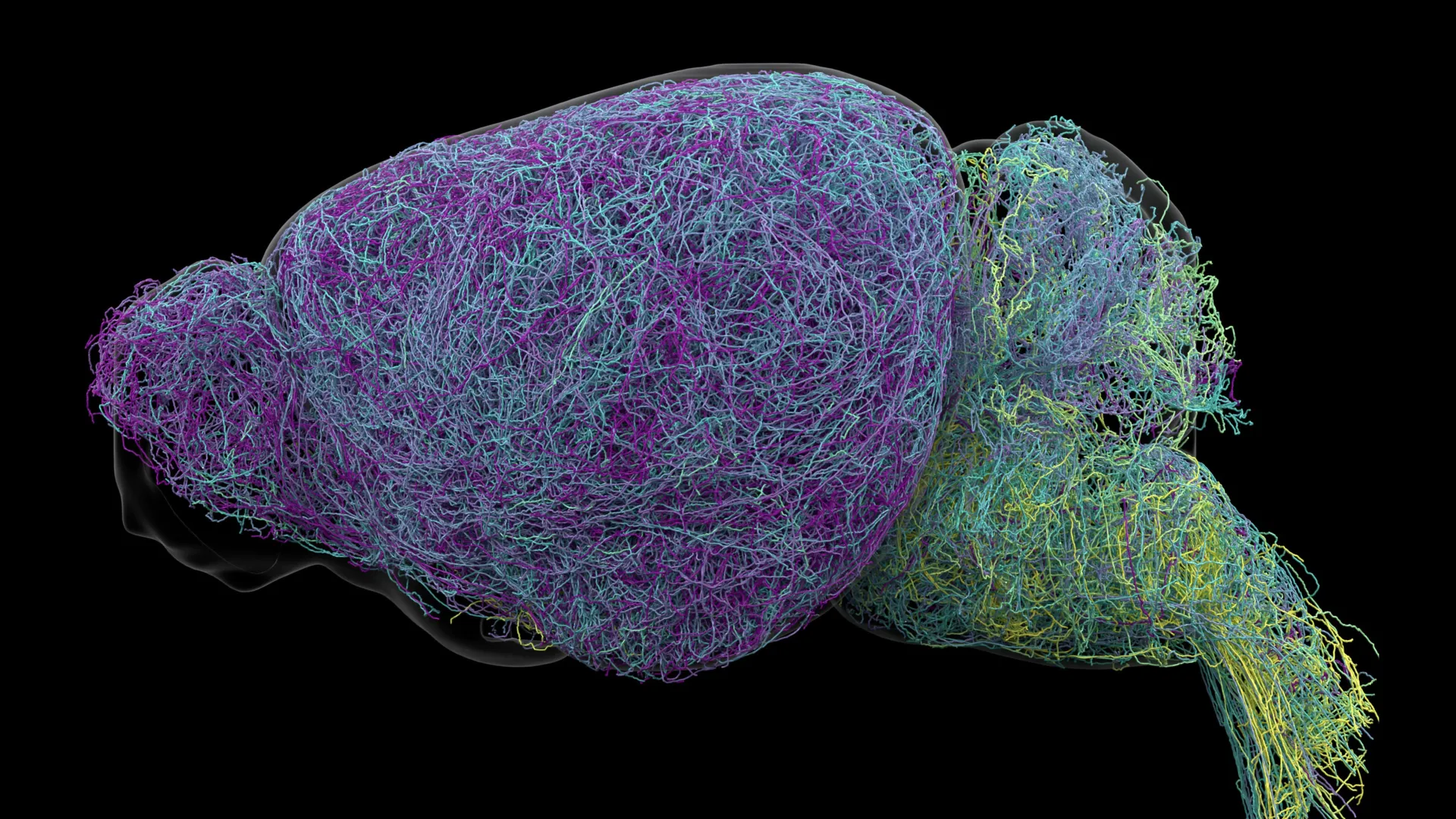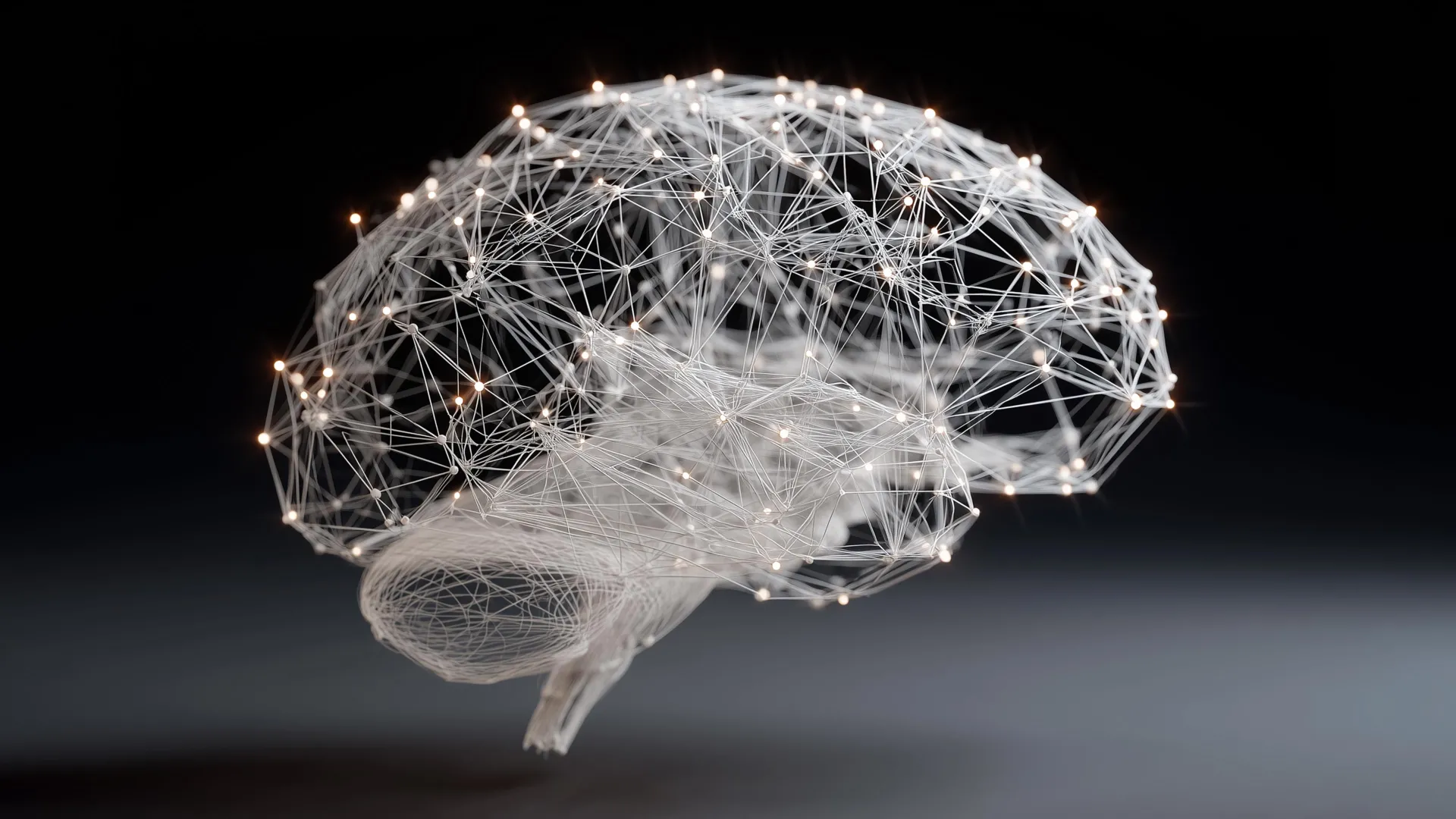
Modern neuroscience has long operated under the paradigm of functional localization, a framework that describes the human brain as a sophisticated mosaic of specialized systems. Under this traditional view, distinct cognitive functions—such as the precision of perception, the storage of memory, the nuances of language, and the rigors of logical reasoning—are mapped to specific, segregated neural networks. While this modular approach has facilitated significant breakthroughs in understanding the mechanics of individual brain regions, it has struggled to account for the most fundamental aspect of human consciousness: the emergence of a single, unified mind.
A groundbreaking study led by researchers at the University of Notre Dame, recently published in the journal Nature Communications, challenges this localized perspective. By leveraging advanced neuroimaging and computational modeling, the research team has provided comprehensive evidence for the Network Neuroscience Theory. This framework posits that human intelligence is not the product of a specific "intelligence center" within the brain, but rather a global property emerging from the dynamic coordination of the entire neural system.
Directed by Aron Barbey, the Andrew J. McKenna Family Professor of Psychology and director of the Notre Dame Human Neuroimaging Center, the study shifts the scientific focus from where intelligence is located to how the brain is organized. This shift provides a new lens through which to view "general intelligence," the long-observed phenomenon where individuals who excel in one cognitive domain often demonstrate high proficiency across others.
The Historical Context of General Intelligence
For over a century, psychologists have grappled with the concept of the "g-factor," or general intelligence. First proposed by Charles Spearman in 1904, the g-factor describes the positive correlation observed among diverse mental abilities. Despite the robustness of this statistical pattern in predicting academic success, professional performance, and even long-term health outcomes, the biological basis for such cognitive unity remained elusive.
Previous attempts to locate the source of general intelligence often pointed toward the Parieto-Frontal Integration Theory (P-FIT). This theory suggested that intelligence was primarily rooted in a specific network of regions within the frontal and parietal lobes, which are responsible for executive function and sensory integration. However, the Notre Dame study suggests that while these regions are important, they are only components of a much larger, system-wide architecture.
"The problem of intelligence is not one of functional localization," Barbey explained. "Contemporary research often asks where general intelligence originates in the brain. But the more fundamental question is how intelligence emerges from the principles that govern global brain function—how distributed networks communicate and collectively process information."
Methodology and the Use of Large-Scale Data
To test the Network Neuroscience Theory, lead author Ramsey Wilcox, a graduate student at Notre Dame, along with Barbey and collaborators from Stony Brook University, analyzed high-resolution neuroimaging data from two substantial cohorts. The primary dataset was drawn from the Human Connectome Project (HCP), a major initiative funded by the National Institutes of Health aimed at mapping the structural and functional connections of the healthy human brain. The team examined data from 831 adults, providing a statistically powerful foundation for their analysis.
To ensure the reliability and generalizability of their findings, the researchers validated their results using an independent second group: 145 adults from the INSIGHT Study. This secondary study was supported by the Intelligence Advanced Research Projects Activity (IARPA) under the SHARP program, which focuses on enhancing cognitive performance through a deeper understanding of neural mechanisms.
By combining structural data (the physical "wiring" of the brain) with functional data (the real-time activity patterns during cognitive tasks), the researchers created a multidimensional map of large-scale brain organization. This allowed them to measure how efficiently information travels across the brain and how different networks synchronize their activity.
The Four Pillars of Network Neuroscience Theory
The findings of the study supported four primary predictions that define the Network Neuroscience Theory, offering a roadmap for how the brain generates a coherent mind.
1. Distributed Processing Across Multiple Networks
The research demonstrated that intelligence does not reside in a single, isolated network. Instead, it is the result of processing that is distributed across nearly all major brain systems. The brain operates by dividing complex cognitive tasks into smaller sub-tasks handled by specialized systems—such as the visual cortex for sight or the prefrontal cortex for decision-making—and then seamlessly integrating the outputs of these systems.
2. The Role of Long-Distance Communication
Successful cognitive coordination requires robust integration across significant anatomical distances. The study identified a complex system of "shortcuts" or high-capacity neural pathways that link distant brain regions. These long-range connections allow for the rapid exchange of information, ensuring that the brain can maintain a unified state of processing despite the physical separation of its functional modules.
3. Regulatory Hubs and Information Flow
The researchers identified specific "hub" regions that act as regulatory centers, guiding the flow of information across the global network. Much like an air traffic control system, these hubs do not carry out every task themselves; rather, they orchestrate the activity of other networks. They help the brain select the most appropriate systems for a given challenge, whether that involves learning a new language, solving a mathematical problem, or interpreting social cues.
4. The Balance of Specialization and Integration
Perhaps the most critical finding was that general intelligence depends on a delicate balance between local specialization and global integration. A highly intelligent brain is characterized by "small-world" architecture: it contains tightly connected local clusters that can process information efficiently in parallel, while still maintaining short communication paths to any other region in the system. This balance allows the brain to be both stable and flexible, adapting to new information without losing its overall coherence.
Implications for Human Health and Development
The transition from a localization-based model to a network-based model has profound implications for understanding how intelligence changes over the human lifespan. The researchers noted that large-scale brain coordination is highly sensitive to physiological changes.
In childhood, the development of intelligence is closely linked to the maturation of these long-distance connections and the strengthening of regulatory hubs. Conversely, the cognitive decline often associated with aging or neurodegenerative diseases, such as Alzheimer’s, is frequently preceded by a breakdown in network integration rather than the failure of a single brain region.
Furthermore, this framework explains why widespread or "diffuse" brain injuries—such as those resulting from traumatic brain injury (TBI) or strokes that affect white matter—can have such devastating impacts on general intelligence. When the "shortcuts" and coordination mechanisms are damaged, the brain’s ability to function as a unified system is compromised, even if the specialized regions themselves remain intact.
Challenging the Future of Artificial Intelligence
The Notre Dame study also enters the ongoing debate regarding the development of Artificial General Intelligence (AGI). Current AI models, such as Large Language Models (LLMs), are often "specialized" in their architecture, achieving high proficiency in specific tasks like text generation or image recognition by scaling up processing power and data.
However, Barbey suggests that if human intelligence is a product of system-wide organization and flexible coordination, then achieving AGI may require a fundamental redesign of AI architecture. "Many AI systems can perform specific tasks very well, but they still struggle to apply what they know across different situations," Barbey said. "Human intelligence is defined by this flexibility—and it reflects the unique organization of the human brain."
By incorporating the principles of the Network Neuroscience Theory, future AI developers might focus on creating systems that prioritize "global efficiency" and "hub-based regulation" rather than just increasing the number of parameters or the depth of neural layers. This "biologically inspired" approach could lead to machines that more closely mimic the human ability to generalize knowledge across disparate domains.
A Paradigm Shift in Cognitive Science
The work of Barbey, Wilcox, and their colleagues marks a significant departure from the "phrenological" tendencies of early neuroscience, which sought to map every mental trait to a specific bump or region on the brain. Instead, it embraces the complexity of the brain as a dynamic, integrated whole.
"Once the question shifts from where intelligence is to how the system is organized," Wilcox noted, "the empirical targets change." This shift suggests that future research into cognitive enhancement, education, and clinical treatment should focus on improving the integrity of the brain’s global network rather than targeting isolated areas.
The study, which included co-authors Babak Hemmatian and Lav Varshney of Stony Brook University, provides a rigorous empirical foundation for a more holistic understanding of the mind. It suggests that the "unified mind" is not a mystery of the soul, but a measurable outcome of a remarkably efficient and adaptable biological network. As neuroscience continues to evolve, the Network Neuroscience Theory stands as a pivotal framework for unlocking the secrets of human cognition and the principles that allow us to think, learn, and adapt as a single, coherent entity.