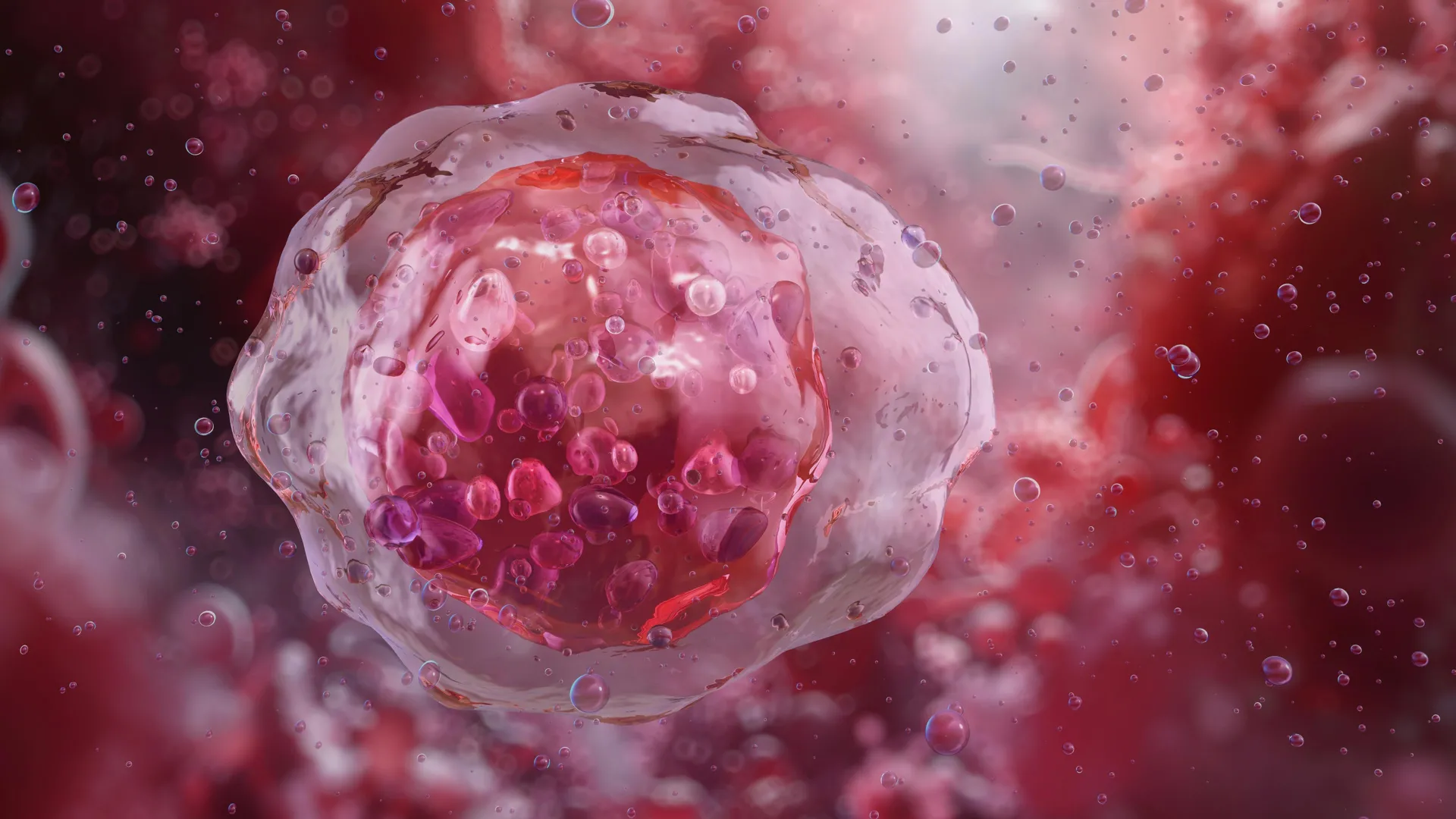
In a discovery that fundamentally alters the scientific understanding of cellular metabolism, researchers at Stanford Medicine have identified that glucose, the primary sugar providing energy to nearly all living organisms, serves a dual purpose as a master regulator of tissue differentiation. This process, by which unspecialized stem cells transform into the specific functional cells that constitute the body’s organs and tissues, has long been thought to be governed primarily by complex signaling proteins and genetic switches. However, the new study reveals that glucose itself acts as a direct signaling molecule, dictating the fate of cells not through its breakdown into energy, but through its physical presence and interaction with key cellular proteins.
The study, published in the journal Cell Stem Cell, challenges a century-old biological dogma that views glucose almost exclusively as a metabolic fuel. Led by Paul Khavari, MD, PhD, the Carl J. Herzog Professor and chair of dermatology at Stanford, the research team demonstrated that glucose binds in its intact form to proteins that regulate gene expression. This binding triggers a cascade of events that directs stem cells to mature into specialized tissue, such as skin, bone, or blood. The implications of this finding are vast, offering new perspectives on the underlying mechanisms of metabolic diseases like diabetes and the uncontrolled cellular growth characteristic of various cancers.
A Paradigm Shift in Metabolic Signaling
For decades, the role of glucose in the human body was considered straightforward: it is transported into cells and undergoes glycolysis—a process of catabolism—to produce adenosine triphosphate (ATP), the chemical currency of energy. While some metabolites were known to influence cell behavior, the idea that glucose could act as a structural signaling ligand, similar to a hormone or a growth factor, was largely unexplored.
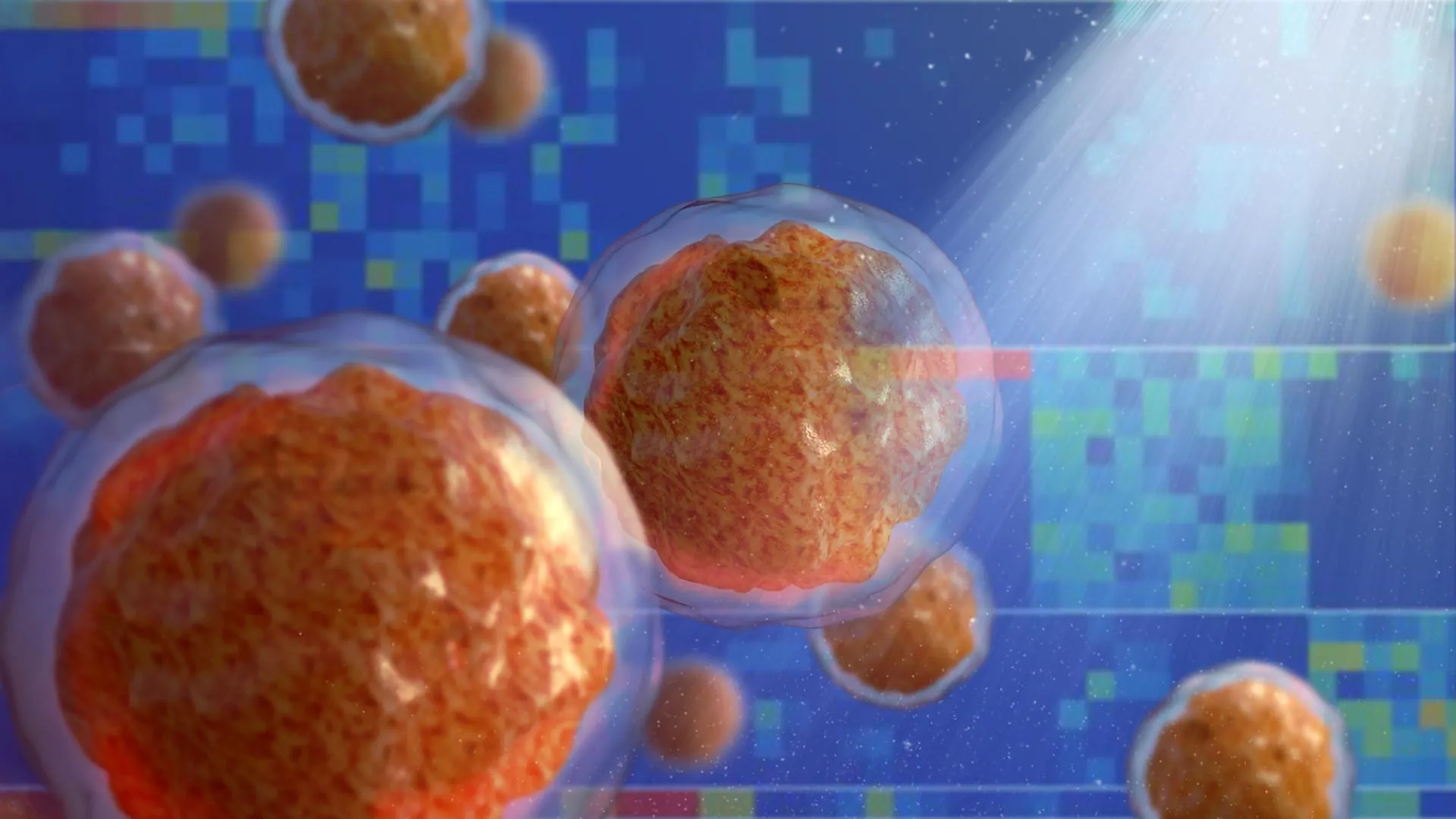
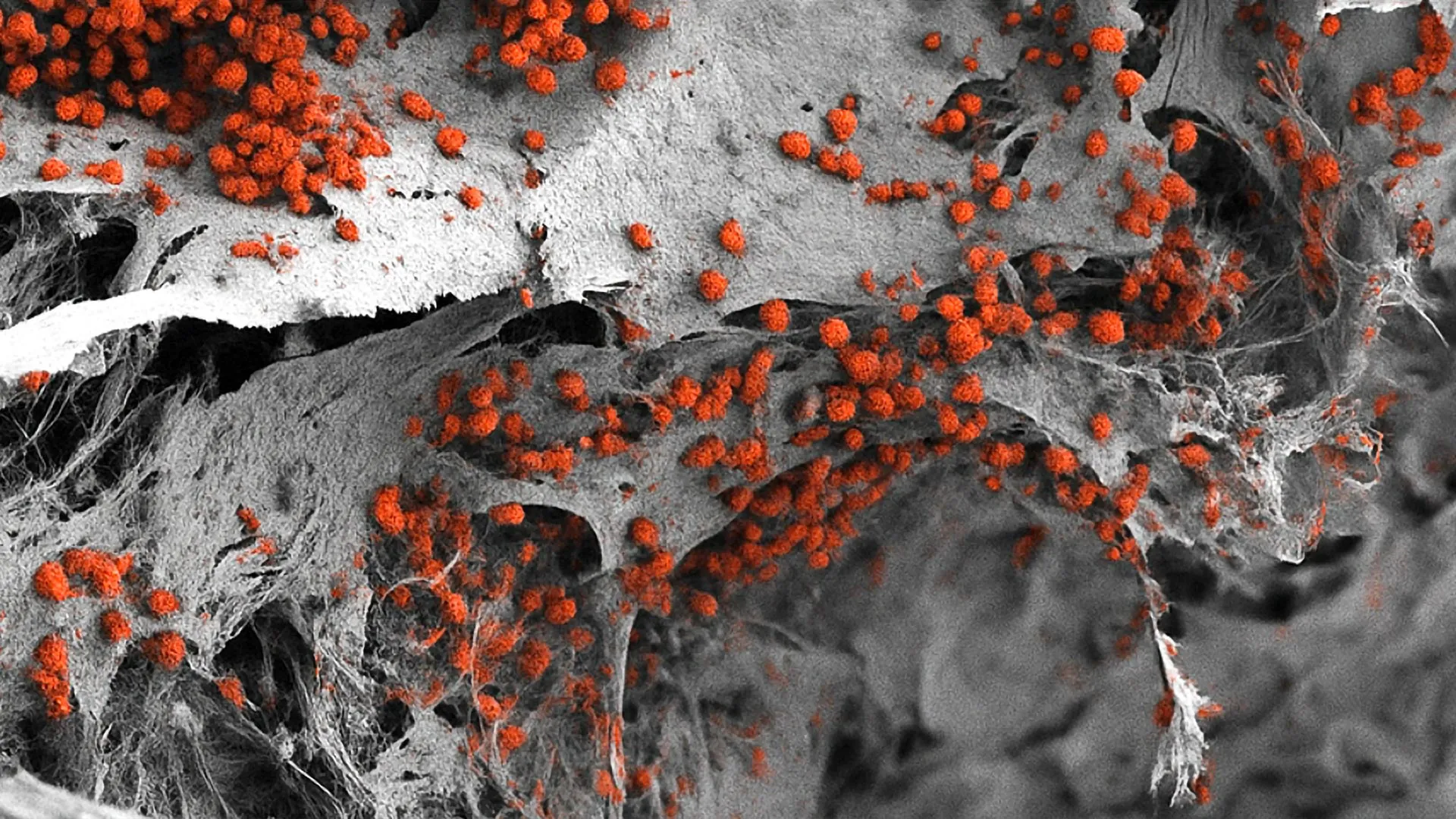
The Stanford team’s journey toward this discovery began with a broad investigation into the molecular drivers of differentiation. Using human skin stem cells as a model, the researchers tracked the progression of these cells as they matured into keratinocytes, the protective cells that form the outermost layer of the skin. By employing high-throughput screening and mass spectrometry—a sensitive technique used to identify and quantify molecules based on their mass-to-charge ratio—the team monitored the fluctuations of thousands of biomolecules during the transition from stem cell to mature tissue.
The initial hypothesis was that glucose levels would decline as cells differentiated. This expectation was based on the logic that mature, specialized cells generally divide less frequently than stem cells and therefore possess lower energy requirements. However, the data revealed the opposite: glucose was the second-most elevated molecule during the differentiation process.
Chronology of the Discovery and Verification
The unexpected spike in glucose levels was initially met with skepticism by the research team. Dr. Khavari noted that the results were so contrary to established biological expectations that the team spent several years conducting exhaustive follow-up experiments to verify the findings.
The first phase of verification involved the use of fluorescent and radioactive glucose analogs. These are modified versions of glucose that can be tracked visually or through radiation sensors as they move through a biological system. By observing these analogs, the researchers confirmed that as skin stem cells began their journey toward becoming keratinocytes, their internal glucose concentrations rose sharply. To further validate this, the team utilized genetically engineered biological sensors that emit light in the presence of specific glucose concentrations. Across various human cell types—including those destined to become fat, bone, and white blood cells—the same pattern emerged: differentiation was consistently accompanied by a significant increase in intracellular glucose.
The second phase of the investigation sought to determine whether the energy produced by glucose was the driver of this change or if the glucose molecule itself was the catalyst. To isolate these variables, the researchers grew human skin organoids—three-dimensional, lab-grown tissues that mimic the structure of human skin—in a medium containing glucose analogs that the cells are unable to metabolize. If energy production were the key, these organoids would have failed to develop. Instead, the non-metabolizable glucose supported differentiation just as effectively as standard glucose. This provided definitive evidence that glucose’s role in tissue formation is independent of its function as a fuel source.
The Mechanism of Action: The Fire Alarm Analogy
The study’s lead author, research scientist Vanessa Lopez-Pajares, PhD, focused on identifying how glucose exerts its influence once inside the cell. The team discovered that the rise in glucose is facilitated by an increase in the production of glucose transporters, which pull the sugar from the bloodstream into the cell. Once the internal concentration reaches a certain threshold, the glucose molecules bind to hundreds of different proteins.
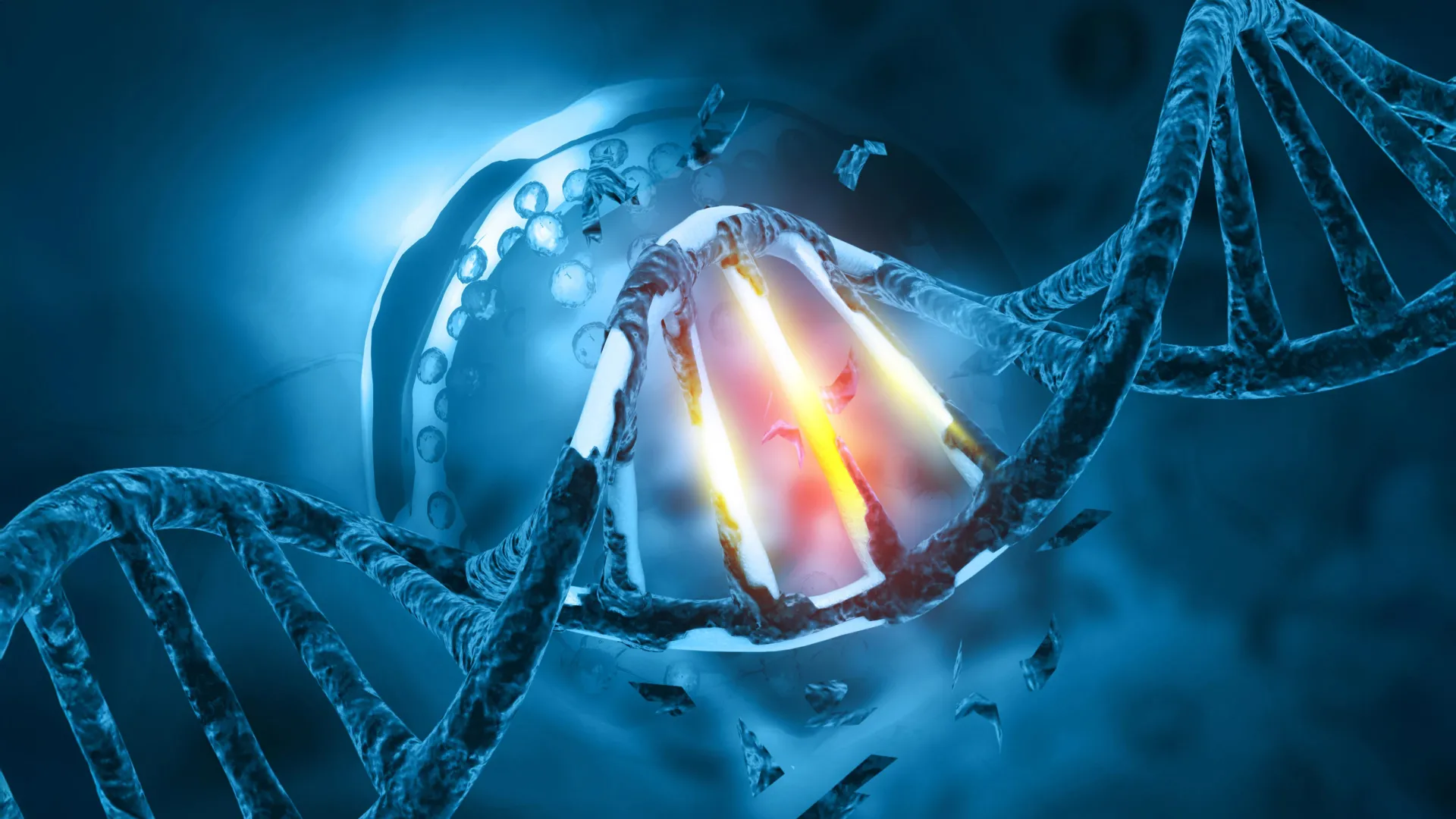
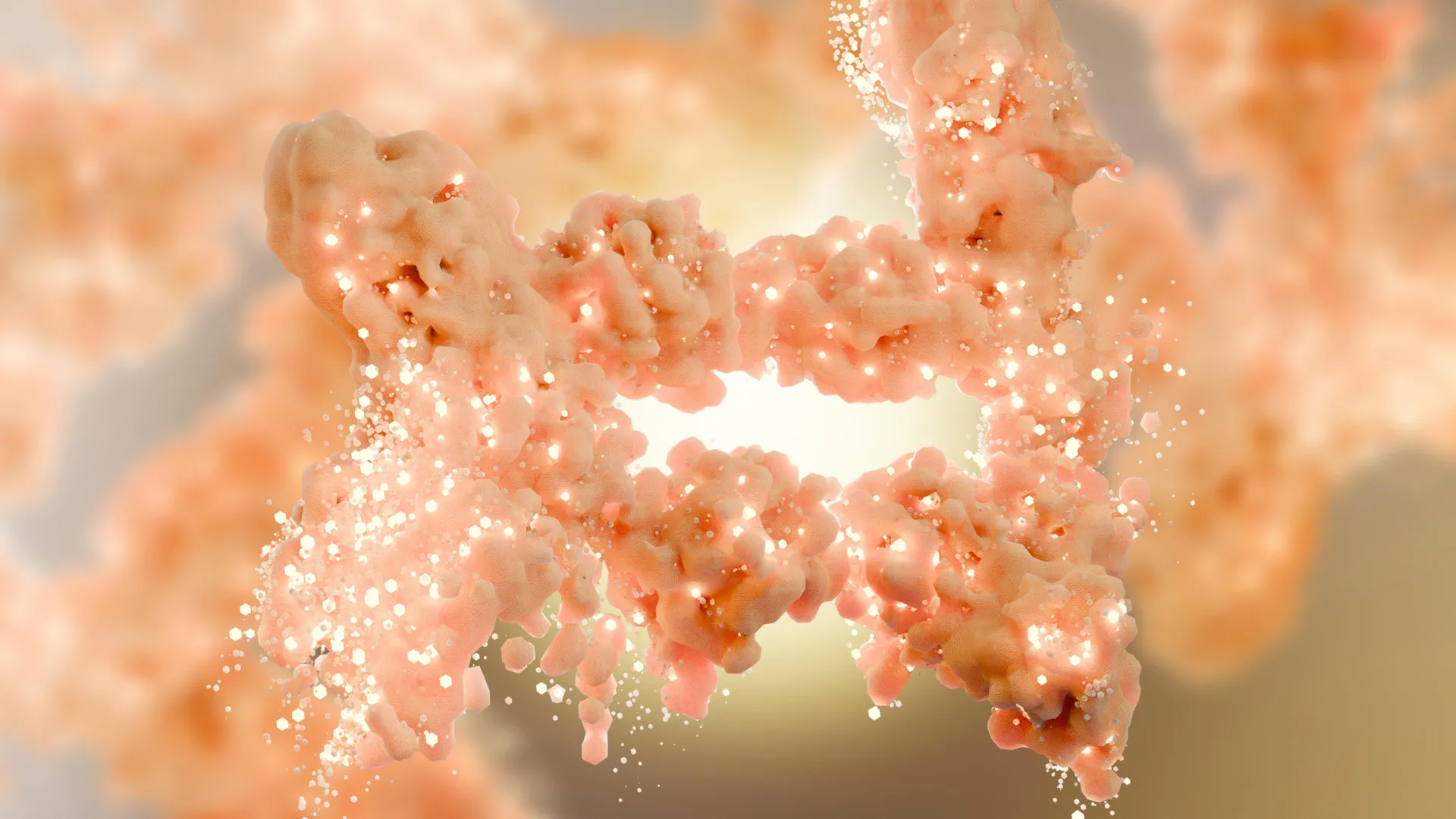
One critical protein identified in this process is IRF6 (Interferon Regulatory Factor 6), a known regulator of skin differentiation. The researchers found that when glucose binds to IRF6, it induces a conformational change—a shift in the protein’s physical shape. This change alters the protein’s ability to interact with the genome, effectively switching on the genes required for the cell to mature and switching off the genes that keep the cell in a stem-like state.
Dr. Khavari described this phenomenon as a "broadcast signal." Unlike traditional signaling pathways, which operate like a specific sequence of falling dominoes, the rise of glucose acts more like a general alarm. "When glucose levels rise in a cell, they rise everywhere, all at once," Khavari explained. "It’s like a fire alarm going off in a firehouse. Everyone in the firehouse activates in response." This global signal ensures that the entire cellular machinery moves in unison toward the goal of differentiation.
Supporting Data and Quantitative Impact
The scale of glucose’s influence is evidenced by the sheer number of genes affected. The Stanford study found that low glucose levels disrupted the expression of over 3,000 genes in skin cells. Many of these genes are essential for the structural integrity of the epidermis. Without sufficient glucose to trigger the necessary protein bindings, the cells remained in a dysfunctional, undifferentiated state.
Furthermore, the researchers identified 193 specific "suspect" molecules that increased during differentiation, but glucose remained the most significant metabolic outlier. The data showed that the increase in intracellular glucose was not due to a slowdown in energy production—meaning the cells weren’t just "piling up" unused fuel—but was a result of an active biological program to increase import and decrease export of the sugar.
Implications for Diabetes and Regenerative Medicine
The discovery provides a potential molecular explanation for long-observed clinical phenomena in patients with diabetes. Individuals with chronically high blood sugar often suffer from impaired wound healing and poor tissue regeneration. Historically, this was attributed to vascular damage or inflammation. However, the Stanford findings suggest a more direct cause: if glucose levels are perpetually elevated or dysregulated, the "broadcast signal" for differentiation may become "noisy" or desensitized, preventing stem cells from properly maturing to repair damaged skin or other tissues.
In the realm of regenerative medicine, this research opens the door to using glucose levels as a tool to control stem cell behavior. By manipulating the concentration of glucose or using non-metabolizable analogs, scientists may be able to more effectively direct the growth of lab-grown organs or improve the success rates of stem cell therapies.
Impact on Oncology and Cancer Treatment
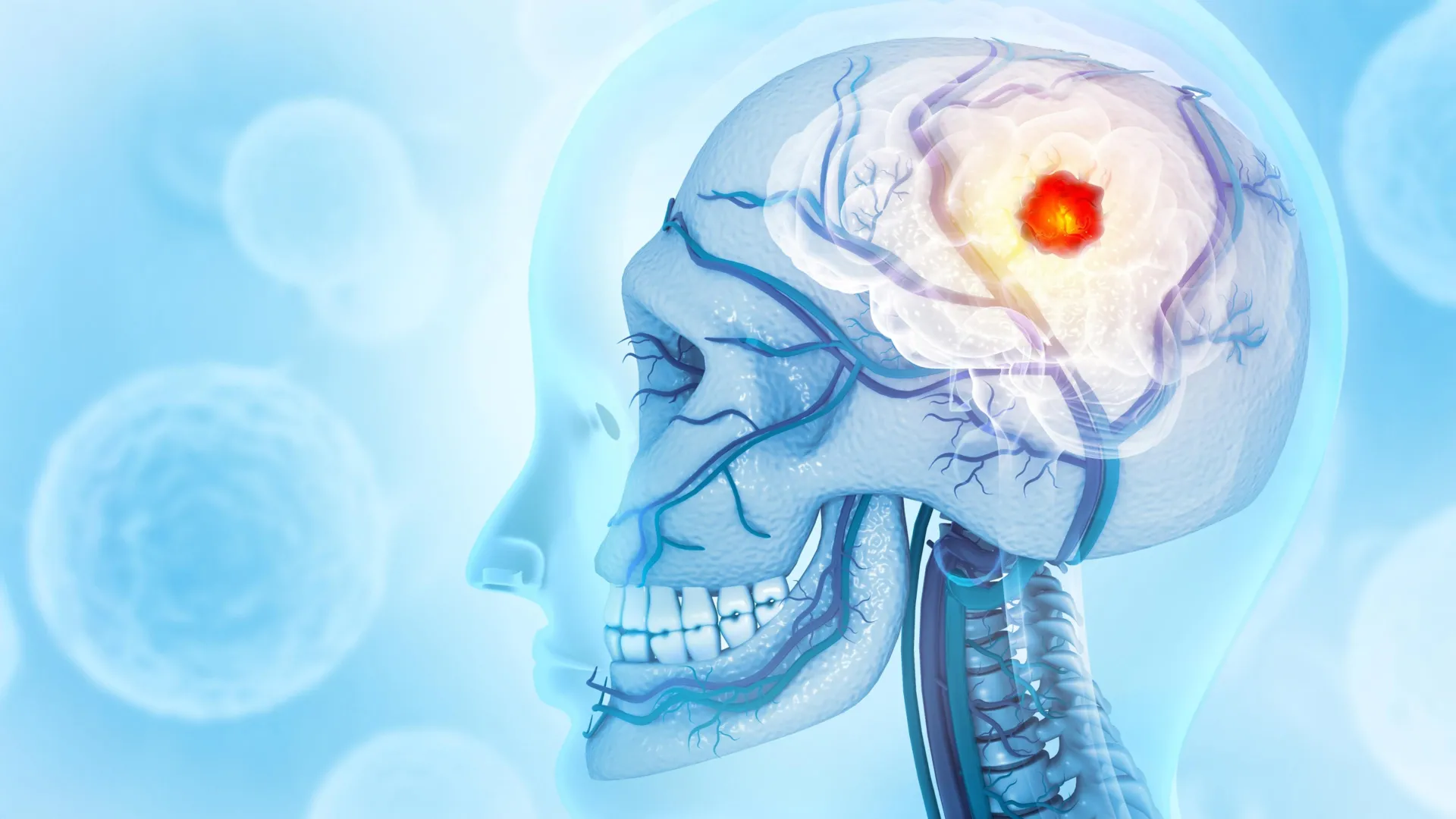
The study also holds significant promise for cancer research. A hallmark of many aggressive cancers is the presence of undifferentiated cells—cells that have lost their specialized function and reverted to a primitive, rapidly dividing state. This state allows tumors to grow unchecked and resist standard treatments.
The "Warburg Effect," a well-known phenomenon in oncology, describes how cancer cells consume massive amounts of glucose to fuel their growth. However, the Stanford research suggests a new interpretation: perhaps cancer cells are not just using glucose for energy, but are also mismanaging the "differentiation signal" that glucose provides. Some anticancer therapies currently in clinical trials utilize glucose analogs. While these were originally designed to "starve" the cancer cells of energy, Khavari’s research suggests these drugs might actually work by forcing immature cancer cells to differentiate into mature, non-dividing cells, thereby halting the progression of the disease.
Future Directions in Metabolic Research
The Stanford study marks the beginning of what Dr. Khavari calls an entirely new field of biological inquiry. For too long, small biomolecules like glucose, amino acids, and lipids were viewed as passive components of the cellular environment—mere building blocks or fuel. This research indicates that the "metabolome" (the collection of all metabolites in a cell) may be just as active in signaling as the "proteome" (the collection of proteins).
Future research will likely focus on identifying other metabolites that may serve as regulators for different types of tissue. There is also a pressing need to map the full "glucose-binding proteome" to see which other proteins, beyond IRF6, are physically altered by sugar molecules.
As the scientific community digests these findings, the Stanford team is already looking toward broader applications. "This finding is a springboard for research on dysregulation of glucose levels, which affects hundreds of millions of people," Khavari concluded. By redefining glucose as a master regulator, the study provides a new lens through which to view human health, disease, and the very process of how we are built from a single cell into a complex organism.
The research was supported by the National Institutes of Health and the U.S. Department of Veterans Affairs Office of Research and Development, highlighting the high level of institutional interest in the intersection of metabolism and developmental biology.