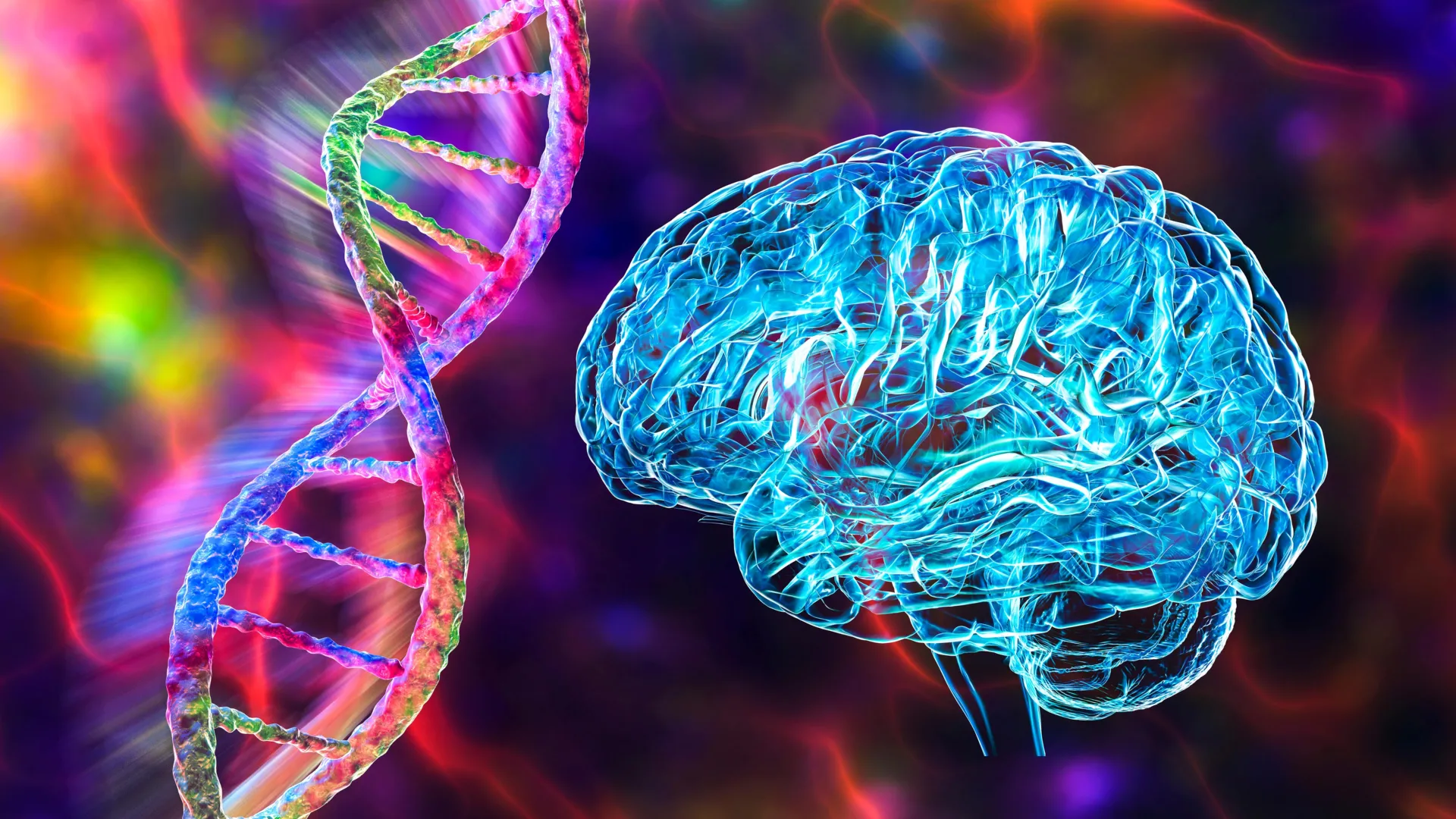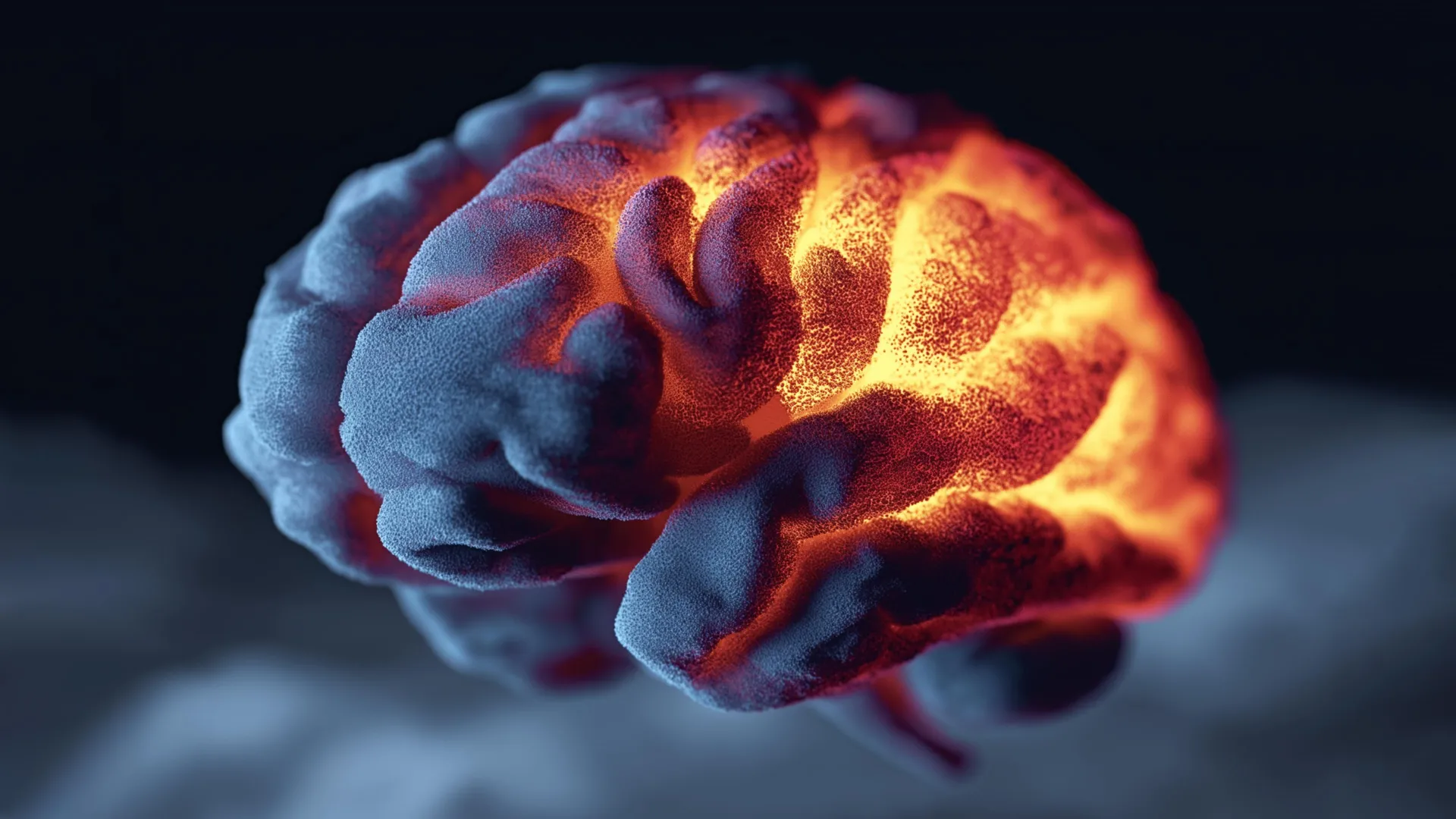
A common respiratory bacterium, primarily known for causing pneumonia and acute sinus infections, has been identified as a potential catalyst in the development and acceleration of Alzheimer’s disease. Researchers at Cedars-Sinai have released a landmark study indicating that Chlamydia pneumoniae can persist within human eye and brain tissues for years, potentially exacerbating the neurodegenerative damage characteristic of Alzheimer’s. The study, recently published in the prestigious journal Nature Communications, provides a compelling link between chronic bacterial infection, systemic inflammation, and the cognitive decline that affects millions of aging adults worldwide. By identifying this "infection-inflammation axis," the research team has opened new avenues for early diagnosis and therapeutic intervention, ranging from targeted antibiotic treatments to novel anti-inflammatory protocols.
Mapping the Pathogen’s Journey to the Central Nervous System
For the first time in a clinical setting, scientists have demonstrated that Chlamydia pneumoniae—a pathogen typically associated with the respiratory tract—possesses the ability to migrate to the retina, the light-sensitive neural tissue located at the back of the eye. Once the bacterium establishes itself in the retinal environment, it triggers a cascade of immune responses. These responses, while intended to combat the infection, result in chronic inflammation, the destruction of vital nerve cells, and a measurable decline in cognitive performance.
The eye has long been considered by neurologists to be a "window into the brain" due to its shared embryonic origins and direct neural connections via the optic nerve. Dr. Maya Koronyo-Hamaoui, a professor of Neurosurgery, Neurology, and Biomedical Sciences at Cedars-Sinai Health Sciences University and the study’s senior author, emphasized the importance of this anatomical link. She noted that observing the bacterium consistently across various mediums—including human tissue samples, controlled cell cultures, and animal models—allowed the team to confirm a previously suspected but unproven connection between bacterial presence and neurodegeneration. According to Dr. Koronyo-Hamaoui, the retina acts as a surrogate for the brain; therefore, detecting infection and inflammation in the eye can accurately reflect the pathological status of the brain and predict the onset of Alzheimer’s.
Quantitative Analysis: Higher Bacterial Loads and Cognitive Impairment
The research was built upon an exhaustive analysis of retinal tissues from 104 deceased donors. The cohort was diverse, including individuals who had exhibited normal cognitive function, those diagnosed with mild cognitive impairment (MCI), and those with confirmed Alzheimer’s disease. To achieve high-resolution results, the team employed a combination of advanced proteomic studies, genetic testing, and sophisticated imaging technologies.
The data revealed a stark correlation: individuals diagnosed with Alzheimer’s disease possessed significantly higher concentrations of Chlamydia pneumoniae in both their retinas and their brain tissues compared to the cognitively healthy control group. Furthermore, the researchers discovered a "dose-response" relationship; the greater the bacterial load found in the tissues, the more severe the observed brain damage and the more pronounced the history of cognitive decline.
Perhaps most significantly, the study highlighted a genetic vulnerability. Elevated levels of the bacterium were disproportionately found in individuals who carried the APOE4 gene variant. The APOE4 allele is the strongest known genetic risk factor for late-onset Alzheimer’s disease. This finding suggests that the genetic predisposition to Alzheimer’s may, in part, be mediated by the body’s inability to effectively clear or contain chronic infections like Chlamydia pneumoniae, allowing the pathogen to breach the blood-brain barrier or the blood-retinal barrier more easily.
The Infection-Inflammation Axis and Amyloid-Beta Production
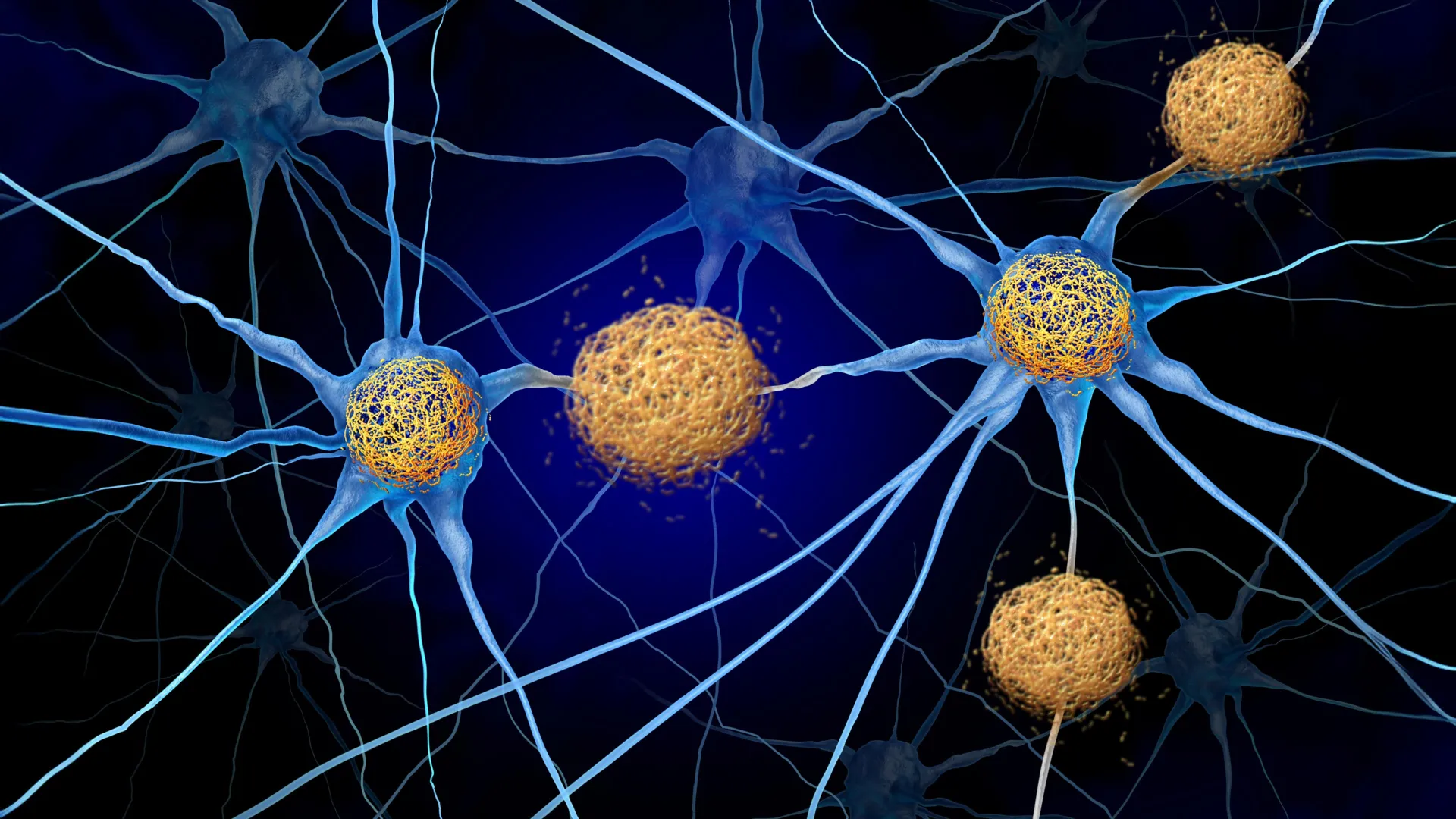
To move beyond correlation and understand the underlying biological mechanisms, the Cedars-Sinai team conducted laboratory experiments using human nerve cells and transgenic mouse models specifically designed to mimic Alzheimer’s pathology. When these models were exposed to Chlamydia pneumoniae, the results were consistent and alarming. The infection directly stimulated the overproduction of amyloid-beta, the hallmark protein that forms toxic plaques in the brains of Alzheimer’s patients.
The presence of the bacteria also activated microglia—the brain’s resident immune cells. While microglia are meant to protect the central nervous system, chronic activation by a persistent pathogen causes them to remain in a "pro-inflammatory" state. In this state, they release cytokines that inadvertently kill healthy neurons and disrupt synaptic connections. This dual impact—the promotion of amyloid plaques and the triggering of neurodestructive inflammation—suggests that Chlamydia pneumoniae acts as a potent accelerant for the disease.
Dr. Timothy Crother, a co-corresponding author and research professor at Cedars-Sinai Guerin Children’s, remarked that this discovery validates the "infection-inflammation axis" as a primary target for future treatments. If the infection is a driver of the disease, then treating the bacterium itself or dampening the specific inflammatory response it triggers could potentially slow or even halt the progression of cognitive decline.
Historical Context: The Resurgence of the Infection Hypothesis
The idea that pathogens could contribute to Alzheimer’s disease is not entirely new, but it has historically been overshadowed by the "Amyloid Cascade Hypothesis," which posits that the accumulation of amyloid-beta is the primary cause of the disease. However, as numerous clinical trials targeting amyloid-beta have failed to produce significant cognitive improvements, the scientific community has revisited the "Infection Hypothesis."
In the late 20th century, early researchers found traces of various pathogens, including Herpes Simplex Virus-1 (HSV-1) and Porphyromonas gingivalis (a bacterium linked to gum disease), in the brains of Alzheimer’s patients. The Cedars-Sinai study adds a critical layer of evidence to this theory by focusing on Chlamydia pneumoniae, a pathogen that is exceptionally common; most people are exposed to it at least once in their lifetime. Unlike acute infections that are quickly cleared, C. pneumoniae is known for its ability to enter a latent or persistent state, hiding within host cells for decades. This characteristic aligns with the slow, progressive nature of Alzheimer’s disease, which typically develops over 20 to 30 years before symptoms appear.
Retinal Imaging: A New Frontier in Early Detection
One of the most immediate practical implications of this research is the advancement of noninvasive diagnostic tools. Currently, Alzheimer’s is often diagnosed through expensive PET scans, invasive spinal taps, or cognitive assessments that only detect the disease once significant damage has already occurred.
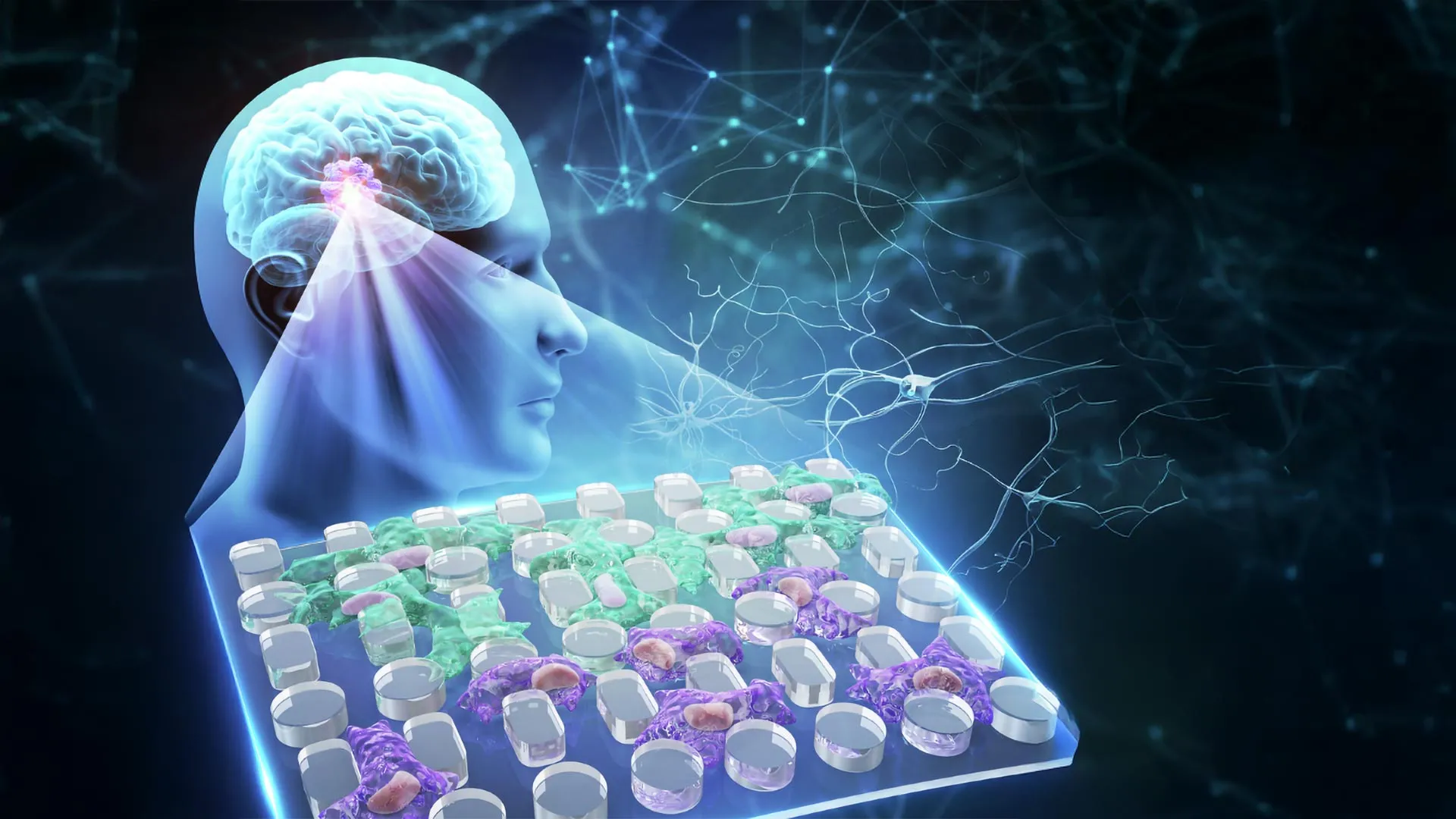
The discovery that Chlamydia pneumoniae can be identified in the retina suggests that a simple, high-resolution eye exam could serve as an early warning system. By screening for bacterial markers or specific inflammatory signatures in the retina, clinicians could identify at-risk individuals years before they exhibit memory loss. Early detection is widely considered the "holy grail" of Alzheimer’s research, as therapeutic interventions are most likely to be effective during the preclinical stages of the disease.
Future Treatment Strategies and Clinical Implications
The findings suggest a paradigm shift in how Alzheimer’s might be managed in the future. If a chronic bacterial infection is indeed a major contributor to the disease, the medical community may need to reconsider the role of antibiotics. While standard antibiotics are used for acute pneumonia, treating a persistent, intracellular infection in the central nervous system would require a more nuanced approach, potentially involving long-term, low-dose therapies or drugs capable of crossing the blood-brain barrier more effectively.
Moreover, the study emphasizes the need for specialized anti-inflammatory drugs. Current over-the-counter anti-inflammatories have not shown significant success in treating Alzheimer’s, but therapies specifically designed to inhibit the pathways activated by Chlamydia pneumoniae could be more effective.
The collaborative effort at Cedars-Sinai involved a multidisciplinary team, including experts in neurosurgery, neurology, pediatrics, and biomedical sciences. Co-first authors Bhakta Gaire, PhD, and Yosef Koronyo, MSc, along with a team of over a dozen contributors, have provided a comprehensive dataset that will likely influence clinical trials for years to come.
Conclusion and Broader Impact
As the global population ages, the prevalence of Alzheimer’s disease is expected to triple by 2050, creating an urgent public health crisis and an immense economic burden. The Cedars-Sinai study provides a vital piece of the puzzle, suggesting that the environment and our history of infections may be just as important as our genetics in determining our neurological fate.
By establishing that Chlamydia pneumoniae can inhabit the eye and brain for extended periods, worsening the damage associated with Alzheimer’s, researchers have moved a step closer to understanding the complex triggers of neurodegeneration. The findings support a multi-pronged approach to brain health: managing chronic infections, reducing systemic inflammation, and utilizing the eye as a diagnostic sentinel. While more research is needed to determine the exact timing of when antibiotic or anti-inflammatory treatment would be most effective, this study marks a significant milestone in the quest to demystify and eventually defeat Alzheimer’s disease.
The work was supported by multiple grants from the National Institutes of Health (NIH) and the National Institute on Aging (NIA), as well as the Alzheimer’s Association and various private foundations, including the Goldrich, Snyder, and Ray Charles Foundations. This broad base of support reflects the scientific community’s growing recognition that the path to a cure may lie in the intersection of microbiology, immunology, and neurology.